
About 35 kilometers southwest of Barcelona, Sitges is a small coastal town that has somehow managed to be many things at once, a genuinely beautiful beach destination, a thriving arts hub, one of Europe’s most celebrated LGBTQ+ destinations, and a place where you can eat extraordinarily well without trying very hard. It’s compact enough to cover on foot, lively enough to fill a long weekend, and just far enough from Barcelona that it feels like a proper escape.
Since I’ve been living in Barcelona the past 8 years, I have spent quite a few weekends enjoying the Sitges coastline and always love taking visitors here even if it’s just for the day. Whether you’re planning a quick day trip or staying a few nights, here’s what’s actually worth your time.
This article may contain affiliate links, which means I may earn a small commission at no additional cost to you. Thank you for supporting my blog!
Key Takeaways on Planning a Trip to Sitges, Spain
- Between the beaches, museums, old town, and nightlife, there’s far more to do in Sitges compared to your typical coastal town.
- It’s an easy day trip from Barcelona but genuinely deserves a night or two if your schedule allows.
- The Cau Ferrat museum alone is worth the trip, one of the most underrated cultural spaces in Catalonia.
Where Is Sitges?
Sitges sits on the Garraf Coast, tucked between the Mediterranean and the cliffs of the Garraf Natural Park, about 35km from Barcelona. The town itself is small, around 30,000 residents, but it carries an outsized cultural reputation that dates back to the late 19th century, when Catalan modernist artist Santiago Rusiñol essentially turned it into an artists’ colony. That bohemian spirit never really left.
How to Get to Sitges from Barcelona
Getting here from Barcelona is genuinely painless. The R2 Sud regional train runs from Barcelona Sants and Passeig de Gràcia directly to Sitges in around 40 minutes, with trains running frequently throughout the day. It’s cheap, reliable, and the return journey is just as easy.
If you’re driving, it’s about 40 minutes via the C-32 motorway, and parking is manageable outside of peak summer weekends. Most visitors, though, take the train, leaving the car behind means you can actually enjoy a glass of wine at lunch. I have even come just for a long lunch and a little stroll around the city.
Things to Do in Sitges Barcelona Day-Trippers Shouldn’t Miss
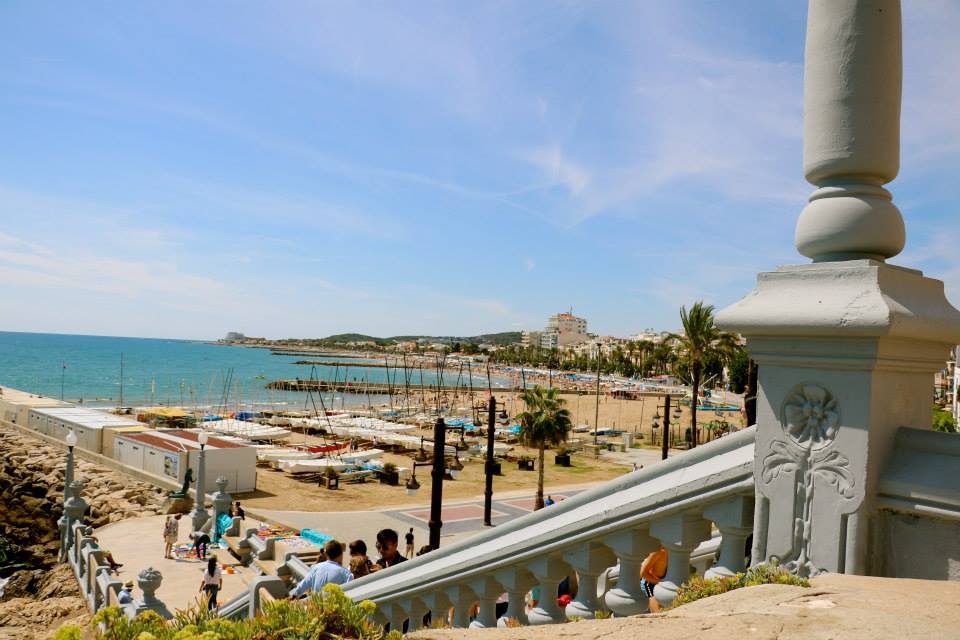
While you can definitely just spend your time walking around, eating good food, and taking a siesta at one of the many beaches (this is what I typically end up doing here), there are still some attractions to see if you’re wanting to see this town from a different perspective.
Here are the best things to do in Sitges, whether you’ve got a few hours or a few days.
1. Wander the Sitges Old Town
Start here, always. The sitges old town, a tangle of whitewashed streets, bougainvillea spilling over wrought-iron balconies, and small squares that seem designed specifically for lingering, is the soul of the place. There’s no agenda required. Just walk, get a little lost, duck into a shop or two, and let the town reveal itself at its own pace.
The centerpiece is the Church of Sant Bartomeu i Santa Tecla, perched dramatically on a rocky promontory above the sea. Its image is probably the most photographed view in town, and it earns every shot. For me, I always love walking up the grand staircase that hugs the coastline straight to the little cathedral.
2. Visit the Cau Ferrat Museum
If you do one cultural thing in Sitges, make it this. The Cau Ferrat museum was the home and studio of Santiago Rusiñol, the artist who put Sitges on the cultural map. He filled it obsessively over decades: El Greco paintings, ironwork, ceramics, modernist artwork, and pieces collected from across Europe. When he died, he left the whole thing to the town.
The building itself is beautiful, a converted 15th-century fisherman’s house right on the seafront, its rooms stacked floor to ceiling with art.
Right next door, the Museu Maricel is worth adding on (especially if you have a weekend here) it houses medieval art and decorative pieces in a beautiful Gothic-style building, with sea views from the upper rooms.
3. Spend Time on the Sitges Beaches
There are seventeen beaches in and around Sitges, which is either impressive or overwhelming depending on how you view it. The good news: the main town beaches are excellent, and you can’t really go wrong.
Platja de la Fragata and San Sebastian Beach are the two most central, separated by the old town promontory. Both are solid options and have good beach bars nearby. They can get busy in summer, arrive early if you want a good spot. The further you walk from the center, the quieter things get.
A few specifics worth knowing:
- La Ribera beach area is popular with the LGBTQ+ community and has a fantastic, relaxed atmosphere year-round
- Terramar beach, further south past the Terramar Gardens, tends to be a little calmer
- The beaches within Garraf Park, accessible from Sitges, are wilder, less developed, and genuinely beautiful if you don’t mind a bit of a walk
4. Stroll the Passeig Marítim
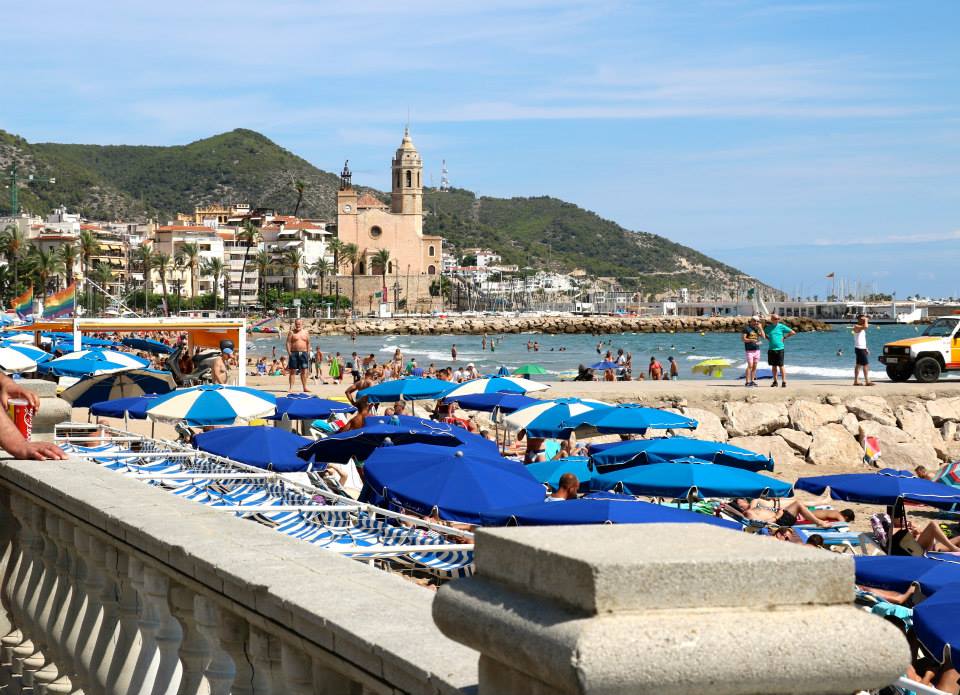
The Passeig Marítim is Sitges’ seafront promenade, running along the edge of the beautiful beaches for about a kilometre. It’s the kind of place that’s good at any hour: coffee in the morning, a long walk after lunch, cocktails at sunset. The restaurants and bars that line it range from casual to memorable, take your time picking one. And a little fun fact for you, last year, Tomi and I ran a half marathon right in this very location, and this part of the race was by far the most beautiful section.
5. Eat Well (Which Here Is Not Hard)
Sitges has a genuinely strong food scene for a town its size. Tapas done properly, fresh seafood, excellent Catalan cooking, the best restaurants tend to be slightly off the main tourist drag, so don’t be afraid to wander a street or two inland. My personal favorite is called La Zorra, it’s the best spot in town for a long paella lunch.
6. Visit the Terramar Gardens and Park
Just south of the main town, the Terramar Gardens are a quiet, slightly forgotten gem. These gardens have a faded elegance to them, geometric hedges, palm trees, ornamental fountains. Great for a slow afternoon walk, and rarely crowded.
7. Time a Visit Around a Festival or Local Event
Sitges takes its local events seriously. A few highlights worth planning around if you happen to be visiting Catalunya during this time:
- Sitges International Film Festival: held every October, the Sitges film festival is one of the most respected fantasy and horror film festivals in the world. The town fills up with filmmakers, critics, and serious cinephiles.
- Sitges Pride: The Sitges Gay Pride celebrations, usually held in June, are among the best in Europe.
- Carnival: Sitges Carnival is legendary in Catalonia, running for about ten days in February/March with parades, elaborate costumes, and an energy that’s hard to match.
- Santa Tecla Festival: September’s big religious and cultural festival, featuring castellers (human towers), gegants (giant figures), and fireworks.
8. Explore the Garraf Natural Park
For those who’d rather be hiking than museum-hopping, the Garraf Natural Park is right on Sitges’ doorstep. The park covers over 12,000 hectares of limestone hills, Mediterranean scrubland, and dramatic coastal cliffs. There are marked hiking trails of varying difficulty, and the views back over the coast are worth every uphill minute.
It’s a completely different side of Sitges, quiet, wild, and a solid reminder that this stretch of coastline has more going on than just beach bars. I love coming to this area on a beautiful spring or winter morning. Since the weather tends to be pretty mild all year round, it’s actually really nice to hike around this area and then stay in Sitges for a celebratory beer once finished.
9. Take a Guided Tour
If you’d rather have context with your exploration, a guided tour of Sitges is a solid option, particularly for the architecture and art history, which runs deep here. Several operators offer walking tours of the old town and cultural sites. The Casa Bartomeu Carbonell and Casa del Reloj are two of the finest modernist buildings in town and make much more sense with a knowledgeable guide filling in the backstory.
However, like I said before, you can seriously just train to Sitges for the day, walk around, find a cute chiringuito on the beach for lunch, and head back to Barcelona later that night. While there are technically extra sites and attractions to see in Sitges, this little beach town is best enjoyed slowly and with not so many plans.
Frequently Asked Questions About Sitges, Spain
How many days should you spend in Sitges?
One full day is enough to hit the highlights. Two days lets you slow down, eat properly, and actually enjoy a beach afternoon without rushing. If you’re visiting during the film festival or Pride, build in at least two to three days, the atmosphere is worth settling into.
Is Sitges worth visiting outside of summer?
Absolutely. Sitges is one of my favorite day trips from Barcelona in summer. Spring and autumn are genuinely lovely, warm enough to sit outside, quiet enough that you can actually get a table at a restaurant. Winter is mild by northern European standards and the old town is peaceful.
Can you do Sitges as a day trip from Barcelona?
Yes, easily. The train takes around 40 minutes and runs throughout the day, so a day trip is very manageable. That said, staying overnight gives you a totally different experience, quieter evenings, better restaurant access, and the town feeling more like yours.
Where should I stay in Sitges?
The old town and seafront areas are the most atmospheric spots. Holiday rentals are popular and widely available, particularly for longer stays, a self-catered apartment near the beach is a great option for families or groups. Hotels in Sitges range from boutique to grand, with a few genuinely excellent options along the Passeig Marítim.
Are there good restaurants in Sitges?
Yes! The best restaurants tend to lean into fresh seafood and Catalan cooking, and the quality is very good. Avoid the most obvious tourist-facing spots on the main drag and you’ll eat very well.
What to See in Sitges: Final Thoughts
Sitges is one of those towns that’s easy to underestimate on paper, small, coastal, close to a major city, and then you arrive and immediately understand why people come back. The combination of genuine culture, beautiful beaches, good food, and a character all its own makes it one of the most satisfying day trips from Barcelona, and an even better short stay.
Planning a trip to Barcelona? Discover more with my latest articles:
The 15 Best Day Trips From Barcelona: 2026 Guide
The Ultimate Montserrat Day Trip from Barcelona: How to Get There & What to See
Best Hotels in Barcelona: 18 Incredible Stays (From Boutique to Luxury)
Best Neighborhoods to Stay in Barcelona




No Comments