
Buenos Aires doesn’t announce itself quietly. It hums, it lingers, it pulls you in slowly and then all at once. One minute you’re admiring faded Parisian balconies, the next you’re standing on a street corner watching a tango unfold like a private conversation you weren’t meant to overhear. If you’re searching for the things to do in Buenos Aires, the truth is this: the city rewards those who wander just as much as those who plan.
This guide on things to do in Buenos Aires, Argentina is designed to help you do both.
Whether you’re planning your first trip or returning to dig deeper, this Buenos Aires travel guide walks you through the city’s most iconic sights, neighborhood personalities, food scene, and cultural moments, without turning your experience into a checklist. Think of it as a framework, not a script.
What to Expect When You Visit Buenos Aires
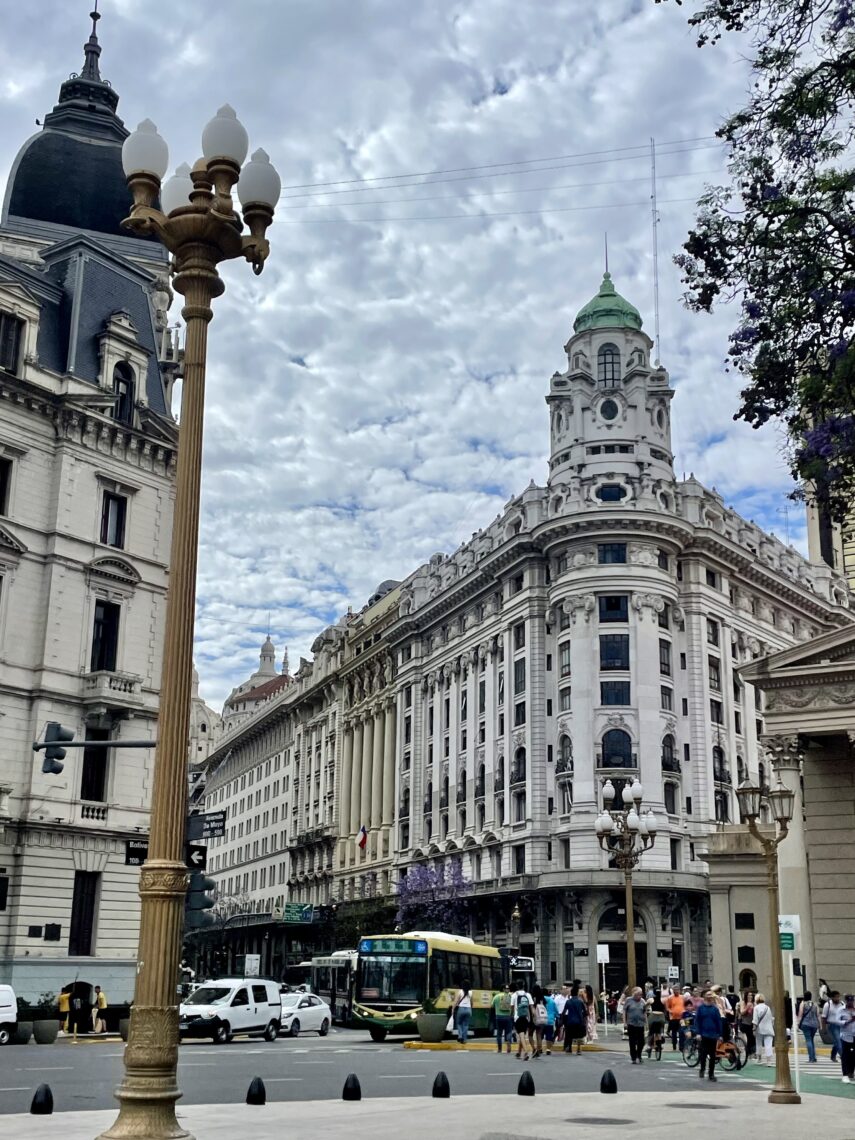
Buenos Aires is a city of contrasts, and it helps to know what kind of experience you’re stepping into. Before diving into neighborhoods and must-see spots, here’s a quick snapshot of what defines the city and shapes the best things to do in Buenos Aires Argentina:
- A neighborhood-driven city where exploring barrios like San Telmo, Palermo, and Recoleta reveals entirely different moods, rhythms, and cultural layers.
- Food and dining as a social ritual, with long meals, late nights, and restaurants that prioritize conversation as much as cuisine.
- Deep cultural roots, from tango and football to architecture and public plazas that reflect Buenos Aires’ European and Latin American influences.
- A slower pace than you might expect, where wandering, sitting, and people-watching are just as important as checking off landmarks.
- A blend of old and new, where historic cafés and cobblestone streets coexist with modern wine bars, art spaces, and waterfront districts.
This Buenos Aires travel guide is built around these elements, helping you plan a trip that balances structure with spontaneity and highlights the most meaningful things to do in Buenos Aires without rushing the experience.
Why Buenos Aires Feels Different From Anywhere Else in South America
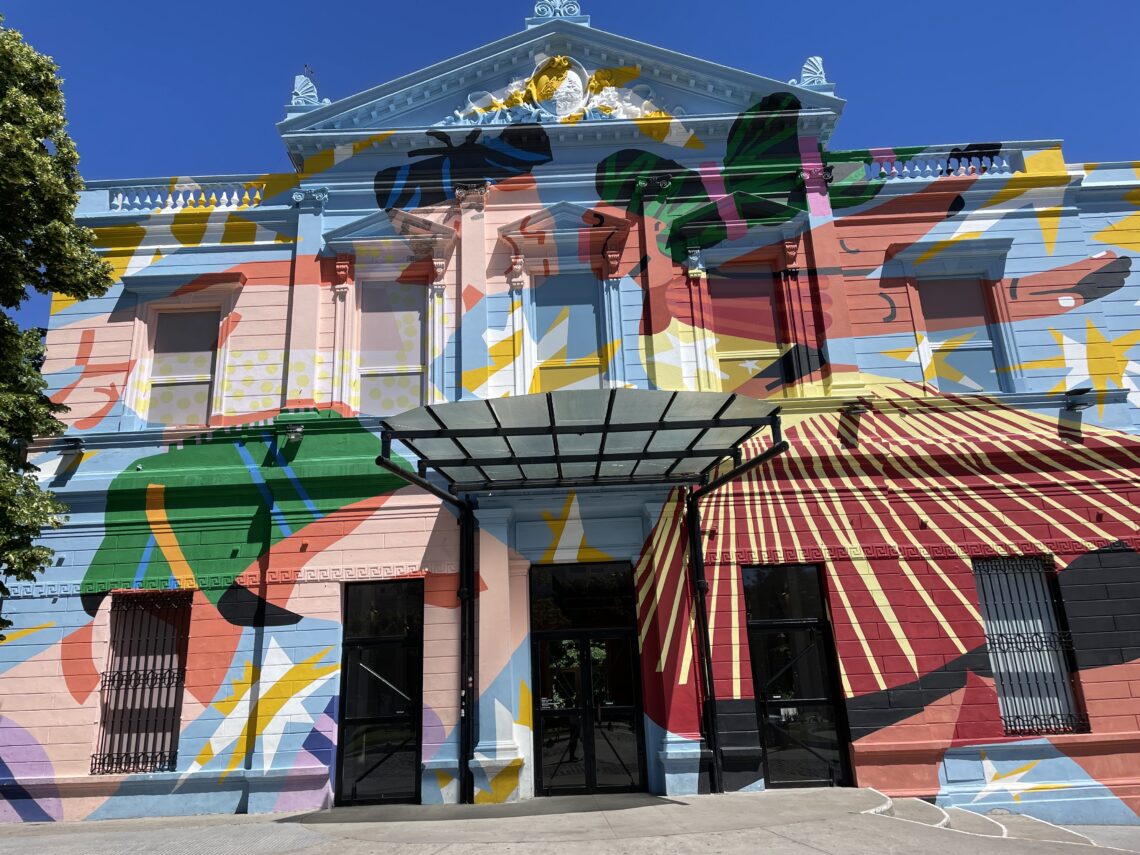
Buenos Aires occupies a strange, wonderful in-between space. It’s unmistakably Latin American, yet deeply European. Grand theaters, leafy boulevards, and ornate cafés coexist with gritty street art, and political murals.
As one of the most captivating cities in South America, Buenos Aires offers history without feeling frozen, culture without pretense, and energy without urgency. It’s a place where you’re encouraged to sit, to linger, to argue about football, and to eat dinner far later than feels reasonable.
That balance is what makes Buenos Aires travel so compelling, and why people tend to fall hard for the city.
When is the Best Time to Travel to Buenos Aires?
The best time to travel to Buenos Aires is during the shoulder seasons, Spring (September to November) and fall (March to May).
During these months, the weather is mild, the city feels alive but not overwhelming, and daily life spills effortlessly into parks, cafés, and sidewalks. With that being said, I typically travel here in December and while it can be hot, it’s still not peak summer.
Summer can be hot and humid, especially in January and February, when many locals leave the city. Winter is quieter and cooler, but still pleasant enough for walking-heavy days.
What Are the Different Neighborhoods in Buenos Aires?
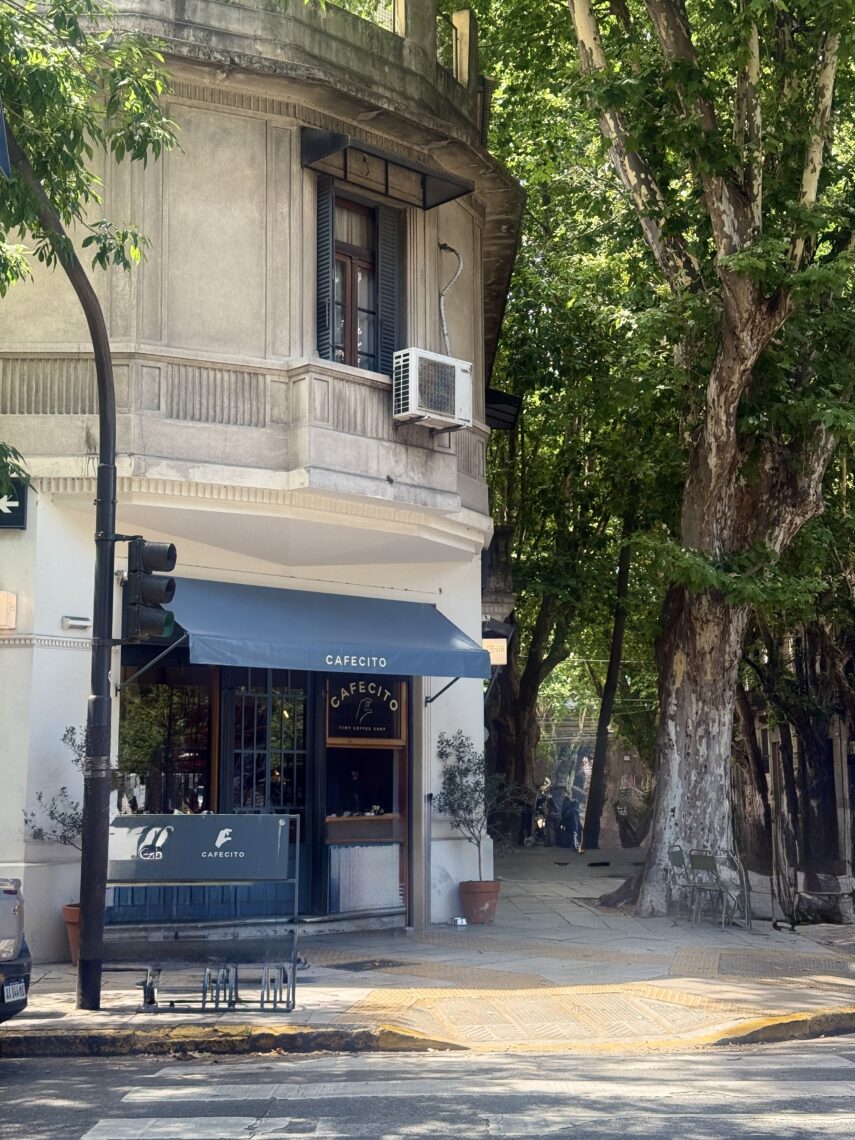
Buenos Aires is a city best understood by its neighborhoods. Each barrio has its own rhythm, personality, and pace, and moving between them can feel like stepping into entirely different worlds. Getting to know these areas is one of the best ways to experience how the city actually lives and breathes.
San Telmo: Where Buenos Aires Remembers Itself
This historic neighborhood is one of the most atmospheric places to explore Buenos Aires, defined by cobblestone streets, colonial buildings, and a sense that the past is never too far away. On Sundays, Plaza Dorrego fills with antique vendors, street musicians, and spontaneous tango performances that feel both practiced and improvised.
The San Telmo Market is worth lingering in, not rushing through. It’s equal parts food hall, local hangout, and cultural snapshot. Between bites of empanadas and glasses of wine, you start to understand why San Telmo is essential to any list of things to do in Buenos Aires Argentina. It’s not loud about it, but it’s confident. Grounded. Unbothered.
La Boca: Color, Identity, and Controlled Chaos
This working-class neighborhood is famous for El Caminito, a brightly painted stretch of houses, artists, and tango dancers that feels theatrical in the best possible way. Yes, it’s touristy. Yes, it’s worth seeing. The colors, the music, and the sheer intensity of it all say something important about Buenos Aires Argentina: this is a city that expresses itself boldly. Nearby, La Bombonera stadium anchors the area’s football identity. I suggest visiting La Boca during the day as this neighborhood is not as safe compared to others.
Palermo: Green Spaces, Nightlife, and Creative Energy
This sprawling district is where creativity, fashion, food, and green space collide. It just so happens to be my favorite area of the city as well. Palermo Soho buzzes with boutiques, cafés, and street art, while Palermo Hollywood leans into dining and nightlife. The energy is younger, more international, and effortlessly social.
Yet Palermo also slows down beautifully. Palermo Park, the Japanese Garden, and El Rosedal offer space to breathe. Locals jog, picnic, and nap in the grass, often all at once. Spending time here gives you insight into everyday Buenos Aires, not just the postcard version.
Recoleta: Elegance, History, and Quiet Grandeur
Wide avenues, polished façades, and cultural institutions define this refined neighborhood. The Recoleta Cemetery is the centerpiece, a city of mausoleums where Argentina’s history quite literally rests. Eva Perón’s tomb draws visitors from across Latin America and beyond, but the cemetery itself rewards slow exploration.
Recoleta also houses some of the city’s best museums, including the National Museum of Fine Arts, where world-class collections are surprisingly accessible. When paired with a long coffee at Café Tortoni, this part of the city feels thoughtful, intellectual, and deeply layered.
Places to See & Things to Do in Buenos Aires at a Glance

Buenos Aires is a city of layers, and it can feel like a lot on first visit. Sometimes it helps to zoom out before diving in. Whether you’re mapping out your first few days or double-checking you haven’t missed anything, this overview pulls together the essential things to do in Buenos Aires Argentina, from iconic landmarks to neighborhood experiences that define the city.
Highlights not to miss when you explore Buenos Aires include:
- Wander the cobblestone streets of San Telmo and spend time at Plaza Dorrego
- Browse food stalls and local vendors inside San Telmo Market
- Walk through the colorful streets of La Boca and along El Caminito
- Visit La Bombonera, home of Boca Junior
- Spend an afternoon in Palermo Soho and Palermo Hollywood
- Relax in Palermo Park, including El Rosedal and the Japanese Garden
- Explore the historic Recoleta Cemetery and nearby museums
- Visit the National Museum for world-class fine art
- Walk through Plaza de Mayo and see Casa Rosada
- Take a guided tour of Teatro Colón
- Admire architecture at Palacio Barolo
- Shop and people-watch along Florida Street
- Attend a traditional tango show or stumble upon tango in the streets
- Spend an evening dining in Puerto Madero along the waterfront
- Browse books inside El Ateneo Grand Splendid
- Take a day trip to the Tigre Delta
- Visit the Mataderos Fair for gaucho culture
- Discover street art along Calle Lanín
- Explore vintage shops and cafés in Villa Crespo
- Sit down for coffee at Café Tortoni
Where to Eat in Buenos Aires
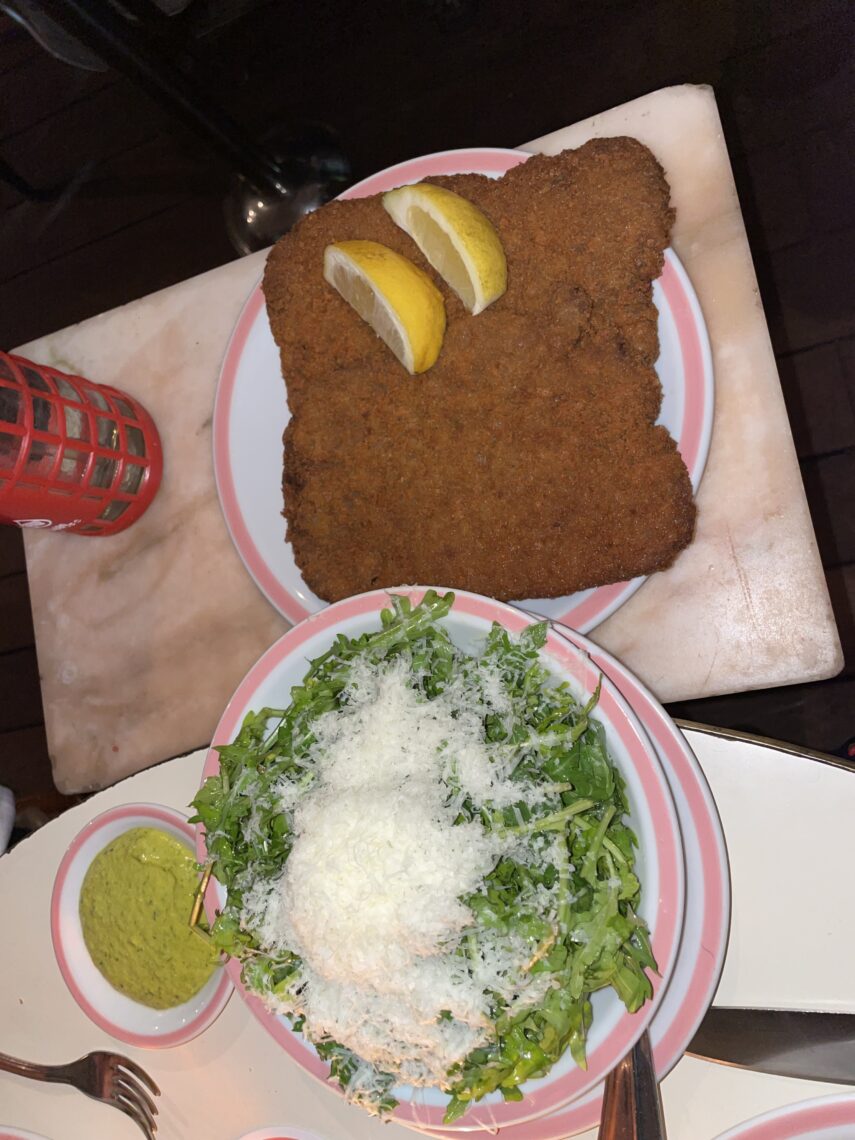
Food is woven into daily life in Buenos Aires, not as a spectacle but as a shared ritual. While steakhouses often steal the spotlight, the city’s dining scene is far more layered than many travelers expect. From old-school neighborhood favorites to thoughtful, modern kitchens, these restaurants offer a taste of how locals actually eat, gather, and linger, often for hours at a time.
Here are a few of my favorite restaurants in Buenos Aires, Argentina:
Not-to-miss restaurants in Buenos Aires include:
- Don Julio: A legendary steakhouse known for impeccable cuts, deep wine knowledge, and a dining experience that feels ceremonial without being stiff.
- La Cabrera: Generous portions, classic flavors, and the kind of indulgent spread that turns dinner into a multi-hour event.
- El Preferido: A beloved neighborhood spot that blends Argentine comfort food with a sense of history and warmth.
- Mengano: Contemporary, creative, and quietly confident, with dishes that feel playful but grounded.
- Birkin: Intimate and modern, ideal for lingering over wine and beautifully composed plates.
- Café Mishiguene: A thoughtful exploration of Jewish-Argentine heritage, elevated through technique and storytelling.
- Los Galgos: A classic porteño café-bar where locals linger over coffee, vermouth, and simple dishes. It’s unpretentious, timeless, and perfect for a slow afternoon or a casual evening that turns into hours without you noticing.
- Imperio: Proof that Buenos Aires takes pizza seriously, serving thick, cheesy slices in a no-frills, local setting. Highly recommend ordering the fugazzeta.
- Tango: The Soul of Buenos Aires
Long before it became a performance for visitors, tango was a language born from immigration, longing, and shared streets, and that history still lingers in the city’s rhythm.
You’ll see advertisements for tango shows everywhere, and while a formal tango show can be impressive, some of the most memorable moments happen outside traditional venues. In San Telmo, dancers often appear in plazas and on street corners, drawing small crowds that fall silent as the music begins.
Getting Around & What to Know Before You Go
Buenos Aires is a surprisingly easy city to navigate, especially once you understand its rhythm. Many neighborhoods are walkable, and wandering on foot is often the best way to notice small details, corner cafés, local bakeries, and quiet residential streets that don’t make it into guidebooks. However, at night, I recommend ubering strictly for safety. Uber tends to be quite affordable in Buenos Aires, so it’s better to travel by car at night if you’re unfamiliar with your surroundings.
Buenos Aires Travel FAQ
How many days do you need in Buenos Aires?
Most travelers need 3 to 5 days to experience the highlights without rushing. This allows time to explore key neighborhoods, enjoy the food scene, see major landmarks, and still leave room for wandering. If you plan to add a day trip, closer to five days feels ideal.
Is Buenos Aires a walkable city?
Yes, many of the main neighborhoods, like San Telmo, Palermo, and Recoleta, are very walkable. Walking is often the best way to experience daily life, though taxis and ride-share apps make it easy to move longer distances between areas.
Is Buenos Aires safe for tourists?
Buenos Aires is generally safe for visitors, especially in well-traveled neighborhoods. Like any large city, it’s important to stay aware of your surroundings, keep valuables secure, and be more cautious in crowded or tourist-heavy areas.
Is Buenos Aires worth visiting for first-time travelers to South America?
Absolutely. Buenos Aires is often considered one of the easiest and most rewarding cities to visit in South America thanks to its walkability, rich culture, food scene, and blend of European and Latin American influences.
Buenos Aires Travel Guide: Final Thoughts
The best advice for anyone planning things to do in Buenos Aires Argentina is simple: don’t rush it.
Buenos Aires isn’t a city you conquer. It’s one you settle into. Build a loose Buenos Aires itinerary, yes, but leave space to wander, to sit, to change your mind. That’s when the city opens up.
If you’re ready to explore Buenos Aires with curiosity instead of urgency, you’ll leave understanding why so many travelers don’t just visit Buenos Aires, they miss it.



No Comments