
Morocco is one of those destinations that feels like several worlds stitched together. You might start your day navigating the maze-like medinas of Marrakech, sip mint tea on a rooftop by afternoon, and end the night wrapped in a blanket under the stars of the Sahara Desert. It’s vibrant, layered, and endlessly fascinating, but for many women, deciding what to wear in Morocco can feel overwhelming before you even zip your suitcase.
As a female traveler exploring Morocco and the wider region of North Africa, packing isn’t just about style. It’s about understanding the local dress code, respecting local customs, and choosing clothing that works across shifting landscapes and climates. From bustling cities and tourist areas to rural areas, desert roads, and potential day trips into the Atlas Mountains, what you wear can shape how comfortable and confident you feel throughout your trip.
Rather than aiming for a “perfect” outfit lineup, this guide focuses on building a practical, thoughtful Morocco packing list that balances comfort, coverage, and versatility. You’ll find guidance on what to wear in Morocco as a woman, how clothing needs change between city streets and a Morocco desert tour, and exactly what to pack so you’re prepared without overpacking or second-guessing every choice along your Morocco itinerary.
Quick note before we dive in: this article includes affiliate links, which means I may earn a small commission if you make a purchase through them, at no extra cost to you.
Key Takeaways
- Dressing modestly in Morocco is less about strict rules and more about choosing loose, breathable layers that keep you comfortable and culturally aware
- City travel and desert travel require different clothing strategies, so versatility is key
- Lightweight fabrics, sun protection, and walkable shoes matter far more than trends
Understanding How Women Dress in Morocco
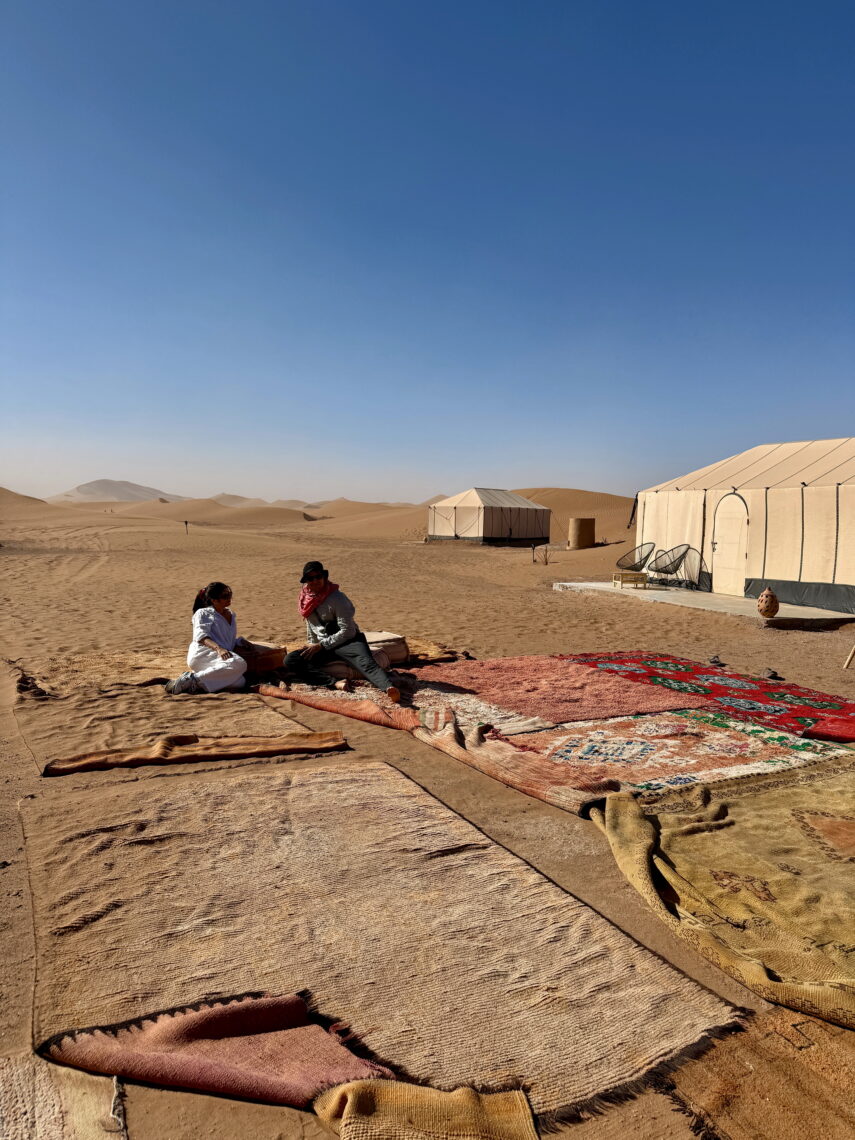
Morocco is a Muslim-majority country, but it’s also a place where tradition and tourism exist side by side. In larger cities, you’ll see locals wearing everything from jeans and sneakers to traditional djellabas, while travelers bring their own mix of styles. That said, modest dress is still the norm, especially outside of major tourist hubs.
For women, modesty typically means covering shoulders, avoiding deep necklines, and opting for skirts or pants that fall at or below the knee. This doesn’t mean you have to dress conservatively in a way that feels restrictive or outdated. In fact, loose silhouettes and breathable fabrics often feel better in Morocco’s heat than tight or revealing clothing ever would.
Dressing with intention also tends to reduce unwanted attention, which allows you to move through cities and villages with more ease. Think of it as dressing with the culture rather than against it.
What to Wear in Morocco as a Woman: City Travel
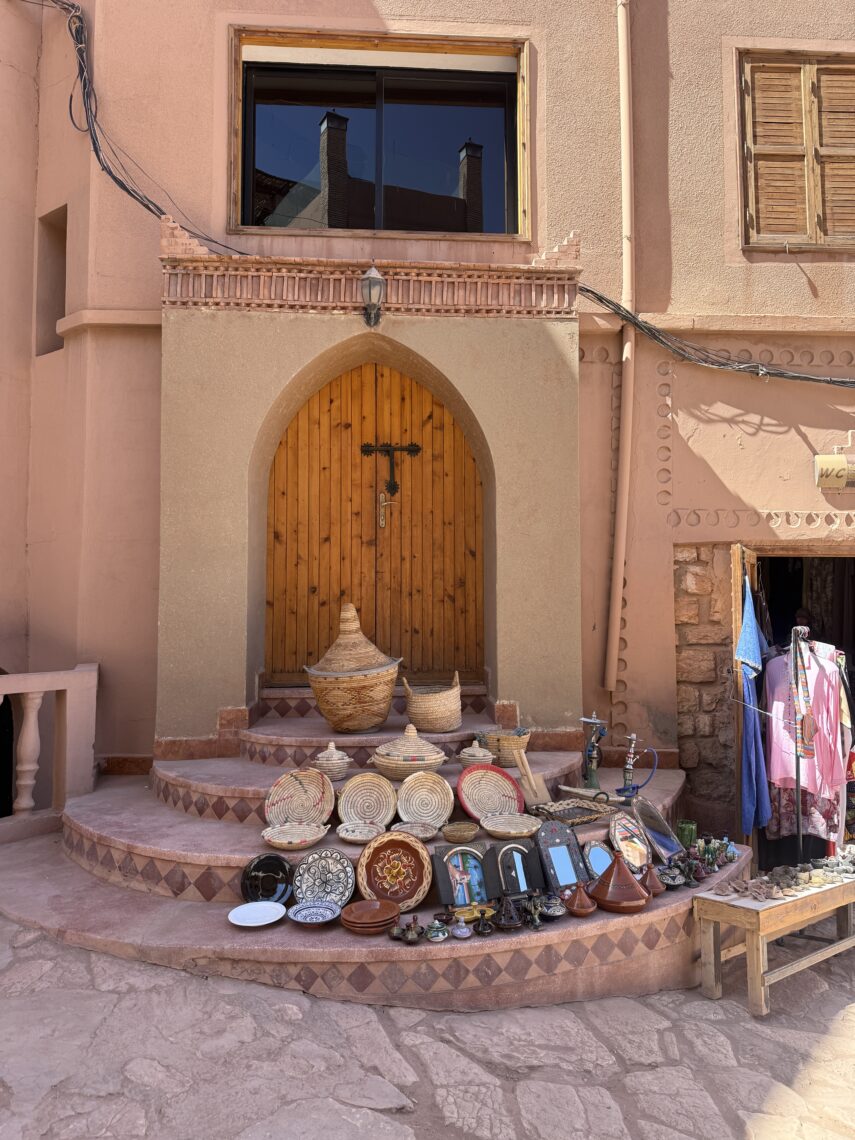
Moroccan cities are energetic, colorful, and made for wandering. You’ll likely spend hours walking, stopping frequently, and weaving through crowds, so comfort is essential, but so is coverage.
In cities like Marrakech, Fes, Rabat, and Essaouira, flowy, lightweight clothing works best. Long skirts, loose pants, and breathable tops help regulate body temperature while also aligning with local norms. Dresses are absolutely acceptable, as long as they aren’t overly short or low-cut.
Shoes deserve extra thought here. Medina streets are often uneven, narrow, and sometimes slippery, so supportive sandals or sneakers are far more practical than anything delicate or elevated.
What to Wear in Morocco: Desert Travel
Desert travel calls for a mental wardrobe shift. While cities across Morocco invite a balance of style and comfort, the Sahara Desert demands practicality above all else. If you’re joining a Sahara Desert tour, sun exposure is intense, temperatures swing dramatically, and wind and sand are simply part of the experience.
Covering your skin in the desert is actually more comfortable than baring it. Lightweight, breathable fabric helps regulate body temperature, while long trousers or loose pants protect your legs from the sun and blowing sand. A relaxed maxi dress can also work well during the day, as long as it’s airy and easy to move in. Thoughtful sun protection matters here more than anywhere else, especially during long drives or camel rides.
As the sun sets, desert temperatures drop quickly. Evenings in the Sahara can feel surprisingly cold, making layers essential. A light jacket or insulating top is worth packing, even if your desert days are hot and dry.
A scarf quickly becomes one of the most useful pieces of clothing you’ll bring. It offers sun protection during the day, warmth at night, and extra coverage when needed. Many travelers find themselves reaching for it daily, without realizing how indispensable it becomes in desert conditions.
City Travel vs. Desert Travel: How Packing Changes
Packing for Morocco often goes wrong when travelers assume one outfit strategy will work everywhere. Cities and deserts ask for different things from your wardrobe.
City travel allows for a bit more personal expression. You can lean into relaxed silhouettes, neutral tones, and breathable fabrics that still feel polished. Desert travel, on the other hand, prioritizes protection and adaptability. Clothing needs to shield you from the elements while staying comfortable for long stretches outdoors.
The smartest approach is to pack versatile pieces that can transition between both environments. A linen button-down, for example, works just as well layered over a tank in the city as it does providing sun protection in the desert.
What to Pack for Morocco: Women’s Packing List
Clothing
- Lightweight short-sleeve tops that cover the shoulders
- Breathable long-sleeve shirts for sun protection
- Loose-fitting linen pants
- Maxi cotton skirts
- Maxi dresses with sleeves or higher necklines
- A light jacket, cardigan, or sweater
- Sleepwear appropriate for shared accommodations
Shoes
- Comfortable walking sandals with good support
- Breathable sneakers or trail shoes
- Optional flats or dressier sandals for evenings
Accessories
Toiletries & Essentials
- Sunscreen
- Lip balm with SPF
- Hand sanitizer
- Reusable water bottle
- Laundry bar
- Ear plugs
- Eye mask
- Towel
- Kindle
- Dramamine for motion sickness (there will be lots of long car rides in store when traveling in Morocco)
Electronics
- Adapter
- Headphones
- Camera
- Chargers and cables
- Powerbank
Can Women Wear Shorts or Tank Tops in Morocco?
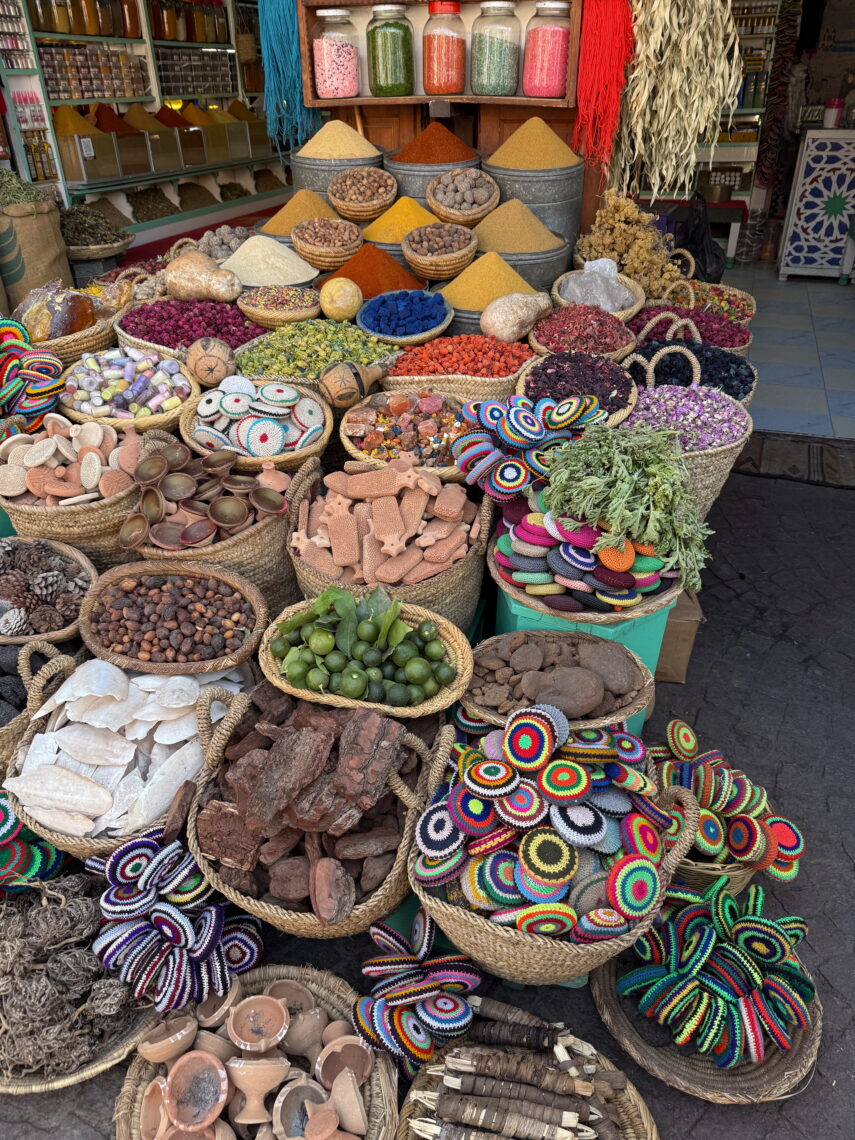
This is one of the most common questions travelers ask, and the answer depends heavily on context. In coastal cities or resort-style accommodations, knee-length shorts and sleeveless tops may be acceptable. In medinas, rural towns, and religious spaces, they’re more likely to draw attention or feel out of place.
Many women choose to pack these items but wear them selectively. Pairing leggings with a longer top or layering a sleeveless dress with a light shirt can make outfits more versatile without sacrificing comfort.
Seasonal Considerations for Packing
Morocco’s climate varies significantly by region and season. Spring and fall are generally the easiest times to pack for, as days are warm and evenings are cool. Summer requires careful fabric choices due to extreme heat, especially inland and in the desert. Winter surprises many travelers with chilly nights, particularly in the Atlas Mountains and desert regions.
Layering is essential year-round, and checking the weather for each destination on your itinerary will help refine your packing list.
Suitcase or Backpack: Which Is Better for Morocco?
Choosing between a suitcase and a backpack for Morocco really comes down to your itinerary and travel style. If your trip focuses on cities, riads, and pre-arranged transfers, a small to medium rolling suitcase is perfectly manageable. Many Moroccan accommodations are accustomed to travelers with luggage, and taxis make city transfers easy. Just keep in mind that medinas often involve narrow alleys, uneven pavement, and staircases, which can make dragging a suitcase a bit awkward.
A backpack tends to be the better option if your itinerary includes desert camps, frequent accommodation changes, or travel to more remote areas. It offers flexibility, keeps your hands free, and makes navigating uneven terrain much simpler. That said, it doesn’t need to be an oversized trekking pack, a structured travel backpack works just as well. Ultimately, Morocco doesn’t demand one “right” choice, but choosing luggage that matches how you’ll move through the country will make the journey far more comfortable.
What Not to Pack for Morocco
Heavy denim, high heels, and overly revealing clothing tend to be impractical and uncomfortable. Expensive jewelry is also best left at home, as Morocco’s busy markets and crowded streets aren’t ideal places for valuables.
Frequently Asked Questions
Do women need to wear a headscarf in Morocco?
No, headscarves are not required. Many women choose to carry one for sun protection or mosque visits.
Is Morocco safe for solo female travelers?
Yes, Morocco is generally safe for women, especially when dressing modestly and staying aware of surroundings. However, if you have a choice, traveling with 2 or more people will draw less attention and may be more of a comfortable experience.
Can women wear leggings in Morocco?
Leggings are fine when paired with a longer top or tunic that covers the hips.
What shoes are best for Morocco?
Supportive walking sandals and breathable sneakers are ideal for city and desert travel.
What fabrics are best for Morocco?
Linen, cotton, and other breathable natural fabrics work best in Morocco’s climate.
Packing With Confidence in Morocco
Deciding what to wear in Morocco doesn’t have to feel complicated or restrictive. With a thoughtful mix of breathable layers, comfortable silhouettes, and versatile clothing, getting dressed becomes second nature rather than a daily calculation. For any female traveler, the goal isn’t to blend in perfectly or follow a rigid dress code, but to feel at ease while respecting local customs as you move through cities, tourist areas, and more remote landscapes.
When you pack with intention and build a practical packing list, your wardrobe fades into the background and the experience comes forward. You’re free to linger in a souk a little longer, wander without discomfort, and follow a simple travel tip that applies everywhere in Morocco: comfort creates confidence. From lively city streets to quieter desert moments, your clothing should support the journey, not compete with it.

No Comments