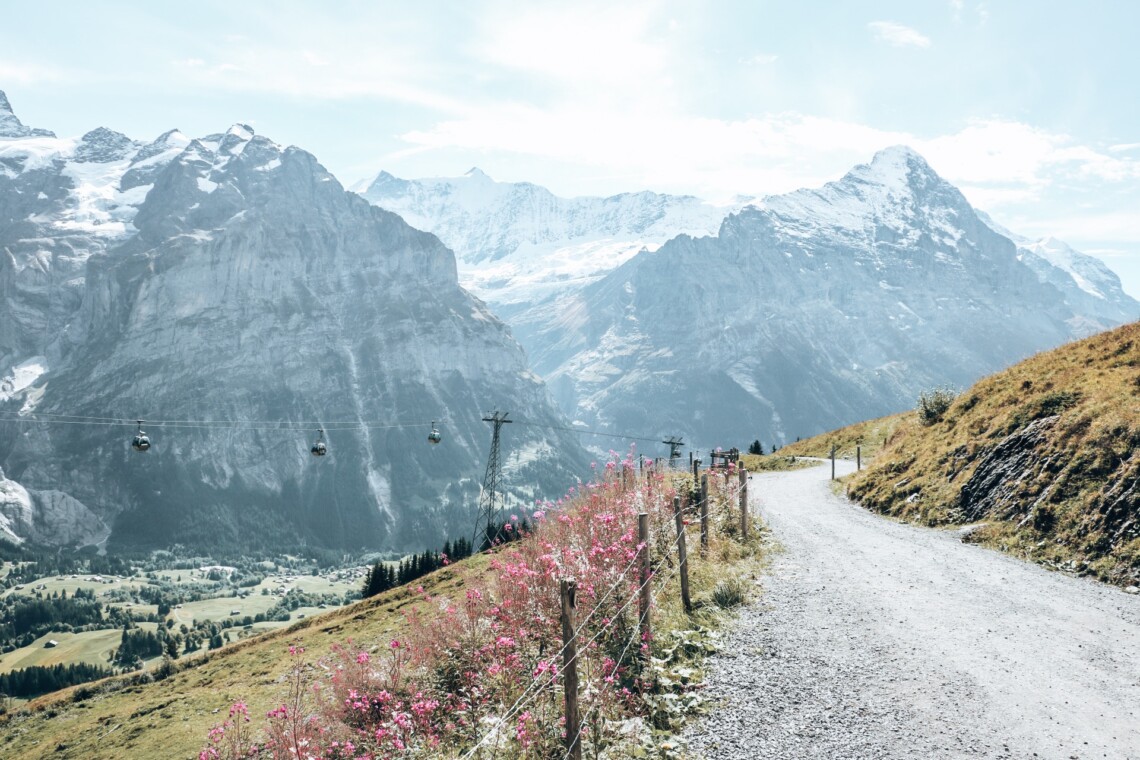
With its snow-capped mountains, cascading waterfalls, and quaint alpine towns that look straight out of a postcard, it’s no surprise that Switzerland stole my heart several years back while studying abroad.
Over the past few months, I’ve been craving the great outdoors. Getting outside does something to me mentally, it’s like hitting a reset button and it’s a way for me to declutter my thoughts, even if it’s only for the day.
Every time I go back home to California I always try to make an effort to head to the mountains, but with little time and few weekends free, it always stays a pending plan until I can return again. And while there are many hiking trails outside of Barcelona, it becomes a bit of a challenge without a car.
This article may contain affiliate links, which means I may earn a small commission if you make a purchase, at no additional cost to you. Thank you for supporting FMC!
Short on Time? Here’s Where to Stay in Interlaken
- Hotel Interlaken: A historic, centrally located pick just a 5-minute walk from Interlaken Ost, great budget-to-mid-range option close to the trailhead connections.
- Swiss Hotel Apartments: Spacious apartments with kitchenettes right by Interlaken Ost, ideal if you’re staying several days or traveling with family.
- Metropole Swiss Quality Hotel: Central location with some of the best in-town views of the Jungfrau, plus a panoramic restaurant right on site.
- Hotel Royal St. Georges Interlaken – MGallery: A beautiful Belle Époque property with mountain views and a proper wellness area, a step up without leaving the town center.
- Victoria-Jungfrau Grand Hotel & Spa: The luxury pick, set between Lake Thun and Lake Brienz with the Jungfrau as a backdrop, as iconic as Interlaken hotels get.
Key Takeaways
- Hiking in Interlaken means easy access to the Bernese Alps and Jungfrau region, with Interlaken Ost as your main gateway by train, gondola, or bus
- Trails range from easy, flat paths like the Aare Gorge and lakeside routes along Lake Brienz to steep climbs with real elevation gain, like the hike from Stechelberg through Gimmelwald to Mürren
- Harder Kulm and Lake Bachalpsee are the most popular hikes for breathtaking panoramic views, while Schynige Platte and Brienzer Rothorn offer quieter routes away from the crowds
- A Swiss Travel Pass covers most of the trains and gondolas used to reach these trailheads, and is worth it if you’re planning more than a couple of hikes
Getting to Interlaken and Getting Around: Practical Logistics
Before you hit the trails, here’s what you actually need to know to get to Interlaken and move around the Bernese Alps once you’re there.
- Main gateway: Interlaken Ost is the primary train station and your main hub for connecting to trailheads throughout the Jungfrau region
- Getting to Interlaken: Direct trains run regularly from Zurich (about 2 hours), Bern (about 50 minutes), and Geneva (about 3 hours), making it an easy add-on to most Switzerland itineraries
- Swiss Travel Pass: Covers most trains, buses, and boats across Switzerland, plus discounts on many mountain gondolas and funiculars in the region, worth it if you’re planning more than two or three hikes
- Gondolas and funiculars: Many of the best hikes here (Harder Kulm, Schynige Platte, Brienzer Rothorn) start with a gondola or cogwheel train ride, so budget extra time and cost for these connections
- Local trains within the region: Small regional trains connect Interlaken to towns like Lauterbrunnen, Grindelwald, and Wengen, and are frequent enough that you rarely need to plan far ahead
- Getting between trailheads: Some hikes (like Mürren to Grütschalp) end at a different point than they start, so check train and gondola schedules for your return trip before you set out
- Parking: If you’re driving, note that several trailheads in the Jungfrau region are car-free zones (like Wengen and Mürren), meaning you’ll need to park in a valley town and take a gondola or train up
Booking a Trip to Interlaken, Switzerland
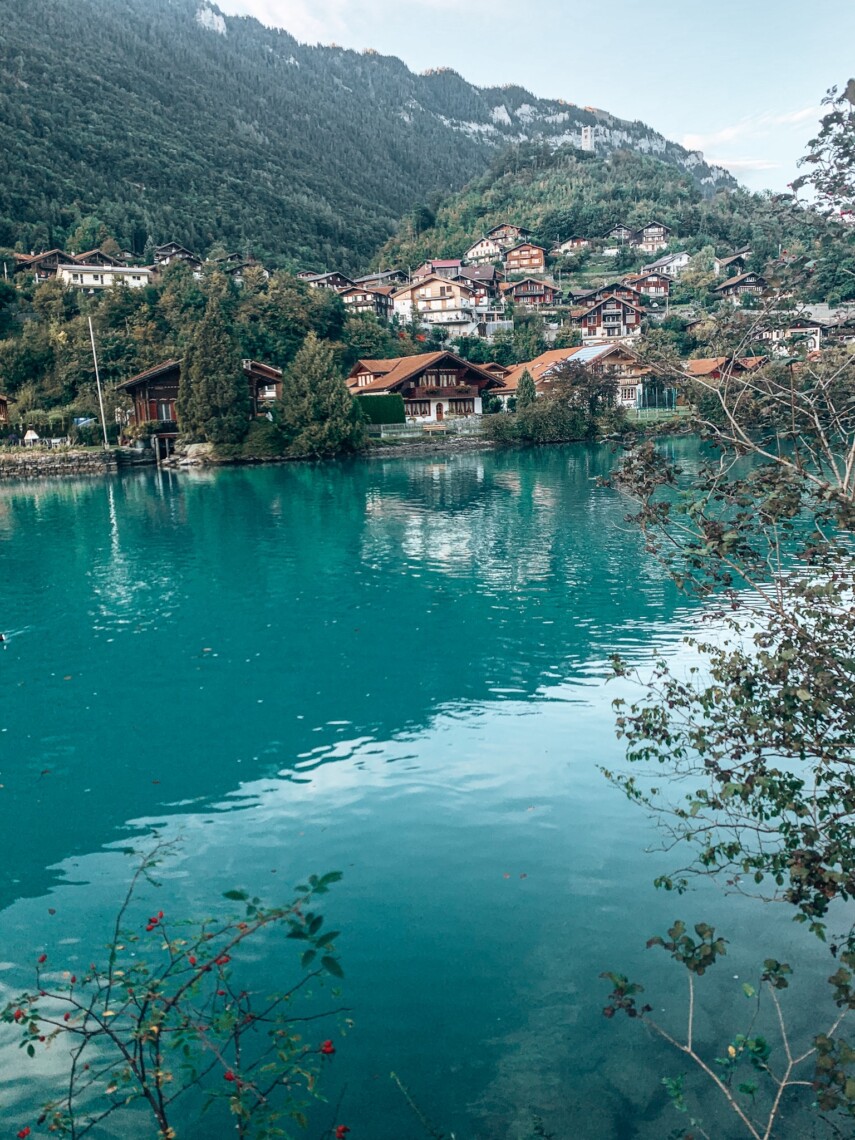
Now, Interlaken, Switzerland was a place I had previously visited. It’s rolling hills, dramatic landscapes, and natural beauty completely blew me away, making it a destination I knew I would eventually come back to.
So, one morning while restlessly craving the outdoors, I impulsively bought a plane ticket to Switzerland. Since my trip to Interlaken was such a last-minute decision, I knew I’d have to go alone. Which normally I wouldn’t mind, but the thought of hiking solo and having to figure out the Swiss train system did put a bit of fear in me.
Even with my hesitation, I knew now was the perfect time to do it. If not, it just wouldn’t happen. Plus, I knew a little solo trip and hiking alone in the Swiss alps would be a good challenge for myself.
So, that’s exactly what I did. I booked a ticket to Zurich, Switzerland, where I’d be spending 24-hours exploring the city before heading to the alps for an Interlaken hiking adventure.
Using Interlaken As a Home Base
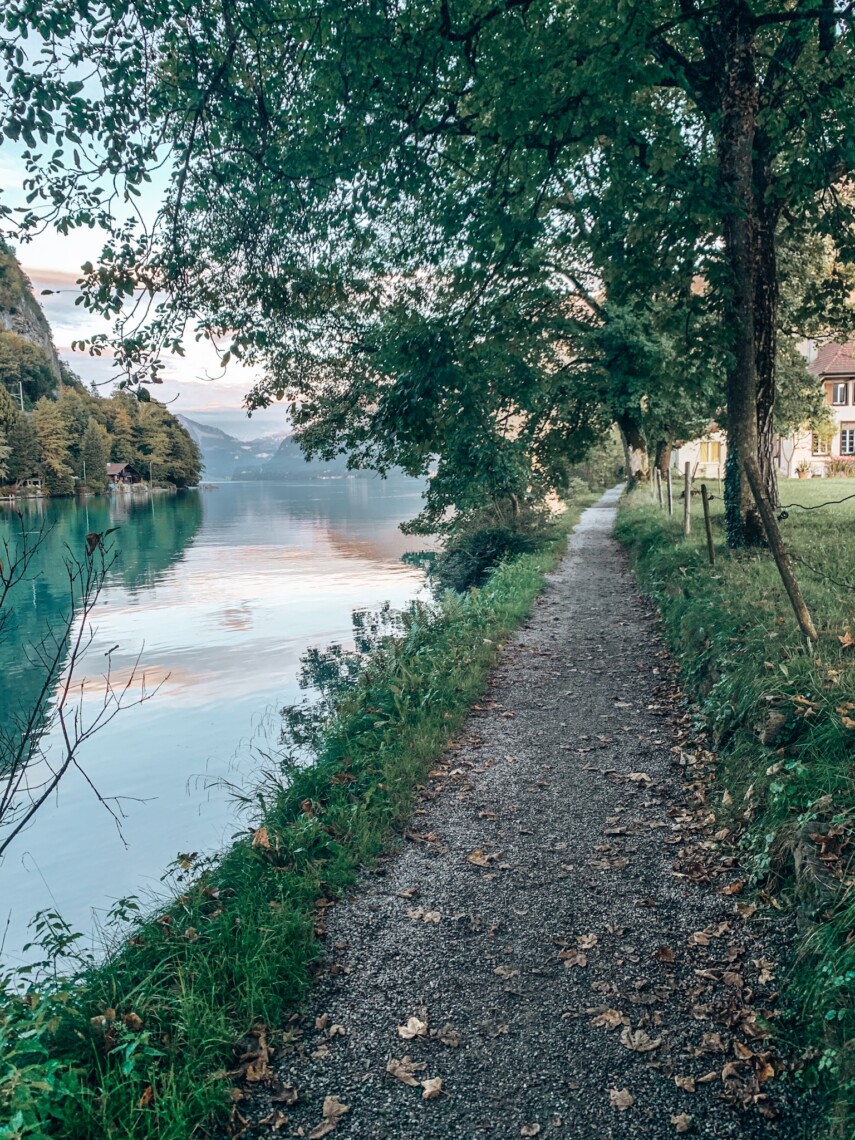
If there was a heaven on earth, Interlaken would be it. Centered between two stunning turquoise lakes, Lake Thun and Lake Brienz, and surrounded by snow-capped mountains, Interlaken paints a scenic backdrop that is quaint yet captivating. The center offers a variety of different restaurants, bars, and eateries as well as hotel and hostel options for all kinds of travelers.
While Interlaken is one of the largest alpine towns within the area, I prefer staying here because of the convenience it offers. If you are looking to stay in a more quaint town deeper into the mountains, go for Lauterbrunnen or Grindelwald.
While I can go on and on about how great this trip was for me mentally and how it helped to boost my confidence while traveling, I’ll save that for another post about the benefits of traveling solo. What I do want to cover though are some of my favorite hikes that I did while in the Bernese Oberland region of Switzerland and teach you how to plan the perfect mountain escape yourself.
Best Hikes to Do Near Interlaken, Switzerland
Harder Kulm
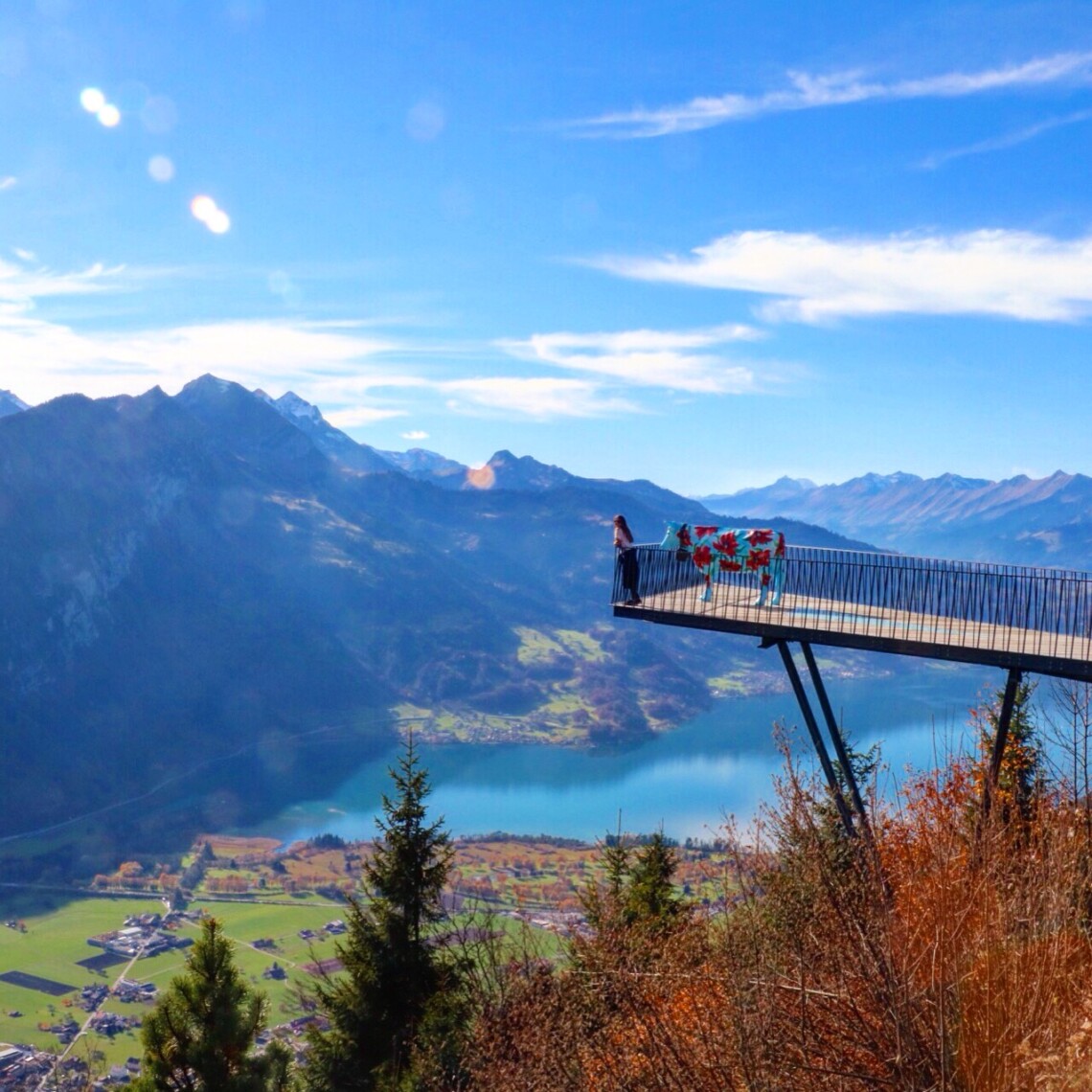
One of the most popular hikes in Interlaken is the Harder Kulm trail. Starting from the Interlaken Ost train station, this moderate hike takes you up to the summit of Harder Kulm, offering breathtaking panoramic views of Interlaken, Lake Thun, and the surrounding Bernese Oberland. As you ascend, you’ll be rewarded with incredible views of the Interlaken valley below. It is a great place to get a bird’s-eye view of Interlaken in General.
Now, I wouldn’t say this is necessary an easy hike. This hike takes about 1.5 hours each way and offers spectacular views of the town below. However, as with many hikes in this region, there are no flat sections. The trail goes straight up and straight down. If you prefer some amazing views and less hiking, you can always ride the funicular up the mountain that will take you right to the top.
The Rugen
One of the easiest hikes in Interlaken is the Rugen. The trailhead starts close to the middle of town and only takes about 45 minutes to get to the top. Here you’ll be able to get a fantastic view of the two lakes and the city of Interlaken.
Lauterbrunnen to Stechelberg
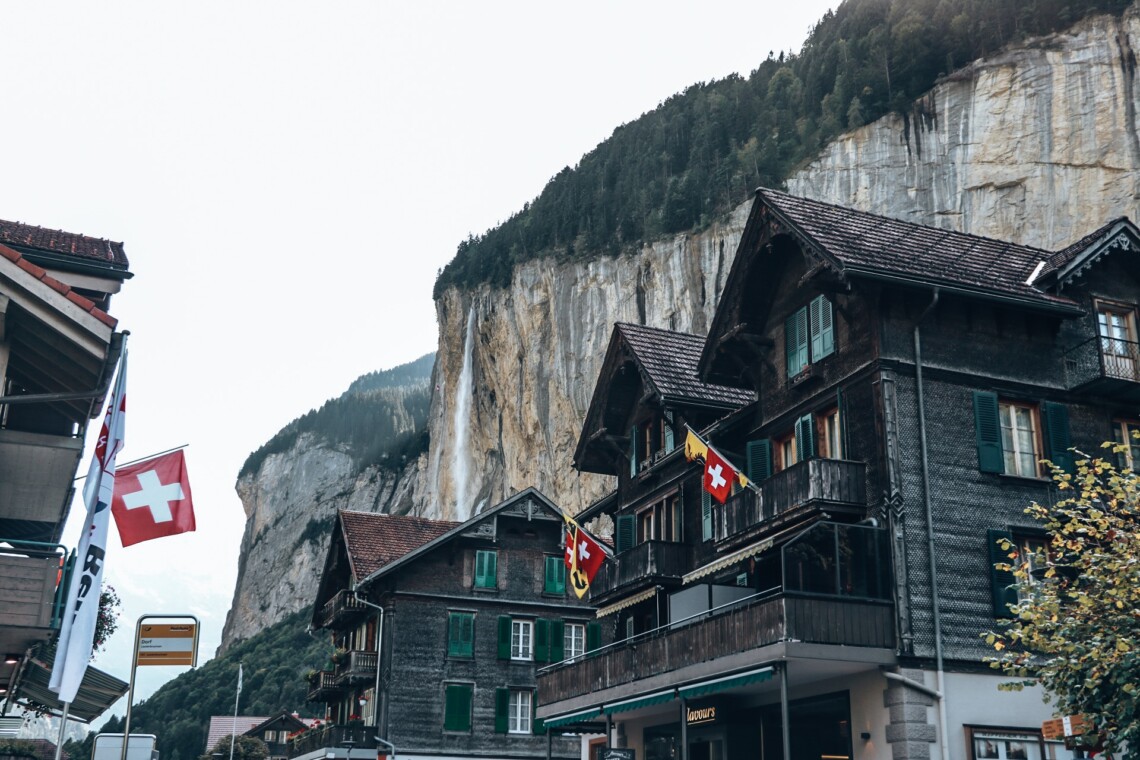
Whether you choose to do this hike or not, I highly suggest visiting the town of Lauterbrunnen. Like most of the remaining hikes, you’ll have to take a train to get to this town. Once there, you’ll see the famous waterfall cascading right above the wooden cottages that hug the surrounding hillsides, a view that is distinctly unique compared to the rest of the alpine towns I’ll be covering later on.
As far as the hike goes, this is an easy walk that covers the bottom of the valley floor and takes about 1.5 hours each way. You can always shorten it by cutting across or taking the bus back into Lauterbrunnen.
Twin Lakes Hike
For a serene and peaceful hike, visit the Twin Lakes. Starting from the small village of Saxeten, this trail takes you through meadows and forests, leading to the idyllic turquoise-colored Bachalpsee and the Oberläger Alpine hut. The Twin Lakes hike provides an opportunity to escape the hustle and bustle of town and immerse yourself in the tranquility of nature.
Kleine Scheidegg to the Jungfraujoch
If you’re seeking an epic adventure, consider hiking from Kleine Scheidegg to the Jungfraujoch, popularly known as the “Top of Europe.” This demanding hike takes you through the mesmerizing Lauterbrunnen Valley, offering stunning views of waterfalls, alpine meadows, and snow-covered peaks. At the Jungfraujoch, you’ll be rewarded with breathtaking panoramic views from the highest railway station in Europe.
Stechelberg to Gimmelwald to Murren
This hike has 823m elevation gain and takes about two hours from Stechelberg to Gimmelwald and another hour if you continue on to Murren. Reviews say this hike can be pretty steep and tiring, but worth it! The highlight of this trail is that you’ll get to witness adrenalin junkies go base jumping while hiking along the forest floor.
Murren to Grutschalp
This scenic train in the Bernese Oberland mountain range offers amazing views and only takes about an hour to complete. Its easy, flat trail crosses forests and grasslands while offering picturesque views of the surrounding snow capped mountains.
Schynige Platte
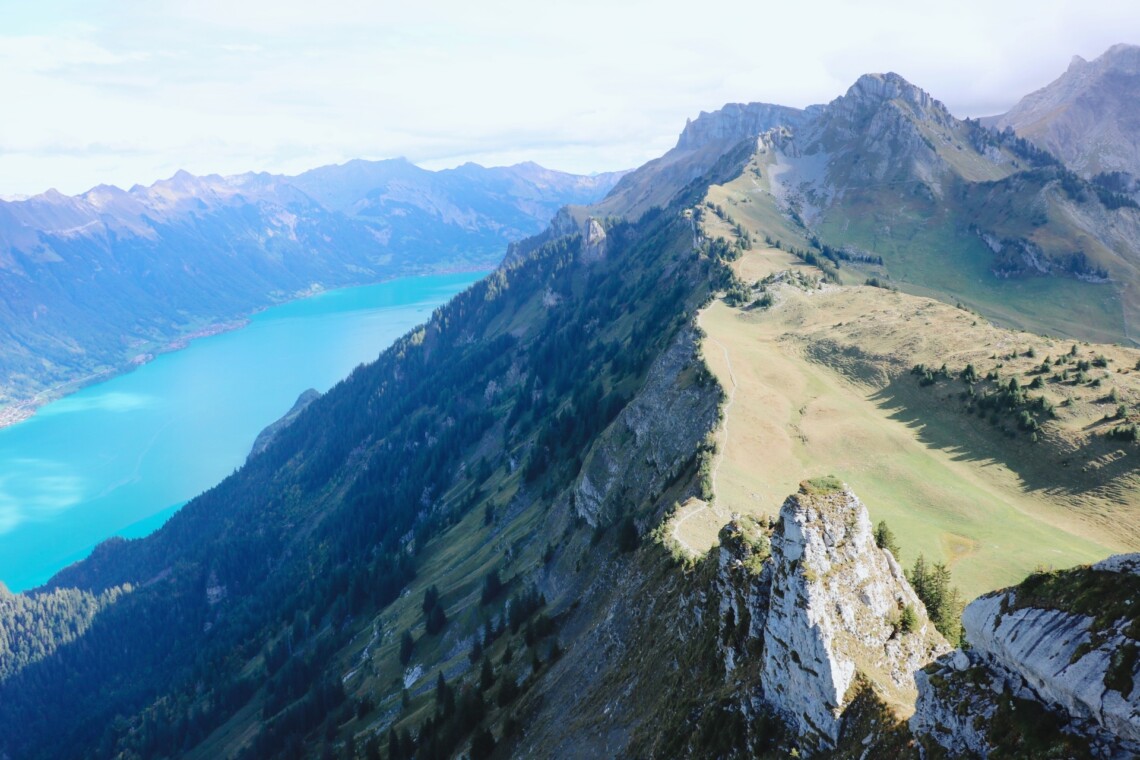
If you’re looking to really escape the crowds and get off the beaten path, I highly suggest heading to the Schynige Platte. While it may not be easy to get to (and can cost over 40 francs for one of the train rides), it was by far my favorite hiking trail. The historical train from Wilderswil to the Schynige Platte will drop you off right at the beginning of a variety of different trailheads. The Nature Cinema Loop Trail is easy and flat, serving as a great option for beginner hikers.
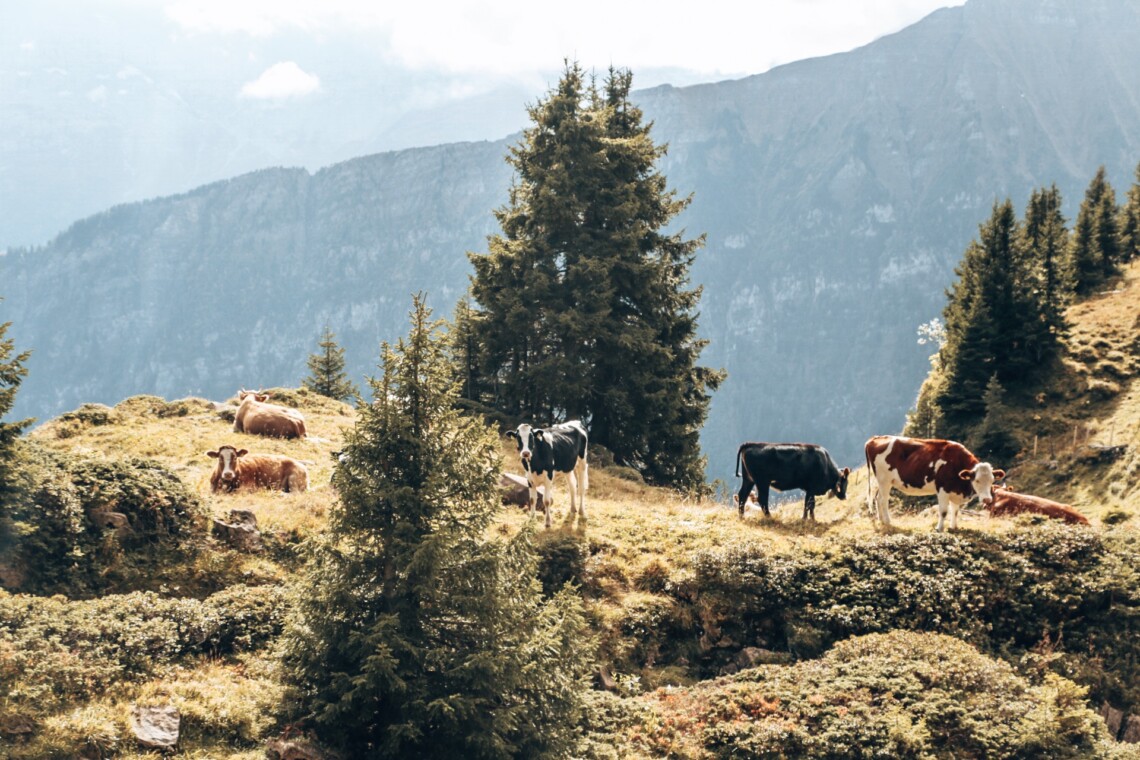
My favorite memory of this hike was walking along a sunny and lush path with no other humans in sight. The mountain breeze carried the echoing sound of cowbells, creating a symphony of chimes as I walked alone for hours. While it might be a journey in and of itself to get there, it’s 100% worth it.
Lake Bachalpsee
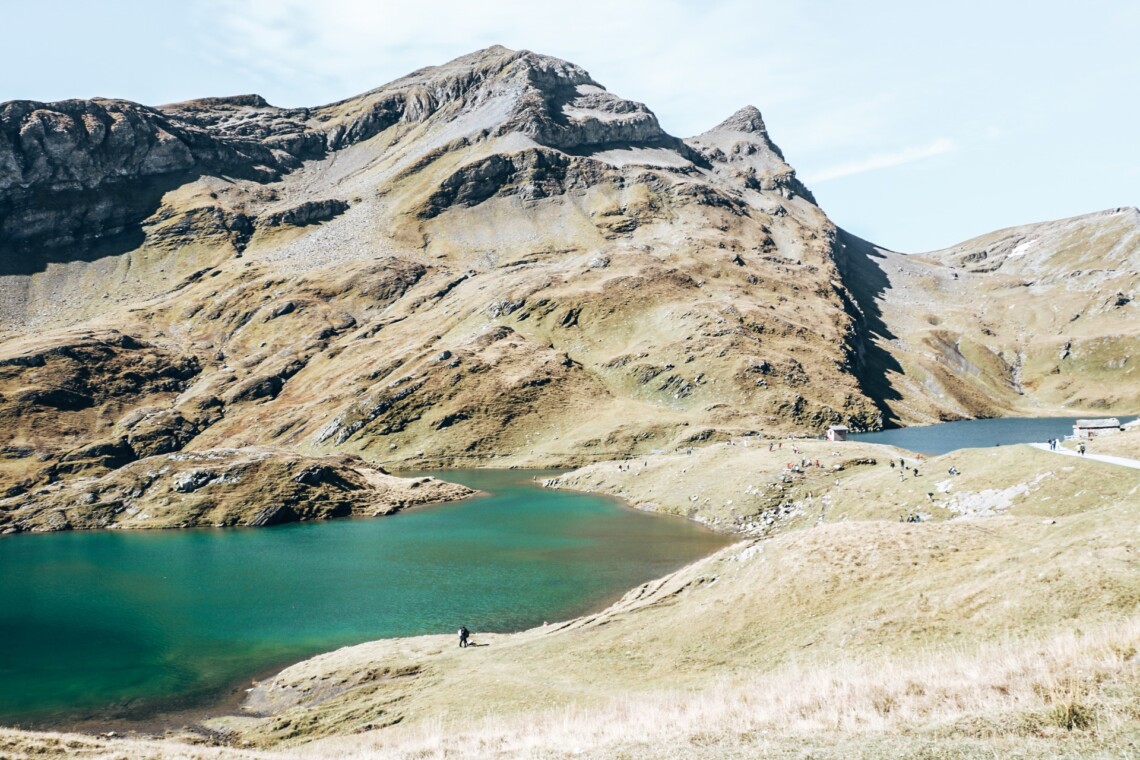
If you want to do an easy yet scenic trail outside of Grindelwald, take the gondola to First. From First, stop and do the cliff walk before heading to Lake Bachalpsee. While the trail is easy and stunningly beautiful, what I didn’t like about it was how many other people I had to share it with. I slightly felt like I was at Disneyland, which for me kind of took away from the experience. However, If you just want to do a nice walk and don’t mind the crowds, come and explore this tucked-away gem.
The Bernese Oberland region in Switzerland offers endless hiking trails and stunning natural wonders to explore. If I can give you one piece of advice it would be to do as much research as possible ahead of time. Some of these trails can take an entire day when you factor in the funiculars and train rides, so plan accordingly if you want to see as much as possible.
At the end of the day, I highly recommend planning a trip to Interlaken. Whether you are a nature enthusiast or not, planning a trip to this mountain escape is exactly what you need to clear your mind and hit that reset button.
Aare Gorge (Aareschlucht)
Just outside Meiringen, about 30 minutes from Interlaken, the Aare Gorge is one of the easiest and most dramatic walks in the region. A wooden boardwalk winds through a narrow limestone canyon carved by the River Aare, with turquoise water rushing just below you the entire way. It’s flat, well-maintained, and takes about an hour round trip, making it a great option if you want a serious “wow” moment without any real elevation gain. This one’s still on my list, but it’s high up there for my next trip back.
Brienzer Rothorn
Rising above Lake Brienz, the Brienzer Rothorn is famous for its historic cogwheel steam train, which has been hauling visitors to the summit since the 1890s. You can ride the whole way up, hike a section and ride the rest, or tackle the full route on foot for a proper day hike with sweeping views over Lake Brienz and the surrounding mountain peaks. It’s a good alternative to Harder Kulm if you want similar panoramic views with fewer crowds.
What to Pack: Hiking Boots and Trail Essentials for the Alps
You don’t need specialized gear for most of these trails, but a few essentials make a real difference in the Alps, where weather and elevation can shift fast.
- Hiking boots: For anything with real elevation gain (Mürren, Schynige Platte, Brienzer Rothorn), proper hiking boots with good ankle support and grip are worth it. For flatter, easier trails like the Aare Gorge or The Rugen, sturdy sneakers are usually fine.
- Layers: Even in summer, temperatures drop fast once you gain elevation or lose the sun behind a mountain. A light fleece or packable jacket is essential, even on a warm-looking day.
- Rain jacket: Alpine weather changes quickly, and a sudden shower is common even when the forecast looks clear.
- Sun protection: Sunglasses, sunscreen, and a hat matter more than you’d expect at elevation, where UV exposure is stronger.
- Plenty of water: Many trailheads don’t have reliable refill points once you’re on the trail, so carry more than you think you’ll need.
- Trekking poles: Not essential, but genuinely helpful on steeper descents like the one down from Mürren.
- Snacks: Huts and kiosks exist on some routes, but don’t count on them being open, especially outside peak summer months.
If you’re building out a full packing list for your broader Europe trip, my complete Europe packing list covers everything else you’ll want beyond the trail-specific gear here. Or, you can also check out my guide on what to pack for a trip to the Dolomites, which would have the same hiking gear recommendations.
FAQs About Hiking in Interlaken
Is hiking in Interlaken good for beginners?
Yes. Easy trails like the Aare Gorge, The Rugen, and the walk from Mürren to Grütschalp are flat, well-marked, and don’t require any real elevation gain, making them great for beginner hikers or anyone short on time.
Do I need a Swiss Travel Pass for hiking near Interlaken?
Not strictly, but it’s worth considering. Many trailheads in the Bernese Alps and Jungfrau region are only reachable by train, funicular, or gondola, and those costs add up quickly if you’re doing more than two or three hikes.
Can you hike near Interlaken in winter?
Some trails remain accessible as winter hikes or snowshoe routes, but many gondolas and higher-elevation trails close seasonally once the snow sets in. Always check current conditions before planning a winter hiking trip.
What’s the easiest hike near Interlaken?
The Aare Gorge and The Rugen are among the easiest options, with mostly flat paths and minimal elevation gain, both doable in under two hours.
What’s the most scenic hike near Interlaken?
Lake Bachalpsee is one of the most photographed hikes in the region for its breathtaking panoramic views, while Harder Kulm offers similarly stunning views right above Interlaken itself with far less effort.
How do I get to the trailheads from Interlaken?
Interlaken Ost is the main train station and gateway to most trailheads. From there, a mix of trains, gondolas, and buses connects you to the Jungfrau region and surrounding Bernese Alps.
How many days do you need for hiking in Interlaken?
At least three to four days if you want to properly explore the area. Many trails require train or gondola connections that take real time, so trying to pack too many hikes into one day usually backfires.
Do I need hiking boots for these trails?
For the easier lakeside paths, sturdy sneakers are usually fine. For anything with real elevation gain, like the climb to Mürren or Schynige Platte, proper hiking boots with good grip are worth having.
Final Thoughts: Hiking in Interlaken, Switzerland
Whether you’re chasing breathtaking panoramic views from Harder Kulm, tracing the lakeside path along Lake Brienz, or working your way up a steep climb toward Mürren, hiking in Interlaken delivers on every level. This is a holiday region built for exactly this kind of adventure, a place where the Bernese Alps and Jungfrau region meet, and where a short gondola ride can drop you into some of the most dramatic mountain scenery in Switzerland.
You don’t need to be an expert hiker to have a real hiking experience here. Between easy trails like the Aare Gorge, more moderate routes like Lake Bachalpsee, and full-day treks with serious elevation gain, Interlaken adapts to whatever kind of trip you’re planning. Grab a Swiss Travel Pass, pick a trail that matches your pace, and let the natural beauty of the surrounding mountain peaks do the rest.
However you choose to explore it, Interlaken has a way of reminding you why you started hiking in the first place.
Getting ready for a trip to Europe? Here are some other essential guides to check out:
25 Best Travel Gadgets to Add to Your Packing List
Carry-on Essentials You’ll Never Want to Travel Without
Long-Haul Flight Essentials: Everything You Need to Survive a Travel Day
Best Personal Item Bag for Flying: The Buyer’s Guide to Bags
No Comments