
Imagine you wait six months to travel to the Dolomites. You’ve planned your itinerary down to the last detail, every hike carefully mapped out. Then, to your surprise, the day you’re supposed to do your 12-mile hike to the most epic viewpoint, there’s zero visibility in the mountains. You spend the rest of the trip battling wind, rain, and thunderstorms.
Or maybe you experience the flip side. You arrive in mid-August thinking you can be spontaneous and figure things out as you go, only to find out you needed to book parking ahead of time because of the crowds that month brings. Every hike feels like waiting in line at Disneyland, swarms of people at every viewpoint, because you showed up in peak season.
In either scenario, you probably didn’t choose the best time to visit the Dolomites. Weather can be unpredictable no matter when you come, but there are specific months that hit the sweet spot: sunny skies, fewer crowds, and trails that actually feel like yours.
So, when is the best time to visit the Dolomites? The honest answer is that it depends on what kind of trip you want. But after several trips of my own (and a lot of trial and error along the way), I have some insight that can help you plan the perfect trip to this stunning region.
This article contains affiliate links, which means I may earn a small commission at no extra cost to you if you book or purchase through them. Thank you for supporting my blog!
Where to Stay: Best Hotels in the Dolomites
Cortina d’Ampezzo
- Luxury: Grand Hotel Savoia Cortina d’Ampezzo, a grand five-star with a full spa.
- Mid-range: Hotel de Len, a stylish modern hotel near the town center.
- Scenic splurge: Faloria Mountain Spa Resort, a charming chalet retreat outside town.
- Budget-friendly: Hotel Oasi, where I stayed. Great location with comfortable rooms.
Ortisei (Val Gardena)
- Luxury: Gardena Grödnerhof Hotel & Spa, Michelin star restaurant and wellness spa.
- Mid-range: Hotel Grones, a family-run favorite known for its warm atmosphere.
- Great for hikers: Garni Conturina, where I stayed. Family-run and in a perfect location.
Quick Answer: The Best Time to Visit the Dolomites Italy
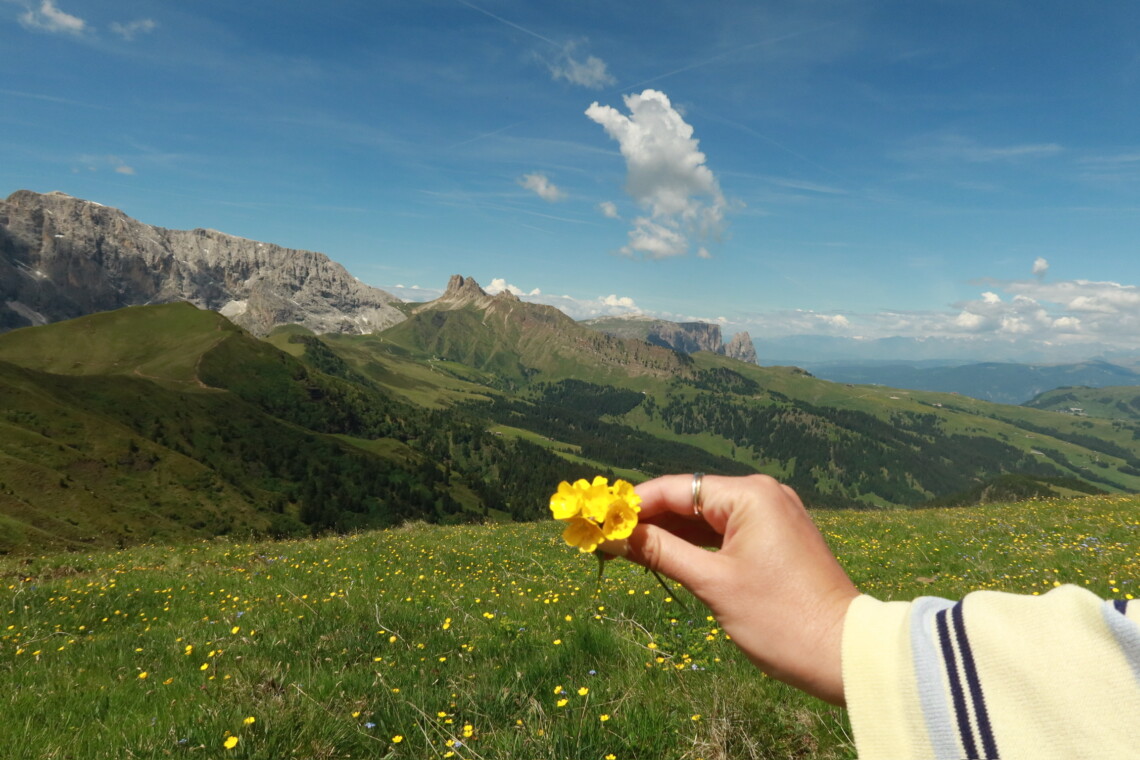
If I had to give you one answer, I’d say mid to late June through early September is the best time to visit Dolomites Italy for hiking, mountain huts being open, and reliably good weather.
I can speak to this firsthand. I’ve been to the Dolomites in both mid-June and mid-August, and without a doubt, my June trip was more enjoyable. Maybe we just got lucky, but we had zero rain that whole trip. In August, on the other hand, I dealt with thunderstorms almost every night.
But within that window, there’s a lot of nuance, and the “best” month really shifts depending on whether you want fewer tourists, the best wildflowers, or the clearest mountain biking trails.
Here’s a breakdown I would give to anyone planning a trip to the Dolomites.
Dolomites Weather: What to Expect
Dolomites weather is famously unpredictable, and that’s not me being dramatic. I’ve hiked in shorts and a t-shirt at 9am and been caught in a thunderstorm by 1pm on the same trail. The mountains create their own microclimates, and afternoon thunderstorms are common in summer, especially in July and August.
My biggest tip? No matter what season you come in, bring lots of layers so you can comfortably do all the famous things to do in the dolomites! Even though we had sunny skies in June, I still ended up wearing pants almost every day because the temperature would change on us so quickly higher up in the mountains.
Here’s a breakdown of the Dolomites weather by season:
- Spring (April to early June): Snow is still melting at higher altitudes, many mountain huts and ski resort lifts haven’t reopened yet, and trails can be muddy or impassable. Beautiful for road trips through the valleys, but not ideal for serious hiking. In fact, I saw many videos of people visiting just two weeks before me and they had rain, snow, and quite frankly miserable conditions on their hikes.
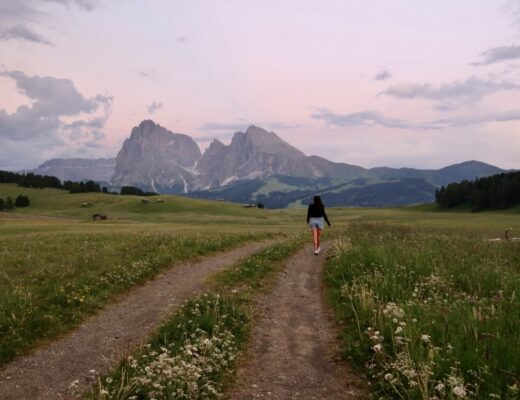
- Summer (June to September): This is peak hiking season. Trails are clear, rifugio huts are serving incredible local dishes throughout the mountains (honestly this is my favorite part about hiking in this region), and the wildflowers in places like Alpe di Siusi are unreal in June. With that being said, August can be incredibly busy, which is why I’d recommend mid June to mid July or even early September to avoid this month.
- Autumn (September to early October): The crowds thin out, the larch trees turn gold, and the air has that crisp mountain clarity. Early October can bring the first snow at higher elevations though, so pack layers. While I’ve never been in Autumn, it is high on my bucket list.
- Winter (December to March): A completely different Dolomites. This is ski resort season, with Alta Badia and the Val Gardena lift system among the most famous in the Alps. If you are a big skier, consider coming to the Dolomites in winter.
Best Time to Hike Dolomites: My Honest Take
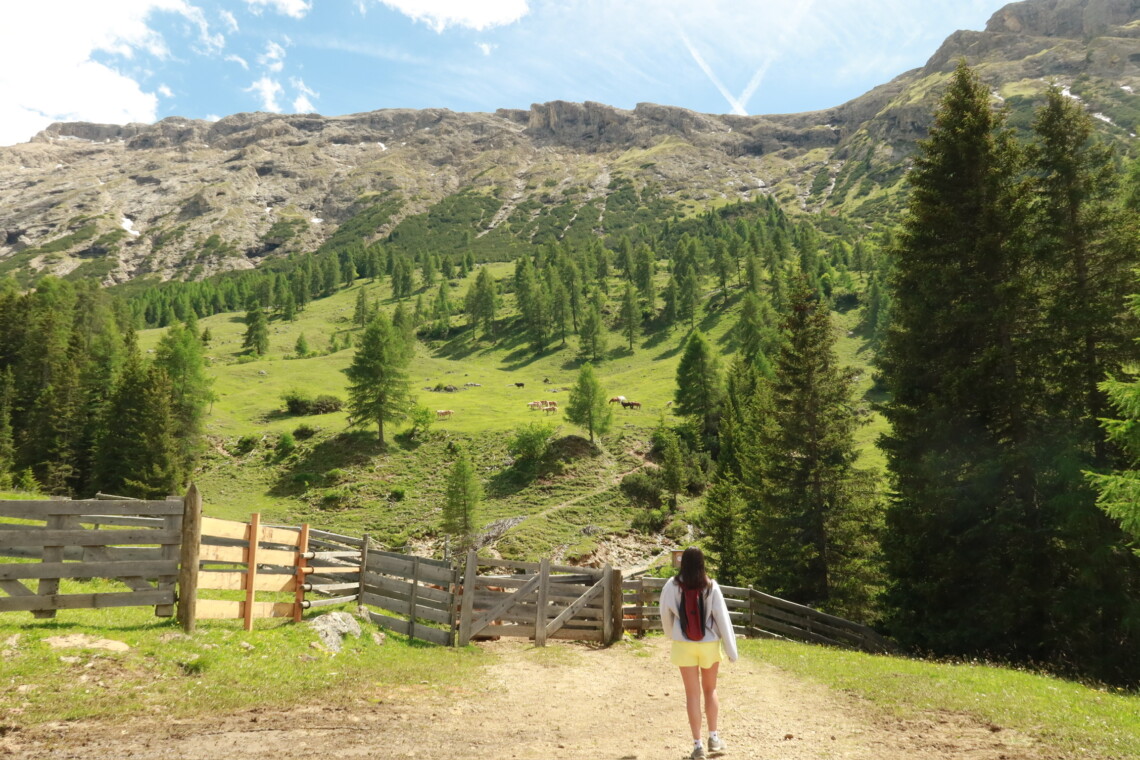
If hiking is your main goal, the best time to hike Dolomites is mid-June through mid-September, with a sweet spot in late June and again in early September (once again, try to avoid August if possible). There are so many incredible hikes in the Dolomites, and I just feel like you can’t fully enjoy them when you’re battling crowds everywhere you go.
Here’s why I love those two windows specifically:
Late June gives you long daylight hours, mostly clear trails, wildflowers everywhere (this was also another reason I loved coming in June), and a hiking season that hasn’t hit its peak crowds yet. The famous Alta Via trails (Alta Via 1 and 2 especially) are usually snow-free by this point, though I always check conditions for any sections above 2,500 meters before committing to a multi-day route.
Early September is also another great option for good weather and lesser crowds. The summer heat has broken, the July and August crowds have gone home, and you get golden afternoon light that makes every viewpoint look like a postcard. Mountain huts are still open (most close mid-to-late September), so you can still do hut-to-hut routes without carrying a full camping setup.
July and August are technically peak hiking season and the weather is the most reliable, but it’s also high season for tourism across the board, so expect busy trailheads, full parking lots near places like Cinque Torri and Lake Misurina (some trails you even have to reserve parking days in advance), and reservations are much harder to get or popular mountain huts.
Region by Region: Where to Go and When
The Dolomites aren’t one single place, they’re a whole network of valleys and mountain ranges across South Tyrol, Alto Adige, and into the Brenta Dolomites further west. Here’s how I think about timing for a few of my favorite spots.
Val Gardena and Alta Badia
These two valleys in South Tyrol are where I always send first-time visitors. Val Gardena has incredible access to Passo Gardena and some of the most scenic mountain pass driving I’ve done anywhere in northern Italy. Alta Badia is a little quieter, with gorgeous hiking around the Sella massif. Both are best from late June through September, and both turn into excellent ski resort towns come winter.
Val Badia and Val di Funes
Val Badia is right next to Alta Badia and shares a similar hiking season. Val di Funes, though, is the one that lives in everyone’s Instagram feed, that little church (Santa Maddalena) framed by the Odle peaks behind it. I’d actually argue early June or late September are the best times to photograph it, since the light is softer and there are fewer cars clogging the narrow valley road.
Val di Fassa and the Brenta Dolomites
Val di Fassa sits a bit further south and makes a great base if you’re doing a road trip through the wider Trentino region. The Brenta Dolomites are technically a separate, more rugged range a bit further west, and I’d only recommend them to hikers who want something more remote and dramatic, with fewer fellow travelers on the trail.
San Candido and Lake Misurina
Up near the Austrian border, San Candido is one of the prettiest little towns in the Dolomites, and it makes a great jumping-off point for day hikes. Nearby, Lake Misurina and the short hike to Lago di Sorapis (one of the most striking turquoise lakes I’ve ever seen, hands down) are both best visited June through September when the water is at its most vivid blue-green color.
Alpe di Siusi and Cinque Torri
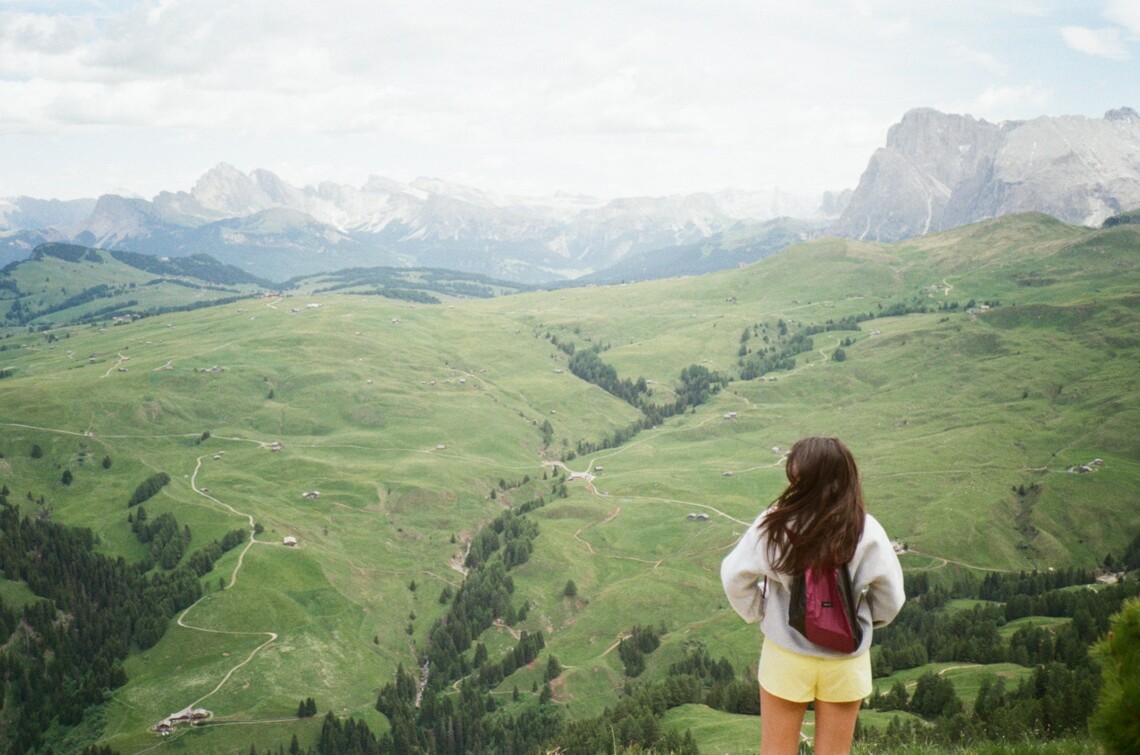
Alpe di Siusi is the largest high-altitude alpine meadow in Europe, and it’s worth visiting almost any time hiking season is open, though June for wildflowers. Cinque Torri, with its dramatic rock towers and open-air WWI museum trail, is a shorter hike that works well as a half-day add-on to a longer trip.
High Season vs. Shoulder Season: Which Is Right for You?
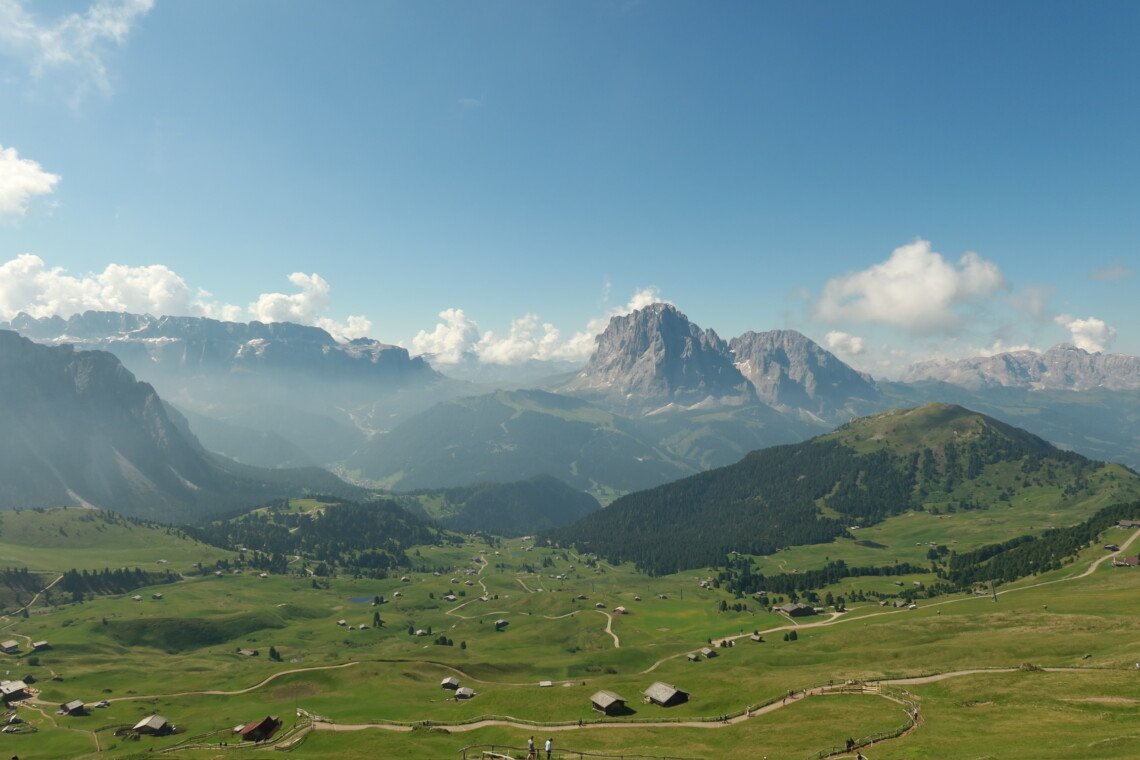
I get asked a lot whether it’s worth visiting during peak season at all, given how busy it gets. Here’s my honest take.
High season (July–August) gives you the most reliable weather and the fullest range of open huts, lifts, and services. It’s the safest bet if you only have one window to travel and want to minimize risk of bad weather ruining your trip.
Shoulder season (late June, early September, even early October) gives you fewer tourists and a quieter, more personal experience on the trail. The tradeoff is a slightly higher chance of an unpredictable weather day, and some higher-altitude huts closing earlier than you’d expect.
If I’m choosing for myself, I almost always pick shoulder season. I’d rather pack a rain jacket and have the trail to myself than fight for a table at a mountain hut in August.
A Few Practical Tips From My Own Trips
- Book mountain huts early if you’re doing any multi-day Alta Via route in summer. The popular ones fill up months ahead. I would book as early as December or February once reservations are open.
- Layer up regardless of season. Even in late June, temperatures at higher elevations can drop fast once the sun dips behind a ridge.
- Don’t skip eBiking through Alpe di Suisi One of my favorite experiences was eBiking through this stunning area. The roads are well maintained and connected, making it easy for you to explore on two wheels.
- Check reservations Some of the most popular hiking trails in the region require reservations for parking. Do your research ahead of time to know what needs to be booked in advance so you don’t run into any issues while you’re there.
FAQ: Best Time to Visit the Dolomites
What is the best month to visit the Dolomites?
Mid to late June and early September are my top picks. You still get a full hiking season with open mountain huts and reliable weather, but without the heavy crowds that hit in July and August.
What is the best time to visit the Dolomites for hiking?
Hiking season runs roughly mid-June through mid-September. If you want my honest opinion, late June and early September are the sweet spot since trails are clear, huts are open, and you’re not sharing the trail with as many people.
Is it better to visit the Dolomites in June or August?
From my own experience, June. Earlier in the season means fewer crowds and easier parking at popular trailheads.
Do I need to book parking in advance in the Dolomites?
Yes, especially in peak season. Several of the most popular trails require parking reservations days in advance, particularly around Alpe di Siusi and Tre Cime de Lavaredo in July and August.
What’s the best place to base yourself in the Dolomites?
It depends on what you want to see. I personally stayed in Ortisei and Cortina d’Ampezzo, which are great all-around bases in South Tyrol with easy access to driving and hiking.
Can you visit the Dolomites in winter?
Absolutely, it’s just a completely different trip. Winter turns the region into ski resort season, with Alta Badia and the Val Gardena lift system among the most famous in the Alps. It’s worth a visit if skiing is more your thing than hiking.
Is it worth visiting the Dolomites during peak season?
Honestly, yes, even with the crowds. I’ve visited during high season and still found it worth it. You’ll just want to book mountain huts and parking well in advance, and expect more people at every viewpoint.
What should I pack for hiking in the Dolomites?
Layers, no matter the season. Even on sunny June days, temperatures dropped fast at higher elevations once the sun moved behind a ridge, so I ended up wearing pants most days despite the warm forecast.
My Final Verdict on the Best Time to Visit the Dolomites
If you want the single best month, I’d say mid to late June or early September. You get the best of both worlds: a full hiking season, open huts, good weather odds, and noticeably fewer crowds than the heart of summer.
But honestly, there’s no truly bad time to fall in love with these mountains. I’ve now visited several times, even in peak high season, I’d say it was still worth a visit. That’s part of why I keep going back.
Planning a Dolomites trip? Here are a few more guides to help you plan:
- The Best Things to Do in the Dolomites: Hikes, Drives, & Towns
- Tre Cime di Lavaredo Hike: The Complete Guide (2026)
- Where to Stay in the Dolomites: The Best Hotels for Every Budget
- Lago di Sorapis: The Complete Guide to Hiking This Famous Dolomites Trail
- Dolomites Hiking Guide: Best Hikes in the Dolomites
- My Complete 9 Day Dolomites Itinerary: Hikes, Rifugios, and Where to Stay
- Dolomites Hiking Guide: Best Hikes in the Dolomites
- Everything You Need to Know About the Cadini di Misurina Hike in the Dolomites
- The Ultimate Dolomites Packing List for Summer
- Cortina d’Ampezzo Travel Guide 2026: Hotels, Hiking & How to Get There

No Comments