
Packing for a ski trip always feels deceptively simple. You know you’ll need warm clothes, ski gear, and something cozy for après-ski, but once you actually start packing, the questions pile up fast. How many layers are enough? What’s essential versus overkill? And how do you pack efficiently without turning your suitcase into a chaotic snow globe of jackets and socks?
This 2026 ski trip packing list breaks down what to pack for a ski trip in a way that’s practical, grounded, and easy to tailor to your plans. Instead of a one-size-fits-all checklist, it offers a thoughtful ski trip packing list you can adjust based on where you’re going, how you travel, and what helps you feel most comfortable.
Ski Trip Packing List: Plan for Conditions, Not Just Cold
One of the biggest mistakes people make when packing for a ski trip is assuming colder automatically means heavier. In reality, skiing keeps you moving, which means your body generates heat quickly. The goal isn’t to bundle up endlessly, it’s to layer smartly, regulate temperature, and stay dry.
Before you pack anything, take a few minutes to check the forecast for your ski resort, look at typical daytime temperatures, and consider how many days you’ll actually be skiing versus relaxing. This small step alone can save you space, weight, and stress.
Ski Clothing: How to Dress for the Mountain
Outer Layers: Jackets and Pants That Do the Heavy Lifting
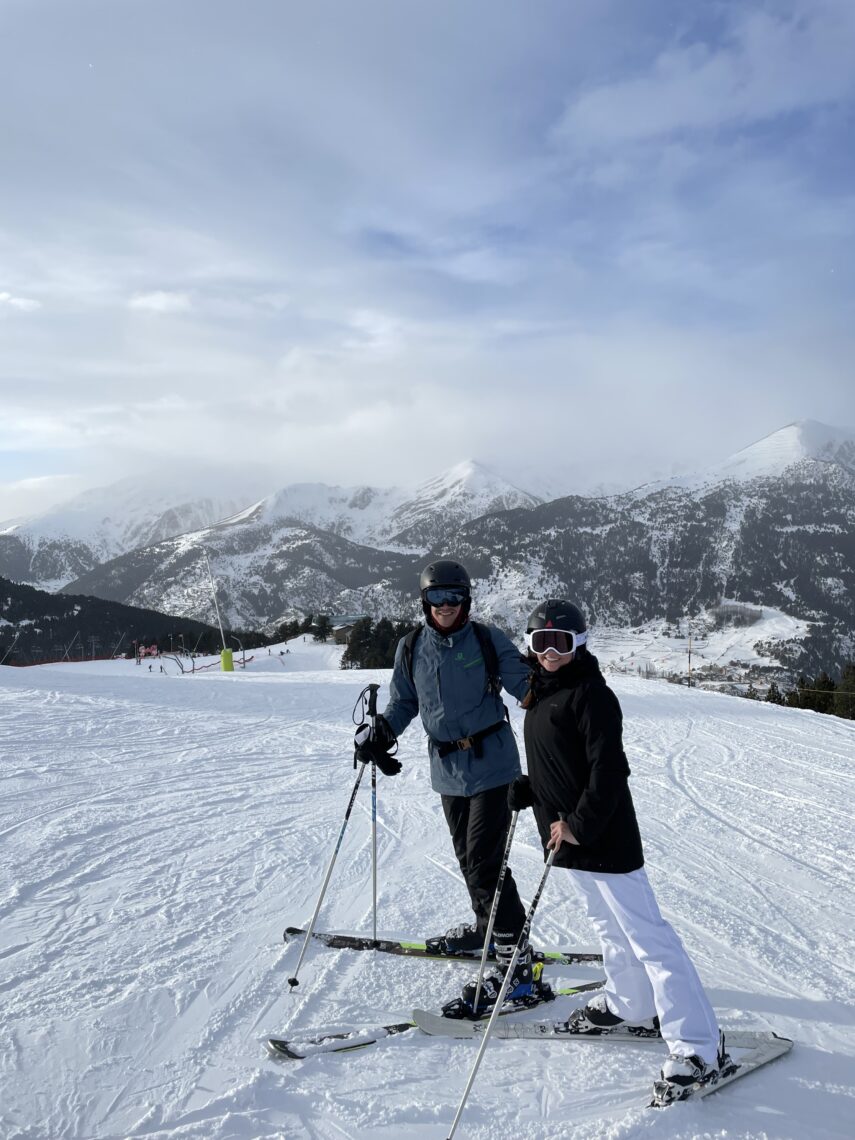
Your outerwear is the backbone of your ski trip essentials. A well-made ski jacket protects you from wind, snow, and moisture while allowing your body to breathe during long days of skiing. If you’re investing in one key item, make it a waterproof ski jacket with reliable insulation and ventilation.
Rather than packing multiple jackets, one high-quality jacket paired with layers underneath is almost always enough. The same logic applies to ski pants or snow pants. You want something waterproof, comfortable, and flexible enough to move with you, not against you. Bulky pants can actually make skiing harder, so look for warmth without excess weight.
Base Layers: The Unsung Heroes
Base layers may not be glamorous, but they quietly determine how comfortable you’ll feel all day. Moisture-wicking materials like merino wool or technical synthetics keep sweat away from your skin, which is critical in cold weather. Cotton, on the other hand, holds moisture and chills quickly—best left at home.
Most ski trips only require two or three base layer sets, even if you’re skiing several days in a row. They dry quickly and can be rotated easily, which helps keep packing manageable.
The Small Things That Matter More Than You Expect
Socks, Gloves, and Goggles
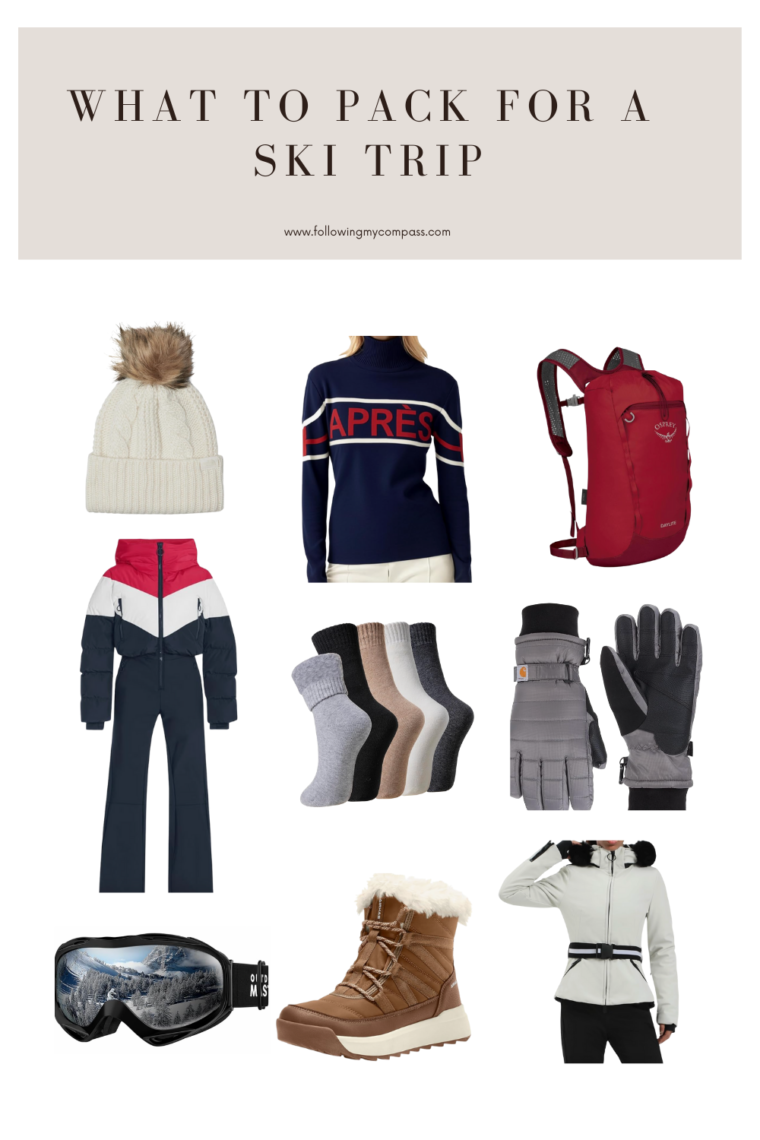
Few things ruin a ski day faster than cold feet or foggy vision. Ski socks are designed to provide warmth without bulk, allowing your ski boots to fit properly and maintain circulation. Packing multiple pairs ensures you always have a dry option.
Your hands take a beating on the mountain, so ski gloves or mittens should be waterproof and insulated. Many seasoned skiers also bring a thinner liner glove for especially cold mornings.
As for ski goggles, they’re essential for visibility in snow, wind, and bright alpine sun. Even on overcast days, glare from snow can strain your eyes quickly.
- Thermal socks
- Long wool socks for skiing
- Skiing gloves
- Skiing mittens
- Fleece lined gloves
- Ski goggles
- Wool neck gaiter
Ski Gear: Bring It or Rent It?
Whether you pack your own ski equipment or rent at the ski resort depends on experience, comfort, and logistics. Beginners or travelers flying long distances often find renting skis, ski boots, and poles far easier. Rentals also allow you to adjust equipment if conditions change.
More experienced skiers may prefer bringing their own skis, ski boots, or snowboard, especially if fit and performance matter to them. If you do bring gear, invest in a durable ski bag or snowboard bag, and consider a separate boot bag to keep everything organized and protected during travel.
Après-Ski and Off-Mountain Clothing
A ski trip isn’t just about skiing. Evenings, rest days, and village strolls deserve just as much thought.
After hours on the slopes, slipping into dry, comfortable clothes feels like a luxury. Snow boots or insulated winter boots make walking around town far more pleasant than clomping through snow in ski boots. When it comes to clothes, aim for a relaxed mountain casual vibe—warm sweaters, leggings or jeans, and layers you can adjust easily.
You don’t need elaborate outfits. Comfort, warmth, and versatility matter far more than variety.
- Snow boots
- Cable knit sweater
- Apres ski sweater
- Fleece zip up jacket
- Long sleeve shirt
- Beanie
- Earmuffs
- Winter headband
- Scarf
- Puffer down vest
- Warm pajamas
Travel Essentials That Make the Trip Smoother
Some of the most valuable ski trip essentials aren’t worn at all. A small backpack is perfect for carrying water, snacks, sunscreen, and extra layers during the day. If you’re flying, a travel pillow and a few simple comforts can make long journeys significantly easier.
One item many travelers overlook is travel insurance. Skiing comes with inherent risks, and having coverage provides peace of mind, especially if weather, injury, or delays disrupt your plans.
- Small ski backpack
- Water bottle
- Sunscreen stick
- Hydrating lip balm
- Headphones
- Walkie talkies
- Hand warmers
Packing Smarter: Organization Without Overthinking
Instead of stuffing everything into one suitcase and hoping for the best, a little organization goes a long way. A packing cube helps separate ski clothing from everyday clothes, while rolling bulky items like jackets and ski pants can save space.
If you’re traveling with your own gear, padding skis or snowboards with clothing inside your ski bag offers protection and frees up suitcase space. Always keep essentials like base layers and socks in your carry-on in case checked bags are delayed.
How to Pack for a Ski Trip Without Overpacking
Overpacking is the most common ski trip mistake, and the easiest to avoid. Focus on pieces that serve multiple purposes. A single jacket can work for skiing and evening walks. Base layers double as sleepwear. Ski pants don’t need daily washing.
If you’re unsure whether you’ll need something, ask yourself how often you’ll realistically use it. If the answer is “maybe once,” it probably doesn’t need to come.
Special Considerations for a Family Ski Trip
Packing for a family ski trip adds complexity, but the principles stay the same. Children tend to need extra socks and gloves, and labeling gear helps avoid confusion at ski school or during lessons. Comfort items, snacks, and flexible layers can make long days far more enjoyable for everyone.
If anyone is taking a ski lesson, pack patience along with the gear. Lessons often involve waiting, stopping, and adjusting equipment, which means warmth and comfort matter even more.
Final Thoughts: Pack With Intention, Not Anxiety
A ski trip should feel energizing, not stressful. When you focus on how to pack for a ski trip thoughtfully, prioritizing comfort, versatility, and conditions, you free yourself up to actually enjoy the experience.
This guide isn’t about bringing everything. It’s about bringing what supports you best on the mountain and beyond. With a smart ski trip packing list, you’ll spend less time worrying about gear and more time enjoying fresh snow, crisp air, and the quiet beauty that makes skiing so special.
Save this guide, adjust it for your destination, and head into your next ski holiday feeling prepared, confident, and ready for the mountain.




No Comments