
There’s a moment, and if you’ve been to Tossa de Mar, you know the one, where you round a bend on the coastal road and the whole town just appears below you. The turquoise Mediterranean Sea, the golden arc of the main beach, and that impossibly dramatic walled fortress rising up from the rocky headland.
Tossa de Mar is, without question, one of the most beautiful spots on the Costa Brava. It’s the one Costa Brava town that almost everyone who visits Spain ends up hearing about, and for good reason. It’s got the medieval drama, the beach, the clear water, the food, and just enough history to make you feel like you’re doing something slightly more meaningful than lying on a sandy beach drinking a cold Estrella. (Though you should absolutely do that too.)
This guide covers everything, where to stay, what to do, how to get here from Barcelona, the best beaches, and why this charming coastal town deserves way more than just a day trip.
This post may contain affiliate links, which means I may earn a small commission at no extra cost to you, at no extra cost to you. Thanks for supporting Following My Compass!
Key Takeaways:
- Tossa de Mar is a medieval walled town on Spain’s Costa Brava coastline, about 1.5 hours north of Barcelona.
- The Vila Vella, the remarkably preserved old town inside the fortress walls, is the most iconic sight in town and completely free to explore.
- The best beaches in Tossa include Platja Gran, La Mar Menuda, Es Codolar, Cala Bona, and Cala Pola.
- Getting from Barcelona to Tossa de Mar is easy by bus or car, no train required.
- It’s worth spending at least one full night here rather than rushing through as a day trip.
Short on Time? Here Are the Best Hotels in Tossa de Mar
- Best Oceanfront: Hotel Diana
- Best Boutique Stay: Elisabeth by the Sea
- Best Resort-Style Hotel: Grand Hotel Reymar
Where Is Tossa de Mar, Spain?
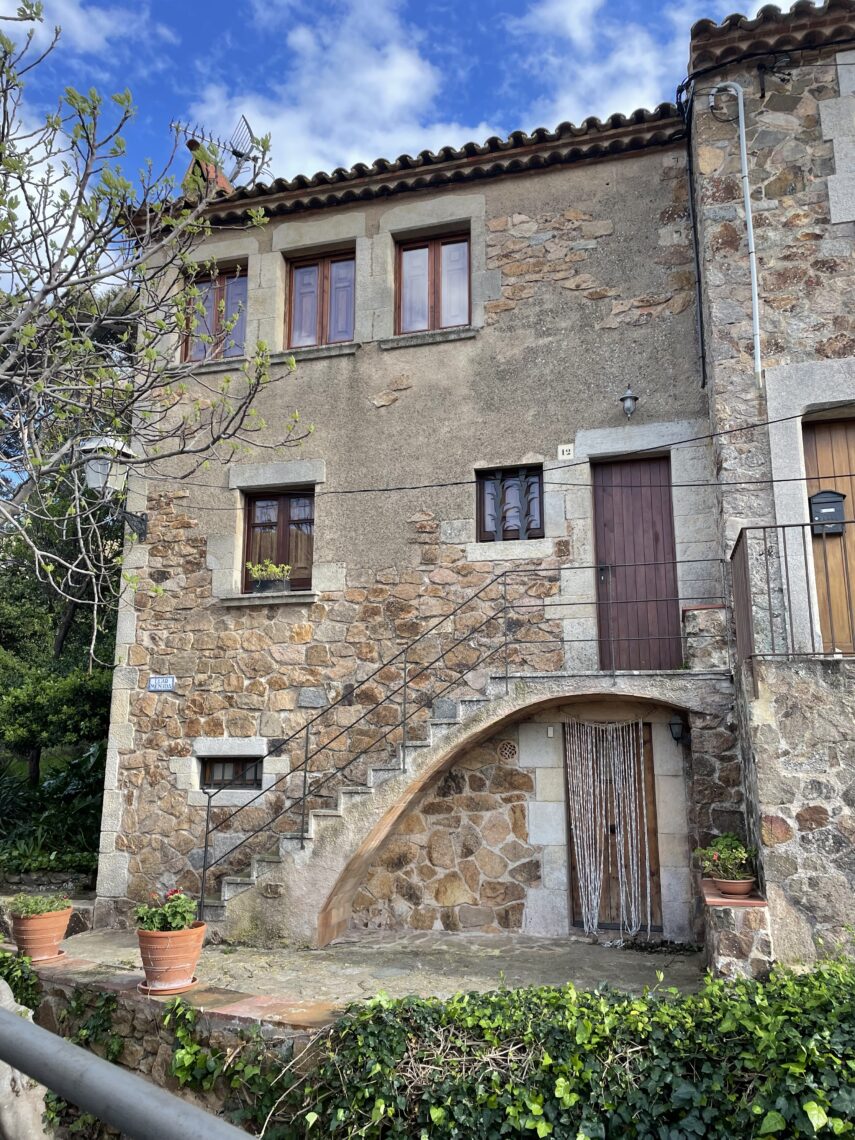
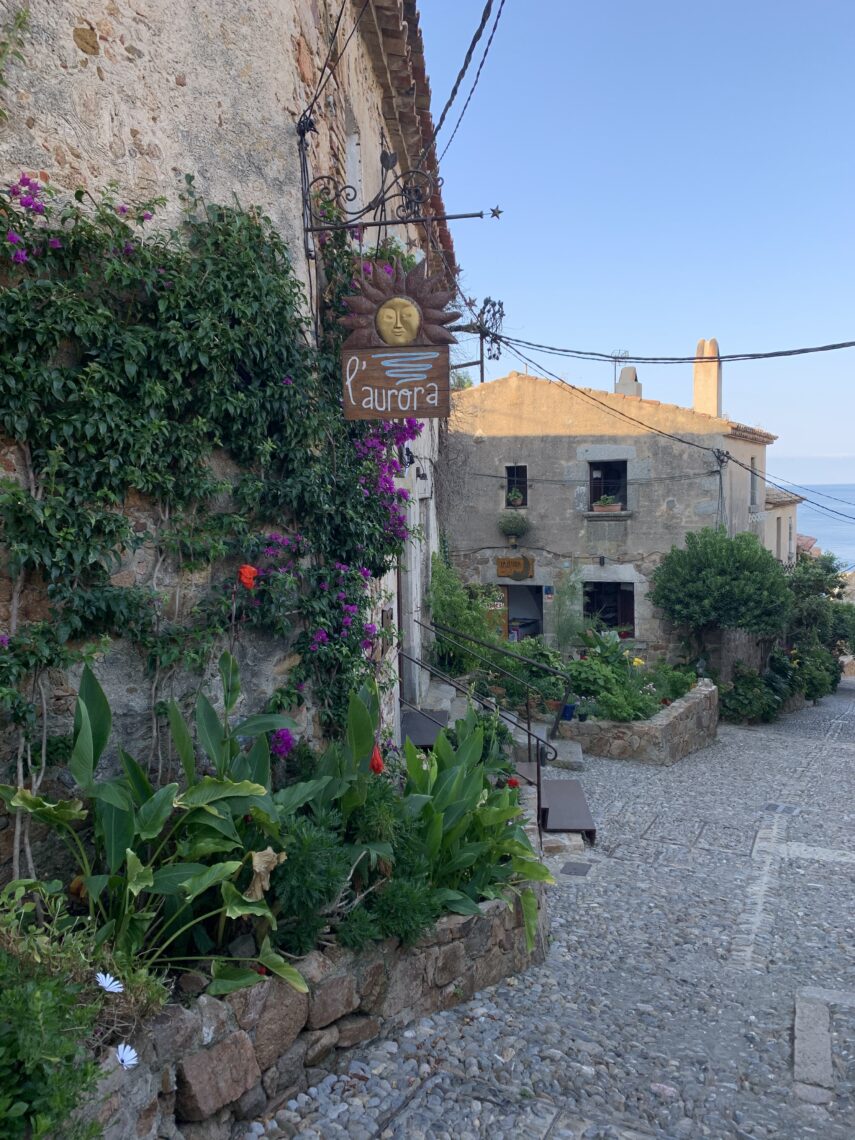
Tossa de Mar is a small coastal town in the Girona province of northeastern Catalonia, sitting right along the Catalan coast on the southern stretch of the Costa Brava. It’s tucked between the larger and much more party-forward Lloret de Mar to the south, and the quieter towns of Platja d’Aro and Palamós further north.
Geographically, it’s in a sweet spot, close enough to Barcelona to be accessible, but far enough that it still feels like a proper escape rather than a suburb with a beach. The drive up from Lloret de Mar along the GI-682 coastal road is genuinely one of the most spectacular roads in all of Spain. Cliff edges, pine forests, the glittering Mediterranean Sea on one side, it’s the kind of drive that makes you feel like you’re in a film.
Why Tossa de Mar Should Be on Your Costa Brava Itinerary
Here’s the thing about Tossa: it hits a rare sweet spot on the Costa Brava spectrum.
On one end you’ve got the all-inclusive resort towns like Lloret de Mar, which are fun for some travelers but don’t exactly ooze authenticity (I personally would not recommend going here). On the other end are the quieter, more remote gems like Cadaqués, beautiful, but a bit of a mission to reach. Tossa sits somewhere right in the middle. It’s accessible, it’s beautiful, it has stunning beaches and a lively restaurant scene, but it also has genuine history and a character that feels completely its own.
The town has been drawing artists and creatives for decades. Marc Chagall famously visited and called Tossa “blue paradise”, and honestly, standing on the beach at golden hour looking back at the Vila Vella, you completely understand why.
How to Get from Barcelona to Tossa de Mar
By Bus (The Easiest Option)
The most straightforward way to get from Barcelona to Tossa de Mar without a car is by bus. Moventis runs direct services from Barcelona’s Estació del Nord bus station to Tossa de Mar, with the journey taking roughly 1 hour 45 minutes to 2 hours depending on traffic. Buses run regularly during summer, which makes this a genuinely practical option even if you’re just coming for the day. You can use Omio.com to check the bus schedules.
If you’re flying in, you’ll land at Barcelona El Prat Airport and can either get the Aerobus into central Barcelona and then connect to the bus, or hire a car directly from the airport, which brings me to option two.
By Car (The Recommended Option)
Renting a car is hands-down the best way to do Tossa de Mar properly. The coastal drive is part of the experience, and having wheels means you can reach the more hidden coves and beaches that buses simply don’t get near. The drive from central Barcelona takes around 1 hour 15 minutes on the motorway, though if you have the time, take the scenic coastal road instead, it adds maybe 30 minutes but is absolutely worth it.
Parking in town can get tight in peak summer, so aim to arrive early and use the main car park near the beach.
The Vila Vella: Tossa de Mar’s Crown Jewel
If there’s one thing everyone agrees on about Tossa de Mar, it’s this: the Vila Vella is extraordinary.
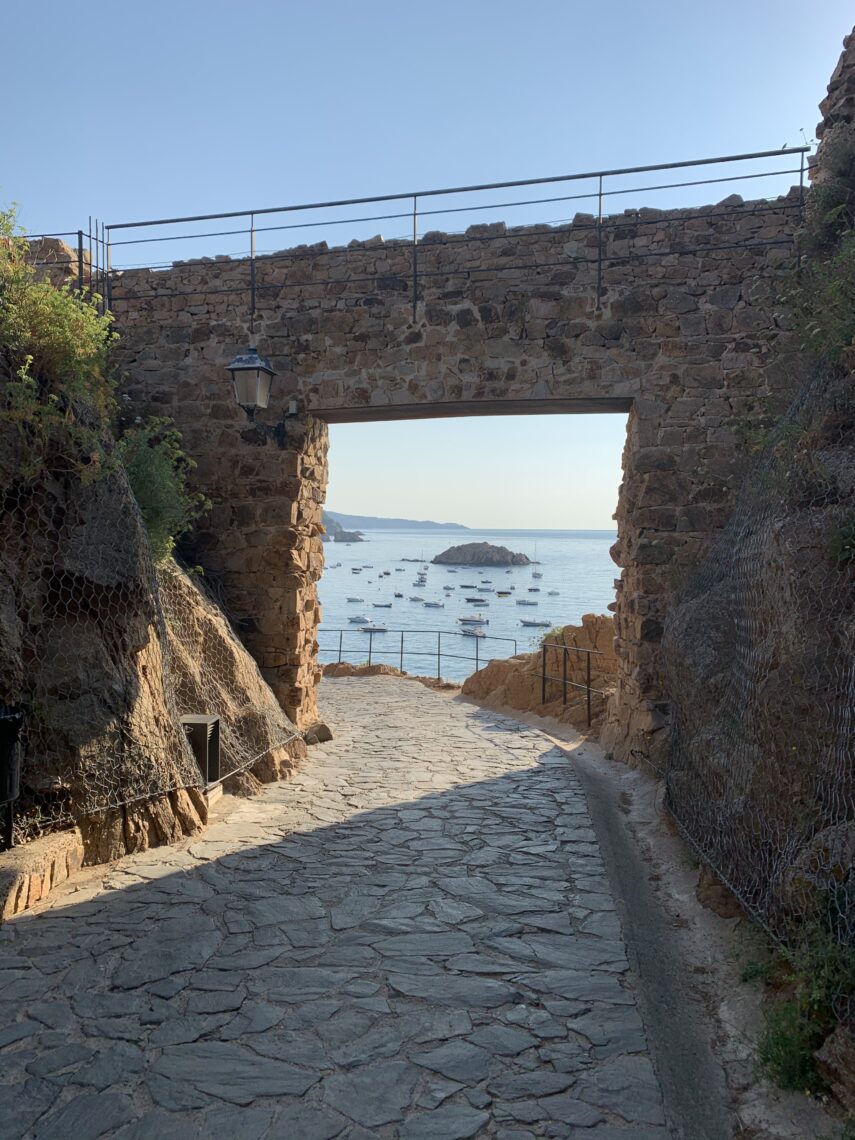
Vila Vella literally translates to “old town,” but that description doesn’t really do it justice. What you’re actually looking at is one of the only intact medieval fortified towns on the entire Iberian Peninsula, a 12th-century walled complex perched on a rocky headland above the sea, complete with towers, ramparts, cobbled lanes, and a Tossa de Mar lighthouse that you can walk right up to.
Wandering through the old town feels like you’re taking a step back in time. There are a handful of residents who still live inside the walls (lucky them), a small church, some charming little art galleries, and the Museu Municipal de Tossa de Mar. Entry to wander the walls and lanes is completely free, though the museum charges a small fee.
The views from the ramparts are absolutely breathtaking. You’re looking out over the Mediterranean, down to Platja Gran, and across the forested headland, honestly some of the best spectacular views in all of Costa Brava.
The Best Beaches in Tossa de Mar, Spain
Platja Gran
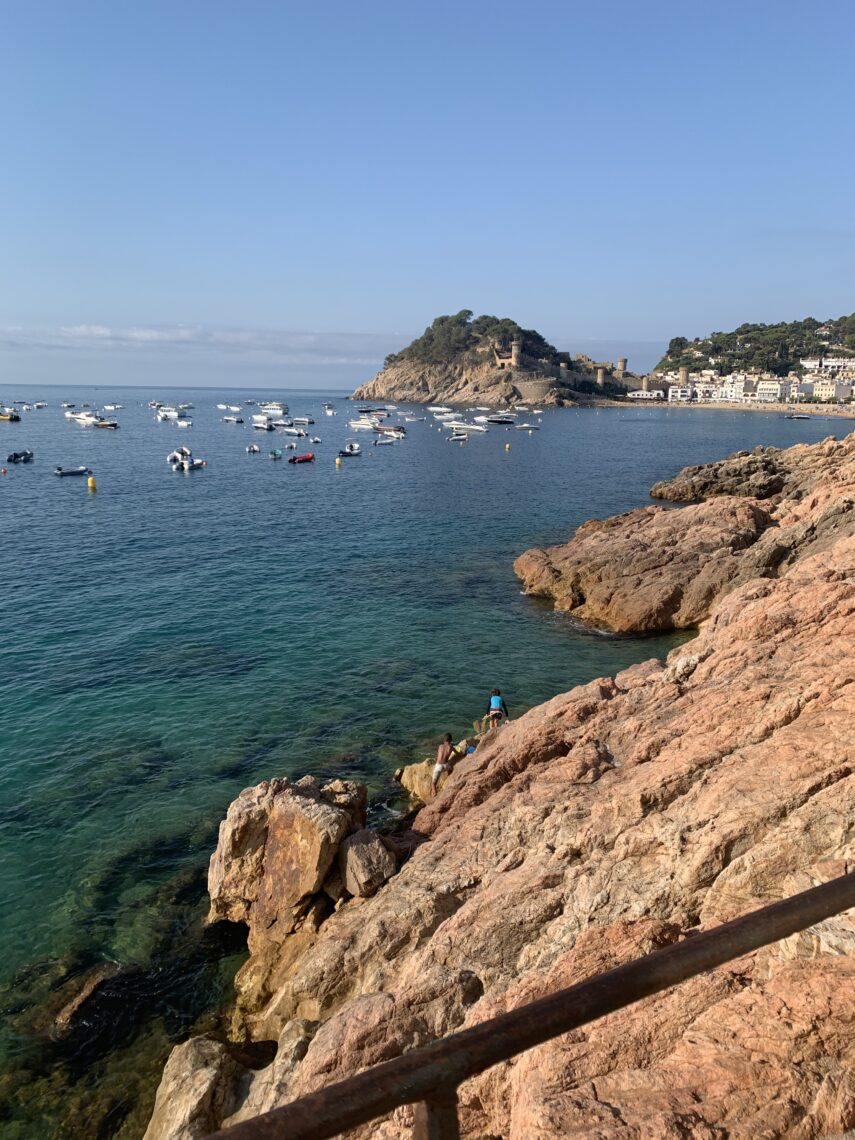
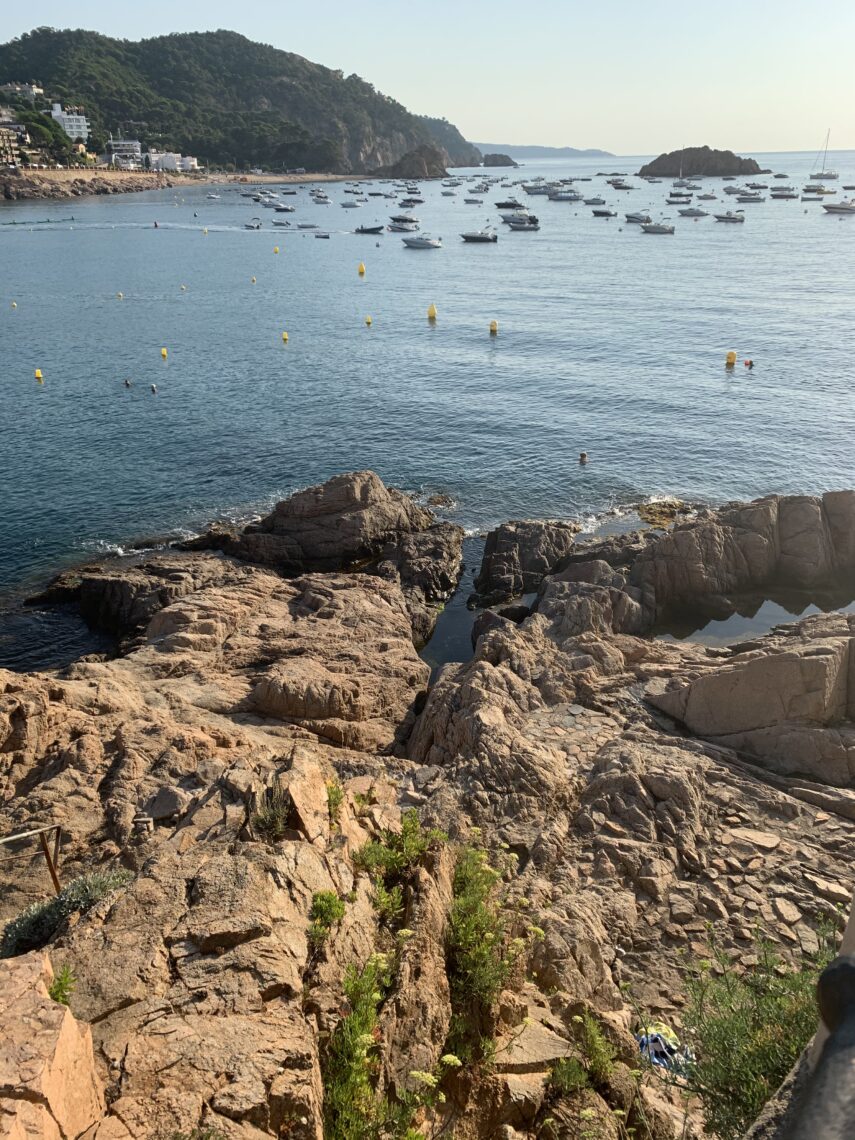
This is the main beach, the big golden arc you see in every photo of Tossa. It’s a broad, sandy stretch right in front of the town, with the Vila Vella looming dramatically at one end. Yes, it gets busy in summer. Yes, it’s still completely worth it. The water here is genuinely crystal clear, calm most of the time, and the whole setting, beach, medieval fortress, colourful fishing boats, is almost unfairly picturesque.
La Mar Menuda Beach
Around the other side of the headland from Platja Gran, La Mar Menuda (or Mar Menuda beach) is a smaller, slightly rockier beach that tends to attract a quieter crowd. It’s popular with snorkellers because the rocky seabed makes for interesting underwater exploring, and the water visibility is fantastic. If Platja Gran is feeling a bit packed, this is your move.
Es Codolar
Es Codolar, also sometimes called Codolar beach, is a small pebble beach tucked right beneath the Vila Vella walls. It’s intimate, dramatic, and gives you one of the most atmospheric views of the fortress from sea level. It’s not ideal for a long beach day given the pebbles, but for a morning swim with views of the old town? Absolutely perfect.
Cala Bona & Cala Llevadó
Head a little further up the coast and you start finding the wilder, quieter coves that make Costa Brava so special. Cala Bona is a lovely small cove with clear water and a more peaceful atmosphere, while Cala Llevadó is a gorgeous spot set within a camping area that draws people for its sheltered setting and beautiful water.
Cala Pola & Cala Giverola
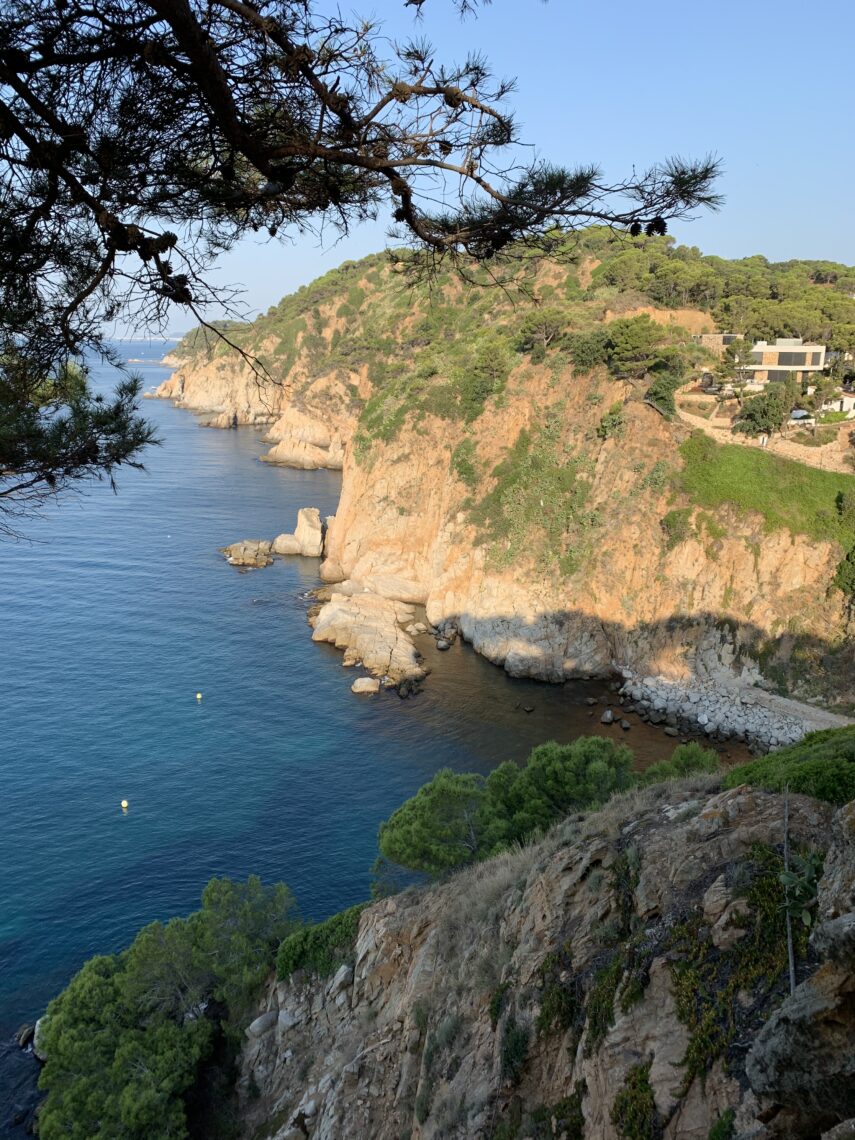
Keep going north along the coast and you’ll hit Cala Pola and Cala Giverola, two of the area’s most pristine beaches and genuinely some of the best beaches in the entire region. Cala Giverola in particular is a stunner: a proper crescent-shaped sandy beach with impossibly turquoise water and pine-covered cliffs on either side. It’s the kind of place that makes you seriously consider never going home. Both are best reached by car or the summer boat service that runs from Tossa’s main port.
Things to Do in Tossa de Mar
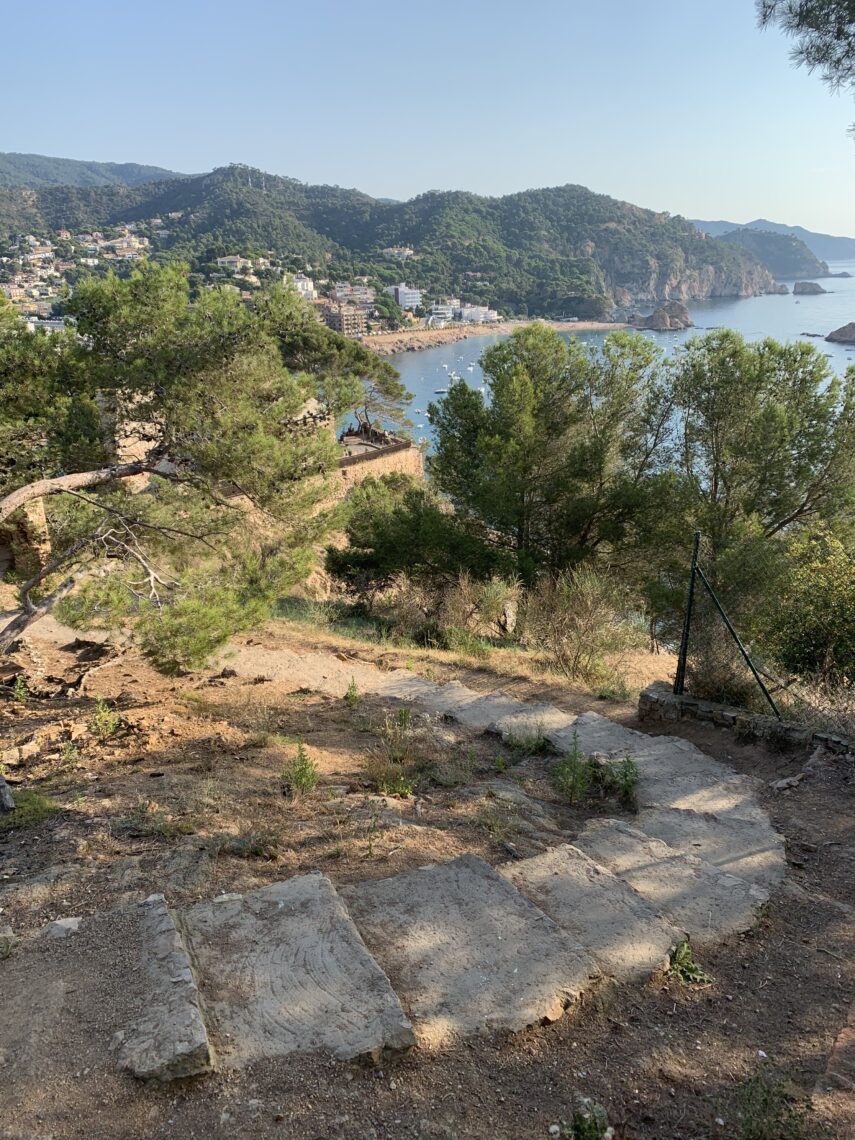
Beyond the beach, there’s actually a solid amount to keep you busy, especially if you’re staying more than one night.
Things to do in Tossa de Mar that are worth your time:
- Walk the Via Vella walls for panoramic views over the bay and coastline
- Visit the Museu Municipal inside the old town, small but genuinely interesting, especially the Chagall connection
- Explore the Roman Villa of Els Ametllers just outside town. It’s one of the best-preserved Roman villas on the Costa Brava and easy to visit. Mosaics, ruins, the works.
- Take a boat trip along the coastline to reach the hidden coves that are inaccessible by road
- Hike the coastal path toward Sant Feliu de Guíxols, challenging but spectacular, with breathtaking views around every corner
- Visit the Ava Gardner statue near the seafront
- Take a day trip to Sant Vicenç or explore the surrounding coastline toward Lloret de Mar
Where to Eat in Tossa de Mar: Local Cuisine Worth Seeking Out
Tossa has a really solid food scene for a town its size. You’ll find everything from relaxed beach chiringuitos to proper sit-down restaurants serving traditional Catalan dishes alongside fresh catches straight off the boats.
A few restaurants to try in town:
- La Cuina de Can Simon: Upscale restaurant serving catalan dishes
- La Lluna: great tapas restaurant
- Restaurant Santa Marta grup el xiringuito: great for seafood and paella
- Restaurant Capri: Another great spot for paella
Tossa de Mar Hotels: Where to Stay
Accommodation in Tossa runs from budget-friendly guesthouses to mid-range boutique hotels, you won’t find much in the way of ultra-luxury here, which is honestly part of the charm. It keeps the town feeling real rather than like a resort development. That said, there are some genuinely lovely places to stay.
The best hotels in Tossa de Mar include:
- Hotel Diana: right on the Platja Gran seafront with gorgeous views of the Vila Vella; an institution in town
- Elisabeth by the Sea: Beautiful seaside hotel right in front of the town’s fortress
- Grand Hotel Reymar: if you want a pool and a more resort-style feel without sacrificing location, this one delivers
For a Spain vacation rental vibe, there are also plenty of apartments and villas available in and around town through the usual platforms like Airbnb or VRBO.
Best Time to Visit Tossa de Mar
June and September are the best months to visit Tossa de Mar in Spain. These months are warm enough to swim and uncrowded enough to actually enjoy yourself. July and August are peak season and the town gets busy, but the atmosphere is buzzing and the weather is reliably perfect. If you’re coming from Barcelona to Tossa de Mar on a day trip, honestly try to avoid peak August weekends if you can; accommodation, beaches, and parking all get stretched thin.
May is beautiful and surprisingly warm, with the coastal landscape still lush and green. Worth considering if you want the scenery without the full summer crowds.
Is Tossa de Mar Worth It?
Tossa de Mar is 100% worth a visit. However, if I’m going to be honest, I must add that my personal favorite town in Costa Brava is Calella de Palafrugell. But since Tossa de Mar can easily be reached by bus, it’s a close second in my book.
Between the Villa Vella, the pristine beaches, the incredible coastal scenery, the food, and the sheer charm of wandering a medieval fortified town that’s somehow also right next to a gorgeous Mediterranean beach, Tossa de Mar is one of those places that earns every bit of its reputation.
Frequently Asked Questions About Tossa de Mar
Is Tossa de Mar worth visiting?
Yes, Tossa de Mar is absolutely worth visiting. It’s one of the most beautiful towns on the Costa Brava, known for its medieval old town, clear Mediterranean water, and relaxed coastal atmosphere.
How many days should you spend in Tossa de Mar?
Ideally, spend 2 days in Tossa de Mar. While it’s possible as a day trip from Barcelona, staying overnight gives you more time to enjoy the beaches, old town, and coastal scenery without rushing.
Can you visit Tossa de Mar without a car?
Yes, Tossa de Mar is easy to visit without a car thanks to direct buses from Barcelona. However, having a rental car makes it easier to explore nearby beaches and hidden coves along the Costa Brava.
What is the best beach in Tossa de Mar?
Platja Gran is the most famous beach in Tossa de Mar thanks to its stunning views of the Vila Vella fortress. Cala Giverola and Cala Pola are also beautiful if you want quieter coves nearby.
When is the best time to visit Tossa de Mar?
June and September are the best months to visit Tossa de Mar. The weather is warm, the water is swimmable, and the town feels much less crowded than peak summer.
Is Tossa de Mar better than Lloret de Mar?
If you prefer a more scenic and authentic Costa Brava experience, Tossa de Mar is the better choice. It’s quieter, more picturesque, and known for its beaches and medieval charm rather than nightlife.
Can you swim in Tossa de Mar?
Yes, Tossa de Mar is known for its crystal-clear Mediterranean water and excellent swimming beaches. Platja Gran and Cala Giverola are especially popular during summer.
Planning a trip to Costa Brava, Spain? Learn more with these articles below:
- 17 Best Things To Do in Costa Brava, Spain: Beaches, Towns & Hidden Gems
- The 20 Best Cities to Visit in Spain in 2026
- Where to Stay Near Calella de Palafrugell
- How to Get From Barcelona to Costa Brava: Best Routes & Travel Tips
- The Ultimate Guide to Begur, Spain: Beaches, Hotels & Things to Do
- Cadaqués, Spain: A Complete Travel Guide to Costa Brava’s Most Artistic Seaside Town
- The Best Costa Brava Hotels: 16 Incredible Coastal Stays
- Costa Brava Travel Guide: The Most Beautiful Towns, Beaches & Places to Stay in 2026
- What to Pack for Spain: The Ultimate Packing List
- 10 Underrated European Beach Destinations to Travel to This Summer
Final Thoughts on Visiting Tossa de Mar
With its medieval old town, beautiful beaches, and relaxed coastal atmosphere, Tossa de Mar is easily one of the best places to visit on the Costa Brava. Whether you come for a day trip or stay for a weekend, it’s the kind of town that leaves a lasting impression.
Have questions about visiting Tossa de Mar? Drop them in the comments, I love hearing where you’re planning to go next!

No Comments