
If there’s one place I return to again and again, it’s the Costa Brava. It’s hands down my favorite escape from the chaos of Barcelona. With its rugged cliffs, hidden coves, crystal-clear water, and some of the most beautiful coastal towns in Spain, it’s no surprise why many come to this hidden corner of Spain for some serious R&R.
I’ve spent countless weekends here, hiking along the coast on the Cami de Ronda, beach hopping, and slowly working my way through some of the best restaurants in the region. Whether you’re planning a quick trip or building out a full Costa Brava itinerary, this guide covers exactly what you need to know.
This post may contain affiliate links, which means I may earn a small commission at no extra cost to you. Thank you for supporting my blog!
Short on time? Here are the best hotels in Costa Brava:
Discover More: Best Hotels to Stay at in Costa Brava
Hotel Sant Roc (Calella de Palafrugell): Best for sea views and beach access.
Can Set (Cadaqués): Best for a stylish, central stay.
Cap Sa Sal (Begur): Best for luxury and cliffside views.
Mas de Torrent Hotel (Baix Empordà): Best for a peaceful countryside escape.
Key Takeaways: Costa Brava, Spain
- Where is Costa Brava? Just north of Barcelona, stretching to the French border along the Mediterranean coast.
- Best way to get there: Rent a car for flexibility, this is key for exploring beaches and smaller towns.
- Top towns to stay in: Begur, Calella de Palafrugell, and Cadaqués each offer a different vibe.
- Best beaches: Focus on the Begur and Calella areas for the most scenic coves and clear water.
- How long to stay: Plan for at least 2–3 days, but 4–5 is ideal to fully explore.
- Don’t miss: Coastal hikes along the Camí de Ronda and long lunches at seaside restaurants.
One important tip before we get into it: the best way to experience Costa Brava is by renting a car. You’ll want the flexibility to move between towns and beaches, especially since some of the best spots are tucked away.
Where Is Costa Brava, Spain?
If you’re wondering where Costa Brava is, it’s located in northeastern Spain, just outside of Barcelona, stretching all the way to the French border.
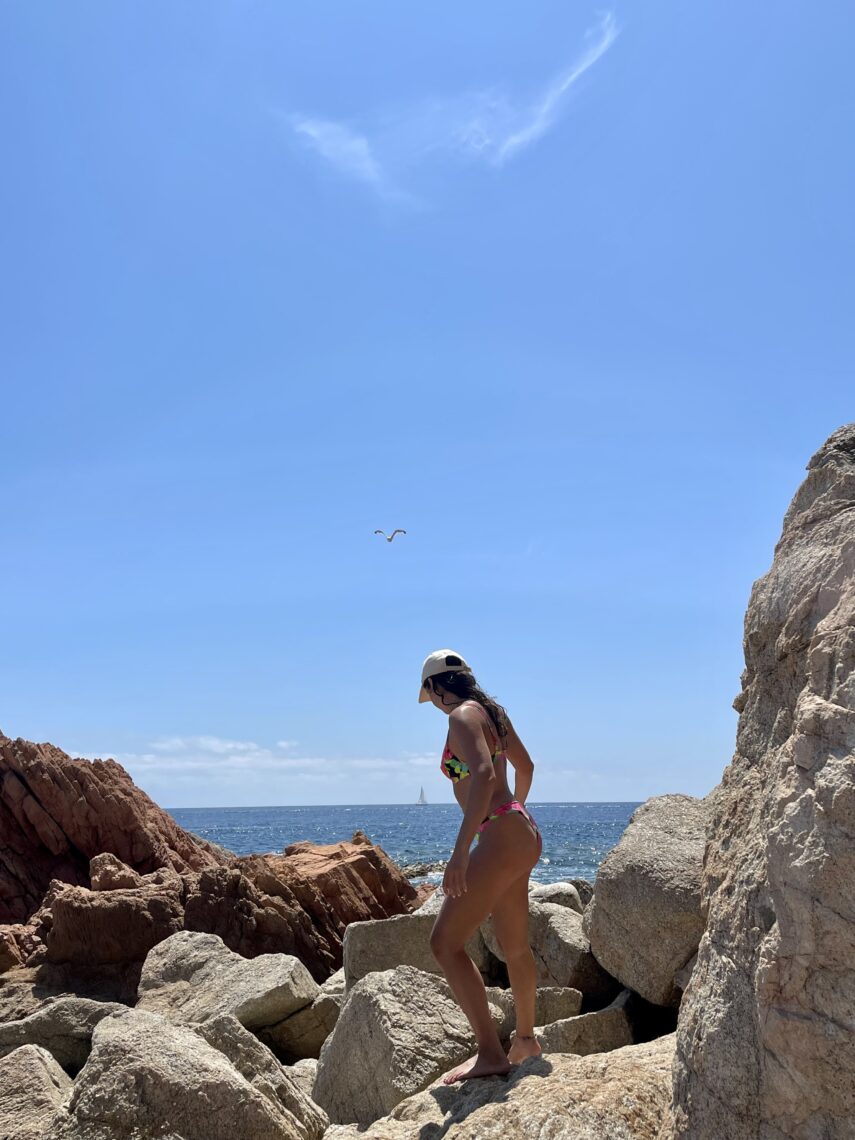
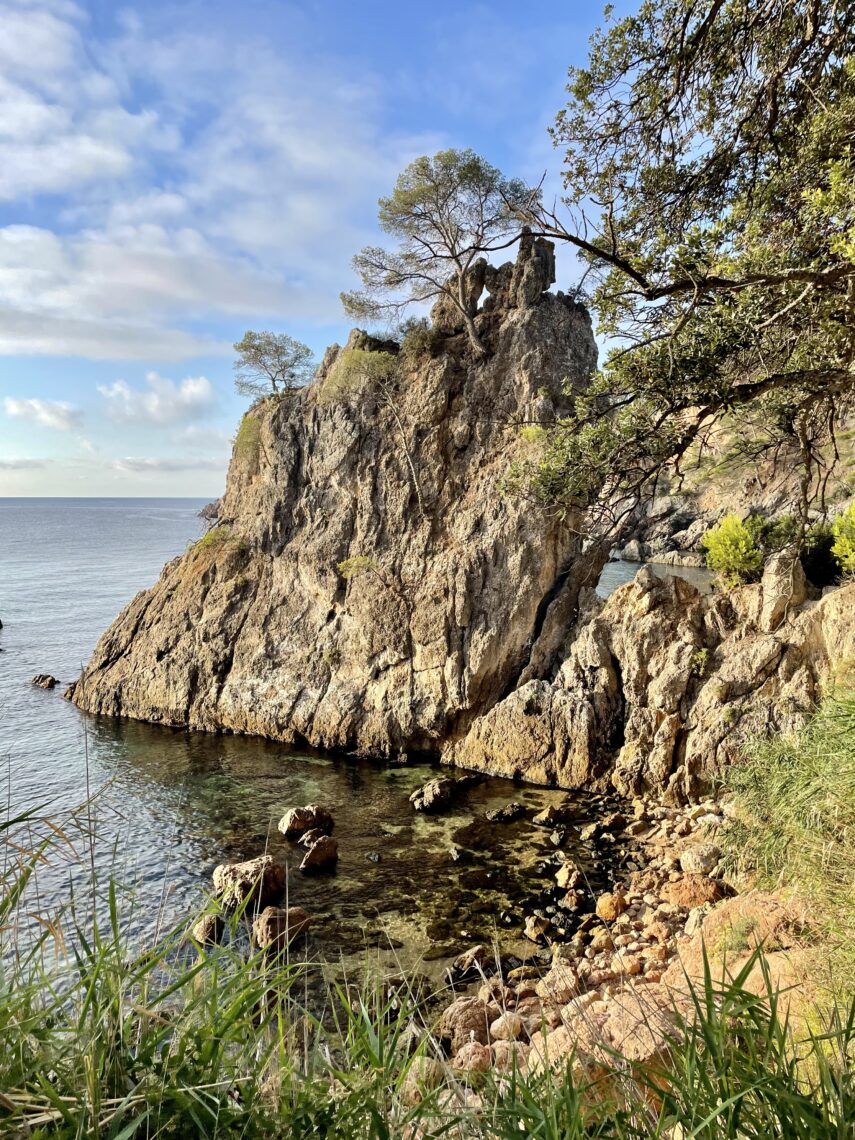
The name “Costa Brava” literally means “wild coast” in Catalan, and it couldn’t be more accurate. This part of the Iberian Peninsula is known for its rugged coastline, rocky coves, and dramatic cliffs overlooking the Mediterranean Sea.
It spans across regions like Alt Empordà, Baix Empordà, and La Selva, each with its own personality, from quiet fishing villages to rowdy beach towns like Lloret de Mar.
You’ll also notice a strong artistic and cultural presence here, especially near Cadaques. This is the area that inspired artists like Salvador Dalí and Pablo Picasso, and it still has that slightly raw, creative energy.
Barcelona to Costa Brava: How to Get There
While you can reach Costa Brava by bus or train, the best way to explore the region is by renting a car, giving you easy access to smaller coastal towns and hidden beaches.
Rent a Car (Best Option)
This is what I always recommend. The drive takes about 1.5 to 2 hours depending on where you’re going, and it gives you access to smaller towns, beaches, and scenic coastal routes like the Camí de Ronda (a coastal hiking path with spectacular views).
Bus
There are direct buses from Barcelona to towns like Lloret de Mar and Tossa de Mar. It’s affordable and easy, but you’ll be more limited once you arrive. Plus, these towns are not my favorite because they tend to be over crowded and not as charming.
Train
You can take a train to places like Blanes or Girona, but from there you’ll still need a car or taxi to reach most coastal towns.
I always use Omio to book buses and trains around Europe personally. I find they have the most reliable platform and offer a variety of different options. Check out Omio here.
When Is the Best Time to Visit Spain’s Costa Brava?
The best time to visit Costa Brava is May through June and September, when the weather is warm, the water is swimmable, and the crowds are much more manageable. July and August bring peak summer energy, but also packed beaches, higher prices, and harder-to-get reservations. If you’re looking for a quieter experience, spring is ideal, especially for hiking the coast and staying in countryside hotels, while early fall still feels like summer without the chaos.
How Long Does It Take to Get to Costa Brava from Barcelona?
It typically takes 1.5 to 2.5 hours to get from Barcelona to Costa Brava, depending on which town you’re visiting.
- ~1.5 hours: Blanes, Lloret de Mar
- ~2 hours: Begur, Calella de Palafrugell
- ~2.5 hours: Cadaqués (more remote, but worth it)
What Are the Best Towns to Stay in Costa Brava, Spain?
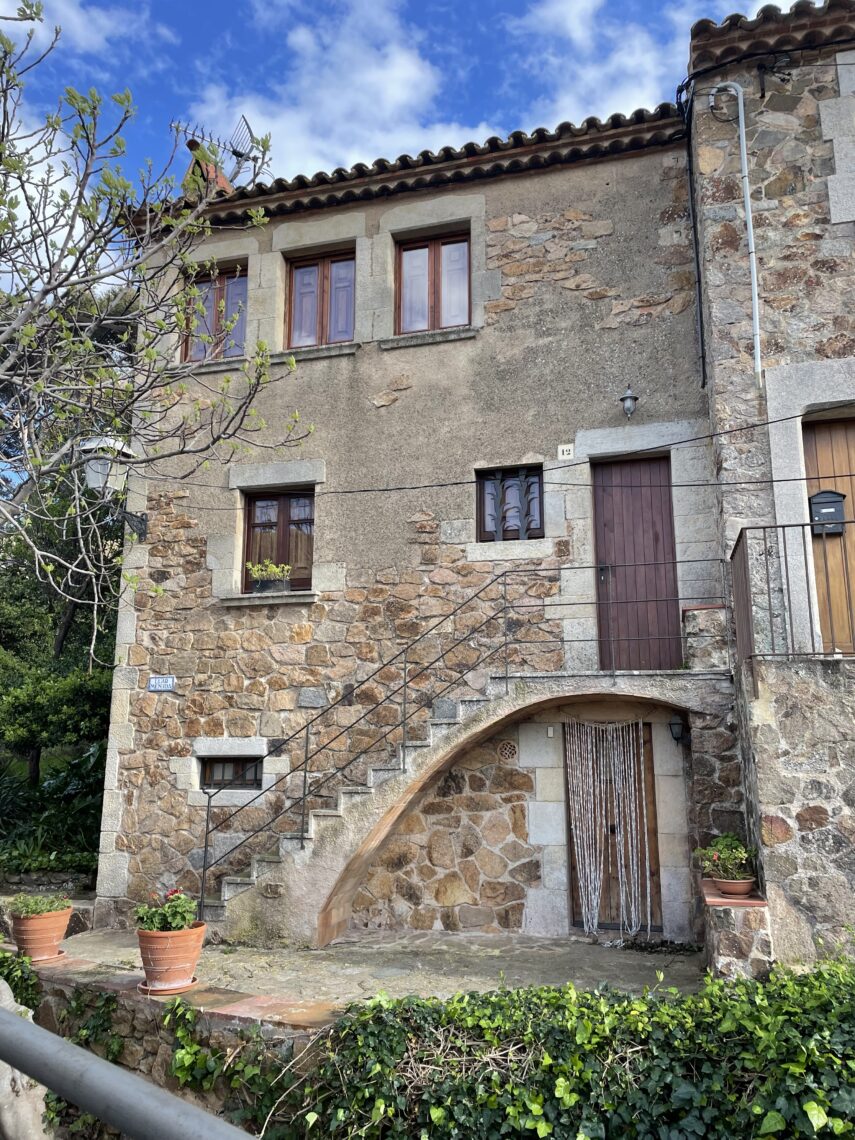
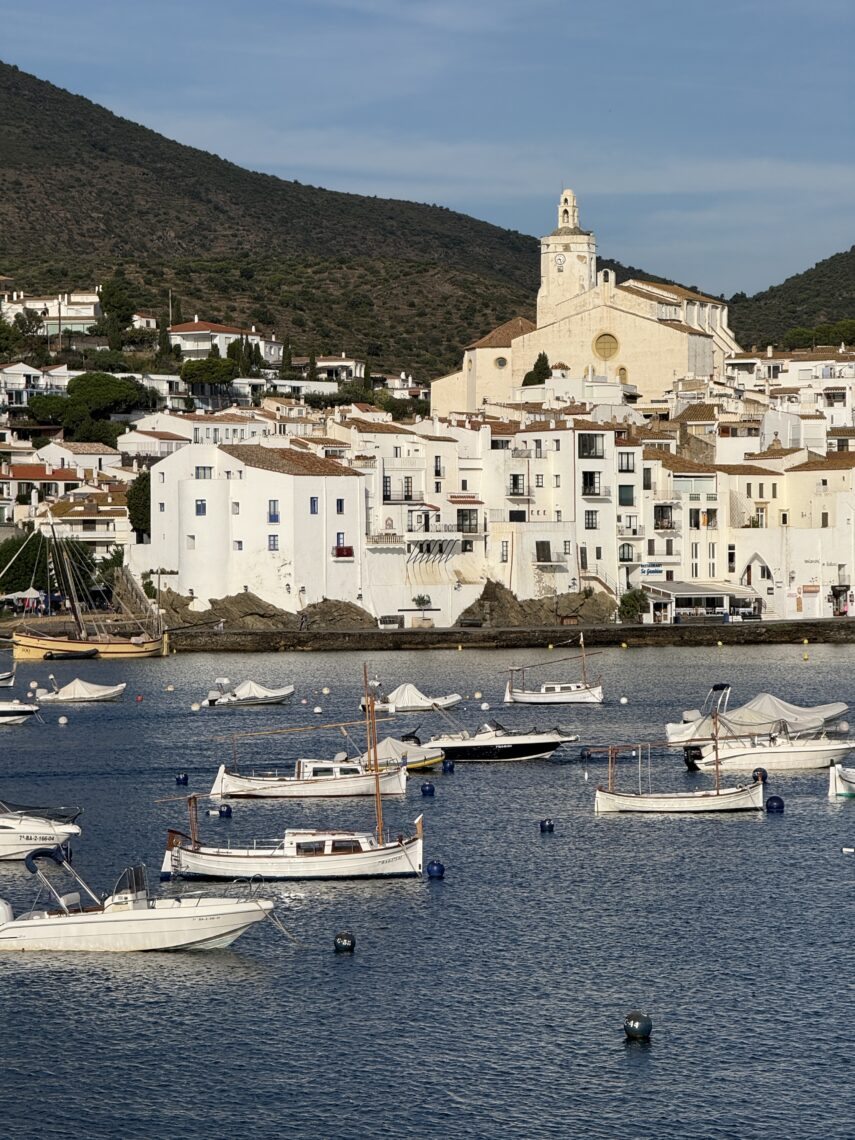
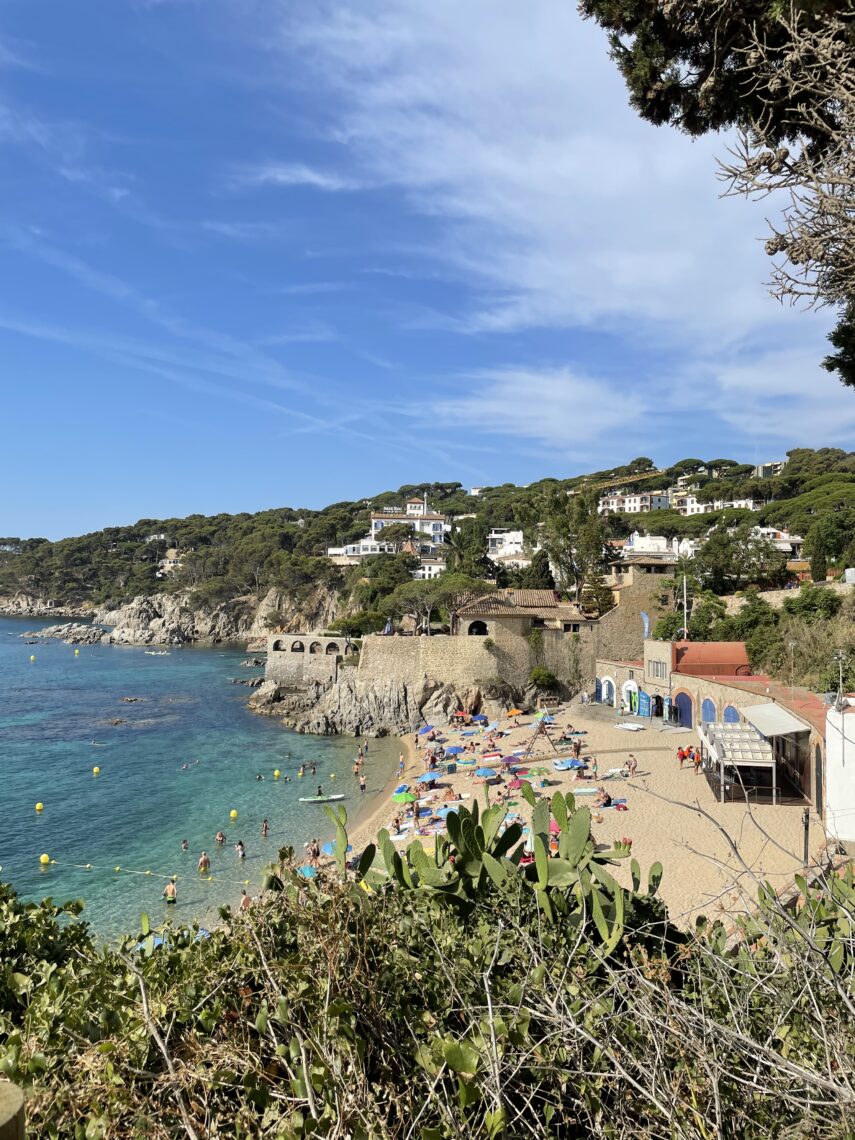
There are so many incredible coastal towns to explore along the Costa Brava, each with its own charm and character. While I personally spend most of my time in Calella de Palafrugell, one of the best ways to experience this region is by renting a car and exploring a few different spots.
From laid-back beach towns to more elevated, scenic villages, here are some of the best places to stay in Costa Brava depending on the kind of trip you’re looking for:
- Calella de Palafrugell: This is my personal favorite. Whitewashed houses, small coves, and a laid-back atmosphere. It’s one of the most picturesque coastal towns in the Costa Brava region.
- Begur: A bit more elevated (literally), with stunning viewpoints and access to some of the best beaches like Sa Riera and Aiguablava.
- Cadaqués: One of the most iconic towns in Spain. It’s more remote and harder to get to, but incredibly charming and artistic. This is where Salvador Dalí lived and worked. Bonus points that you can take a bus to get here (but you won’t be able to hop to different towns as the town is very remote).
- Tamariu: A smaller, quieter beach town surrounded by pine forests. Great if you want something low-key.
- Llafranc: More polished and slightly upscale, with a beautiful promenade and easy beach access. Here you can take the coastal walking trail all the way to Calella de Palafrugell.
- Tossa de Mar: A mix of history and beach life, with its famous medieval old town overlooking the coast. It’s a larger town along the Costa Brava and it’s a great option if you don’t want to rent a car.
- Sa Tuna: This coastal town is tiny, scenic, and one of those places that feels like a hidden gem.
Where to Stay in Costa Brava, Spain
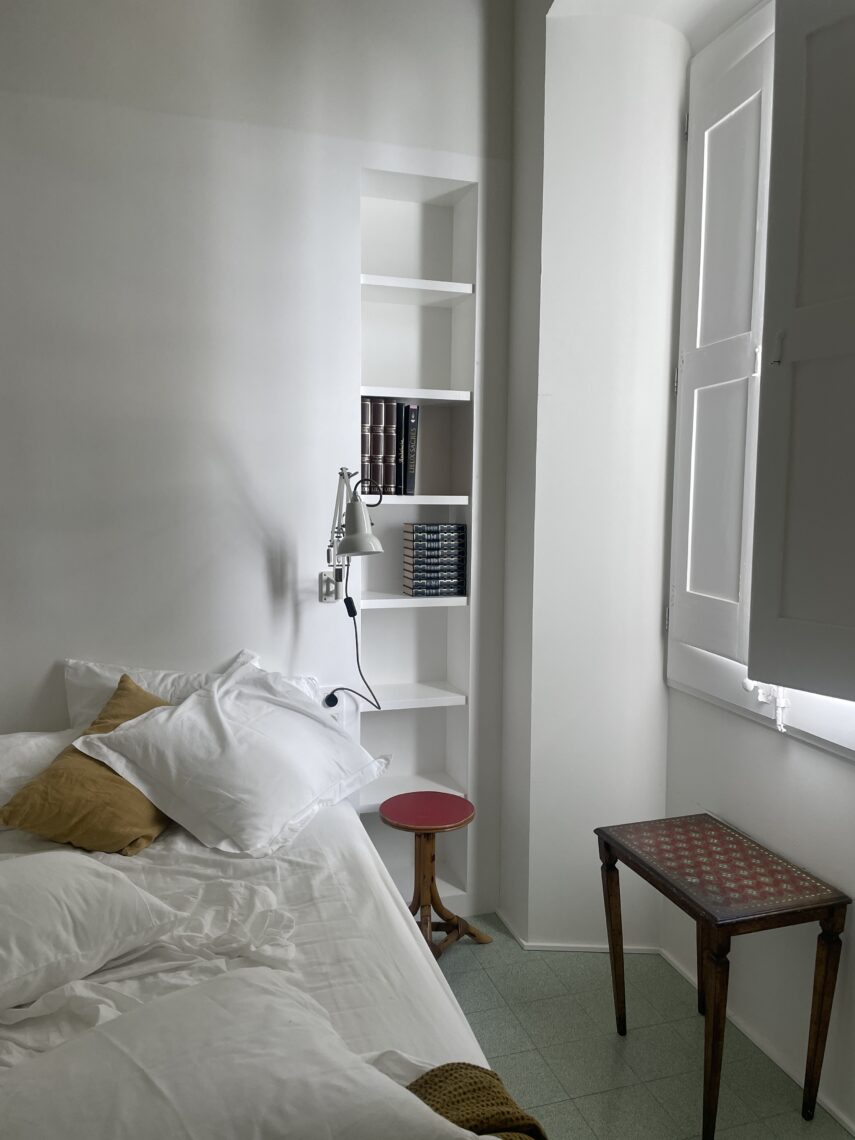
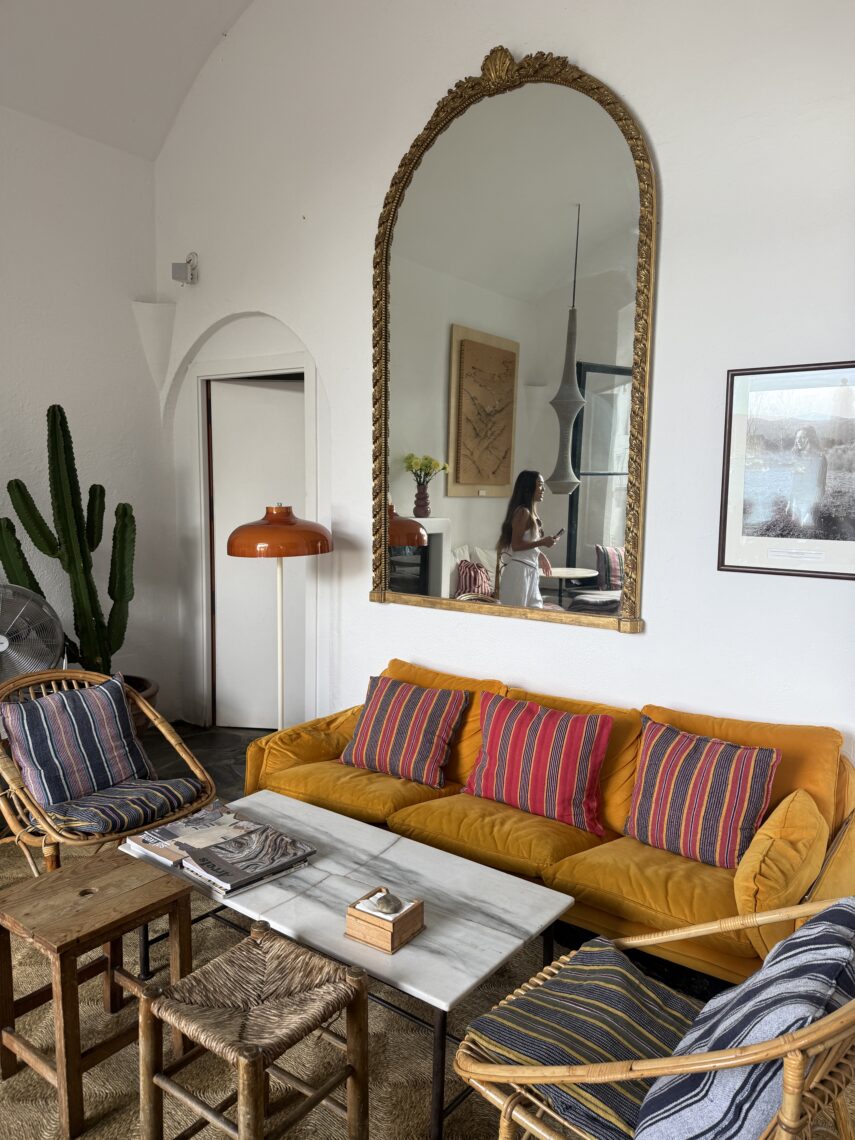
I usually stay in Calella de Palafrugell, Cadaqués, or Begur because they’re close to my favorite beaches. That said, staying inland in a countryside hotel can be just as special, especially in spring. If you’re planning a family trip, you may also want to try booking on Airbnb or VRBO.
Here are some of my favorite spots:
- Casa Rural Mas Ametller (near Sant Feliu de Guíxols): A beautiful countryside surrounded by nature, with bikes available and a super peaceful setting.
- Hotel Sant Roc (Calella de Palafrugell): Amazing sea views and a quiet location just outside the main area.
- Can Set (Cadaqués): Boutique, beautifully designed, and perfectly located. Pro tip: eat at Casa Nun next door.
- Cap Sa Sal (Begur): A luxury hotel with incredible views and a standout restaurant.
- La Bionda (Begur): Stylish interior hotel right in town.
- Hotel Peralada: Elegant stay near wine country.
- Hotel Aiguaclara (Begur): Charming boutique hotel with personality.
- Hotel la Plaça Madremanya (Madremanya): Rustic countryside escape.
- Mas de Torrent Hotel (Baix Empordà): One of the best luxury rural hotels in the area.
Related Article: Best Costa Brava Hotels in 2026
Costa Brava Restaurants: Where to Eat
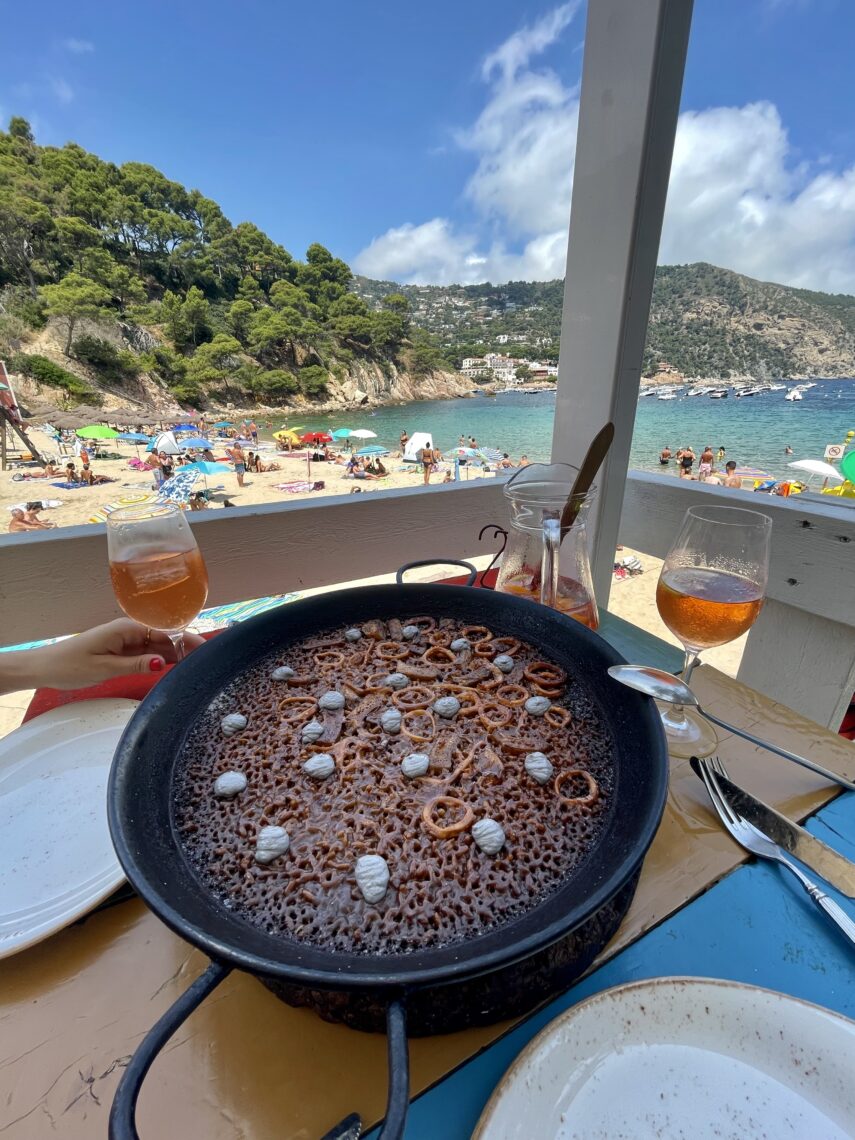
The food scene here is seriously underrated. From casual beachside spots to Michelin-level dining, there’s a lot to explore.
Here are some of my favorites:
- El Far de Sant Sebastià (Llafranc): Cliffside restaurant with panoramic views and classic Catalan seafood.
- Toca al Mar (Begur): My go-to paella spot right on the beach. Book ahead.
- Tragamar (Calella de Palafrugell): A classic with amazing seafood and a perfect location.
- Casa Nun (Cadaqués): My favorite restaurant in Cadaqués. Intimate, creative, and consistently good.
- Isabella’s by the Sea (Llafranc): Italian-inspired dishes with a beachside setting.
- Far Nomo (Llafranc): Japanese fusion with spectacular views.
- La Blava (Calella de Palafrugell): Casual, right on the sand, great for lunch.
- Disco House Funky Pizza (Palamós): Fun, casual, and surprisingly good pizza.
- Cap Sa Sal Restaurant (Begur): Dining with one of the best views in the Costa Brava.
- Sidreria Mooma (near Torroella de Montgrí): Apple orchard setting with traditional Catalan food (love coming here for lunch!)
- Sol i Mar (Calella de Palafrugell): Relaxed beachfront dining.
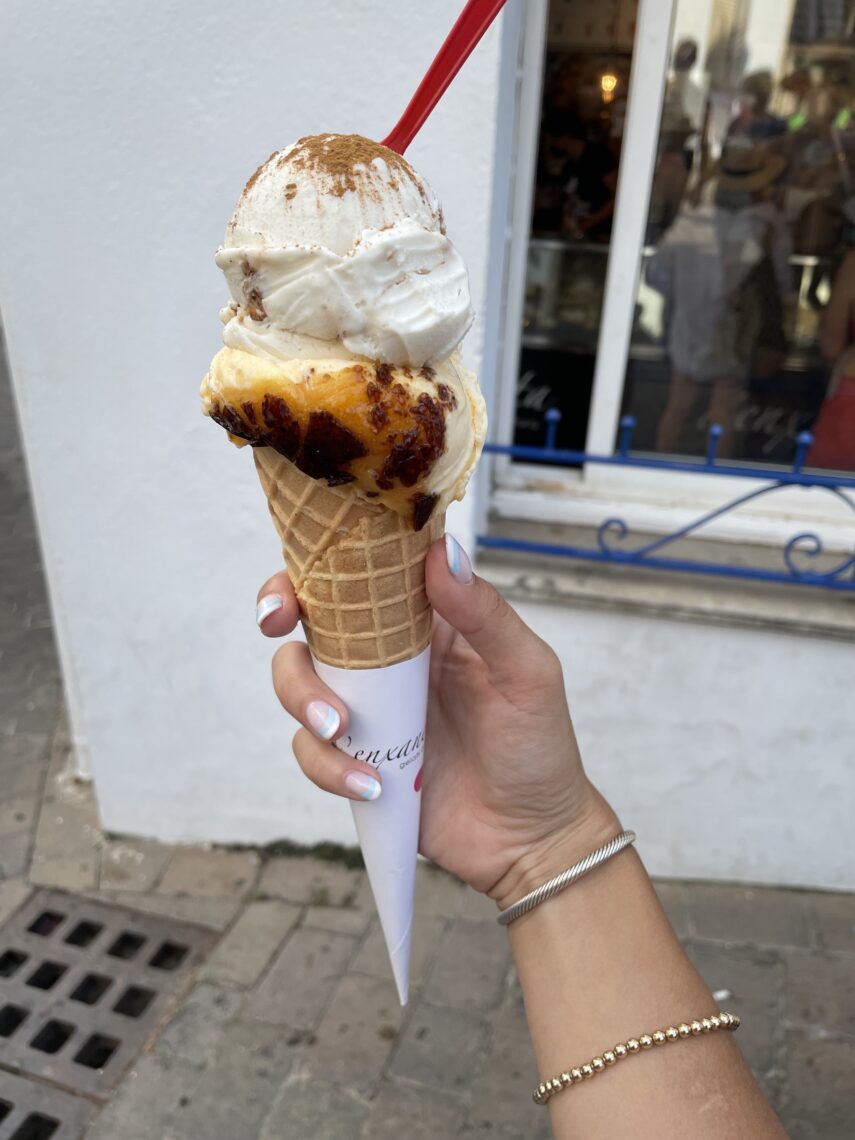
- L’enxaneta Gelats: My favorite gelato shop in town. Order the crema catalana and thank me later.
Pro Tip: If you’re visiting in summer, make restaurant reservations at least a few days in advance, especially for beachfront spots in Begur and Calella, where the best tables (right on the water) get booked up quickly.
Costa Brava Beaches: The Best Spots to Visit
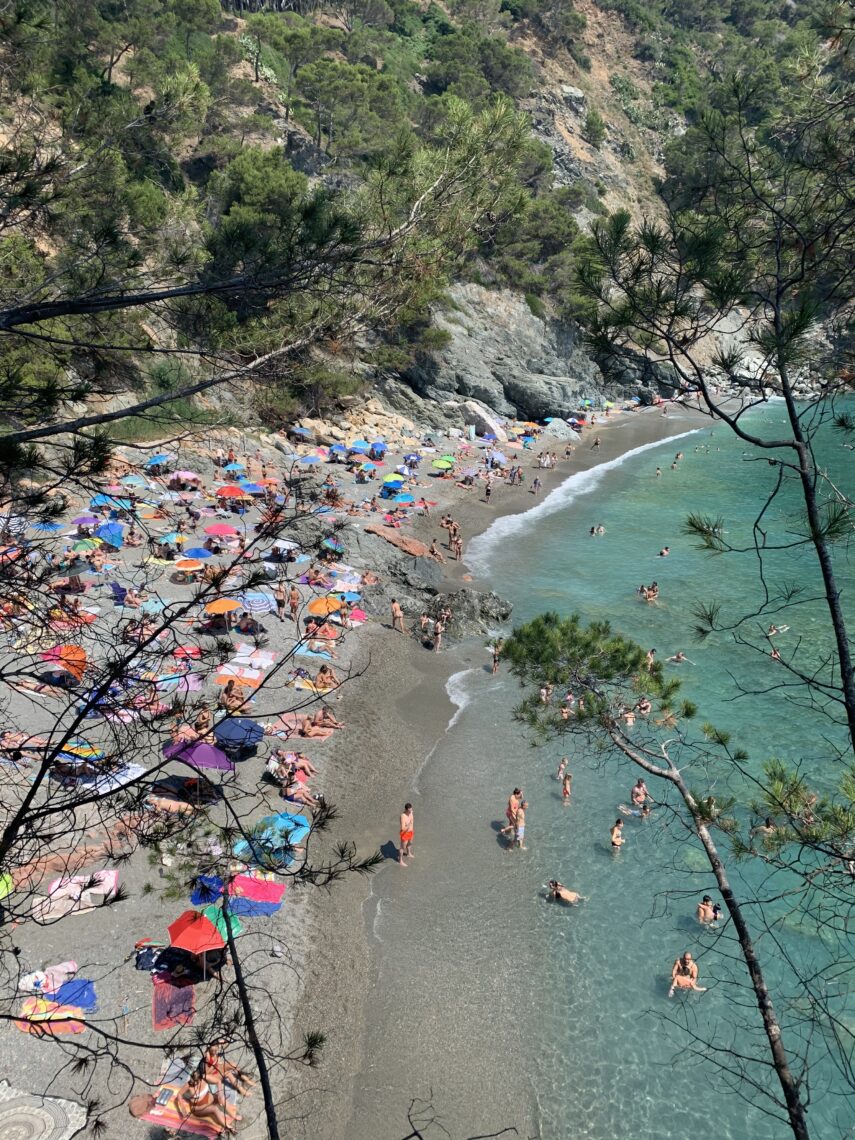
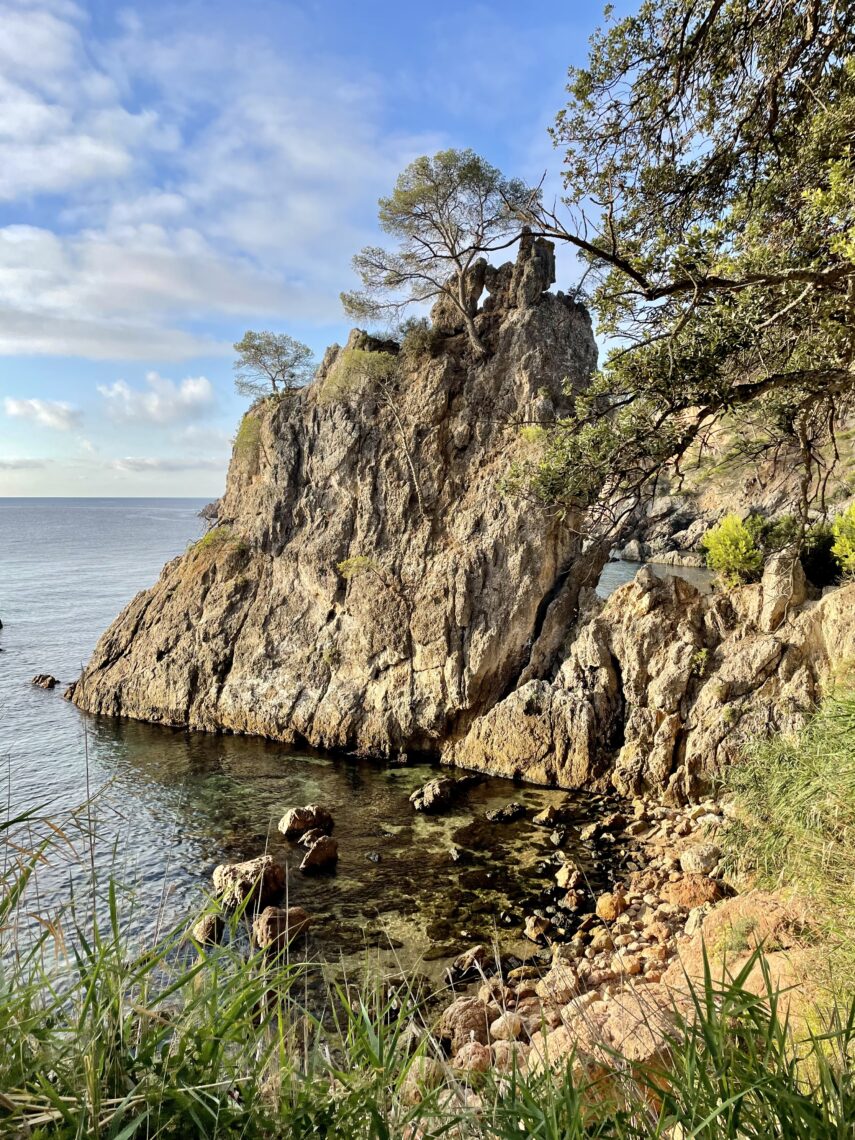
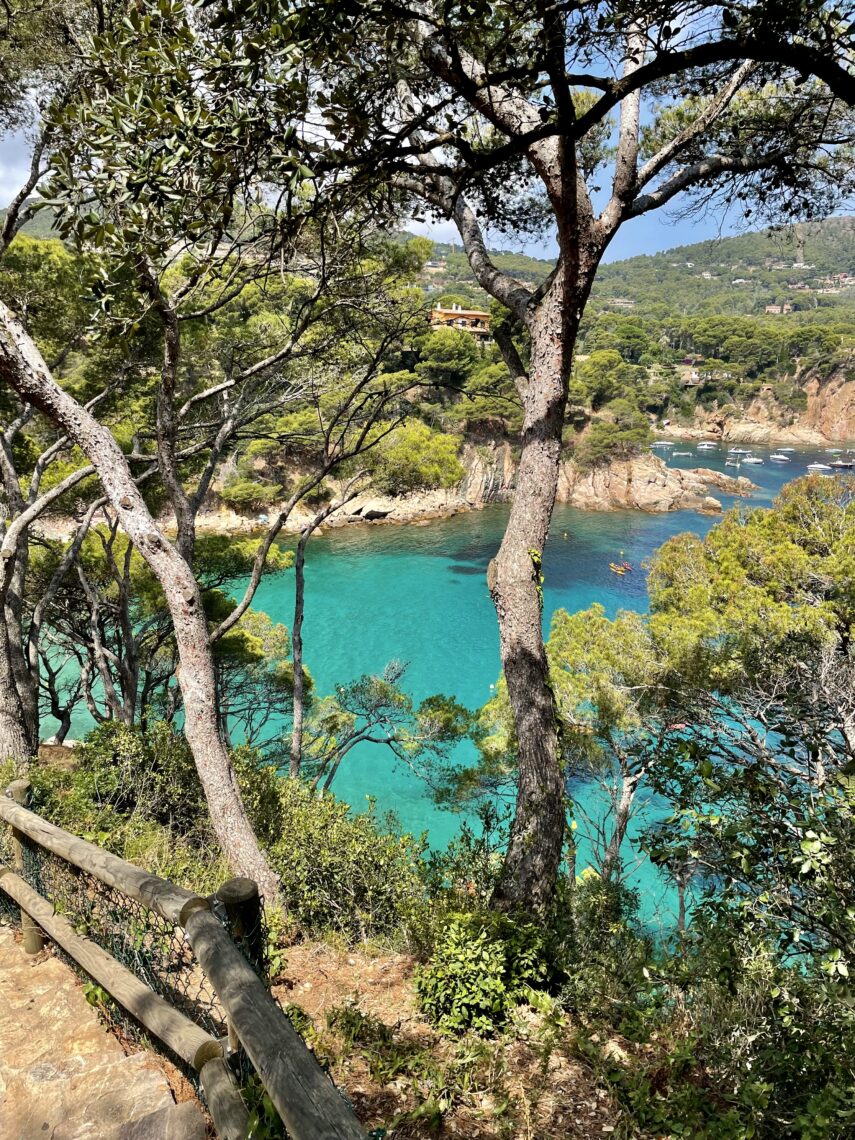
When people talk about Costa Brava beaches, they’re usually referring to those small, tucked-away coves with turquoise water. And yes, they’re just as good as they look in pictures.
Here are some of my favorites:
- Platja de Tamariu (Tamariu): Calm water, soft sand, and easy access. Great for a relaxed beach day.
- Platja de Llafranc (Llafranc): More spacious and family-friendly, with restaurants right behind it.
- Calella de Palafrugell Beaches: A mix of smaller coves and scenic views, this area is full of options.
- Platja Fonda (Begur): Dramatic and a bit more secluded, surrounded by cliffs.
- Aiguablava (Begur): Probably one of the most famous beaches in the Costa Brava region. Clear water and gorgeous surroundings.
- Sa Riera (Begur): One of the larger beaches, great for a full day.
- Cala Pola (near Tossa de Mar): A beautiful cove with that classic “hidden beach” feel.
Honestly, anywhere around Begur, Calella de Palafrugell, or Tamariu will give you access to some of the most gorgeous beaches along this rugged coast.
Pro Tip: The best beaches in Costa Brava fill up early in summer, especially in places like Begur and Calella, so aim to arrive before 10am (or later in the afternoon) to avoid crowds and secure parking.
Other Things to Do in Costa Brava
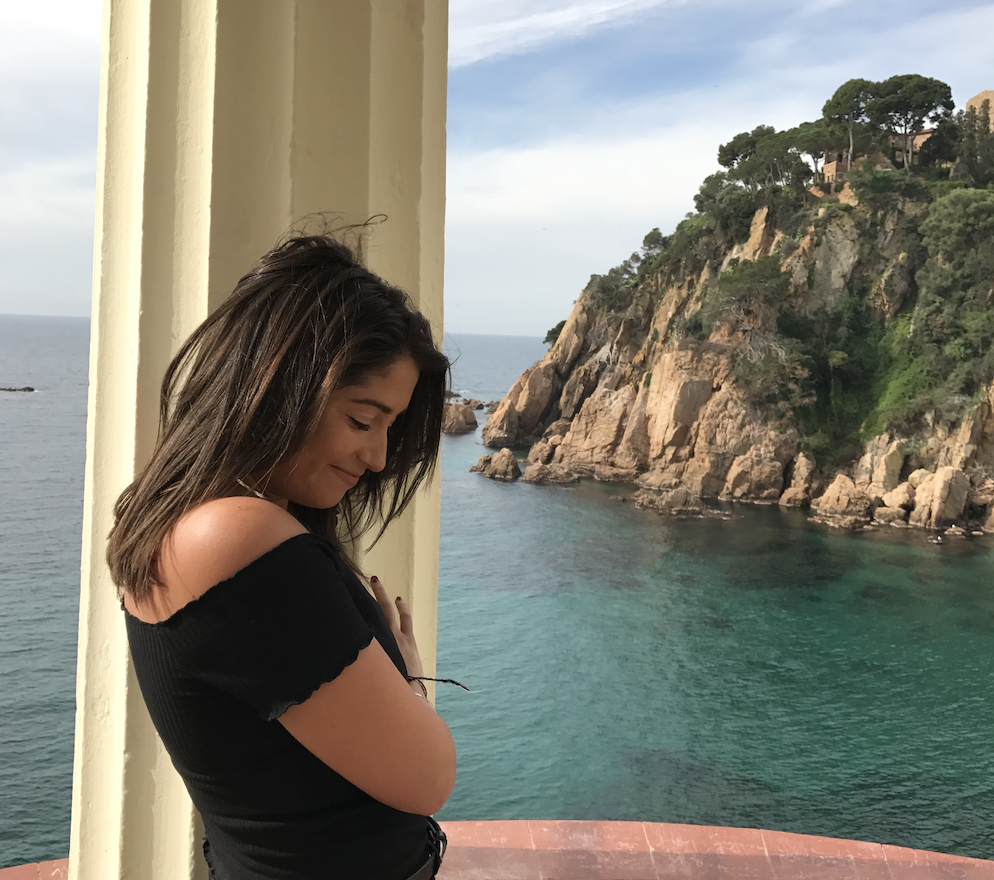
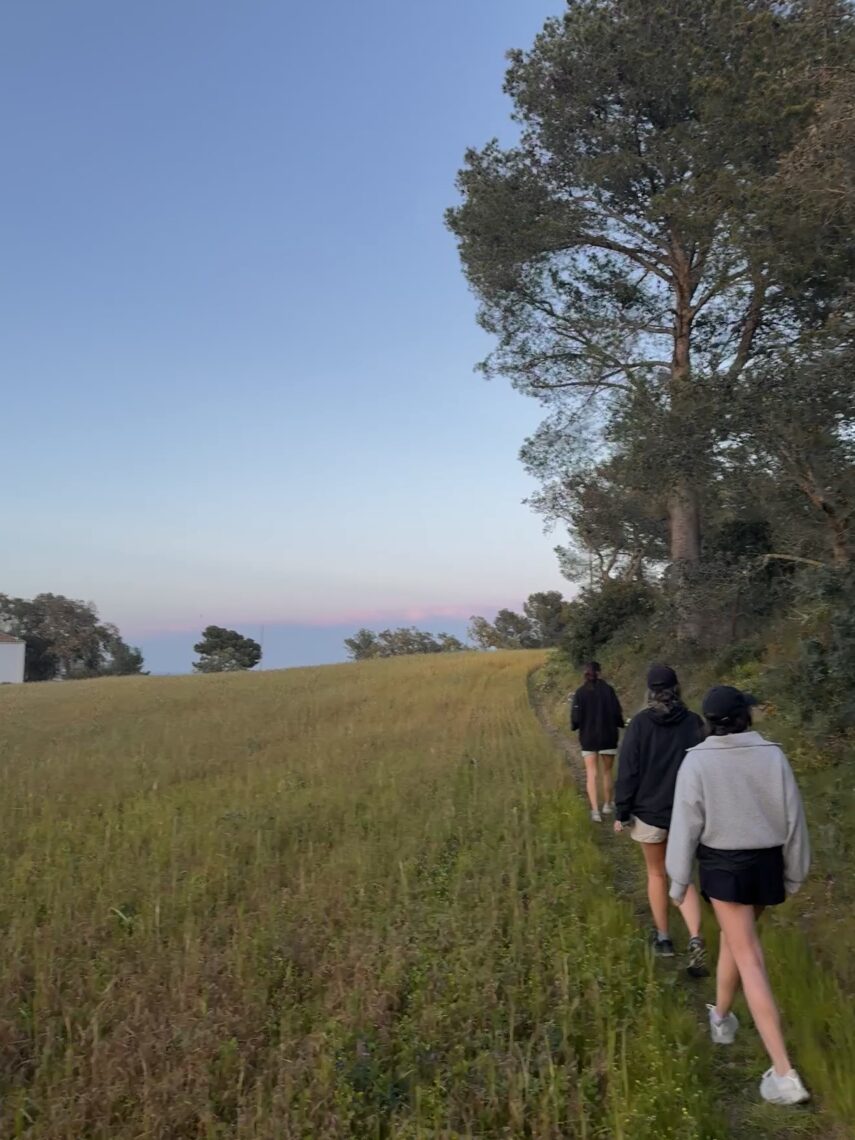
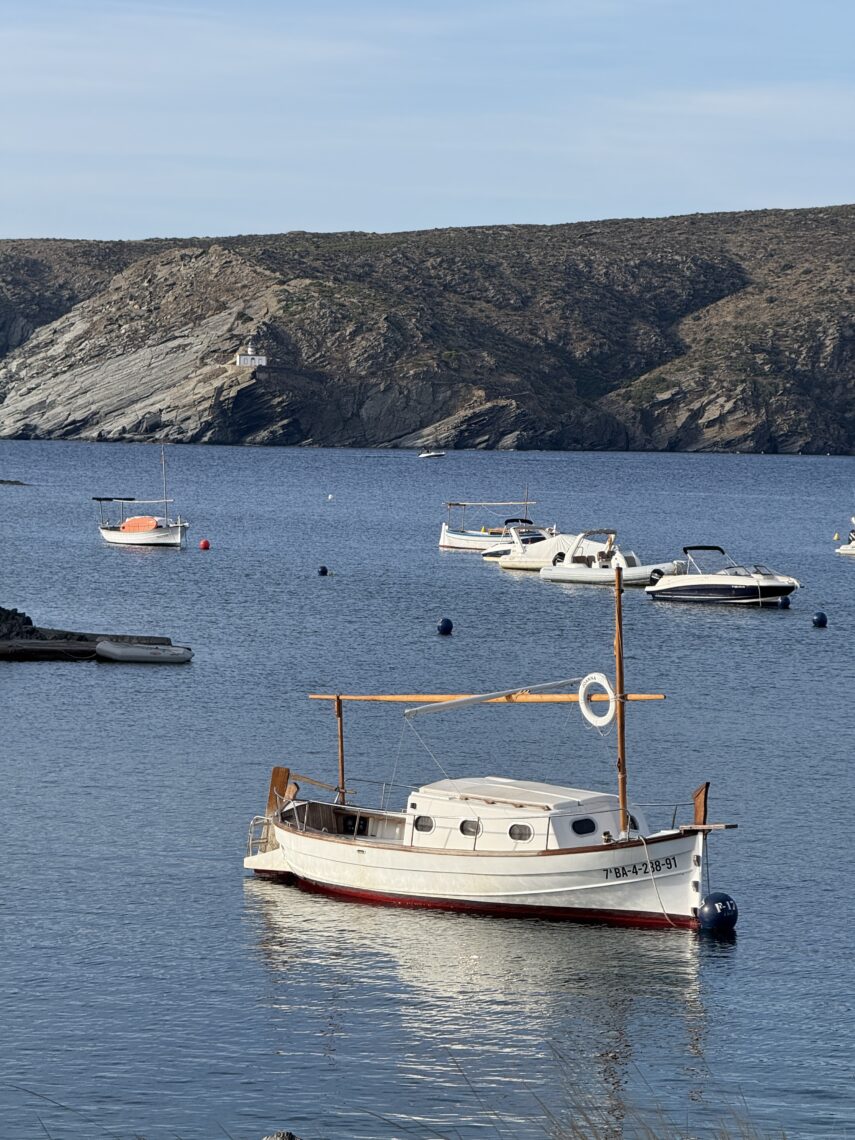
Beyond beaches, there’s a lot to explore:
- Hike the Camí de Ronda: A coastal path that connects towns and beaches with incredible views.
- Visit the Dalí Museum in Figueres: Dedicated to Salvador Dalí, it’s one of the most unique museums in Spain.
- Explore Girona: A beautiful city with medieval architecture and great food.
- Visit Cap Roig Botanical Garden: Stunning gardens overlooking the sea.
- Discover Pals or Peratallada: Two of the most charming medieval towns in the region.
- Rent a Boat: Rent a boat and sail along the coastline to gain a different perspective.
- Ceramics shopping in La Bisbal d’Empordà: Known for traditional pottery.
FAQs About Costa Brava
Where is Costa Brava?
It’s located in northeastern Spain, just outside Barcelona, stretching to the French border along the Mediterranean coast.
Why is Costa Brava famous?
For its rugged coastline, hidden coves, beautiful beaches, and strong artistic and culinary history.
What is the nicest part of Costa Brava?
In my opinion, the area around Begur and Calella de Palafrugell offers the best balance of beaches, restaurants, and scenery.
How many days do you need in Costa Brava?
At least 2–3 days, but ideally 4–5 if you want to explore multiple towns.
Do you need a car to visit Costa Brava?
Yes, I highly recommend it. It makes a huge difference in what you can see and do.
Planning a trip to Barcelona’s Coastline? Here are some articles that can help!
8 Cities to Visit in Catalonia, Spain
How to Get From Barcelona to Costa Brava: Best Routes & Travel Tips
The Ultimate Guide to Begur, Spain: Beaches, Hotels & Things to Do
17 Best Things To Do in Costa Brava, Spain: Beaches, Towns & Hidden Gems
Travel Guide to Calella de Palafrugell
Where to Stay Near Calella de Palafrugell
Barcelona Travel Guide: The Perfect 3 Day Itinerary for First Time Visitors
How to Get From Girona to Barcelona
10 Underrated Beach Destinations in Europe to Travel to This Summer
Spending a Day in Cadaques, Spain
Best Hotels in Barcelona: 18 Incredible Stays
Best Neighborhoods to Stay in Barcelona
Is Barcelona Worth Visiting? My Take After Living Here the Past 8 Years
Final Thoughts on Visiting Costa Brava, Spain
If you’re planning a trip to Spain and debating whether to add the Costa Brava, take this as your sign. It’s one of those places that feels both relaxed and full of discovery at the same time.
From coastal hikes and beach days to long lunches by the sea, it’s a region that’s easy to fall in love with, and even easier to keep coming back to.
If you’re looking for the perfect escape from the hustle and bustle of Barcelona, Costa Brava is the perfect choice.


No Comments