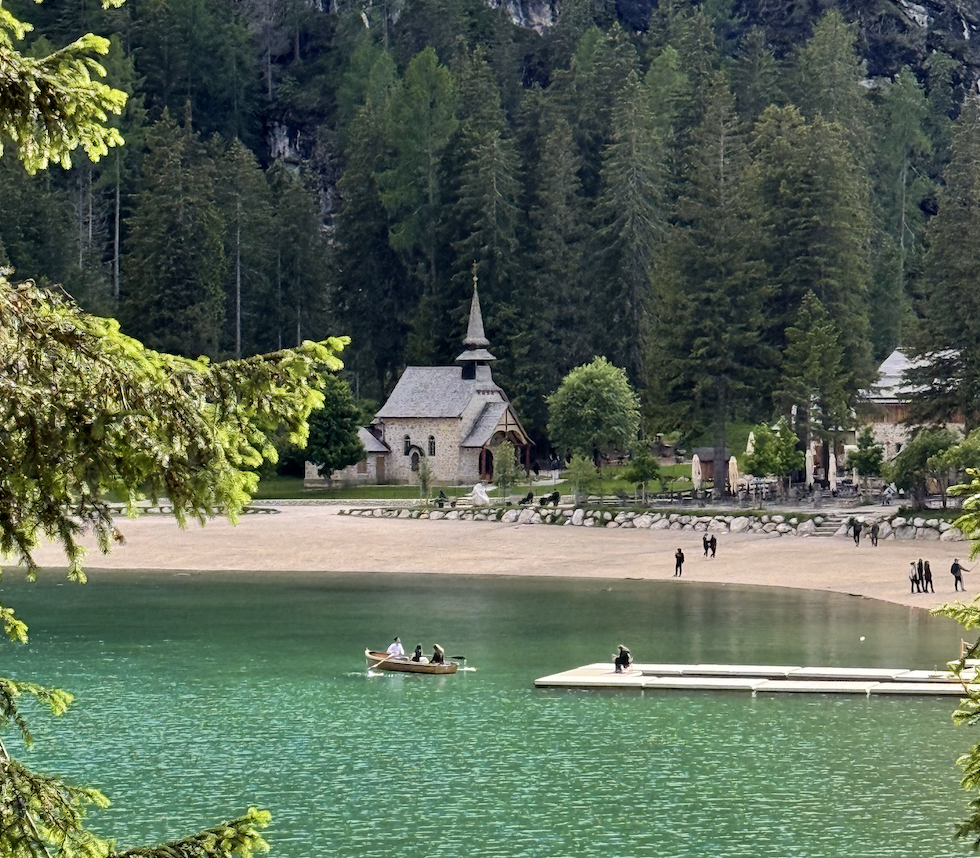
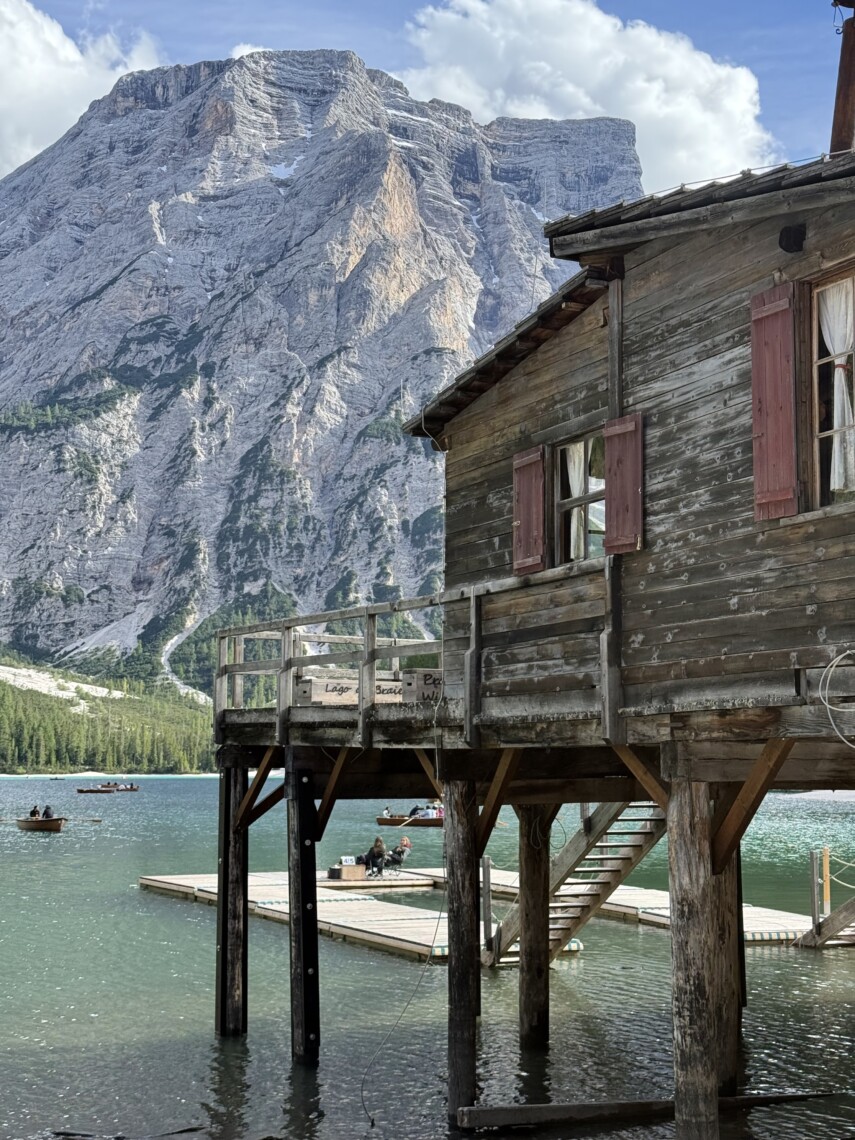
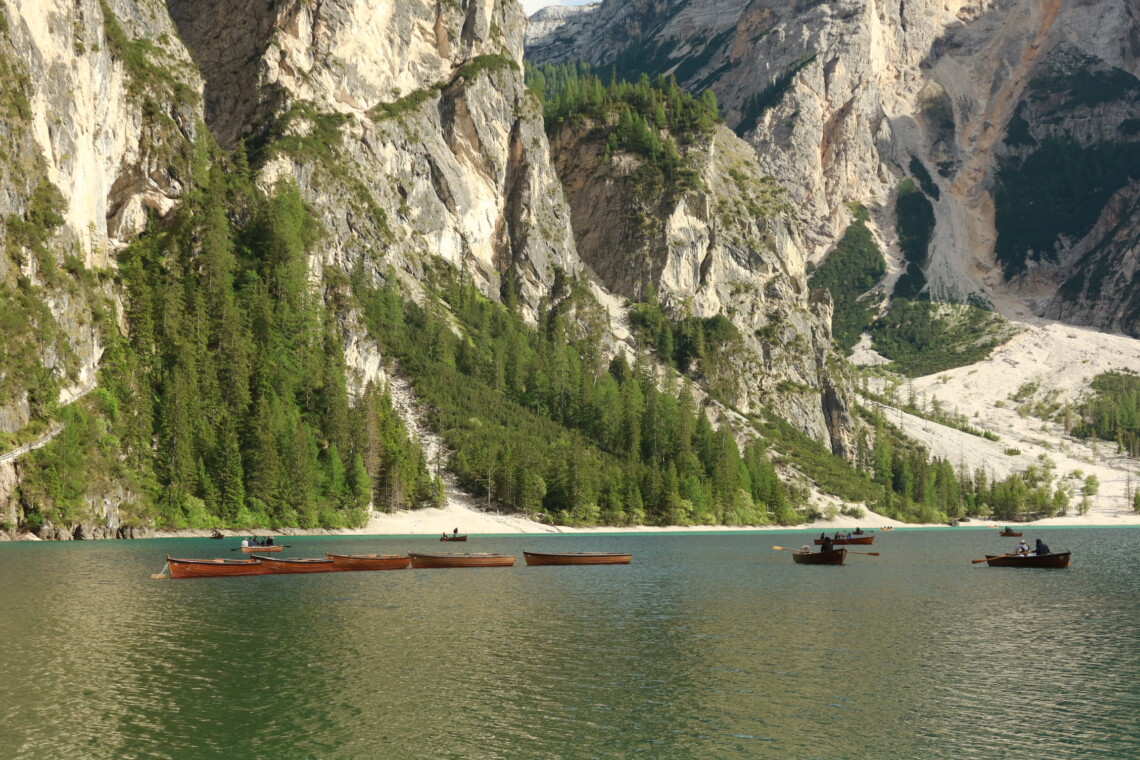
If you’ve done any research on the Dolomites, you have probably already come across this iconic scene: turquoise water, little wooden boat house perched on the shore, and jagged peaks rising straight up behind it like a painted backdrop. That’s Lago di Braies, and yes, it really does look like that in person. It’s one of the most jaw-dropping scenes in the Dolomites, which is a bold claim considering this area is dripping with mesmerizing viewpoints.
Known locally as Pragser Wildsee (its South Tyrolean German name), this alpine lake sits in a quiet corner of the Prags Dolomites in South Tyrol, right where Italian and Austrian culture blend into something uniquely its own. It’s become one of the most photographed spots in the entire mountain range, and honestly, it earns the hype. But here’s the thing nobody tells you until you’re already stuck in a two-hour parking queue: visiting Lago di Braies well requires a bit of planning.
After my most recent trip to the Dolomites, I learned that this spot is 100% worth a visit, however, with a caveat: you have to come at the right time to fully enjoy it.
This guide covers everything, from parking rules and shuttle logistics to the best time to go, where to stay nearby, and which trails are worth lacing up your boots for.
This post contains affiliate links, which means I may earn a small commission if you book through them, at no extra cost to you.
Quick Picks: Where to Stay Near Lago di Braies
- Hotel Pragser Wildsee: the only hotel right on the lake; wake up to the view before the day-trippers arrive.
- Gstattlhof Mountain Farmhouse: a cozy working-farm stay just outside the valley for a quieter, rustic base.
- Gasthof Albergo Dolomiten: a classic South Tyrolean guesthouse in Prags village with hearty regional cooking.
Key Takeaways
- Lago di Braies (Pragser Wildsee) sits in the Prags Valley in South Tyrol, part of the Fanes-Sennes-Prags Nature Park.
- Summer parking is extremely limited and often full by 7am; shuttle buses from Val Pusteria are the more reliable option June through September.
- The full loop around the lake takes about 1-1.5 hours and is flat, family-friendly, and stroller-accessible.
- Early fall (September) and shoulder-season mornings are the sweet spot for fewer crowds and calmer water for reflection photos.
Where Exactly Is Lago di Braies?
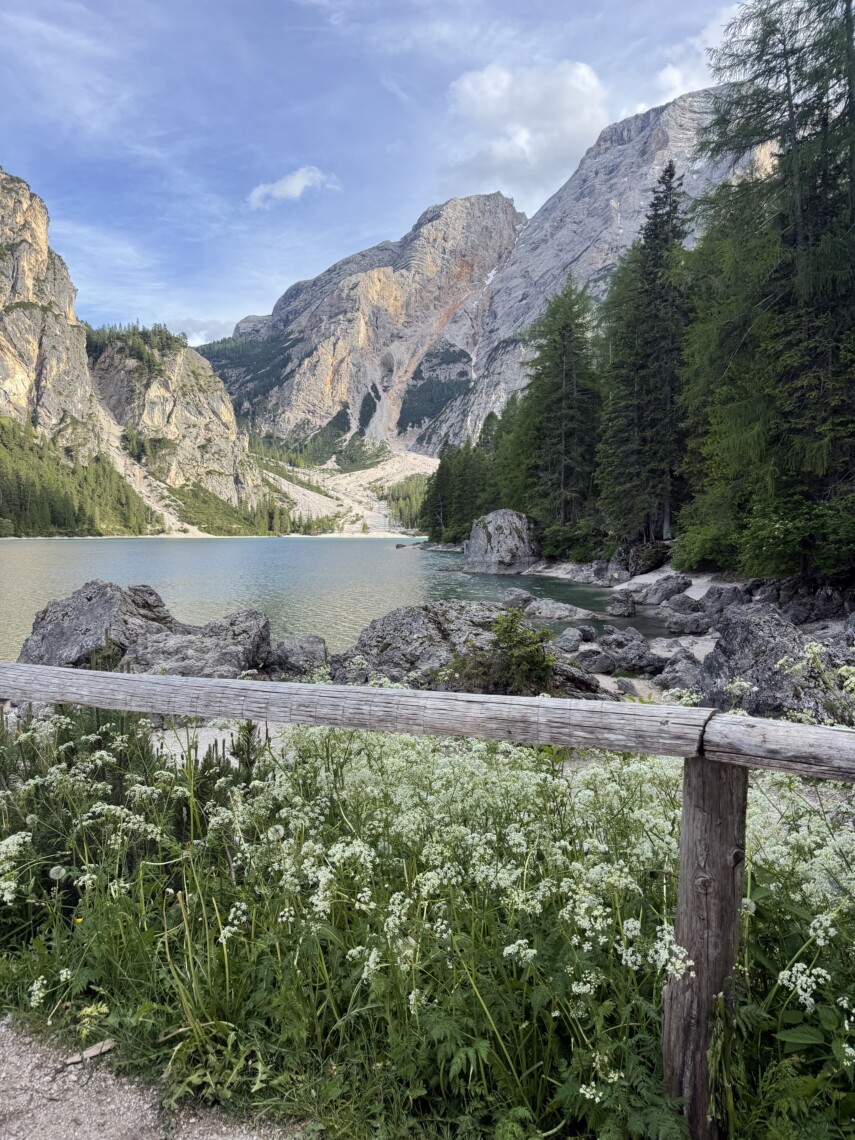
Lago di Braies sits tucked into the Pragser Tal Valley, a narrow, forested valley that branches off from the wider Val Pusteria in South Tyrol, northern Italy. Geographically, we’re talking Trentino-Alto Adige, the bilingual region where road signs read in both Italian and German and where “buongiorno” and “guten Morgen” get used pretty much interchangeably depending on who you’re talking to.
That bilingual identity matters for your search, by the way. If you’re coming across German-language forums or booking sites, you’ll see it called Pragser Wildsee almost exclusively; the Italian name Lago di Braies is used more in English and Italian contexts, but they refer to the exact same lake. Same water, same boat house, same mountain backdrop, just two names depending on which side of the cultural line you’re standing on.
The lake sits at roughly 1,496 meters above sea level, ringed by dramatic peaks including Croda del Becco (Seekofel in German), which towers over the northern shore. It’s a natural lake, formed by glacial activity thousands of years ago, and it’s fed by underground springs rather than a visible river, which is part of why the water stays so clear and so still on windless mornings.
How to Get There: Parking, Shuttles, and Reaching Lake Braies
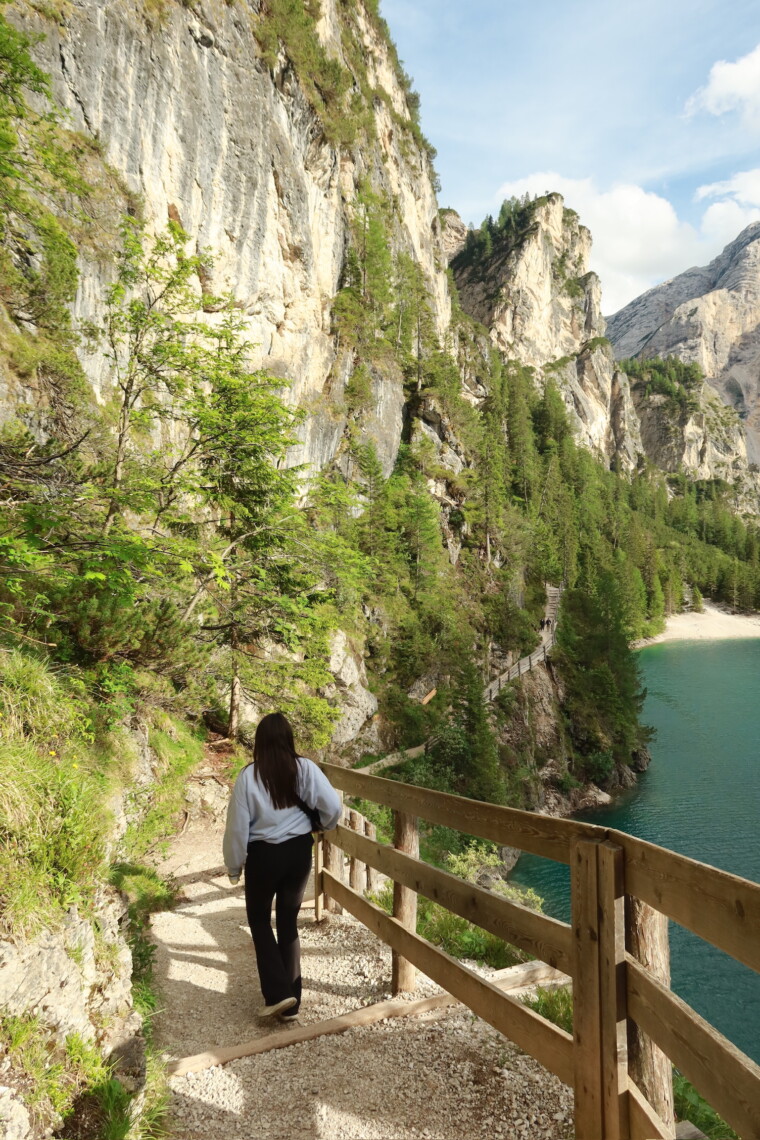
Lago di Braies is not a drive-up-and-park kind of destination anymore, at least not during peak season. The valley simply can’t handle the volume of cars that want in during July and August, so local authorities have put strict access rules in place.
Parking Rules
There are two main paid car parks near the lake, both run on a first-come, first-served basis:
- Lake car park (Parkplatz Pragser Wildsee): Right by the water, but fills up fast, often before 7am in peak summer.
- Lower valley car parks: Located further down the Prags Valley, closer to the village of Prags itself, with shuttle connections up to the lake.
Between roughly 9:30am and 4pm from late June through late September, private cars are typically restricted from driving all the way up to the lake unless you’re staying at one of the hotels directly on-site (more on that below). If you don’t have a lake-side reservation, plan to park lower down and shuttle up.
Keep in mind this is for peak season. I came in mid June at around 7pm and I had no issues parking at the lake car park. This is just a reminder that sometimes the best time to visit the Dolomites is the shoulder season for these easy conveniences.
Shuttle Bus Option
The shuttle is the smarter move during peak season even if parking is technically available. Buses run regularly from towns throughout Val Pusteria, including Villabassa (Niederdorf) and Monguelfo (Welsberg), with the ride up to the lake taking about 15-20 minutes. It’s cheap, it’s stress-free, and it’s really convenient if you don’t want to deal with the parking fiasco by the lake.
If you’re basing yourself further afield, San Candido and Dobbiaco (near Lake Dobbiaco, another gorgeous stop worth a detour) both have train connections and bus links into the valley, making them solid alternative bases when lake-side accommodation is booked out.
Reaching Lake Braies Without a Car
Train travelers can get to Villabassa or Monguelfo on the Val Pusteria line and hop the seasonal shuttle from there. It takes a little longer than driving, but it’s still a great option if you don’t want to rent a car.
Best Time to Visit Lago di Braies in the Dolomites
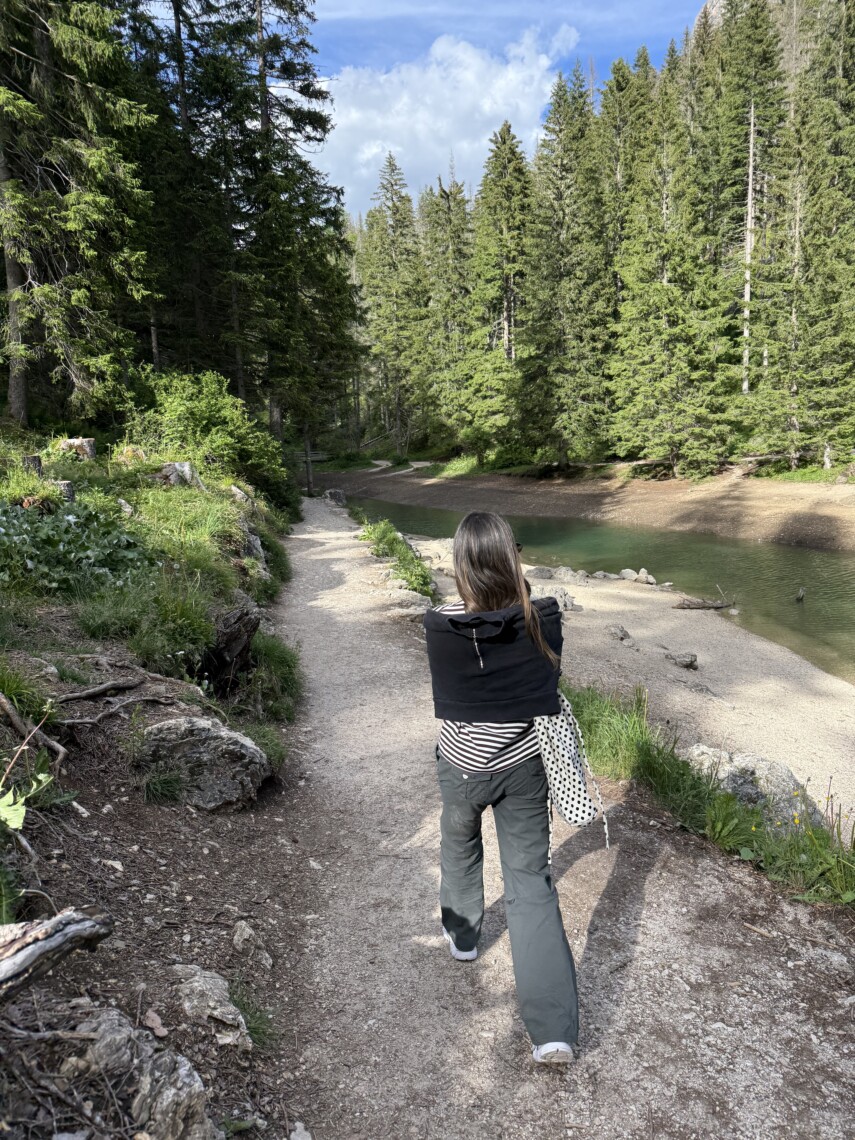
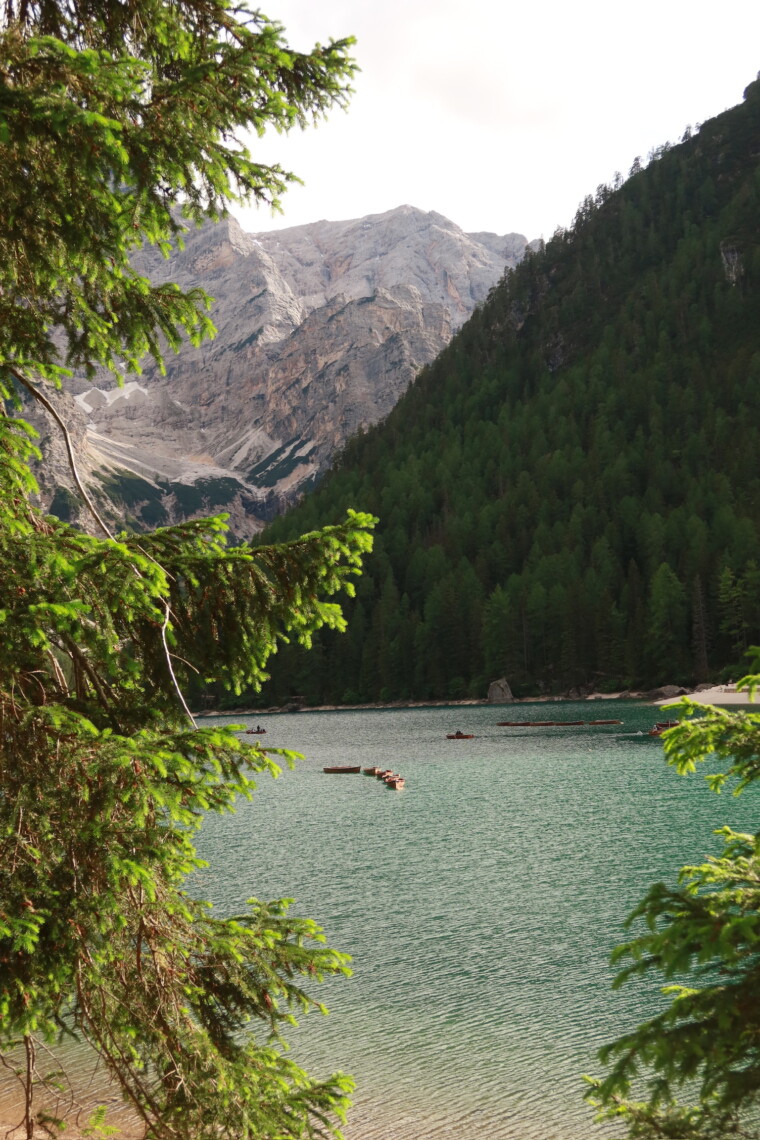
Timing is everything here, especially when visiting the iconic sights of the Dolomites.
Early morning (before 8am) is when you’ll get the classic reflection shot, the one where the mountains mirror perfectly on glassy water. Wind tends to pick up by mid-morning and ripples the surface, so if that iconic photo is on your bucket list, set an alarm.
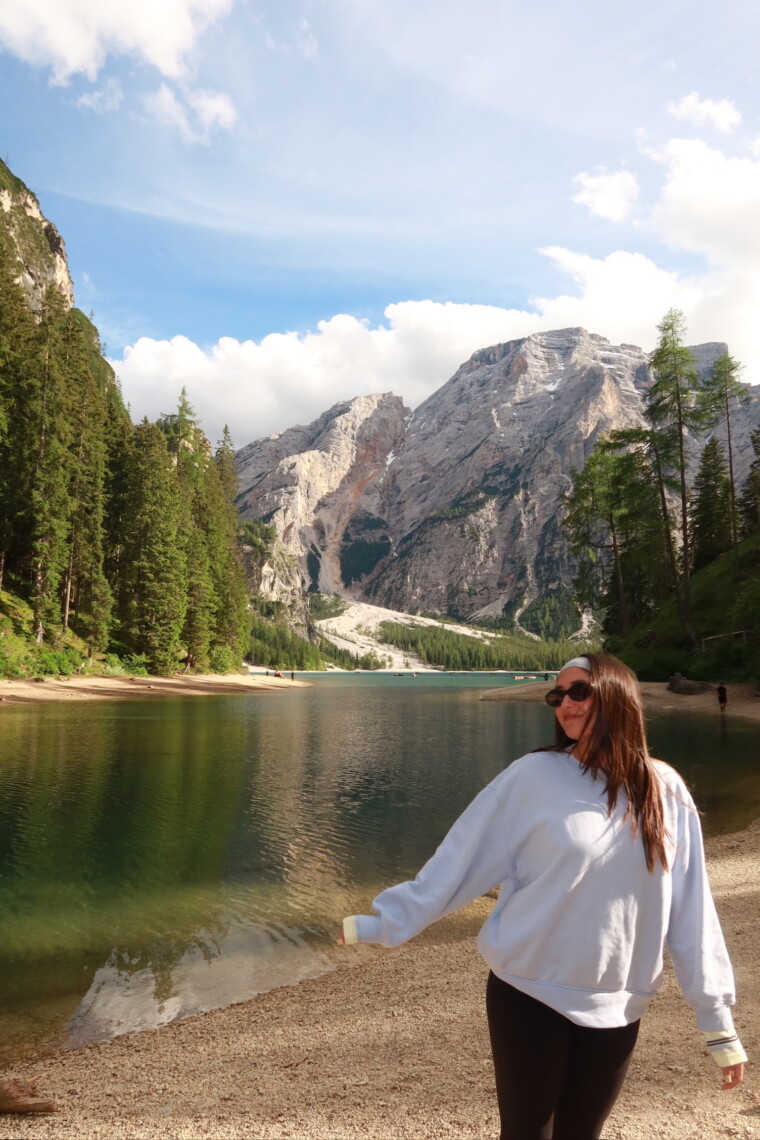
Summer months (June-August) bring the warmest weather and the fullest crowds. It’s genuinely beautiful, no argument there, but you’ll be sharing the shoreline with a lot of other people, and parking chaos is at its worst. Even when we came around 7pm there were still plenty of people along the river’s edge.
Early fall (September into early October) might be the single best window. The crowds thin out considerably after the last week of August, the larch trees start turning gold against the evergreens, and the air has that crisp bite that makes hiking far more comfortable than it is in July’s heat.
Winter transforms the lake into something else entirely, a frozen, snow-dusted basin that’s stunning in its own stark way, though many facilities close and some trails become inaccessible without proper gear.
What to Do at Lago di Braies
Walk the Lake Loop
The classic activity, and honestly the one 90% of visitors do, is the flat loop trail circling the entire lake. It takes about an hour to ninety minutes at a relaxed pace, is stroller and wheelchair accessible in most sections, and offers a different angle on those mountains with every few steps. Bring a picnic, take your time, and be sure to visit the far end of the lake to avoid the crowds.
Rent the Wooden Boat
That iconic wooden boat house isn’t just for photos. You can actually rent rowboats right there on the shore and paddle out onto the lake yourself. It’s not cheap, and lines can build up in peak season, but many people find that this is the best way to see the lake.
Hike to Rifugio Biella and Croda del Becco
For those wanting more than a lakeside stroll, a trail climbs steeply from the northern shore up toward Rifugio Biella, a mountain hut with panoramic views back down over the lake and valley. From there, more ambitious hikers can push on toward the summit ridge of Croda del Becco itself. Expect roughly 3-4 hours round trip to the rifugio and back, with a solid elevation gain that’ll get your legs burning.
Connect to Alta Via 1
If you’re a serious trekker, Lago di Braies holds a special distinction: it’s the official starting point (or ending point, depending on direction) of Alta Via 1, arguably the most famous long-distance hiking route through the Dolomites. Multi-day trekkers often begin their journey right here at the lake before working north toward Lago di Sorapis and beyond, so even if you’re not tackling the whole route, it’s worth knowing you’re standing at the trailhead of something legendary.
Where to Stay Near Lago di Braies
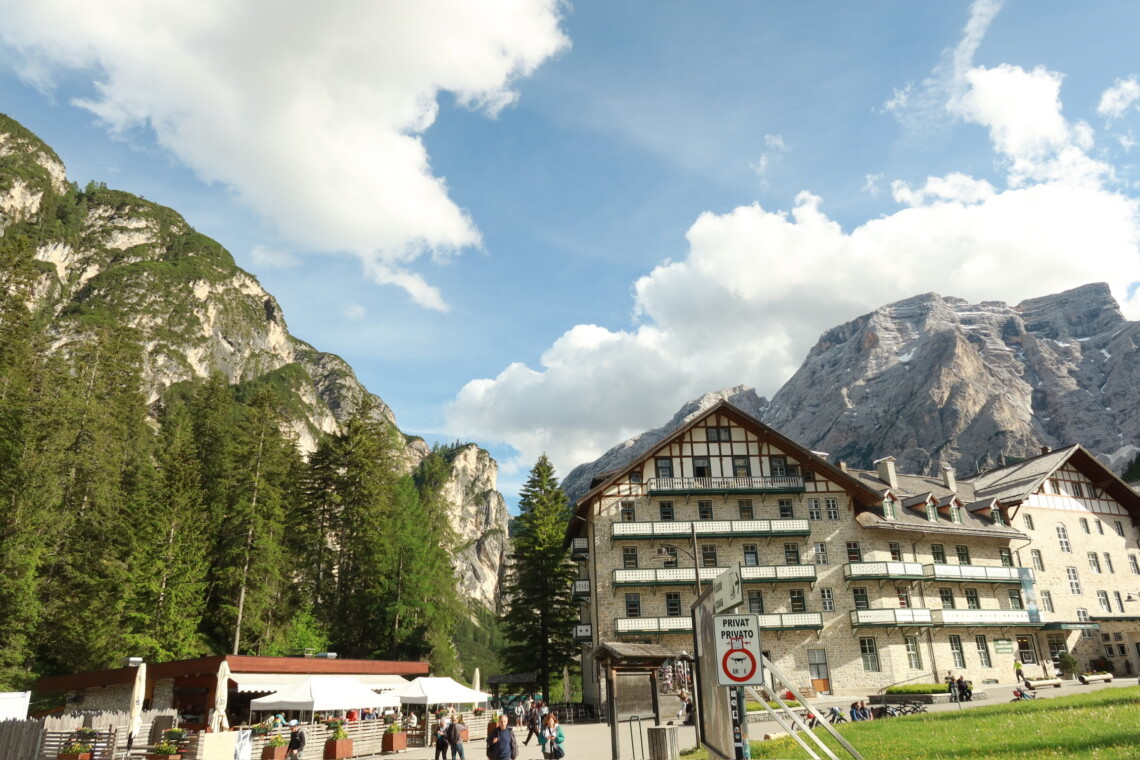
Right at the Lake
There’s exactly one hotel positioned directly on the water: the historic Hotel Pragser Wildsee, a grand lakeside property that’s been welcoming guests since the 1800s. Staying here means you get the lake to yourself before the day-trip crowds arrive and after they leave, which honestly might be the single best way to experience the place. Book well in advance though; rooms go fast, especially in summer.
Other nearby accommodations:
In the Prags Valley
The village of Prags itself, a short drive or shuttle ride down the valley, has a handful of family-run hotels and apartments that make solid bases if the lakeside hotel is booked or out of budget. You’ll trade lake-view mornings for easier logistics and generally lower prices.
Camping Options
For a more budget-friendly or flexible stay, Camping Olympia in the wider Val Pusteria area offers a good launching point for exploring not just Braies but the broader Dolomites region, including day trips toward Cortina d’Ampezzo and Lake Misurina.
Alternative Bases
San Candido, Dobbiaco, and even further-flung towns like Cortina d’Ampezzo across the regional border give you more accommodation flexibility, particularly if you’re building a longer Dolomites itinerary that includes multiple lakes and valleys rather than just Braies alone. I personally stayed in Cortina d’Ampezzo as well as Ortisei during my 9-day trip to the Dolomites.
Check out my related article: Where to Stay in the Dolomites: The Best Hotels for Every Budget
Lago di Braies vs. Other Dolomite Lakes
The Dolomites are stacked with gorgeous alpine lakes, and Braies isn’t traveling alone in that department. Lago di Carezza, with its reflective views of the Latemar massif, draws its own crowds further south. Lago di Dobbiaco offers a quieter, less-visited alternative just down the valley. And Lake Misurina, near Cortina, rounds out the trio of postcard-worthy mountain lakes in the region.
That said, there’s a reason Lago di Braies gets most of the attention: the combination of accessible walking trails, that famous boat house, and mountains that seem to rise almost vertically from the shoreline creates a scene that’s genuinely hard to match.
Practical Tips for Visiting Lake Braies
- Arrive early or late. Before 8am or after 5pm gives you calmer water and thinner crowds.
- Book lakeside parking or hotel stays weeks in advance during summer months. Book your parking here.
- Pack layers. Even in July, mountain weather shifts fast, and it can get chilly once the sun dips behind the peaks.
- Bring cash for the boat rental and smaller valley businesses that don’t always take cards.
- Check shuttle schedules in advance since frequency drops in shoulder season.
- Wear proper hiking shoes if you’re planning anything beyond the flat lake loop, especially toward Rifugio Biella.
FAQ: Lago di Braies
Is Lago di Braies the same as Pragser Wildsee?
Yes. Lago di Braies is the Italian name and Pragser Wildsee is the German (South Tyrolean) name for the exact same lake. Locally, you’ll hear both used depending on the language of the speaker.
Do I need to pay to park at Lake Braies?
Yes, both the lakeside and valley car parks charge hourly or daily rates, and prices climb during peak summer season. Arriving early is your best bet for actually finding a spot.
Can you swim in Lago di Braies?
Swimming is officially prohibited in the lake to protect the fragile alpine ecosystem, though renting one of the wooden rowboats is allowed and honestly a better way to experience the water anyway.
How long does it take to walk around the lake?
The full loop trail takes about 1 to 1.5 hours at a relaxed walking pace, and the path is largely flat and accessible for most fitness levels.
What’s the best month to visit Lago di Braies?
June and September tend to offer the best balance of good weather and thinning crowds. Early mornings year-round also help you beat the crowds.
Is Lago di Braies worth visiting if I only have one day in the Dolomites?
Absolutely, particularly if you pair the lake with a short hike up toward Rifugio Biella for elevated views. Just plan your arrival time carefully given the parking and shuttle restrictions.
How far is Lago di Braies from Cortina d’Ampezzo?
It’s roughly an hour’s drive, making it a feasible day trip if you’re based in Cortina, though the mountain roads mean you should budget extra time, especially in high season traffic.
Final Thoughts
Lago di Braies isn’t one of those overhyped spots that disappoints once you’re standing there in person. If anything, photos undersell it. With that being said, getting the most out of a visit really does come down to timing your trip right, sorting out parking or shuttle logistics ahead of time, and building in enough time to wander beyond the shoreline if you can.
Whether you’re ticking it off as a quick stop on a broader South Tyrol road trip or using it as your launchpad onto Alta Via 1, Lago di Braies rewards a little planning with an experience that’s genuinely hard to top anywhere else in the Dolomites. Pack your camera, set an early alarm, and go see it for yourself.
Planning a trip to the Dolomites? Check out my latest articles:
- The Best Things to Do in the Dolomites: Hikes, Drives, & Towns
- Lago di Sorapis: The Complete Guide to Hiking This Famous Dolomites Trail
- Ortisei Travel Guide 2026: The Most Charming Village in the Dolomites
- Tre Cime di Lavaredo Hike: The Complete Guide (2026)
- Where to Stay in the Dolomites: The Best Hotels for Every Budget
- Best Time to Visit the Dolomites: A Season-by-Season Guide
- Dolomites Hiking Guide: Best Hikes in the Dolomites
- My Complete 9 Day Dolomites Itinerary: Hikes, Rifugios, and Where to Stay
- Dolomites Hiking Guide: Best Hikes in the Dolomites
- Everything You Need to Know About the Cadini di Misurina Hike in the Dolomites
- The Ultimate Dolomites Packing List for Summer
- Cortina d’Ampezzo Travel Guide 2026: Hotels, Hiking & How to Get There
- Alpe di Siusi in 2026: The Complete Guide to Europe’s Highest Alpine Meadow
- Seceda: The Complete Guide to Hiking the Dolomites’ Most Iconic Ridgeline
- Lago di Braies: The Complete Guide to Visiting the Dolomites’ Most Famous Lake

No Comments