
Some places sneak up on you. Cortina d’Ampezzo isn’t one of them. This is a destination that announces itself the moment the road curves out of the valley and those jagged, honey-colored peaks rise up behind the entire town. It’s a staggering view to say the least.
Whether you’re chasing fresh powder, hunting for the perfect alpine lake photo, or just craving a plate of Canederli (the local dumplings) after a long hike, Cortina d’Ampezzo has a way of delivering exactly what you didn’t know you needed. This guide covers everything, from logistics to lodging to the hikes that’ll make your entire trip worth it.
This article contains affiliate links, which means I may earn a small commission at no extra cost to you if you book or purchase through them. Thank you for supporting my blog!
Key Takeaways
- Location: Cortina d’Ampezzo sits in the Veneto region of northeastern Italy, tucked into the Ampezzo Valley within the Dolomites, close to the South Tyrol border.
- Getting there: The easiest routes run through Venice Airport (about 2 hours by car or Cortina Express bus) or via Cortina d’Ampezzo to Milan, roughly a 4-5 hour journey.
- Where to stay: Options range from cozy family-run stays like Hotel Ciasa Lorenzi to elegant properties like Ancora Cortina, so there’s a fit for nearly every budget.
- Best time to visit: Winter brings world-class skiing and Olympic history; summer unlocks hiking trails, alpine lakes, and warm-weather charm. Both seasons are seriously worth a visit.
- Must-see nature: Tre Cime di Lavaredo, Cinque Torri, Lago di Sorapis, and Lago di Braies are non-negotiable stops for outdoor lovers.
Where Is Cortina d’Ampezzo, Italy?
So, where is Cortina d’Ampezzo, exactly? It’s nestled in the heart of the Ampezzo Dolomites, part of Italy’s Veneto region, though it feels culturally and geographically closer to South Tyrol at times, thanks to its Ladin heritage and Austro-Hungarian past. The town sits in a bowl-shaped valley surrounded by some of the most dramatic peaks in the Italian Alps, including Tofana di Mezzo, Monte Cristallo, and Croda da Lago.
The Boite River winds right through town, giving Cortina that postcard-perfect alpine village feel without trying too hard. At roughly 1,224 meters above sea level, the elevation alone sets the stage for cooler summers and serious snow in winter. It’s about 120 kilometres north of Venice, which, depending on traffic and mountain switchbacks, translates to a scenic (if occasionally hair-raising) two-hour drive.
Fun fact: Cortina d’Ampezzo has bounced between Italian and Austrian control more than once throughout history, which explains why you’ll hear a curious blend of Italian, German, and Ladin floating around town.
A Quick Dip Into Cortina’s History
Cortina wasn’t always the glamorous mountain retreat it is today. Long before jet-setters started flooding in, this was a quiet farming and trading outpost caught in the crossfire of empires.
- World War history: The surrounding peaks saw brutal fighting during World War I, and hiking trails today often trace old military paths carved into the rock. Some rifugios you’ll pass were originally built as shelters for soldiers.
- Winter Olympic legacy: Cortina hosted the 1956 Winter Olympics, a milestone that transformed it from alpine village to international ski destination practically overnight. And history’s repeating itself: Cortina co-hosted the 2026 Winter Olympics alongside Milan, so the town’s Olympic spirit is very much alive.
How to Get to Cortina d’Ampezzo
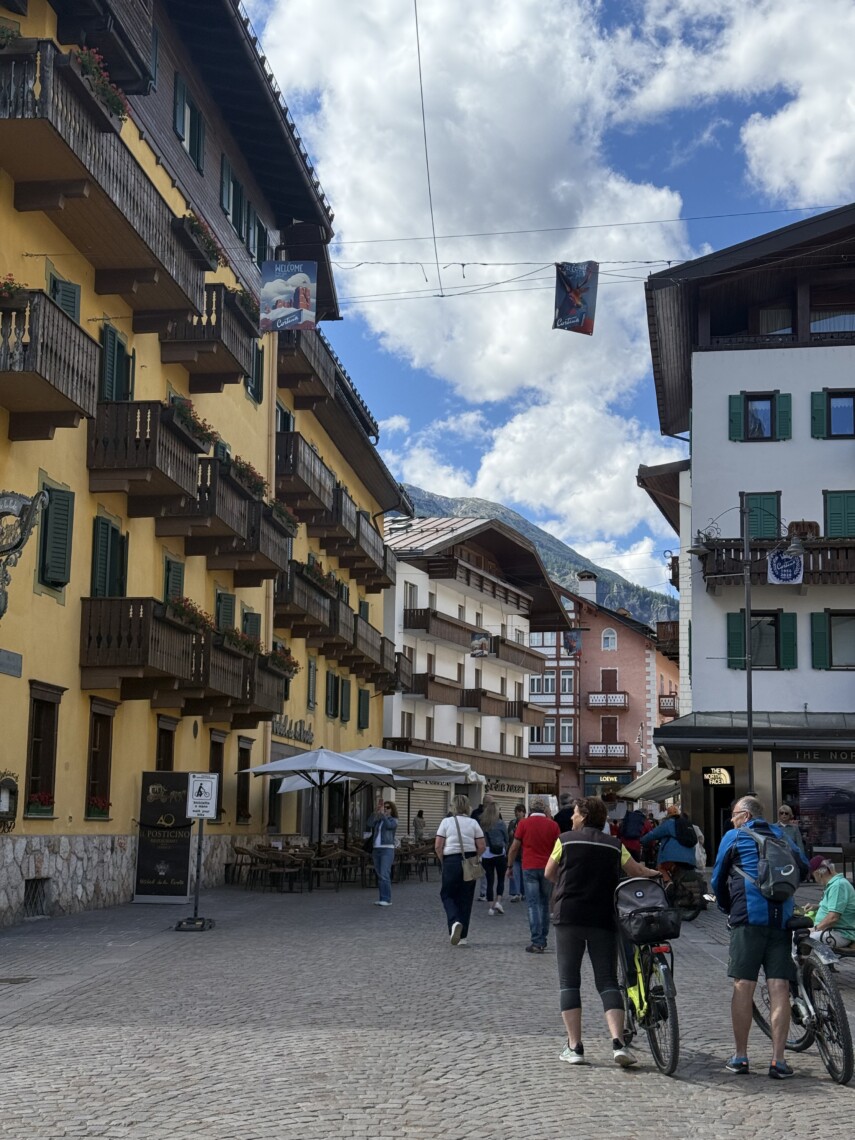
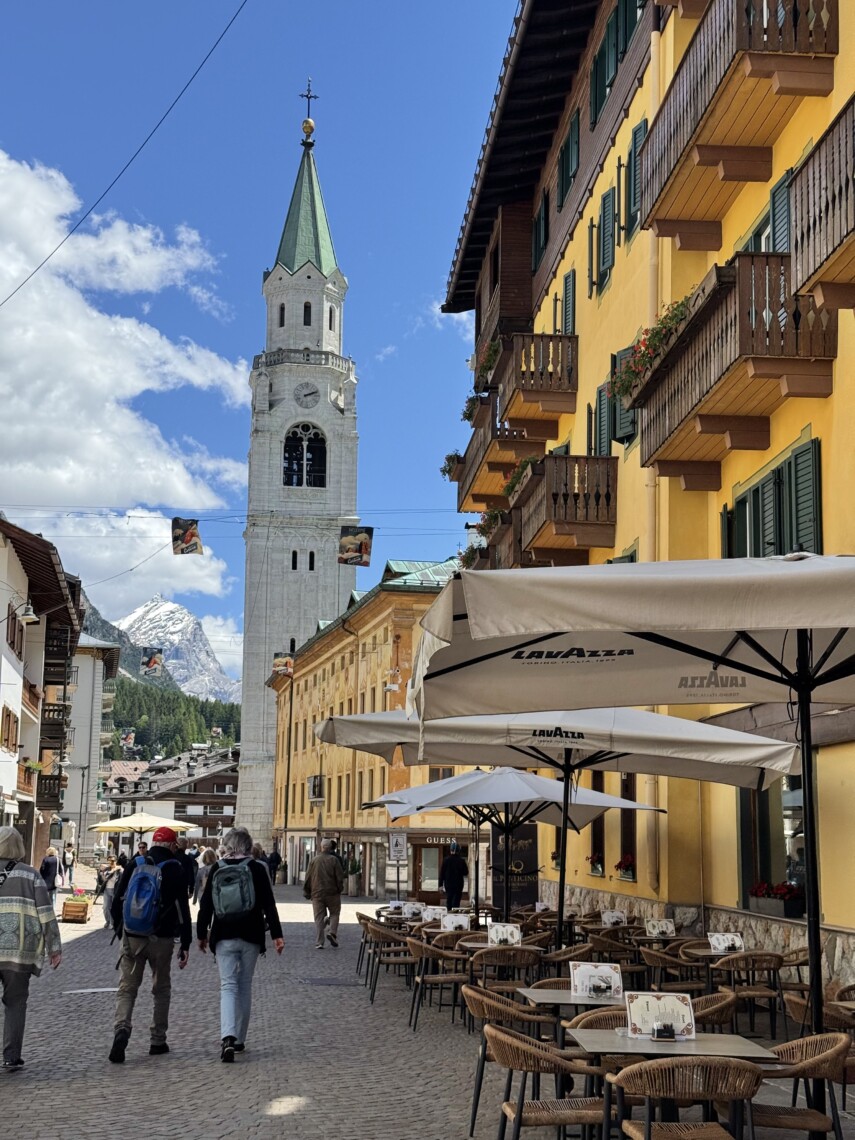
Now, let’s get into the practical bit. You may already be asking yourself, “How do you get to Cortina d’Ampezzo without losing your mind (or your luggage)”? Luckily for you, there are a few solid routes, depending on where you’re coming from.
From Venice Airport
This is the most popular entry point. On my most recent Dolomites itinerary, we flew into Venice, and it really was the best option for what we needed. Venice Airport (Marco Polo) sits roughly 2 hours from Cortina by car. If you’re not renting a car, the Cortina Express bus service runs directly from Venice Airport (and Venice’s Mestre train station) straight into town, no transfers needed. It’s affordable, reliable, and honestly kind of scenic once you hit the mountains.
Cortina d’Ampezzo to Milan
If you’re flying into Milan instead, getting from Cortina d’Ampezzo to Milan (or vice versa) takes a bit more patience. Expect around 4 to 5 hours by car, or a combination of train and bus if you’re going the public transit route. There’s no direct train into Cortina itself, so you’ll typically train to Calalzo di Cadore and then hop a connecting bus.
Driving In
If you love a good road trip, driving is honestly the way to go. This is what we did and I honestly could not imagine doing our trip by public transportation. The route in winds through some genuinely breathtaking views, hairpin turns, and cliffside vistas. Just be cautious in winter; snow chains are sometimes mandatory, so check conditions before you set off. While we did meet people who did their entire Dolomites trip with public transportation, I highly recommend renting a car so that you can have complete flexibility throughout your stay.
Where to Stay in Cortina d’Ampezzo, Italy
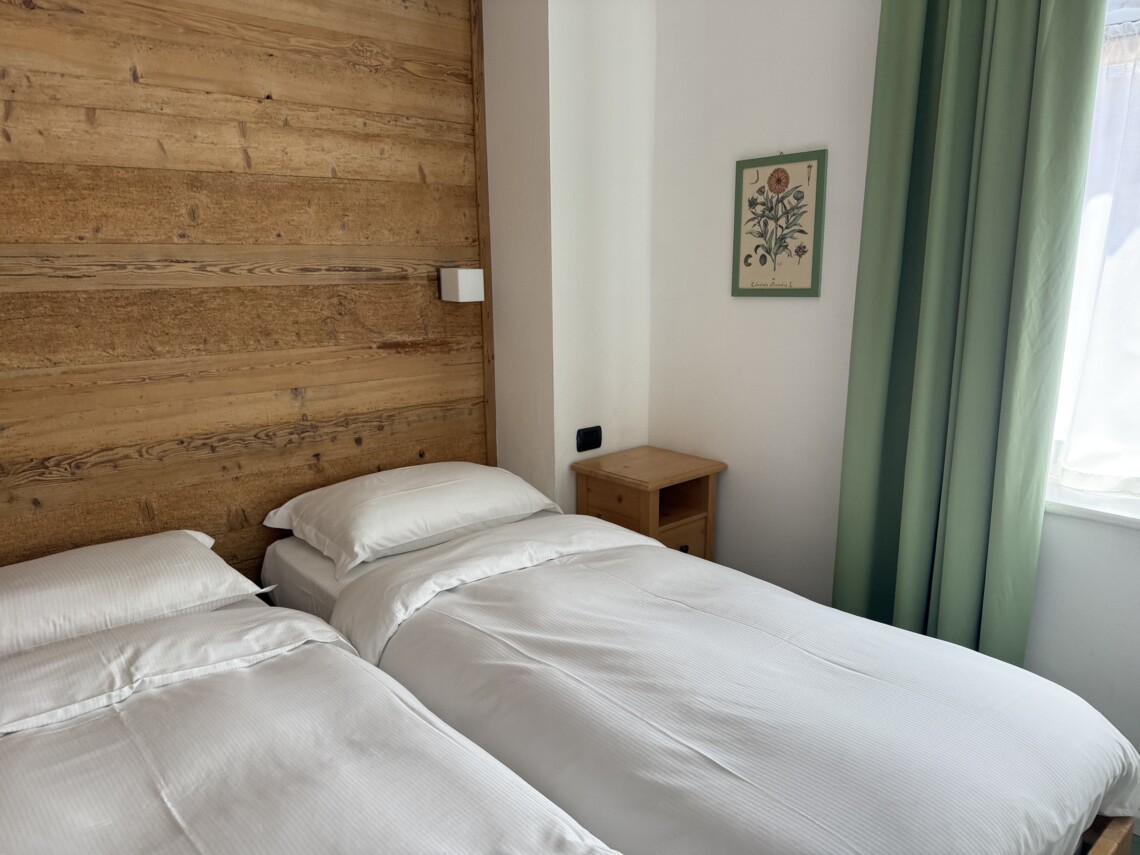
Figuring out where to stay in Cortina d’Ampezzo comes down to what kind of trip you’re after: cozy and intimate, or polished and full-service. Here are a few standouts worth booking early, since rooms fill up fast during ski season and again in peak summer.
Best Hotels in Cortina d’Ampezzo:
- Casa Guargnè: A charming, boutique-style stay with genuine Ampezzo character. Great if you want something that feels personal and local.
- Hotel Ciasa Lorenzi: Tucked slightly outside the town center, offering a quieter alpine escape with easy access to hiking trails and ski lifts alike.
- Ancora Cortina: One of the most storied hotels in Cortina d’Ampezzo, right on Corso Italia, blending old-world elegance with modern comfort.
- Hotel de Len: Luxury design hotel right in the center of town. This space also has a great restaurant and modern amenities.
- Hotel Oasi: A solid mid-range pick, family-friendly and well-located for exploring both the town and the surrounding ski area.
Whichever you choose, book with the season in mind. Winter rates climb steeply around Christmas and Olympic events, while summer offers a bit more breathing room on price.
Best Restaurants in Cortina d’Ampezzo
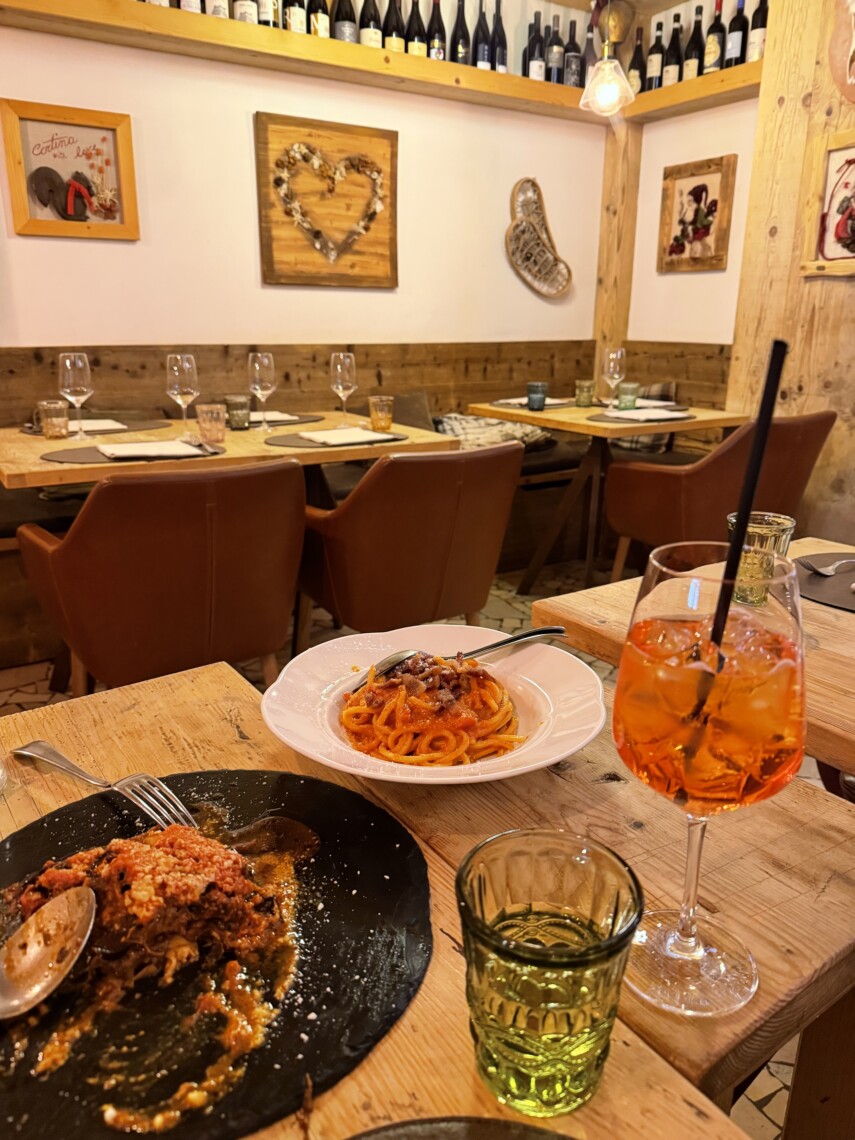
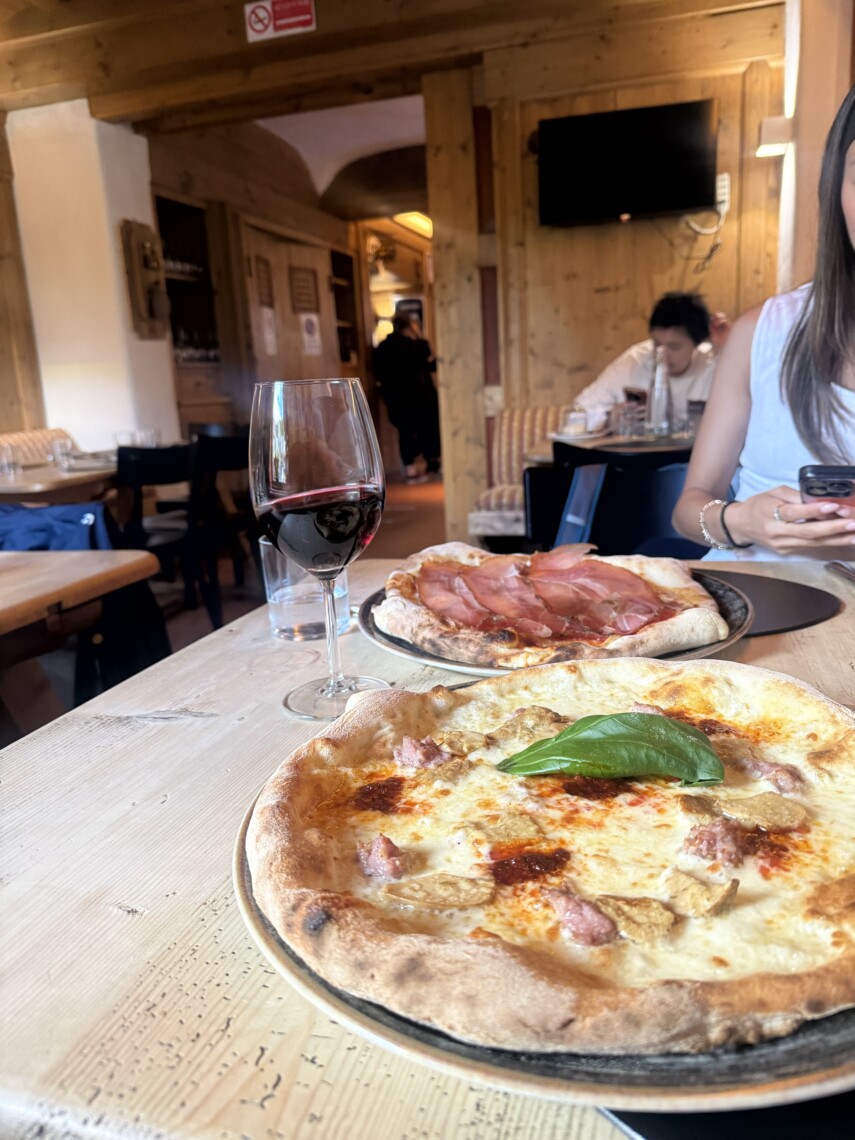
Let’s talk food, because honestly, this might be the highlight of your trip. The best restaurants in Cortina d’Ampezzo lean into hearty mountain fare: think dumplings, polenta, and local cheeses, but there’s plenty of variety if you’re craving something different.
- Il Vizietto di Cortina: Intimate, cozy, and known for elevated takes on regional classics. I came here on my most recent trip after visiting almost 4 years ago and loved it just as much as before.
- Pontejel Bierstube Forst: This spot surprised me by how much I loved the food. It’s a lively spot for beer and comfort food, perfect after a long day on the slopes or trails.
- La Tavernetta di Cortina: Traditional Ampezzo cooking in a warm, rustic setting. Their pizza alone is worth the trip.
- Dolomeats: Classic and slightly upscale, this spot served up all the classics with an elevated twist.
Don’t skip La Cooperativa di Cortina, either. It’s technically a grocery store, but it’s a fantastic spot to grab local cheese, cured meats, and wine for a picnic up in the mountains. Sometimes the best meal is the one you assemble yourself on the trail.
Best Hikes and Outdoor Activities Near Cortina
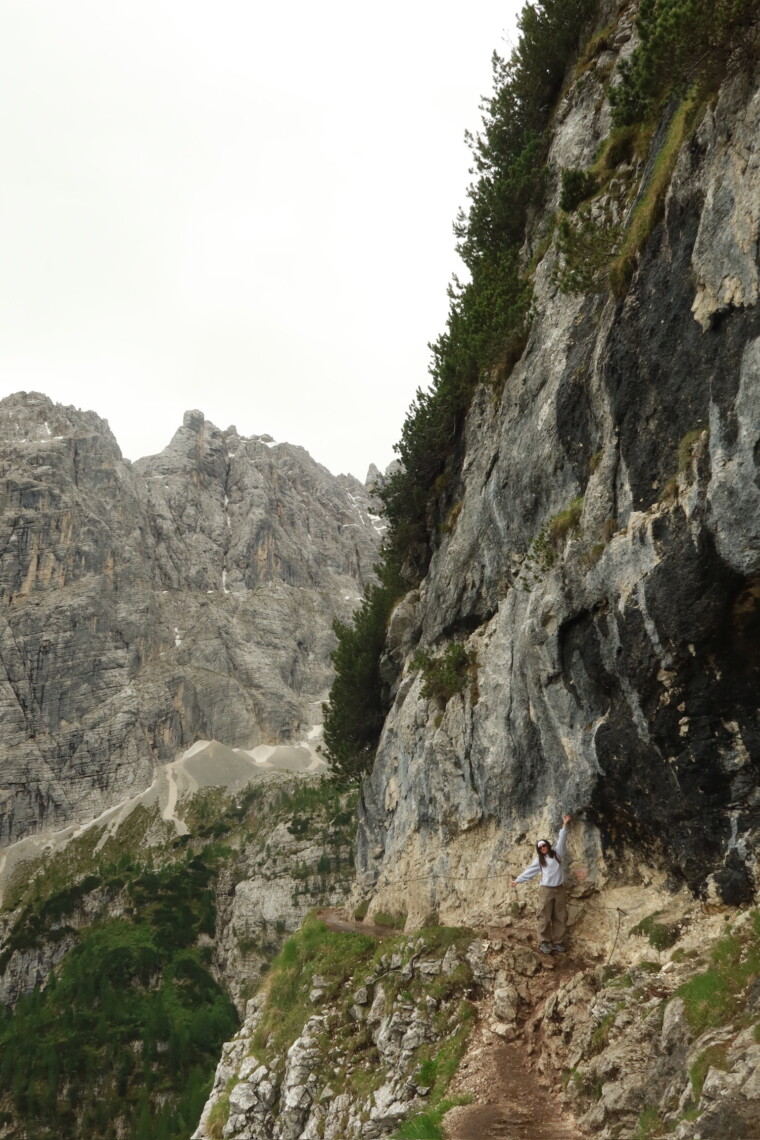
This is where Cortina truly earns its reputation. The outdoor activities here range from leisurely strolls to legitimately challenging alpine treks, and the natural park surrounding the town is nothing short of spectacular.
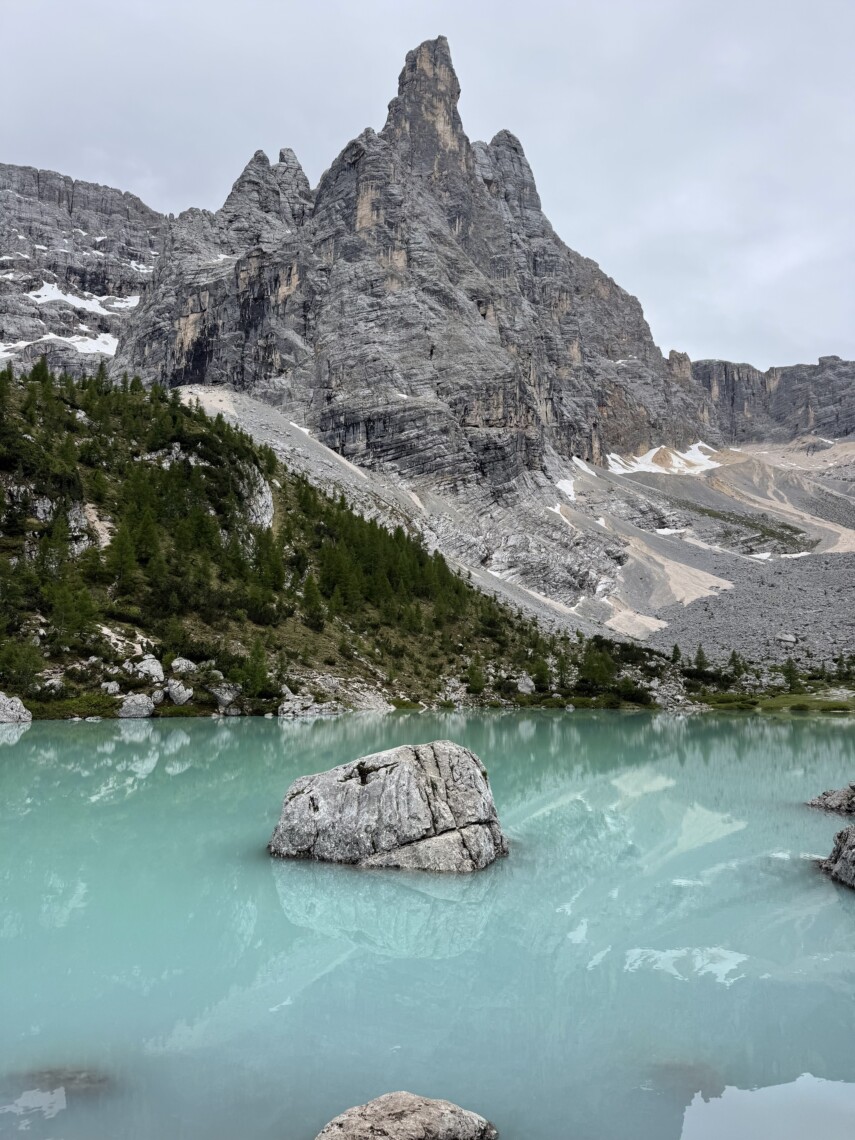
- Lago di Sorapis: This is one of my favorite hikes in the dolomites. A turquoise glacial lake that looks almost fake in photos. The hike is moderately challenging, with some exposed sections, but the payoff is enormous. I highly recommend coming as early as possible to avoid the insane crowds during summer.
- Lago di Braies: A bit of a further drive, but manageable in an afternoon. This is one of the most photographed lakes in the Dolomites, and for good reason.
- Cinque Torri: Five dramatic rock towers with a network of WWI trenches and tunnels nearby. This is great if you want to combine your exercise with a bit of history.
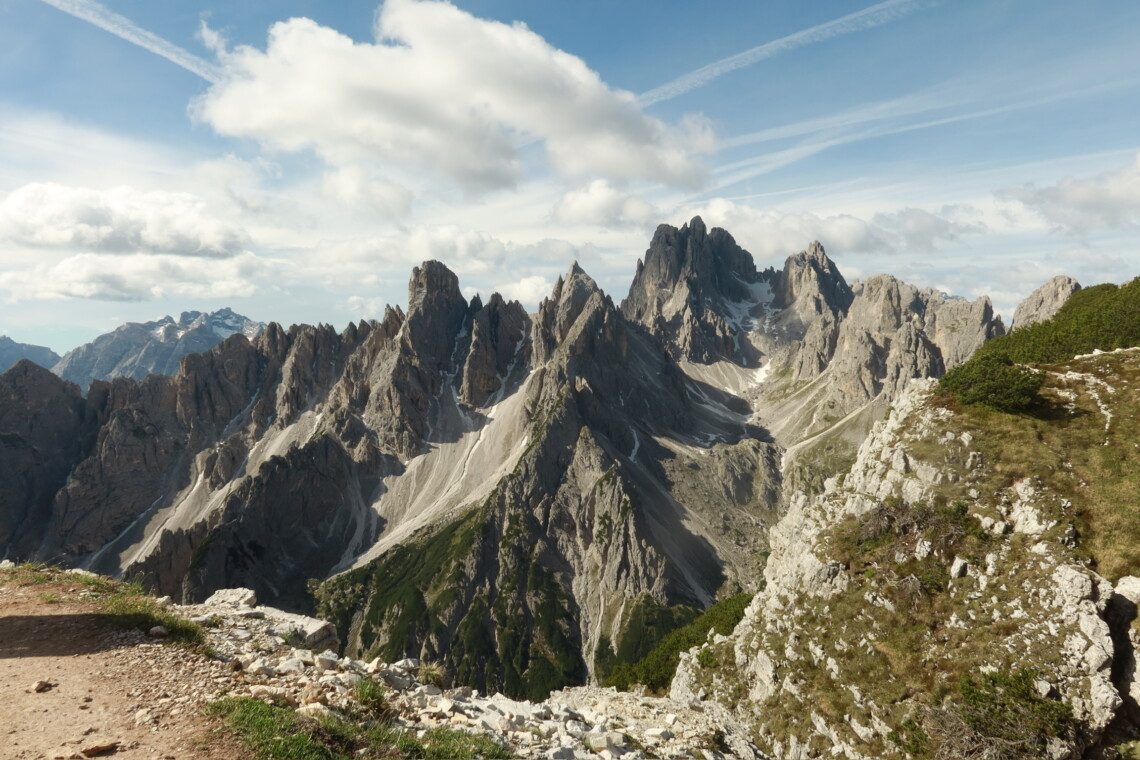
- Cadini di Misurina: A famous viewpoint that somehow outshines most other trails in this region in terms of jaw-dropping scenery. Don’t skip it.
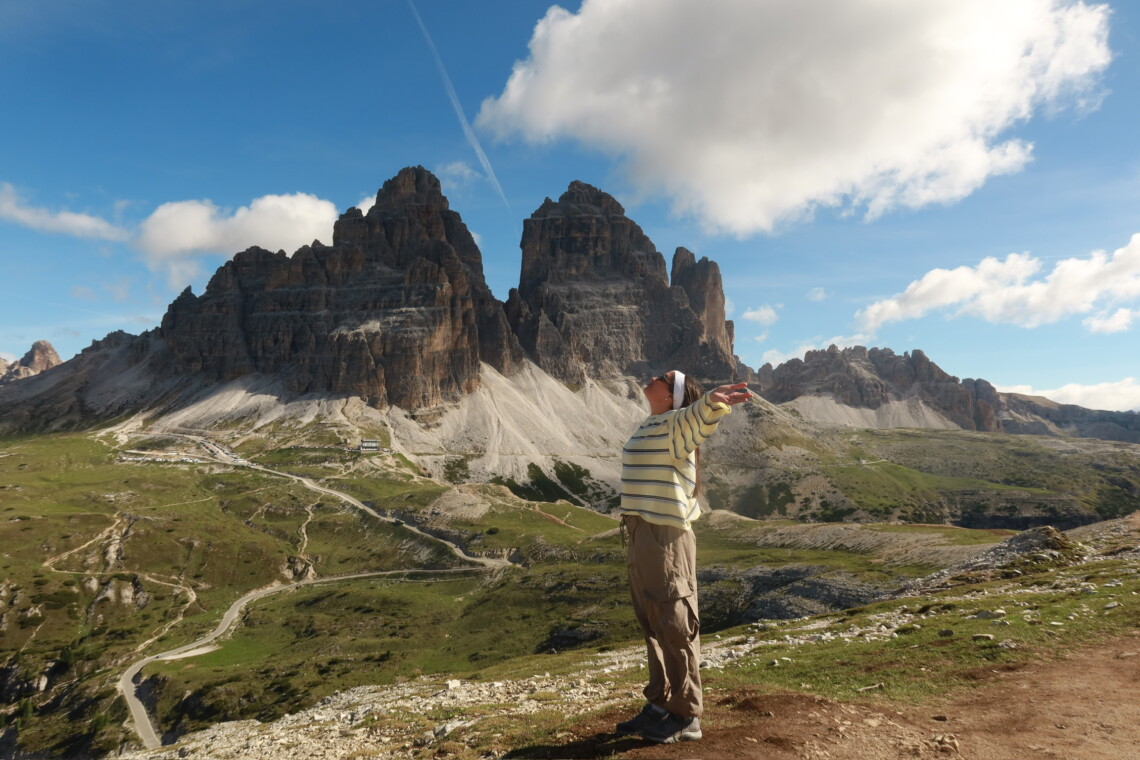
- Tre Cime di Lavaredo: The crown jewel of this area. These three iconic peaks are perhaps the most photographed formation in the entire Ampezzo Dolomites, and walking the loop trail around them feels genuinely unforgettable.
Mountain Huts Worth the Detour
No hiking trip here is complete without a stop at a rifugio (mountain hut). These aren’t just rest stops, they’re an experience in themselves, and honestly my favorite part about hiking in this area (aside from the insane views of course).
- Rifugio Auronzo: The starting point for most Tre Cime hikes, with parking and simple meals. You must reserve parking ahead of time here if you want to do the hikes that start here.
- Rifugio Lagazuoi: Perched at a jaw-dropping elevation, accessible via cable car, with panoramic views that stretch for miles.
- Rifugio Nuvolau: The oldest mountain hut in the Dolomites, with sunset views that are genuinely worth the trek.
- Rifugio Scoiattoli: A cozy stop near Cinque Torri, perfect for a lunch break mid-hike.
Other worthwhile peaks and areas to explore include Croda da Lago and the slopes around Monte Cristallo, both offering quieter trails away from the busier tourist routes.
Cortina in Winter vs. Summer: Which Season Is Right for You?
So, when should you actually visit Cortina? Both seasons have their charm, but they offer pretty different experiences.
Winter in Cortina: Come winter, this town transforms into a genuine winter sport paradise. The ski area spans well over 100 kilometres of piste, with terrain suited to everyone from wobbly beginners to adrenaline-chasing experts. Chair lifts and cable cars whisk skiers up to panoramic runs beneath Tofana di Mezzo and Monte Cristallo, and the snow here tends to be reliably excellent thanks to the elevation. Cortina has also hosted numerous World Cup skiing events, cementing its status as a serious player in the winter sport world, not just a pretty backdrop.
Summer in Cortina: Summer flips the script entirely. The snow melts, the trails open up, and suddenly it’s all about hiking, mountain biking, and lakeside picnics. The pace slows down, the crowds shift, and honestly, the light hitting those peaks in golden hour might be even more stunning than the ski season views.
Bottom line? If skiing and slope life are your priority, go winter. If you’d rather hike your legs off and soak in alpine lakes, summer wins. Either way, pack layers. Mountain weather doesn’t care about your itinerary. I’ve come to Cortina twice in recent years, both in summer, and I can say that this has been my favorite home base in the dolomites by far.
FAQs about Cortina d’Ampezzo in the Dolomites
Where is Cortina d’Ampezzo located?
Cortina d’Ampezzo is located in the Veneto region of northeastern Italy, within the Ampezzo Valley, surrounded by the Dolomites near the South Tyrol border.
How do you get to Cortina d’Ampezzo from Venice?
The easiest way is via Venice Airport, either by rental car (about 2 hours) or the Cortina Express bus, which runs directly from the airport and Mestre train station into town.
Is it easy to get from Cortina d’Ampezzo to Milan?
Getting from Milan to Cortina is manageable but takes some planning. Expect roughly 4 to 5 hours by car, or a mix of train and bus since there’s no direct rail line into Cortina.
What’s the best time to visit, winter or summer?
It depends on your priorities. Winter is ideal for skiing and winter sport enthusiasts, while summer is better suited for hiking, lake visits, and milder weather.
What are the best hikes near Cortina d’Ampezzo?
Tre Cime di Lavaredo, Cinque Torri, Lago di Sorapis, Lago di Braies, and Cadini di Misurina consistently top visitor lists for good reason.
Do I need a car to get around Cortina d’Ampezzo?
Not necessarily, but I highly recommend it if you plan on hiking. While the town center is walkable, and Cortina Express connects you from major transit hubs, a car gives you more flexibility for reaching remote trailheads and lakes.
Final Thoughts
Cortina d’Ampezzo isn’t just a stop on your Italy itinerary, it’s the kind of place that serves as the perfect home base for exploring the Dolomites. You go for the mountains, sure, but you stay for the food, the history tucked into every trail, and that particular peacefulness that settles over the valley at sunset. Whether you’re carving down the slopes in January or hiking toward Tre Cime in July, this corner of the Italian Alps sets the scene for a trip you’ll never forget.
Planning a Dolomites trip? Here are a few more guides to help you plan:
- The Best Things to Do in the Dolomites: Hikes, Drives, & Towns
- Tre Cime di Lavaredo Hike: The Complete Guide (2026)
- Where to Stay in the Dolomites: The Best Hotels for Every Budget
- Best Time to Visit the Dolomites: A Season-by-Season Guide
- Dolomites Hiking Guide: Best Hikes in the Dolomites
- My Complete 9 Day Dolomites Itinerary: Hikes, Rifugios, and Where to Stay
- Dolomites Hiking Guide: Best Hikes in the Dolomites
- Everything You Need to Know About the Cadini di Misurina Hike in the Dolomites
- The Ultimate Dolomites Packing List for Summer
- Lago di Sorapis: The Complete Guide to Hiking This Famous Dolomites Trail
- Ortisei Travel Guide 2026: The Most Charming Village in the Dolomites
- Lago di Braies: The Complete Guide to Visiting the Dolomites’ Most Famous Lake
- Seceda: The Complete Guide to Hiking the Dolomites’ Most Iconic Ridgeline
- Alpe di Siusi in 2026: The Complete Guide to Europe’s Highest Alpine Meadow

No Comments