
There’s a version of Mammoth that most people never see, because they only ever come for the snow. And honestly, I completely get it. Skiing put this town on the map after all. However, some of my favorite trips here over the years have been in July and August, when the lifts stop turning, the Mammoth Lakes Basin comes alive, and the whole place shifts into a completely different scene.
Mammoth in the winter is truly magical, but summer has always been my favorite season here. I grew up hiking and camping in these mountains, and Mammoth is the perfect base camp for whatever outdoor adventure you’re after.
After years of family trips here, we’ve developed a rotation of go-to activities that me and we still do when visiting today. This guide is everything I’ve picked up along the way: the best summer activities, the hikes worth the effort, where to stay, and how summer here really compares to winter, based on my experience.
Short on time? Here are the best hotels in Mammoth Lakes:
- Tamarack Lodge and Resort: A quiet, historic lodge right on Twin Lakes, close to the trailheads in the Mammoth Lakes Basin.
- The Village Lodge: Walkable to restaurants, shops, and the bike park shuttle stop.
- Alpenhof Lodge: A cozy, budget-friendly option across the street from the Village.
- Limelight Mammoth: A newer hotel in the area that’s in a central location.
Key Takeaways
- Summer in Mammoth is built around the lakes. Lake Mary, Twin Lakes, Lake George, and Horseshoe Lake anchor most of the outdoor activities in town, from kayaking to fishing to just sitting on a beach towel.
- The hiking here rivals anywhere in the Sierras. Trails to Crystal Lake, Duck Lake, and Rainbow Falls near Devils Postpile National Monument are some of the best in the Eastern Sierra.
- Mammoth Mountain doesn’t shut down when the snow melts. The mountain converts into Mammoth Bike Park, with the scenic gondola still running for hikers and sightseers.
- Day trips make this an even better home base in summer. Devils Postpile, Mono Lake, and the June Lake Loop are all close enough for an afternoon out.
Why Visit Mammoth Lakes in Summer
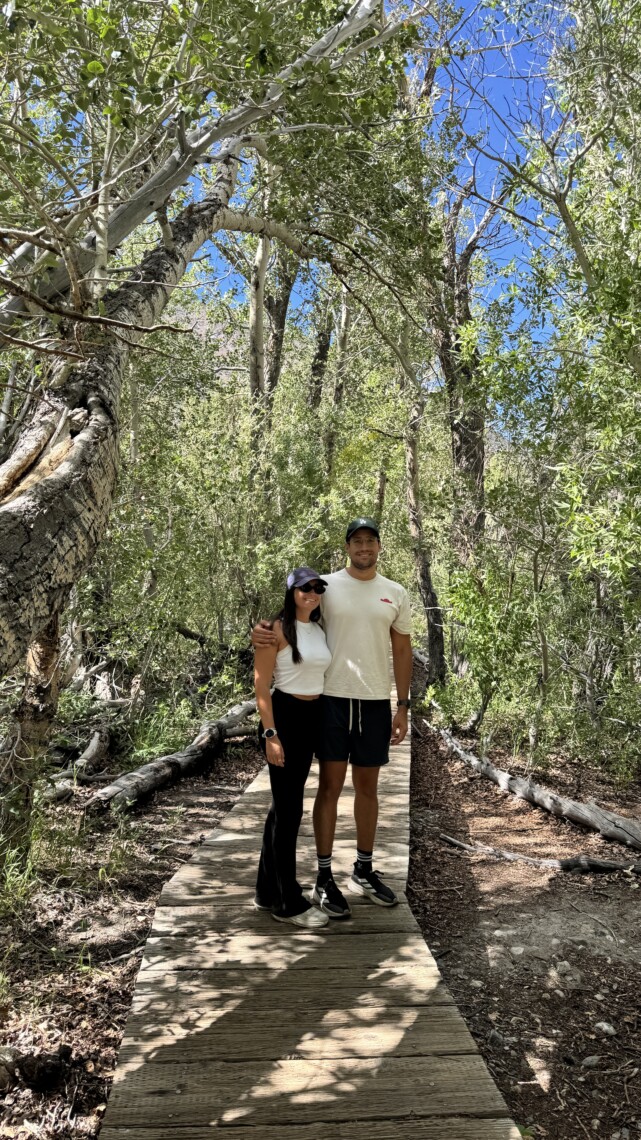
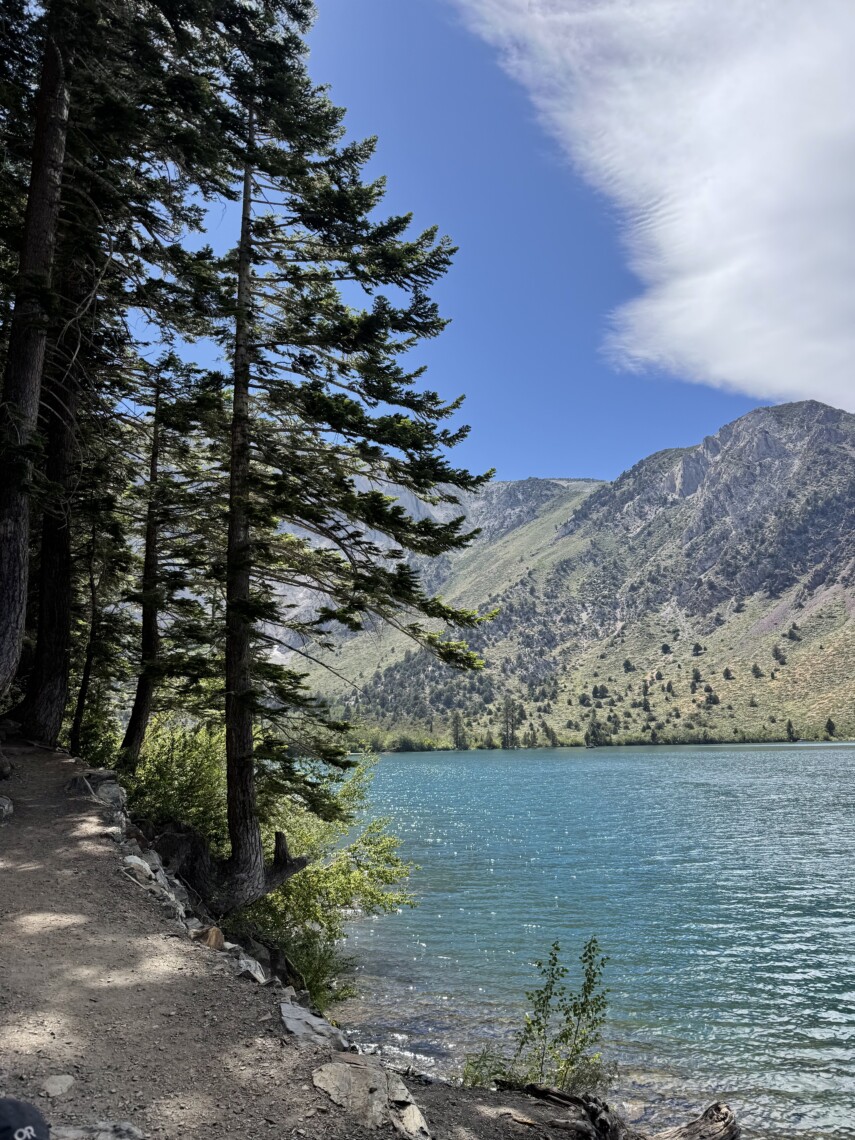
If winter is about the mountain, summer is about everything around it. Once the snow clears (usually by June, sometimes later depending on the year), the Mammoth Lakes Basin opens up completely. For me, this time of year is always surprising and transformative, especially if you’ve seen this area covered in snow during the winter season. You get alpine lakes ringed by granite peaks, wildflowers all through the meadows, and a level of quiet you just don’t get during ski season. Days are warm, nights cool off fast at this elevation, and the town itself feels slower and less crowded than its winter self, except around the Fourth of July and Labor Day, when it fills back up.
Summer Activities in Mammoth Lakes
Mammoth Hiking
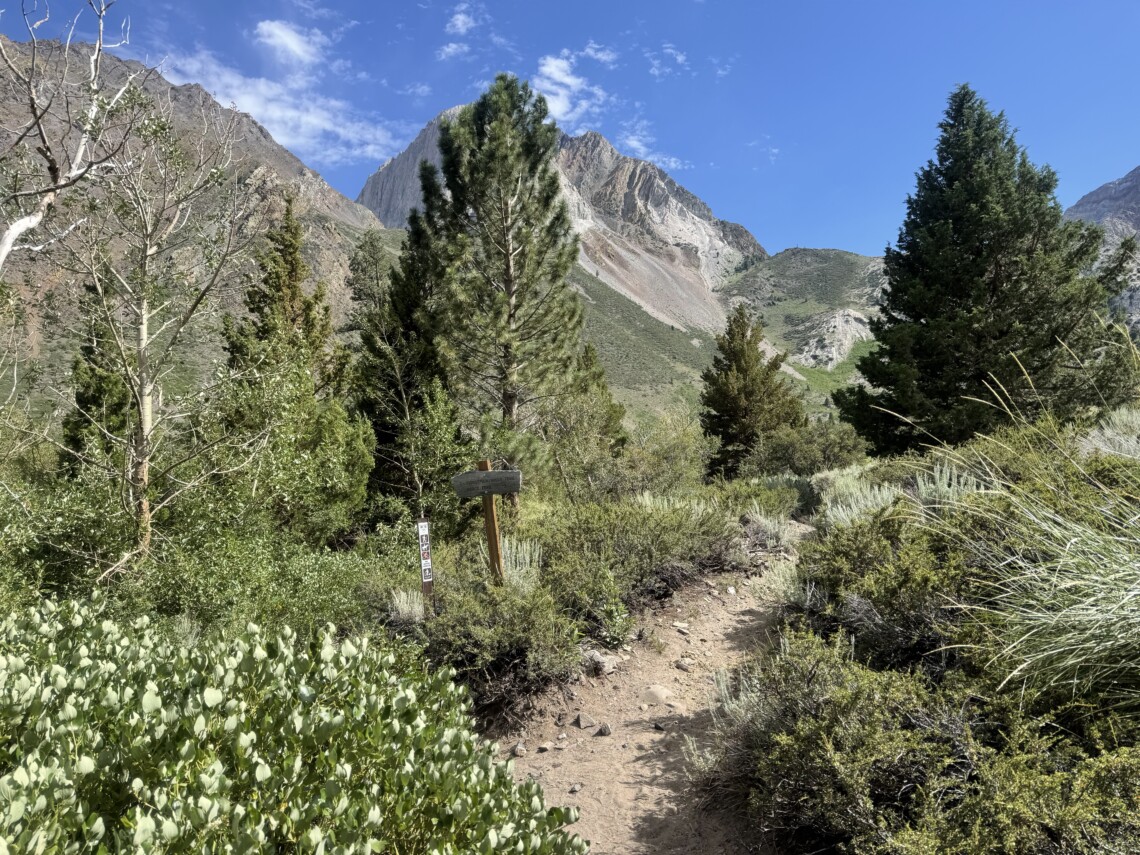
As I’ve mentioned before, the hiking trails around Mammoth are truly unmatched. There are so many trails in the area, all ranging in length and difficulty level, so you can really find something that works for your group. A few of my go-to hikes:
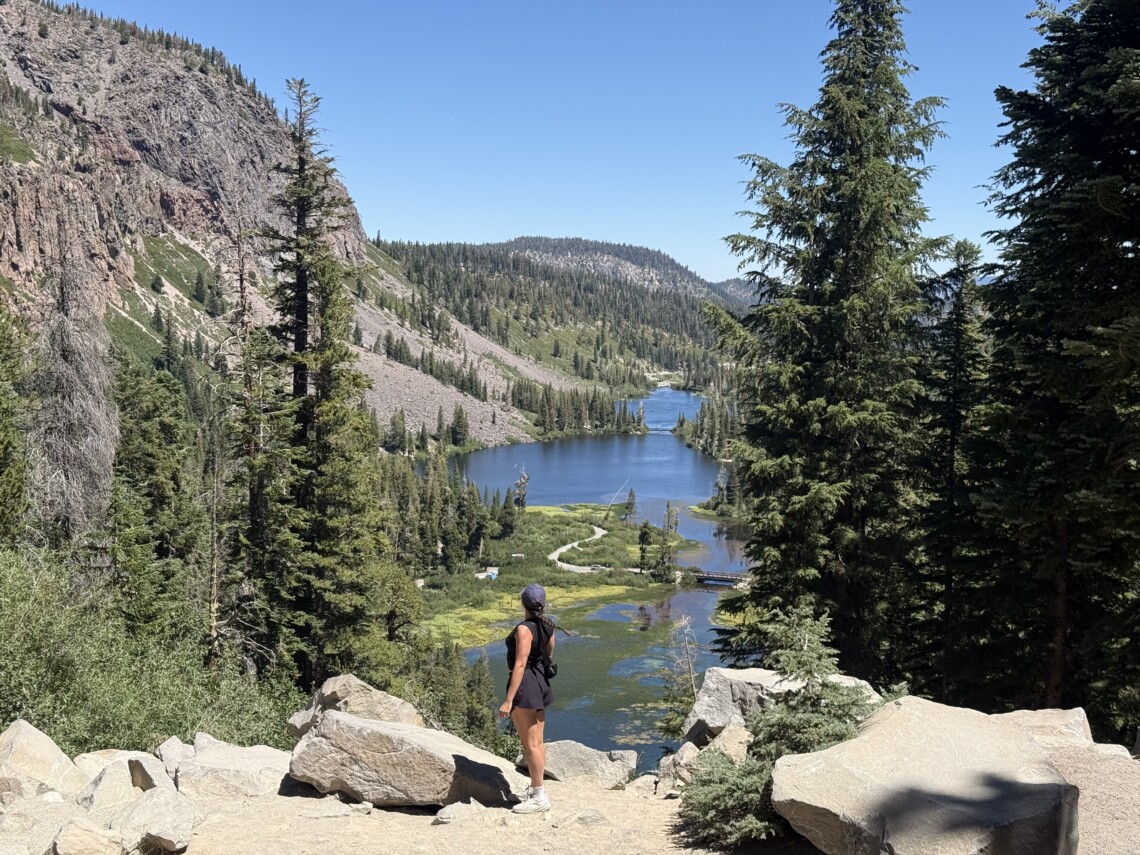
- Crystal Lake Trail: Starting from Lake George, this is a moderately steep, roughly 3-mile round trip that climbs about 900 feet to a stunning alpine lake below Crystal Crag. It’s one of the most popular hikes in the basin for a reason.
- Duck Pass Trail: A tougher, more rewarding option starting near Coldwater Campground, climbing past a string of lakes (Arrowhead, Skelton, and eventually Duck Lake itself) up to a 10,797-foot pass with sweeping views. Plan for most of a day on this one.
- Rainbow Falls Trail: Located near Devils Postpile National Monument, this trail leads to a dramatic 101-foot waterfall on the San Joaquin River, with a rainbow that appears in the mist on sunny afternoons. I like pairing it with a stop at Devils Postpile itself, which is a super cool formation of hexagonal basalt columns left behind by an ancient lava flow. This combo for me is a must when visiting Mammoth in summer.
- Mammoth Rock Trail: A shorter, sunnier hike with great views back over town. Less shade, so I’d save this one for morning.
- Convict Lake: While this is a bit of a drive from the center of Mammoth, Convict Lake is a great option if you’re looking for a loop that’s easy with beautiful views.
- Big Pines Lakes: This one is also a little bit out of the way but it is one of my favorite hikes near Mammoth. You can learn more about this hike with my article: The Beginner’s Guide to Hiking Big Pine Lakes in California
Whatever trail you choose, take the altitude seriously. Mammoth Lakes sits at nearly 8,000 feet, and most trailheads start even higher. Give yourself a day to acclimate before attempting anything strenuous, and carry more water than you think you’ll need. I always get a headache the first two days while I’m up here.
Mountain Biking
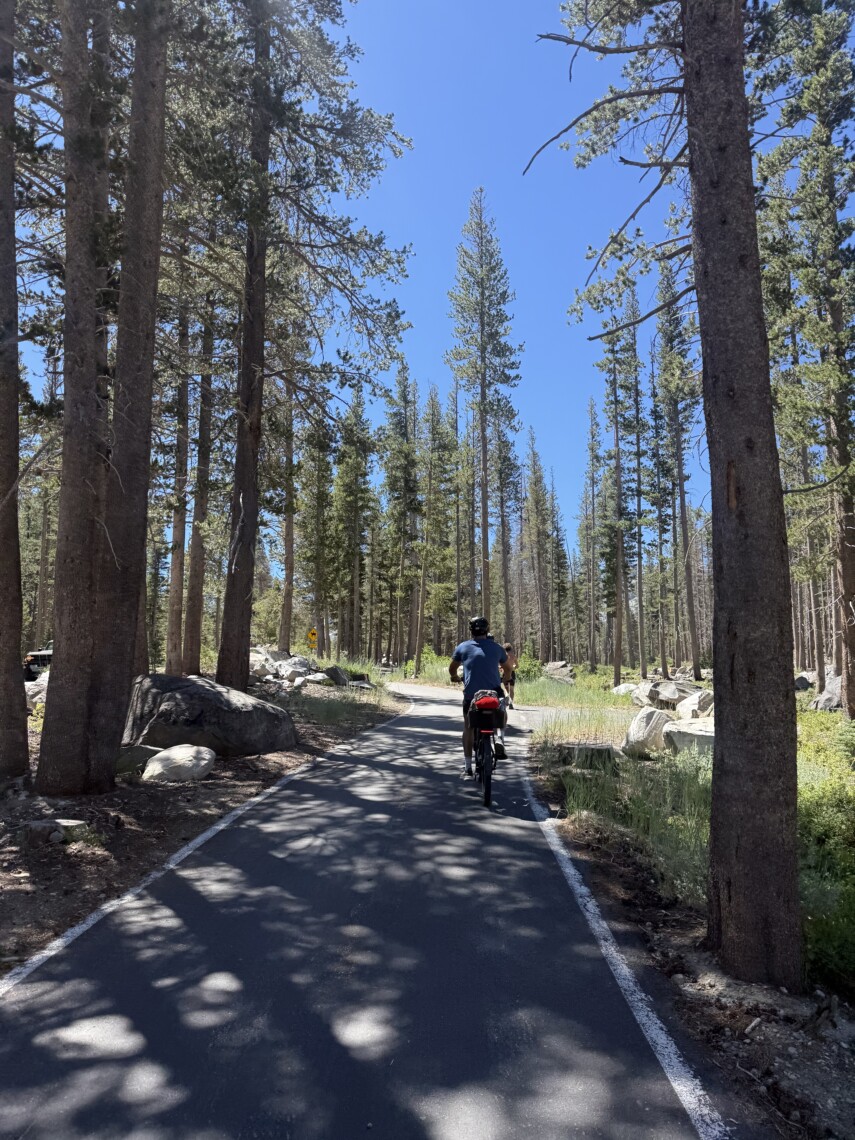
When the lifts stop running skiers up the mountain, they start running bikers instead. Mammoth Bike Park takes over the mountain from late May through September, with over 70 miles of singletrack ranging from mellow cruisers to genuinely gnarly downhill runs. Day tickets run around $39 for adults, with rentals, lessons, and repairs available at the Adventure Center near Main Lodge. If you’re newer to the sport, the beginner-friendly zones are a good place to start before working up to anything steeper.
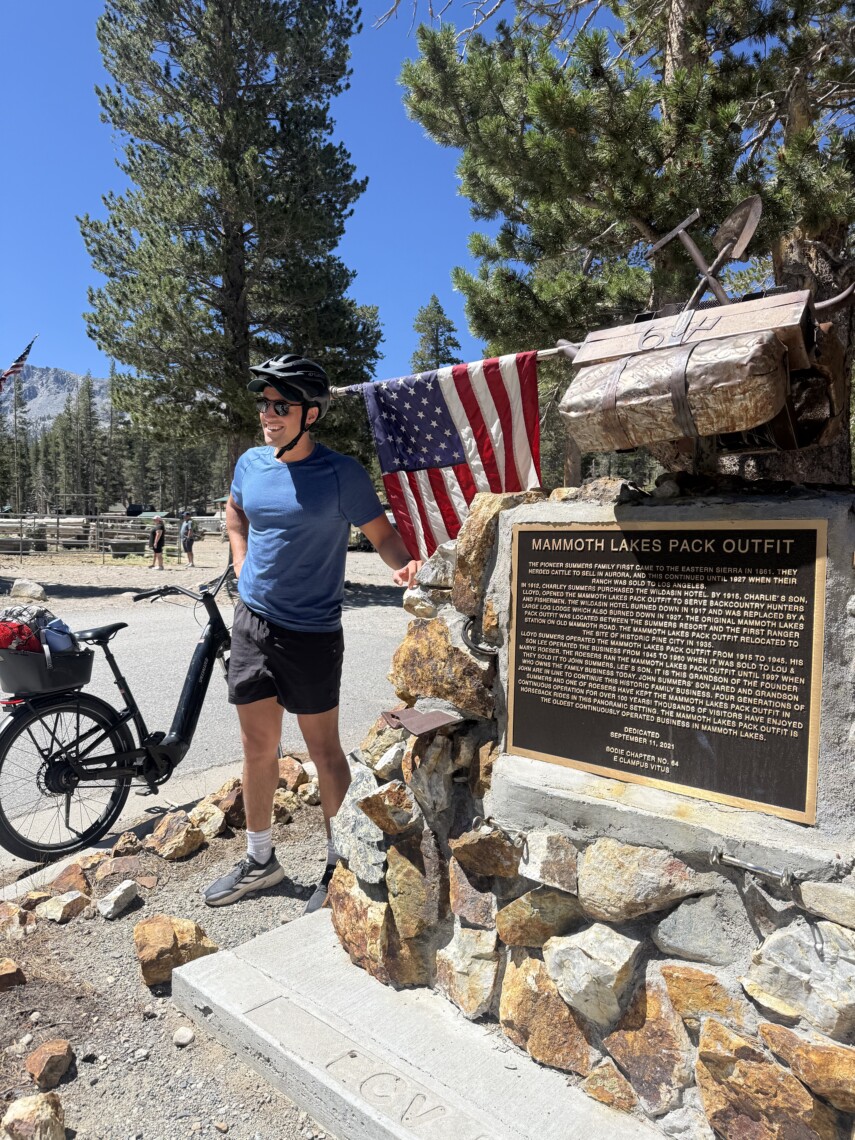
If you’re looking for something on the easier side, I highly recommend renting eBikes at Footloose and cruising the bike trails to the different lakes in the area. We just did this on my last trip to Mammoth and it was so much fun!
Kayaking, Boating, and Paddleboarding
If you want to get on the lakes instead of hiking around them, you have to try renting kayaks, boats, or paddleboards. Lake Mary is the most popular launch point, big enough to paddle for hours with views of Mammoth Mountain and Crystal Crag in the background. Lake Mary Marina rents kayaks, canoes, paddleboards, and pontoon and motor boats, and there are similar rental spots at Twin Lakes and Lake George. If you want a different kind of paddle entirely, Mono Lake is worth the drive north, gliding among its otherworldly tufa towers is unlike anything else in California.
Horseback Riding
There’s something about seeing this landscape from the saddle that hits differently. McGee Creek Pack Station, just south of town near Crowley Lake, offers everything from one-hour rides to multi-day pack trips into the John Muir Wilderness. Reds Meadow Pack Station, near Devils Postpile, is another solid option if you want to combine a ride with that part of the valley.
Fishing
The Eastern Sierra is trout country, and the lakes around Mammoth (Twin Lakes, Lake Mary, Lake George, Horseshoe Lake, and Crowley Lake among them) are all popular spots to cast a line. Most marinas rent gear if you didn’t bring your own, and a California fishing license is required.
Soaking in a Hot Spring
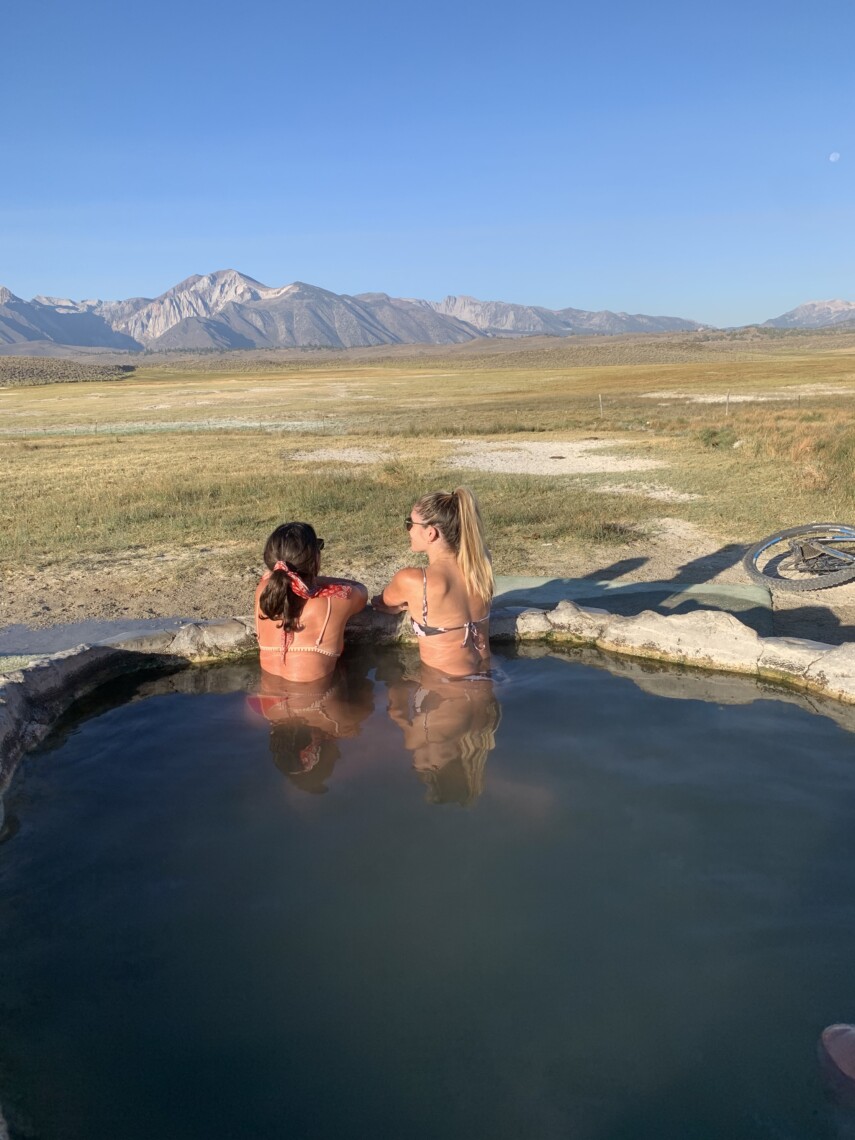
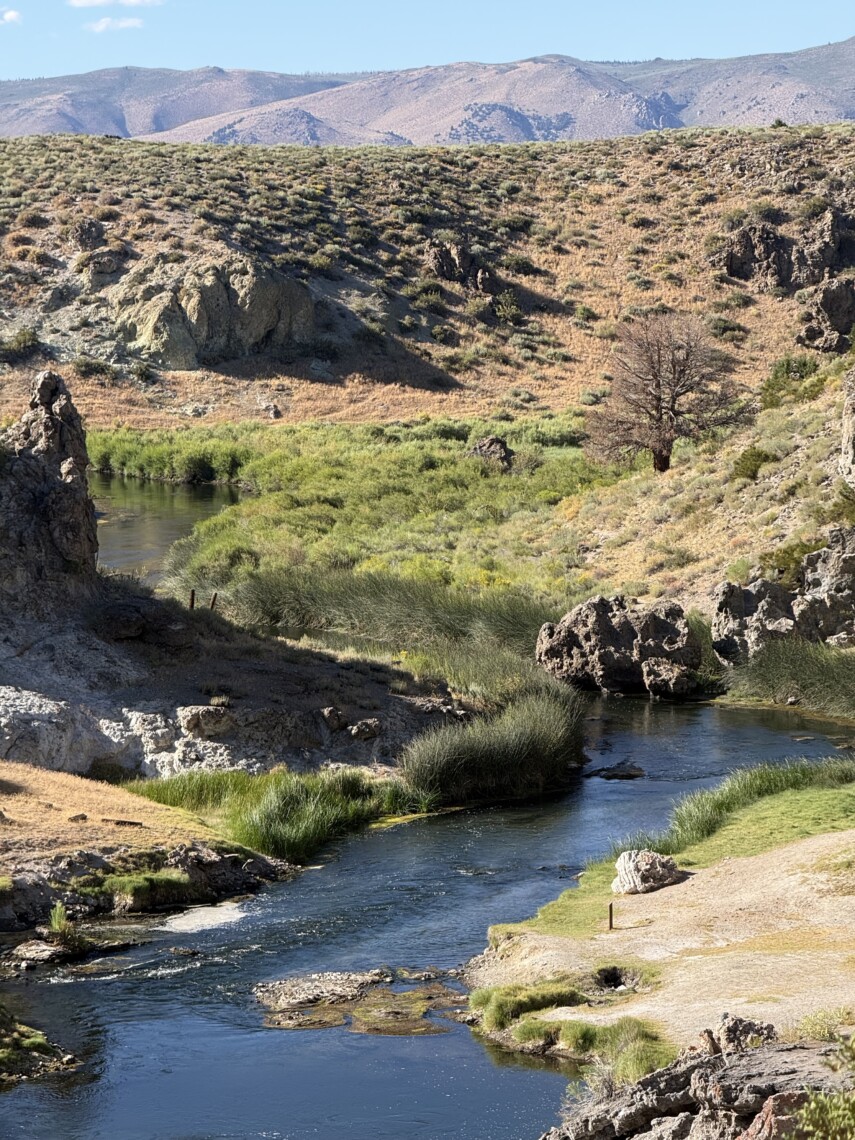
After a long day of hiking, nothing beats a soak. Wild Willy’s Hot Spring, about 20 minutes south of town in the Long Valley Caldera, is free, natural, and one of the most photogenic hot springs I’ve been to, with a heart-shaped main pool and open views in every direction. Hot Creek Geological Site, closer to town, is another interesting stop, though swimming there isn’t permitted due to the unpredictable water temperatures.
Day Trips Worth Taking From Mammoth, CA
One of the best things about basing yourself in Mammoth for the summer is how much sits within easy reach.
Devils Postpile National Monument and Rainbow Falls are accessible via the mandatory shuttle from the Mammoth Adventure Center during peak summer hours (roughly $15 for adults round trip), which also gets you to the Reds Meadow area.
Mono Lake, about 40 minutes north near Lee Vining, is one of the strangest and most beautiful spots in the entire region, an ancient, alkaline lake dotted with limestone tufa towers.
The June Lake Loop is a scenic 14-mile detour past four lakes (June Lake, Gull Lake, Silver Lake, and Grant Lake), with Gem Lake tucked up a side trail if you want to hike a bit further. It’s quieter than Mammoth and worth a slow afternoon.
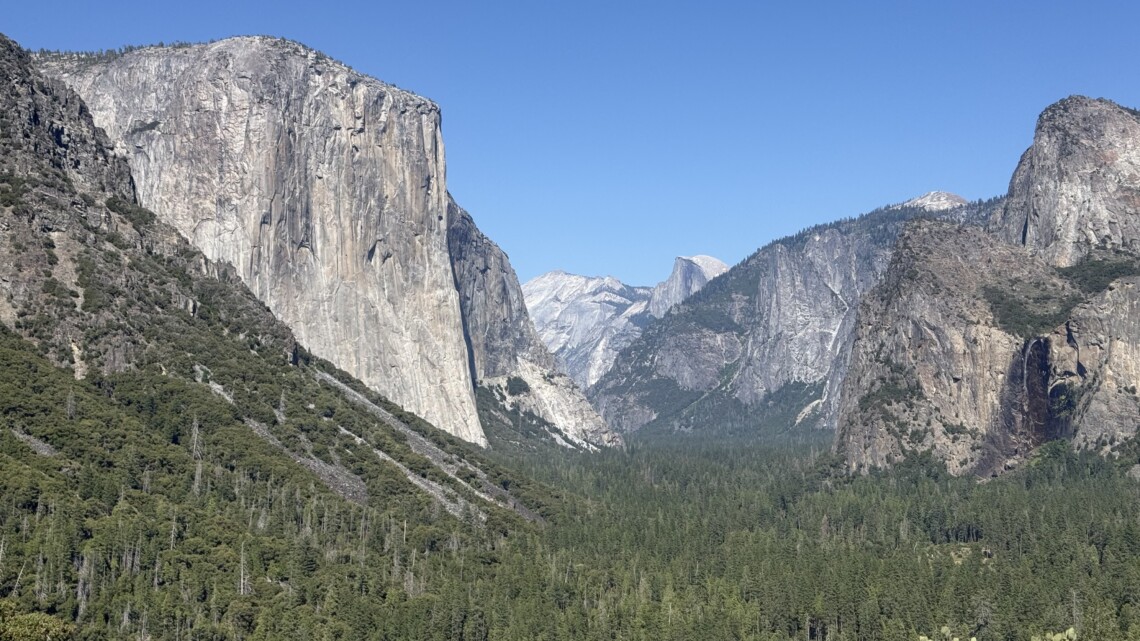
Yosemite National Park is also reachable in summer via Tioga Pass, typically open from late spring through fall depending on snow. It makes for a long but genuinely spectacular day trip, or an easy overnight if you want to slow it down.
Where to Stay in Mammoth Lakes in Summer
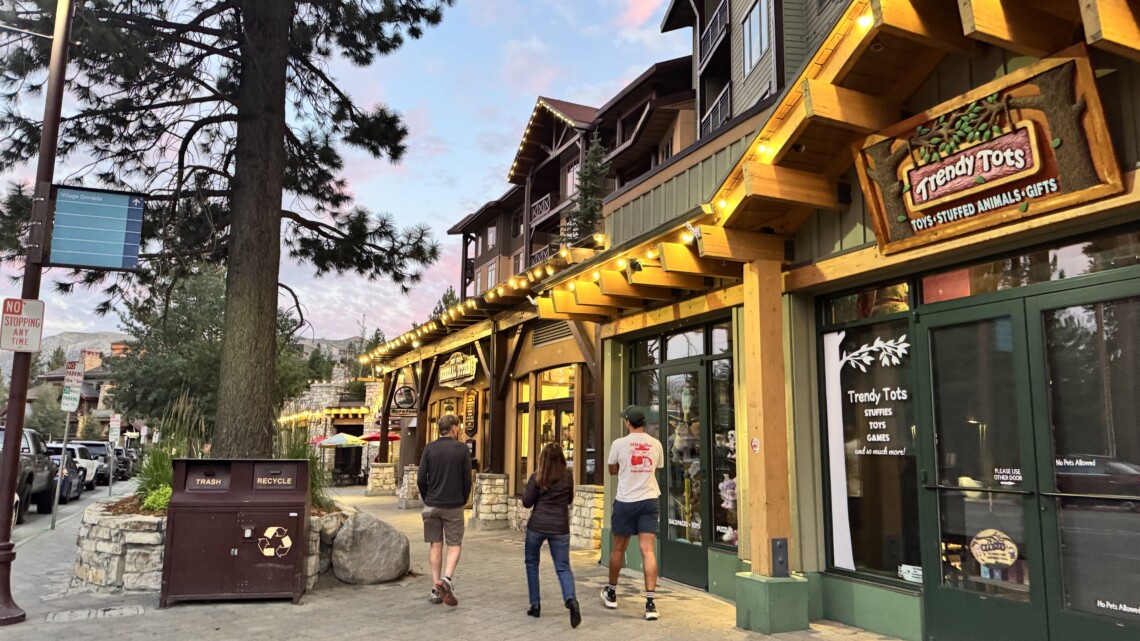
Where you stay matters less in summer than in winter (you’re not worried about ski-in, ski-out access), but location still shapes your trip. These are the properties I’d recommend booking:
- Tamarack Lodge and Resort: A historic, secluded lodge right on Twin Lakes in the Mammoth Lakes Basin.
- The Village Lodge: Right in the heart of the Village, an easy walk to restaurants, shops, and the bike park shuttle. This is where I’d suggest staying if it’s your first trip to Mammoth.
- Alpenhof Lodge: A charming, budget-friendly chalet across the street from the Village.
- Limelight Mammoth: A modern property with a great pool, ideal for cooling off after a hot day on the trail.
- Juniper Springs Resort: Condos right next to Eagle Lodge, a good option if you’re planning to bike the mountain.
Mammoth in Summer vs. Mammoth in Winter
People ask me this constantly, so here’s the honest comparison based on my own trips in both seasons.
Activities: Winter is almost entirely about skiing, snowboarding, and other snow sports. Summer flips that completely, hiking, biking, kayaking, and horseback riding take over, and the mountain itself transforms from a ski resort into a bike park.
Crowds and cost: Winter weekends, especially around holidays, get packed and pricey. Summer has its own busy stretches (Fourth of July and Labor Day weekend especially), but midweek visits in June or September can feel wonderfully quiet, and lodging tends to be a bit more affordable outside of peak weekends.
Weather: So, what is the weather in Mammoth? Winter means snow, cold, and the possibility of road closures or delayed travel. Summer days are warm, often in the 70s and 80s, though nights still cool down fast given the elevation. Afternoon thunderstorms do happen, so I always pack a light rain layer even in July.
Access: Some areas, like Devils Postpile and the road to Reds Meadow, are only accessible in summer once the snow clears. Others, like the cross country ski trails in the basin, are winter-only. It genuinely feels like two different destinations depending on when you go.
My take: I love winter here for skiing, but summer is where Mammoth really opens up for me. There’s more to explore, the pace is slower, and I’ve had some of my best days ever just lake hopping and soaking up the surrounding mountains on random hiking trails.
Frequently Asked Questions
Is Mammoth Lakes worth visiting in the summer?
Absolutely. Between the lakes, hiking trails, mountain biking, and easy day trips to places like Devils Postpile and Mono Lake, summer offers just as much as winter, arguably more if you’re not a skier.
What is the best month to visit Mammoth Lakes in summer?
July and August offer the most reliably warm weather and full trail access, though June and September are quieter and still generally pleasant, assuming the snow has cleared.
What are the best hikes near Mammoth Lakes?
Crystal Lake, Convict Lake, Big Pine Lakes, Duck Pass, Rainbow Falls, and Mammoth Rock are among the most popular, ranging from easy afternoon walks to full-day treks.
Can you visit Devils Postpile without a car?
Yes, and during peak summer hours you’re required to use the shuttle from the Mammoth Adventure Center rather than drive in.
Is Mammoth Lakes close to Yosemite?
Yes. Via Tioga Pass, which is typically open from late spring through fall, Yosemite National Park is reachable as a long day trip or short overnight from Mammoth. I just did this on my last trip to Mammoth and it was 100% worth the drive.
Final Thoughts on Mammoth, CA in Summer
If you’ve only ever thought of Mammoth as a ski town, summer is the trip that will change your perspective. Between the endless hiking trails, hidden lakes, and scenic viewpoints, it’s honestly surprising this corner of the Sierra gets overlooked. If you’re craving a break from city life and in need of the great outdoors, Mammoth should be at the top of your summer itinerary.
Planning a trip to Mammoth this summer? Check out my latest articles to help you get started.
- Things to Do in Mammoth Lakes, CA: A Guide to My Favorite Mountain Town
- The Beginner’s Guide to Hiking Big Pine Lakes in California
- Best Hotels in Mammoth Lakes: Where to Stay in All Seasons
- Mammoth Lakes, California: The Complete Guide to the Eastern Sierra’s Best Kept Secret

No Comments