
I’ve had a fascination with European Christmas markets for as long as I can remember. In fact, what sparked my very first solo trip in Europe was simply my desire to go to Germany in the middle of December and see those glimmering stalls lining lively town squares dripping with Christmas charm. The problem? Finding friends who weren’t already traveling or who actually wanted to venture somewhere freezing cold in December felt nearly impossible. Eventually, I realized I was never going to see these markets if I kept waiting for someone to go with me.
So, I packed my bags and booked a solo trip to Nuremberg.
That single trip kicked off the first of many solo trips I would take every December for years, always to a new corner of Europe to see how each city stacked up against the last. It became a little Christmas gift to myself, and looking back, these trips to some of the best Christmas markets in Europe hold some of my favorite travel memories. I loved freely navigating a new city with zero agenda, eating my body weight in steaming German sausages, drinking far too much spiked mulled wine, and making friends at my hostels who would inevitably join me for another round of Christmas markets. More than a few nights ended with me slightly drunk, completely giddy with Christmas spirit, and incredibly content.
So, as you can probably tell, I’ve had my fair share of experiences exploring European Christmas markets throughout the years. And while there are hundreds scattered across different European countries, some have definitely stuck with me more than others.
Below, I’m sharing what I consider some of the best European Christmas markets, including the famous German markets that started my obsession, fairy-tale towns in France, and a few destinations you may not have considered for a Christmas trip.
This guide contains affiliate links, which means I may earn a small commission at no additional cost to you. Thank you for supporting my blog!
Key Takeaways: Best Christmas Markets in Europe
- Best overall Christmas market in Europe: Nuremberg, Germany
- Best for first-time visitors: Vienna, Austria
- Best for a romantic Christmas trip: Strasbourg and Colmar, France
- Best for traditional German Christmas markets: Nuremberg, Munich, and Dresden
- Best Christmas market city for nightlife: Budapest, Hungary
- Best fairy-tale setting: Tallinn, Estonia
- Best for visiting several markets in one trip: Vienna
- Best time to visit: Late November through mid-December, ideally during the week if you want fewer crowds
When Is the Best Time to Visit European Christmas Markets?
Most European Christmas markets begin opening during the second half of November, with the majority in full swing by the final weekend of the month. You will find some even stay open until the first few days of January.
Personally, I think the best time to visit European Christmas markets is during the first two weeks of December. You’re right in the middle of the Christmas season, the cities are completely decorated, and all of the markets and seasonal events should be running. At the same time, you’re avoiding the days immediately surrounding Christmas Eve, when opening hours can become more complicated.
There’s also something to be said for visiting during the week. Friday nights and Saturdays can become extremely crowded, especially at famous markets in cities like Strasbourg, Nuremberg, Vienna, and Prague. If you have flexibility, arriving on a Sunday and exploring Monday through Thursday can make the entire experience feel much more relaxed.
One important thing to know is that not every Christmas market stays open through Christmas Day or New Year’s Eve. Germany, in particular, has many traditional markets that close on December 23 or 24. Other cities keep their winter festivities running into January.
My Favorite European Christmas Markets: Where to Go in 2026
If you’re trying to choose the best Christmas market in Europe, I’ll warn you now: there isn’t necessarily one clear winner.
Some are enormous. Others are tiny and incredibly charming. Some are all about the food and wine, while others have beautiful handcrafted gifts, elaborate Christmas decorations, ice skating, concerts, or traditions that have been around for hundreds of years. However, what I love about traveling to these Christmas markets is that they all have their own unique personality and charm.
These are the European Christmas markets I would put at the top of your list.
1. Nuremberg, Germany
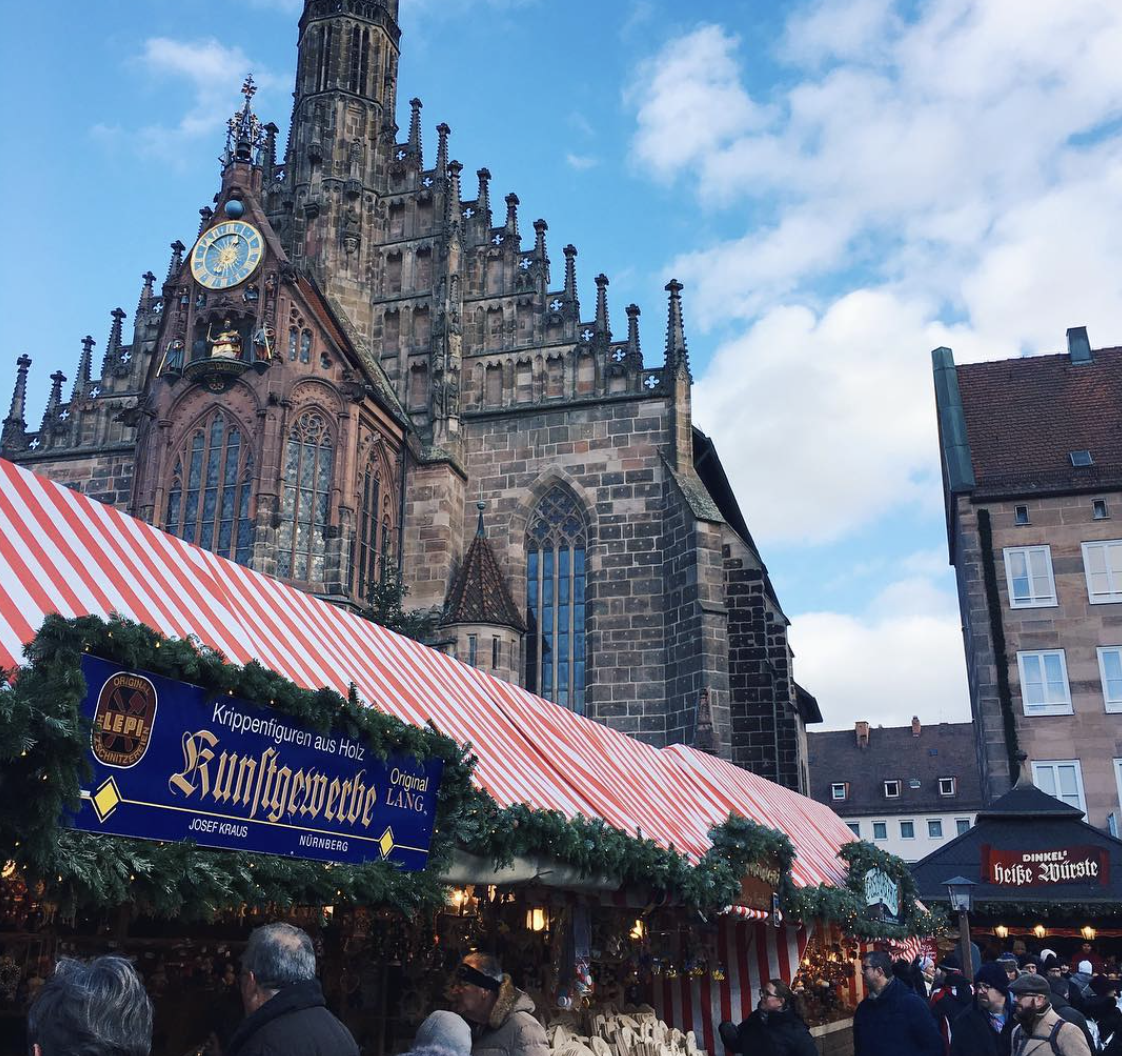
If I had to pick the best Christmas market in Europe based purely on tradition and atmosphere, I would probably choose Nuremberg, Germany.
Maybe I’m biased because this was the market that started my entire obsession, but Nuremberg’s Christkindlesmarkt is exactly what I imagined a German Christmas market would look like before I’d ever visited one.
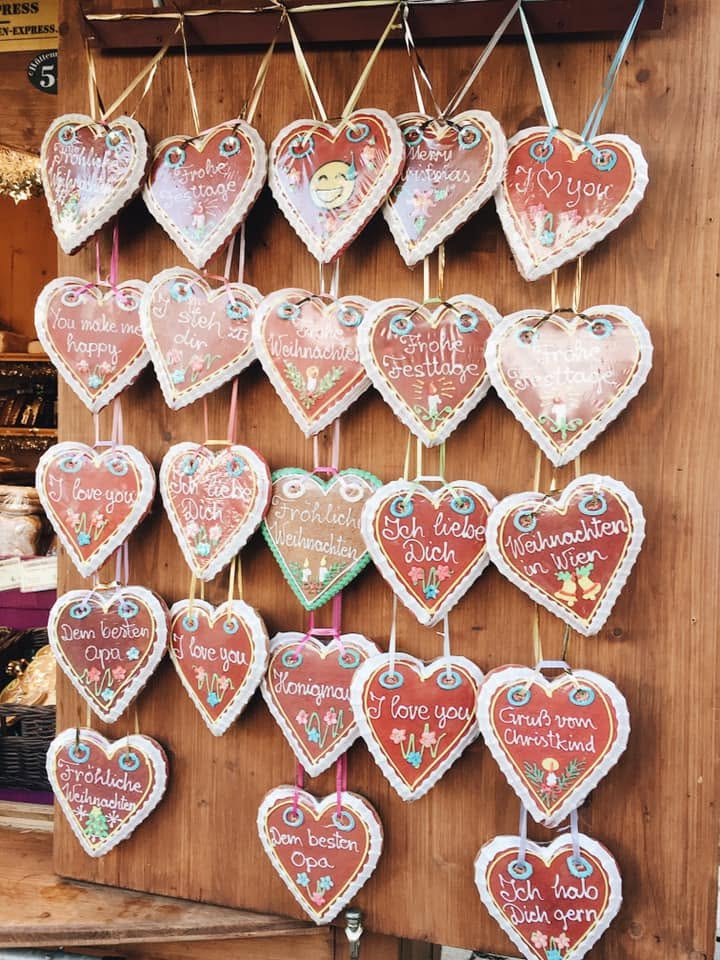
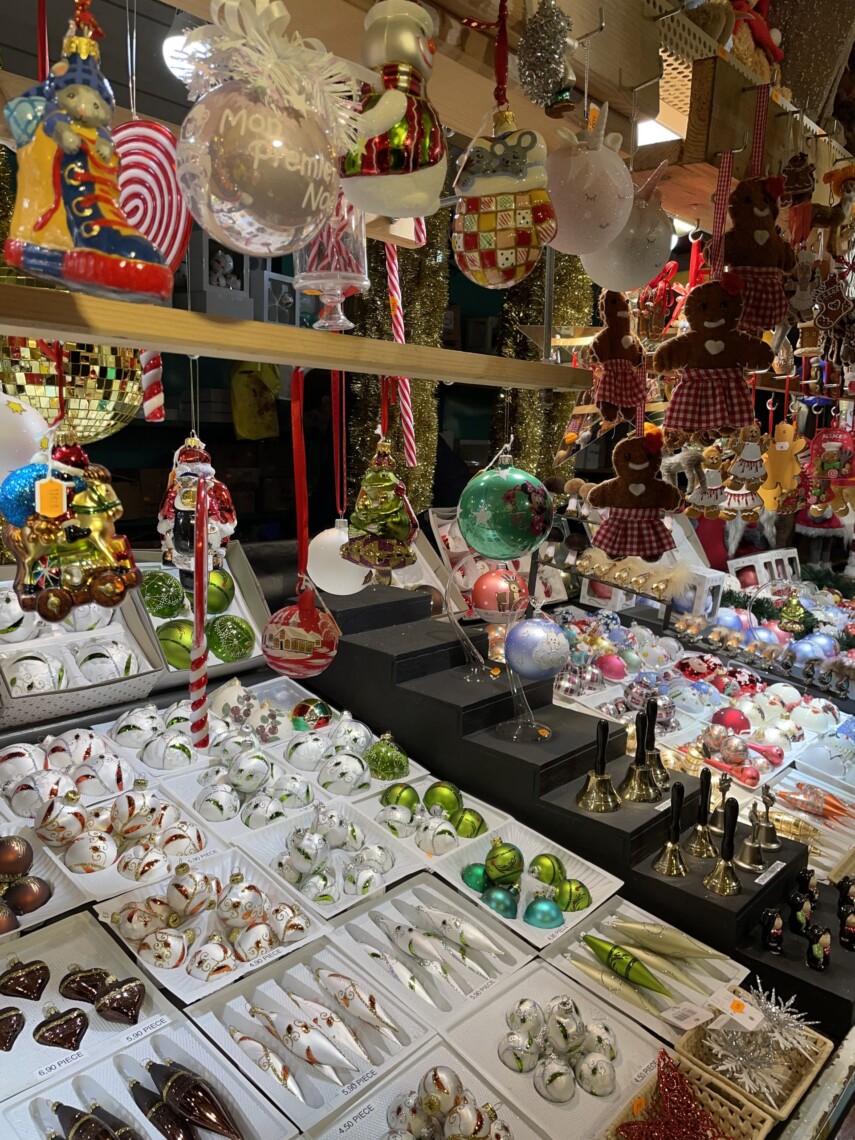
The main market takes over Hauptmarkt in the heart of the Old Town, with rows of red-and-white striped stalls selling ornaments, handcrafted gifts, gingerbread, decorations, and plenty of festive food. Nuremberg’s famous Lebkuchen (gingerbread cookies) is everywhere, as are the city’s small grilled Nuremberg sausages. This was basically my diet during my entire stay as I was still too embarrassed to eat by myself in a restaurant on my first solo trip. Honestly though, I could not complain, the food was so good.
And, of course, there’s the Glühwein.
Nuremberg’s Christkindlesmarkt is one of the oldest and most famous Christmas markets in the world, and the city describes the collection of wooden stalls as its “little city of wood and cloth.” In 2026, the market runs from November 27 through December 24.
Don’t miss: Nuremberg Lebkuchen, Drei im Weggla sausages, the opening ceremony if your dates line up, and the smaller markets around the Old Town.
2. Vienna, Austria

Vienna is one of my favorite choices if this is your first European Christmas market trip because you don’t just get one market. The entire city seems to lean into the holiday season. Honestly, when I came to Vienna, I don’t even think I had enough time to see all the markets because there were so many to see!
The most famous is the Viennese Christmas Market at Rathausplatz, where the grand City Hall creates a pretty spectacular backdrop. You’ll find a massive Christmas tree, lights, stalls, festive drinks, food, gifts, and an ice-skating area right in the center of all the commotion. Honestly it was one of the most memorable Christmas markets for me in all of Europe.
However, don’t make the same mistake I made and stop there. Vienna has Christmas markets at Schönbrunn Palace, Stephansplatz, Spittelberg, Karlsplatz, Maria-Theresien-Platz, and several other locations. In other words, you could spend an entire long weekend hopping from one Christmas village to another without seeing them all.
The 2026 Rathausplatz market runs from November 13 to December 26, while the market at Schönbrunn Palace begins even earlier on November 6 and continues through January 6. I also recommend staying at the Hoxton Vienna or Hotel Palais Mailberger Hof if you want to stay right in all the action.
Don’t miss: Rathausplatz after dark, Schönbrunn Palace, Austrian pastries, roasted chestnuts, and at least one mug of hot punch.
3. Salzburg, Austria
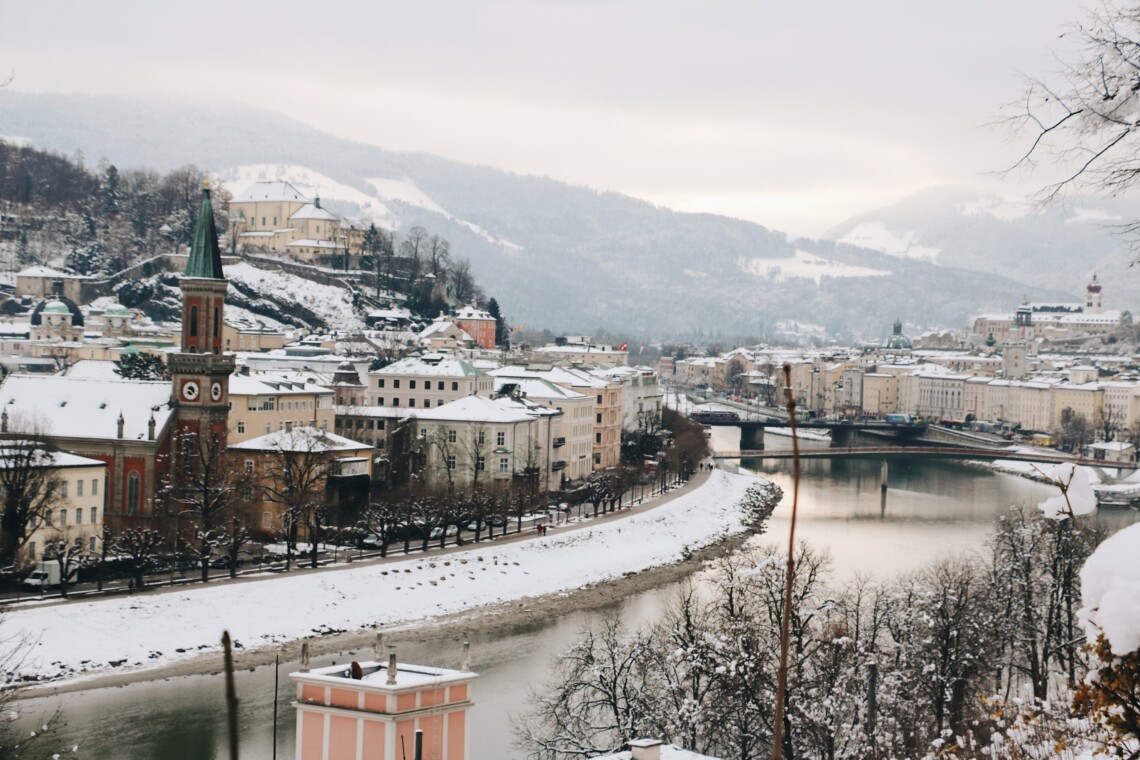
If Vienna feels grand and glamorous at Christmas, Salzburg feels smaller, cozier, and almost storybook-like. Honestly, I combined both Salzburg and Vienna on my Austrian Christmas Market trip and it was the perfect combination.
The main Salzburg Christkindlmarkt spreads across Domplatz and Residenzplatz in the historic center, surrounded by baroque architecture and church towers. Add twinkling lights, mountain air, Christmas music, and the occasional dusting of snow, and you have a pretty convincing winter wonderland.
Salzburg also has several smaller Advent markets, including Mirabellplatz and Hellbrunn. The latter is especially beautiful if you want something that feels a little more romantic and removed from the busiest parts of the city.
In 2026, Salzburg’s main Christkindlmarkt runs from November 19 through January 1, making it a particularly good option if you’re traveling closer to Christmas Day or even New Year’s Eve.
Don’t miss: The main market around Domplatz, a Krampus event if your trip falls in early December, and the smaller market at Mirabellplatz.
4. Strasbourg, France
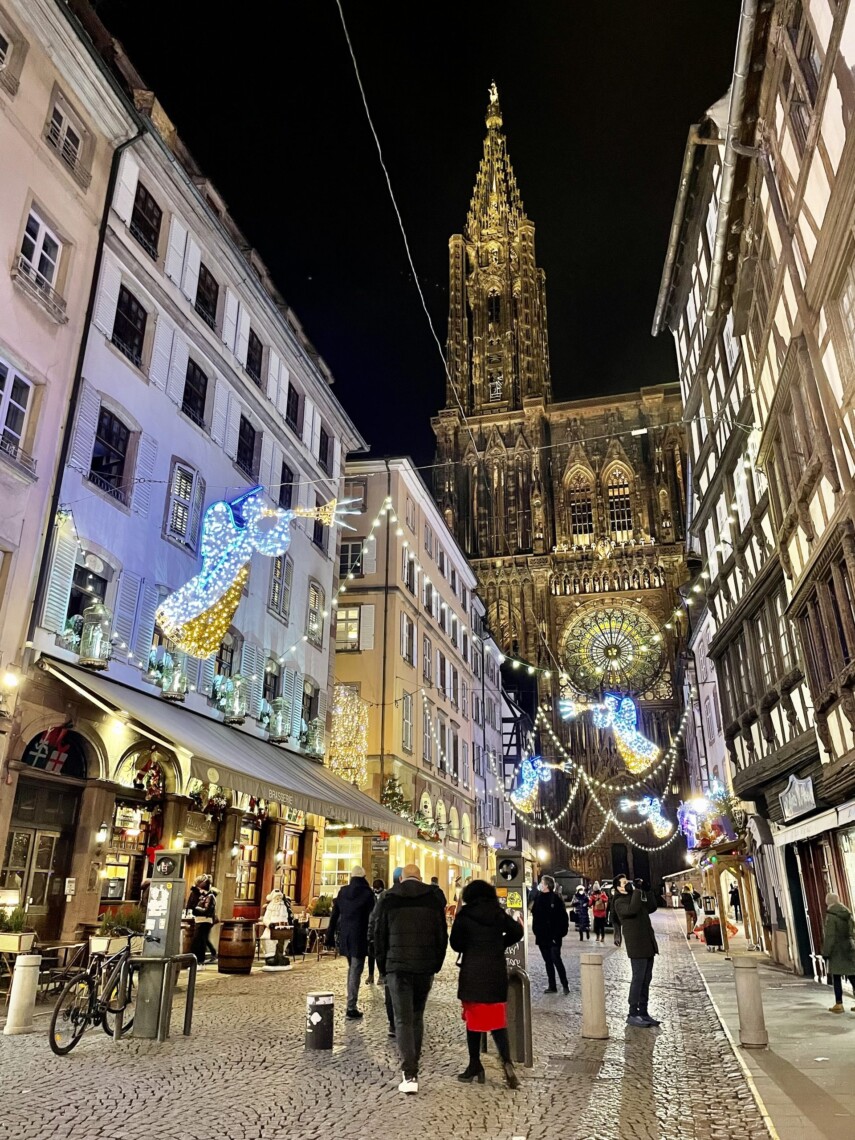
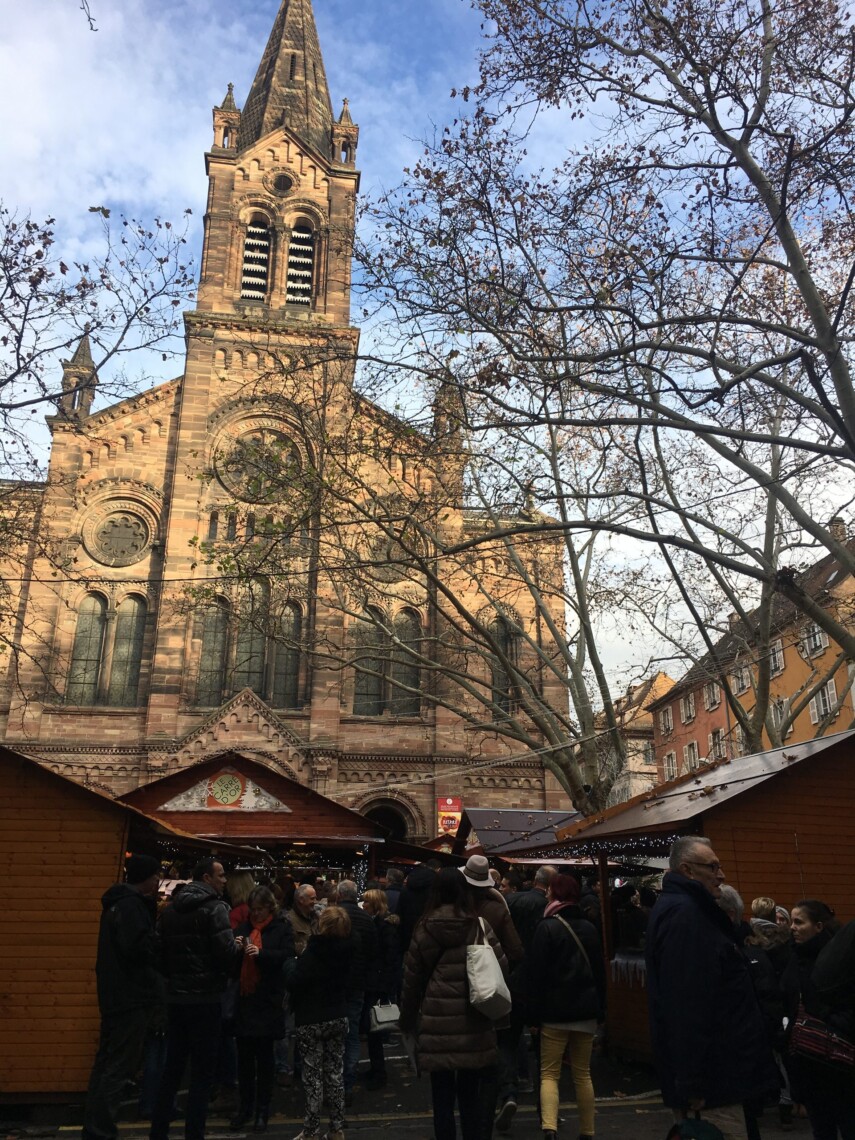
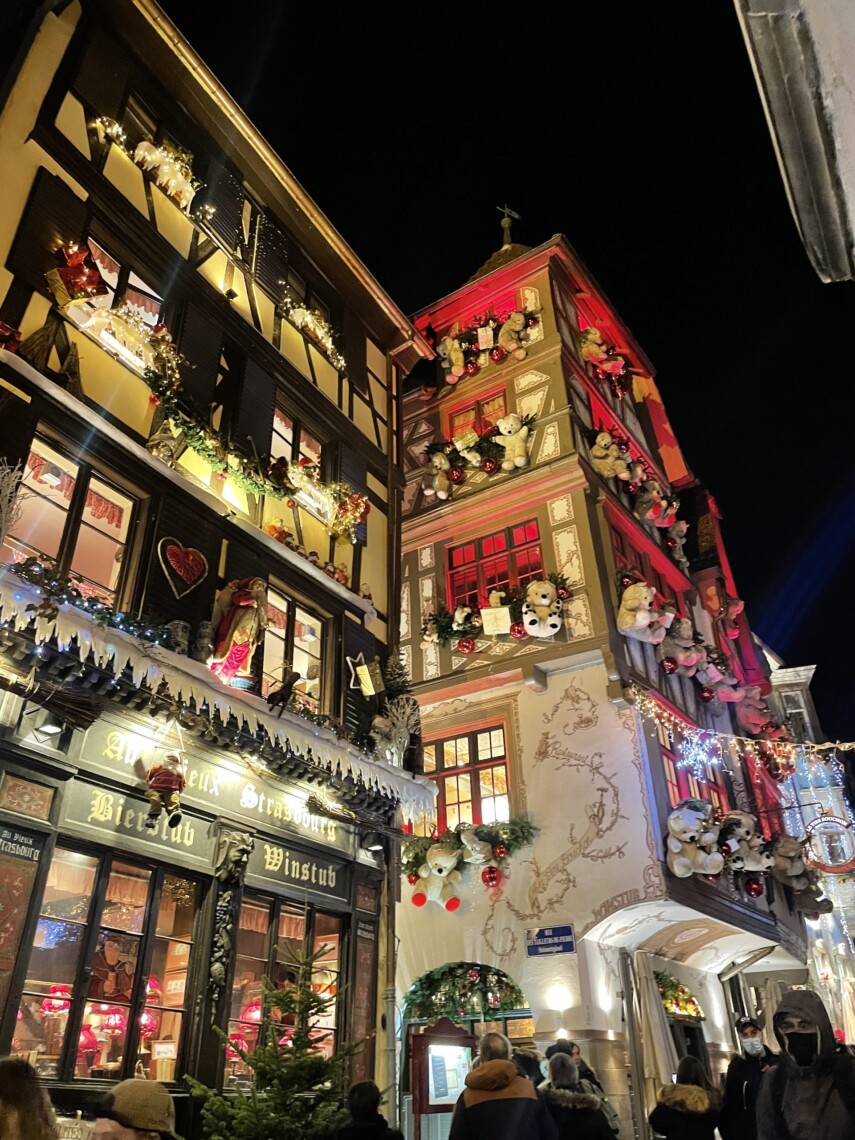
If you’ve ever heard about Strasbourg, it’s probably because of how serious the city takes Christmas.
In fact, it’s actually known as the Capital of Christmas. It’s one of Europe’s oldest Christmas market traditions. During the holiday season, the historic center is filled with lights, elaborate decorations, market stalls, and one seriously impressive Christmas tree at Place Kléber.
What I love about Strasbourg is that it isn’t just one main market that you visit for an hour and leave. The Christmas atmosphere spills throughout the center, with different markets and stalls tucked between the city’s half-timbered buildings and picturesque squares.
Because Strasbourg sits in Alsace, right along the French-German border, you also get an interesting combination of French and German Christmas traditions. Expect plenty of vin chaud, bredele cookies, pretzels, sausages, baked goods, ornaments, and regional specialties.
Don’t miss: Place Kléber, Strasbourg Cathedral, the markets around Place Broglie, and wandering through Petite France after dark.
5. Colmar, France
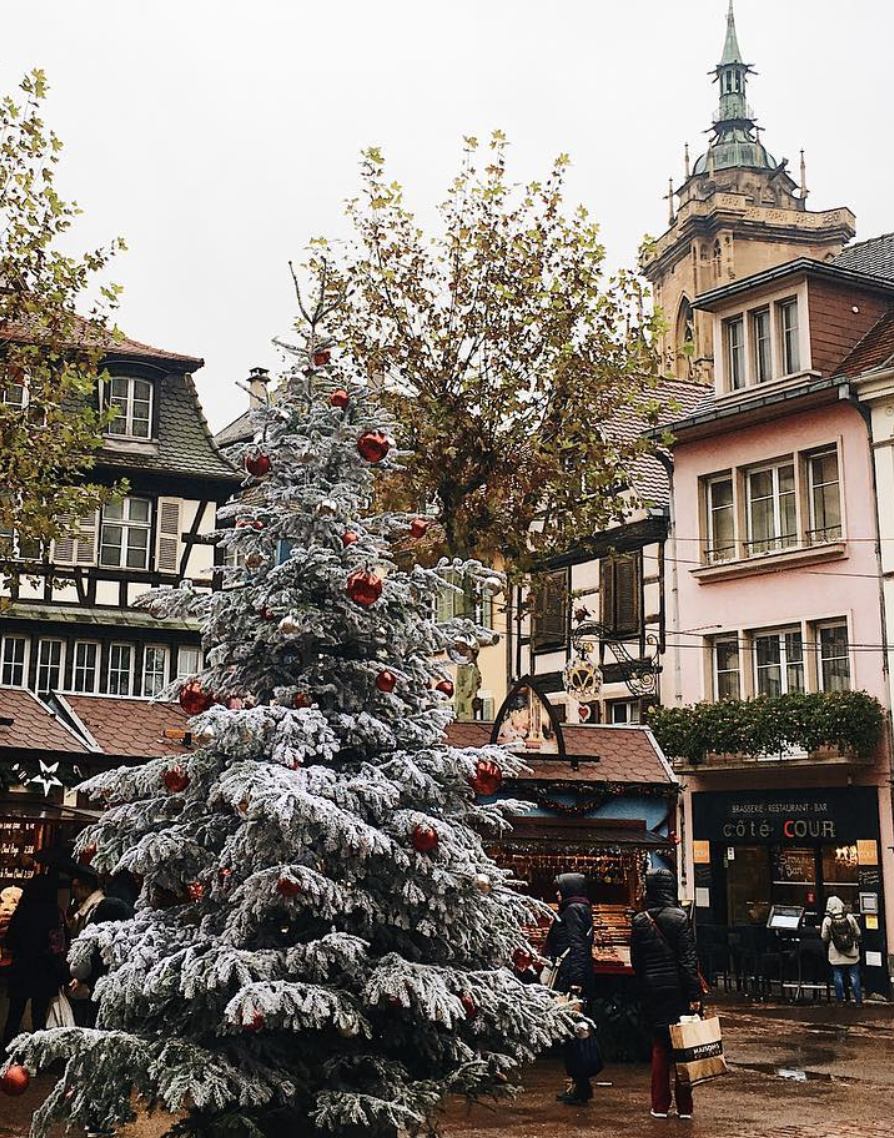
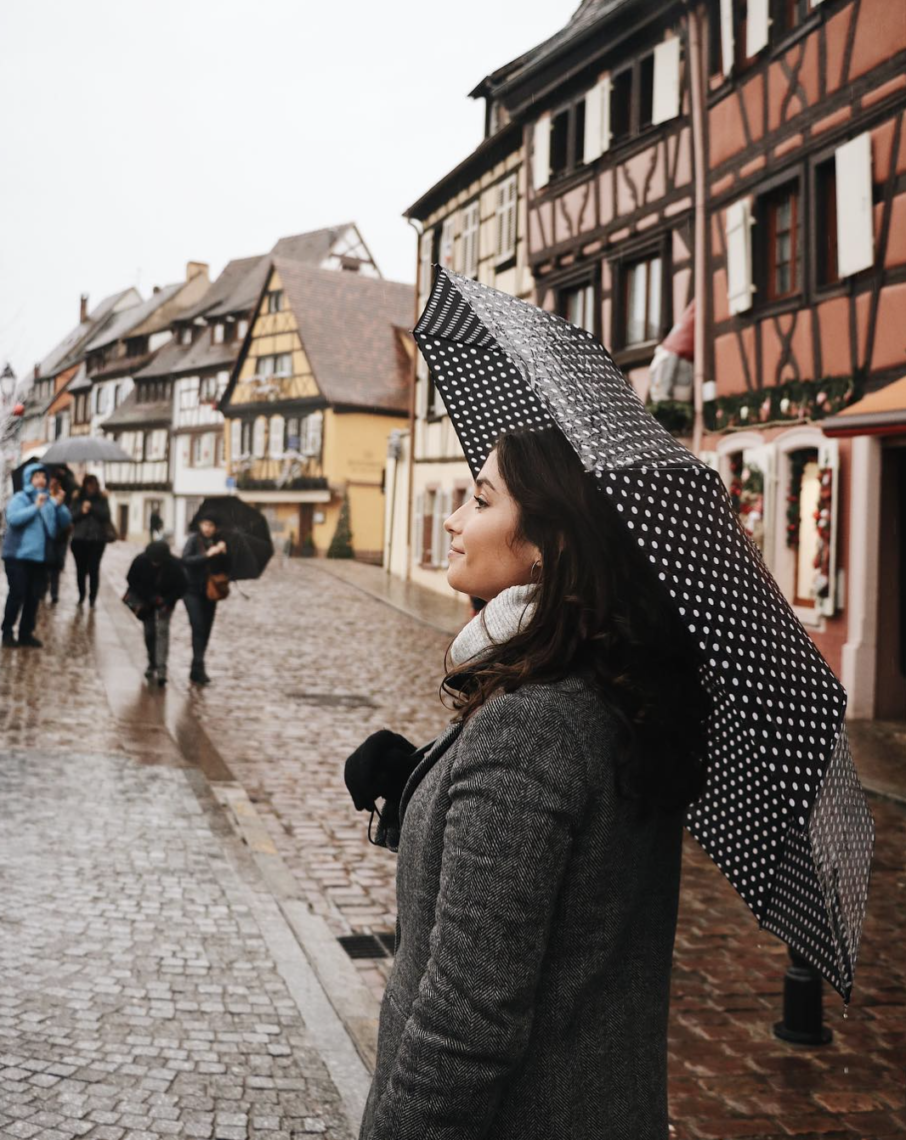
If Strasbourg is the grand version of an Alsatian Christmas, the Colmar Christmas markets are the fairy-tale version.
Colmar already looks like something out of a children’s book year-round, thanks to its canals, colorful half-timbered houses, and cobblestone streets. Add Christmas decorations, lights, garlands, and wooden stalls, and it almost doesn’t look real.
Rather than one huge central market, Colmar has six Christmas markets scattered throughout the historic center. In 2026, they run from November 23 through December 29.
I would absolutely combine Colmar and Strasbourg into the same trip. They’re only around 30 minutes apart by train, and together they make one of the best European Christmas market itineraries you can plan.
If you have extra time, you can also venture into some of the smaller Alsatian villages. Riquewihr, Kaysersberg, and Eguisheim all host their own markets and are ridiculously charming during the Christmas season.
Don’t miss: Petite Venise, Place des Dominicains, Alsatian wine, gingerbread, and a day trip to one of the nearby villages.
6. Munich, Germany
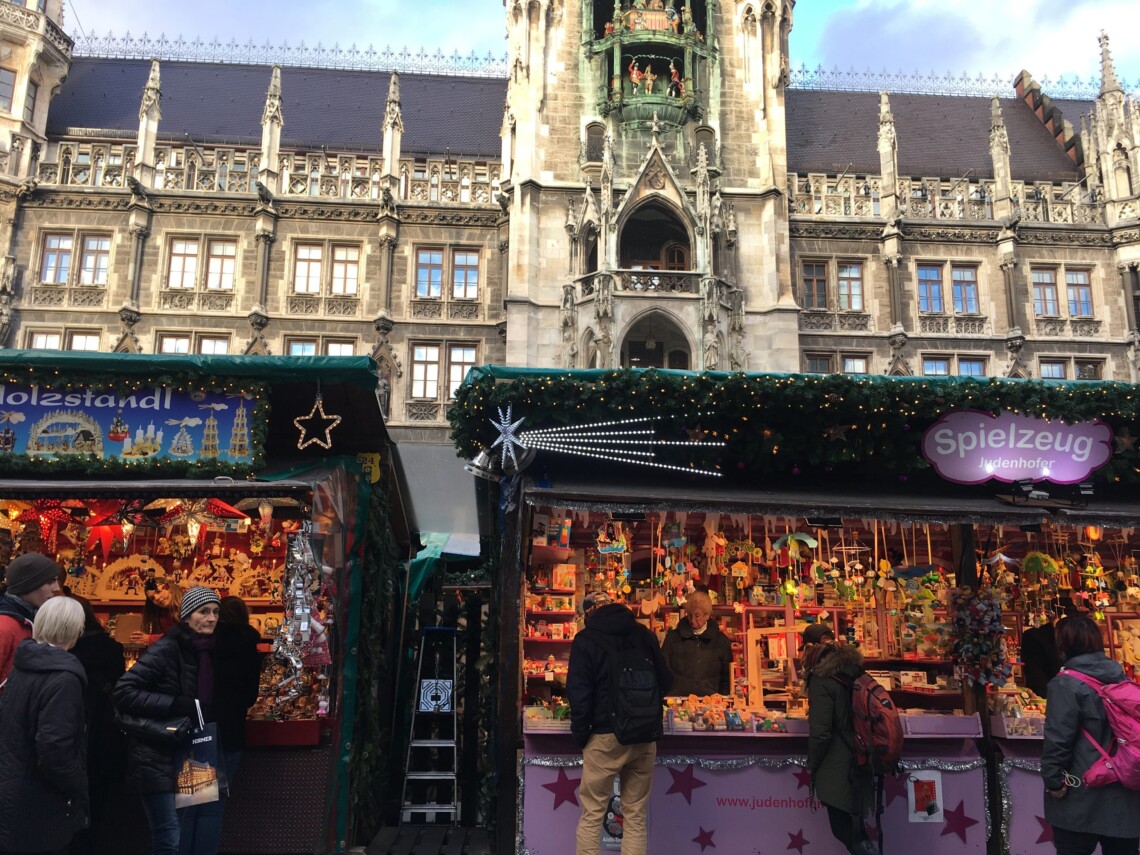
Munich is another city where you can easily spend an entire weekend jumping between different Christmas markets. In fact, I came here on a solo trip a few years back and had so much fun bopping from one market to another.
The main Munich Christkindlmarkt takes place at Marienplatz, with the city’s beautiful New Town Hall towering over more than 100 stalls. This is your classic German Christmas market experience, complete with Glühwein, bratwurst, Christmas decorations, handmade ornaments, and traditional gifts.
In 2026, the Munich Christmas Market runs from November 20 through December 24.
However, Munich also has smaller themed markets around the city. That’s what makes it such a fun destination if you want variety rather than visiting the same market stall setup over and over again.
Don’t miss: Marienplatz at night, the Kripperlmarkt nativity market, Glühwein, Bavarian Christmas food, and a traditional beer hall when you need to warm up.
7. Prague, Czech Republic
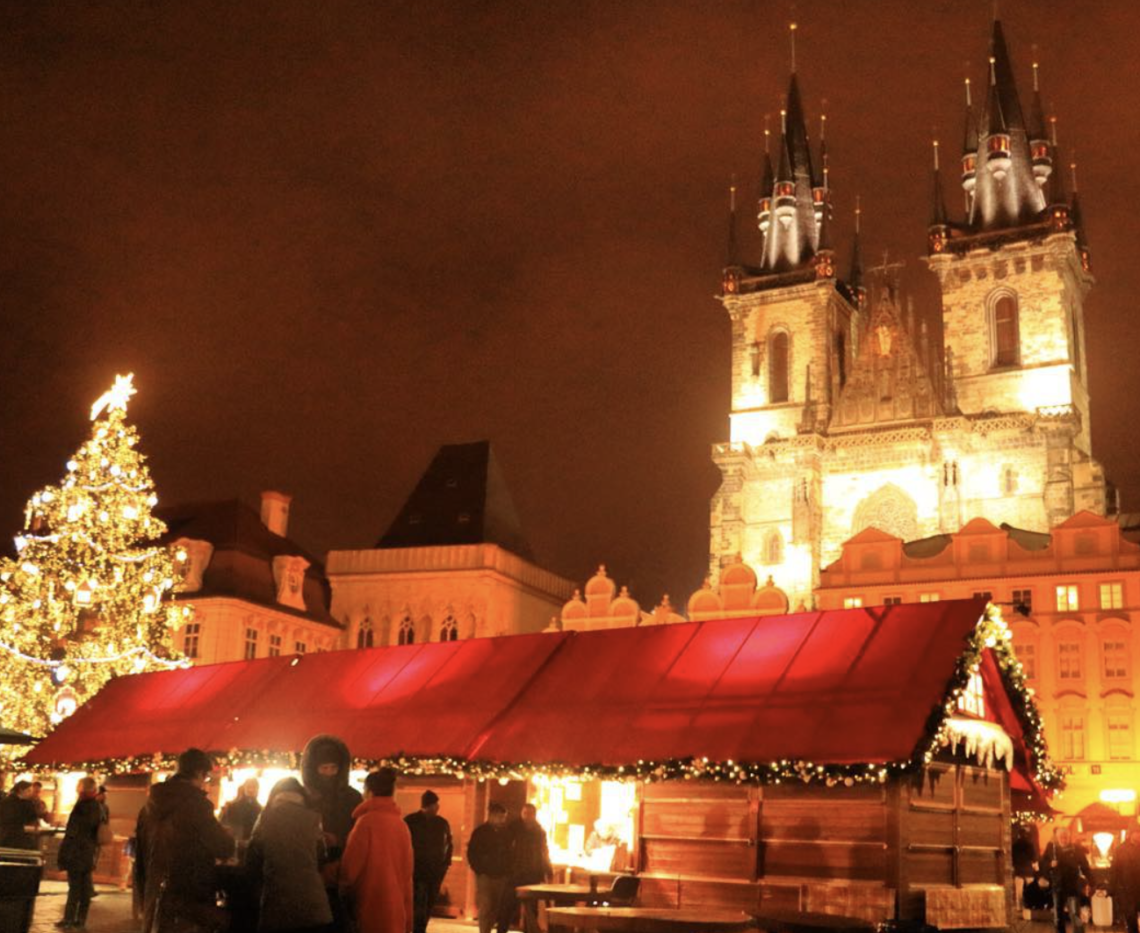
Prague is already one of Europe’s prettiest cities (and one of my personal favorites) so it shouldn’t come as much of a surprise that it looks incredible at Christmas.
The main Christmas market takes place in Old Town Square, surrounded by Prague’s famous Gothic architecture. There’s usually a huge Christmas tree in the center, with wooden stalls selling food, drinks, ornaments, souvenirs, and unique gifts around the square.
Another large market can be found at Wenceslas Square, and there are smaller markets scattered throughout the city. If you want to stay in a good location, I highly recommend booking your accomodation at Mosaic House Design Hotel or the Mandarin Oriental Prague.
One of the biggest advantages of Prague is that the main markets stay open longer than many German markets. In 2026, the Old Town Square and Wenceslas Square markets are scheduled to run from November 28 through January 6, 2027.
That makes Prague a great option if you’re planning a Christmas or New Year’s trip after many of the traditional Christmas markets elsewhere in Central Europe have already closed.
Don’t miss: Old Town Square after sunset, svařák (Czech mulled wine), trdelník (the most incredible chimney cake treat), and a nighttime walk across Charles Bridge.
8. Budapest, Hungary
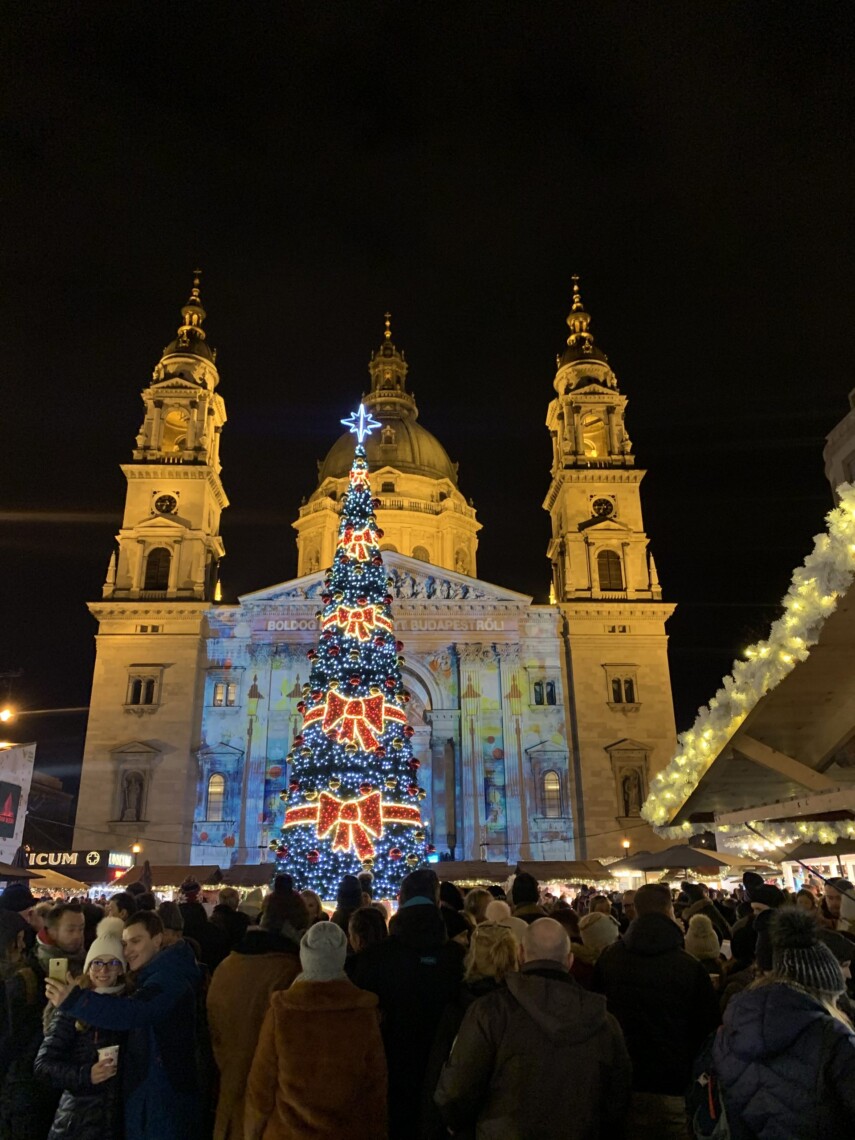
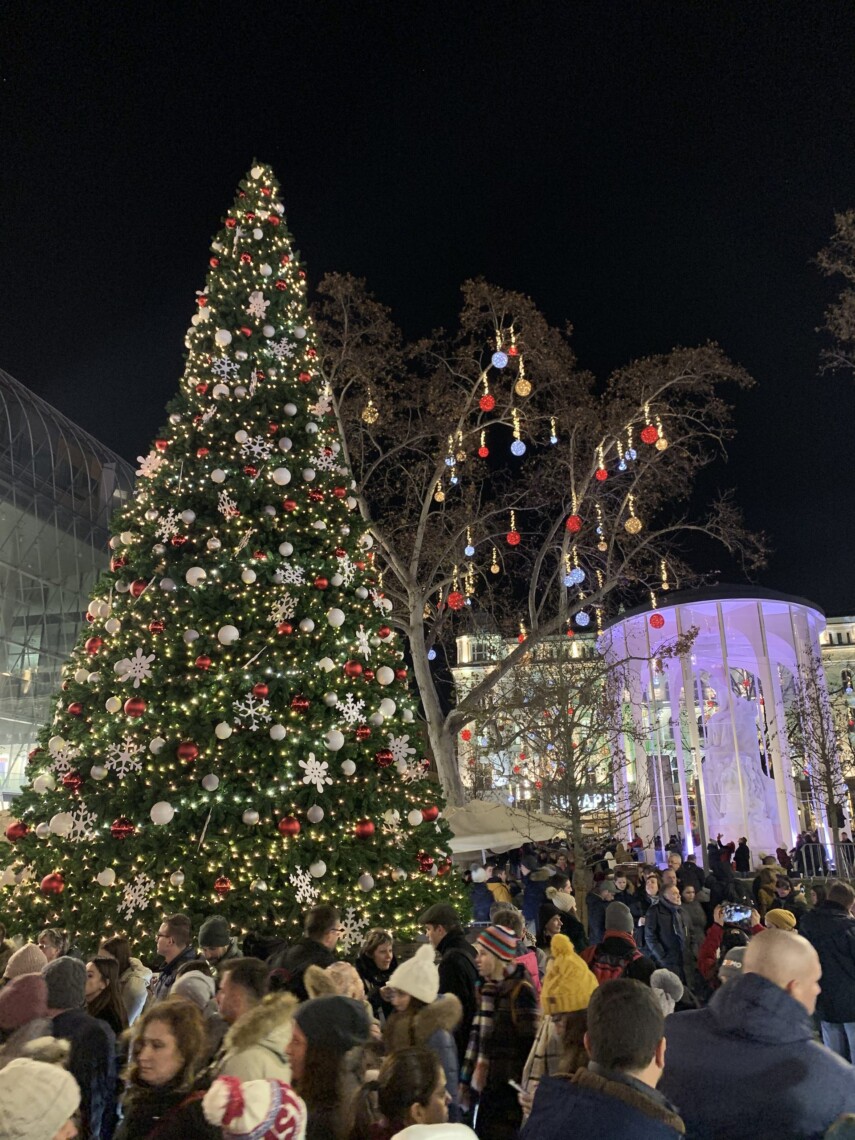
Budapest brings something slightly different to the table.
You’ll still get the wooden stalls, mulled wine, Christmas decorations, and holiday spirit you’d expect from Europe’s Christmas markets, but Budapest feels a little livelier. The city has fantastic restaurants, ruin bars, thermal baths, and nightlife, so there’s plenty to do once you’ve had your fill of market stalls.
Two of the main Christmas markets are around Vörösmarty Square and St. Stephen’s Basilica. The Basilica market is particularly impressive at night when the church is illuminated.
Hungarian festive food is also a major reason to come. Look for chimney cakes, sausages, lángos, goulash, roasted meats, and plenty of hot wine. For me, this city has some of the best food of any European Christmas market.
Budapest is one of my favorite recommendations for younger travelers or anyone who wants the Christmas market experience without making Christmas markets the only focus of the trip. However, if you want a more relaxing atmosphere, Budapest can feel a bit too crowded at times.
Don’t miss: St. Stephen’s Basilica after dark, chimney cake, the thermal baths, and an evening at one of Budapest’s ruin bars.
9. Dresden, Germany
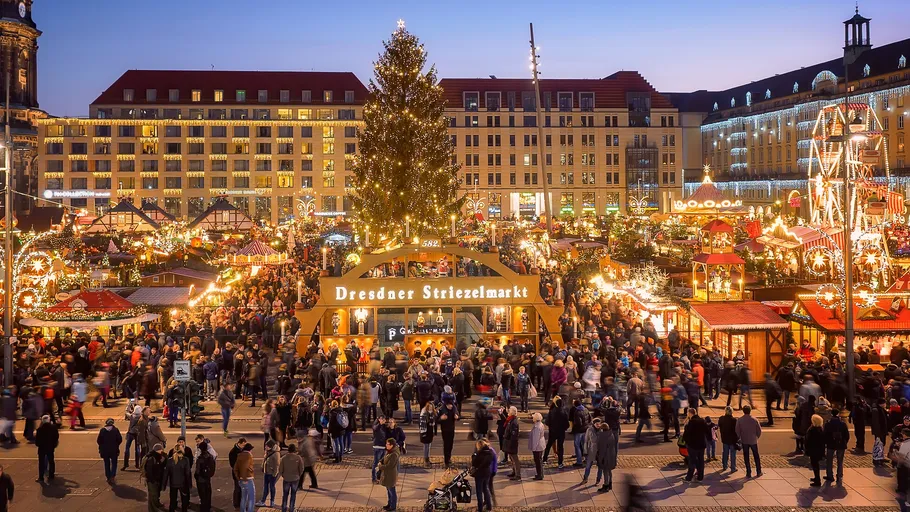
If your main priority is experiencing an authentic traditional holiday market, Dresden deserves a spot on your list.
The city’s famous Striezelmarkt dates back to the 15th century and is considered one of Germany’s oldest Christmas markets. It feels much more rooted in German Christmas tradition than some of Europe’s newer holiday events.
Dresden is especially known for Dresdner Christstollen, the dense fruit-filled Christmas bread associated with the city. You’ll also find wooden crafts, ornaments, regional food, and traditional vendors throughout the market.
For travelers who loved Nuremberg and want to dive even deeper into the German Christmas market tradition, Dresden would be one of my next picks.
Don’t miss: Dresdner Stollen, traditional wooden Christmas decorations, and the Striezelmarkt after sunset.
10. Tallinn, Estonia
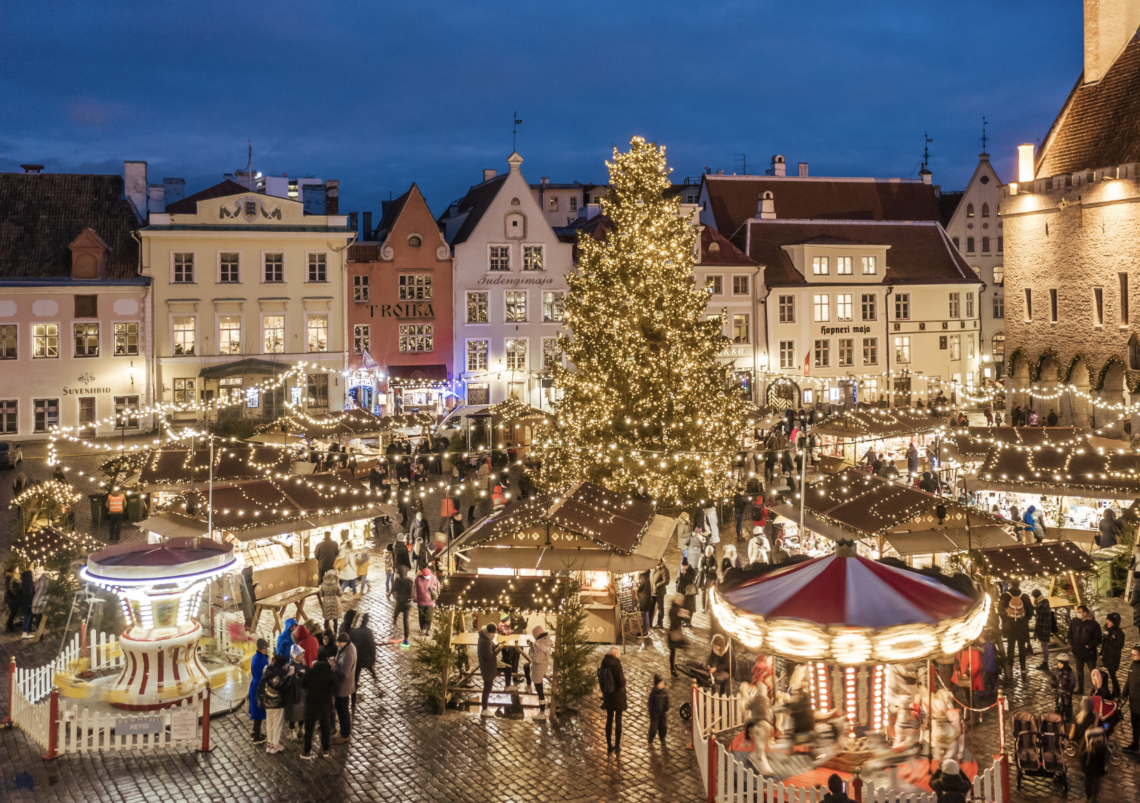
Tallinn is probably the destination on this list that most surprised me when I first started looking beyond the classic markets of Germany and Austria.
The city’s medieval Old Town is basically built for Christmas. The main market takes place in Town Hall Square, where wooden stalls cluster around a huge Christmas tree surrounded by pastel buildings and medieval architecture. If you’re lucky enough to get snow, it’s hard to imagine a more picture-perfect Christmas village.
It’s smaller than Vienna or Prague, but that’s part of its appeal. You aren’t necessarily coming here for hundreds of vendors. You’re coming for the atmosphere.
Don’t miss: Town Hall Square after dark, Estonian Christmas food, handcrafted gifts, and exploring the medieval Old Town.
11. Brussels, Belgium
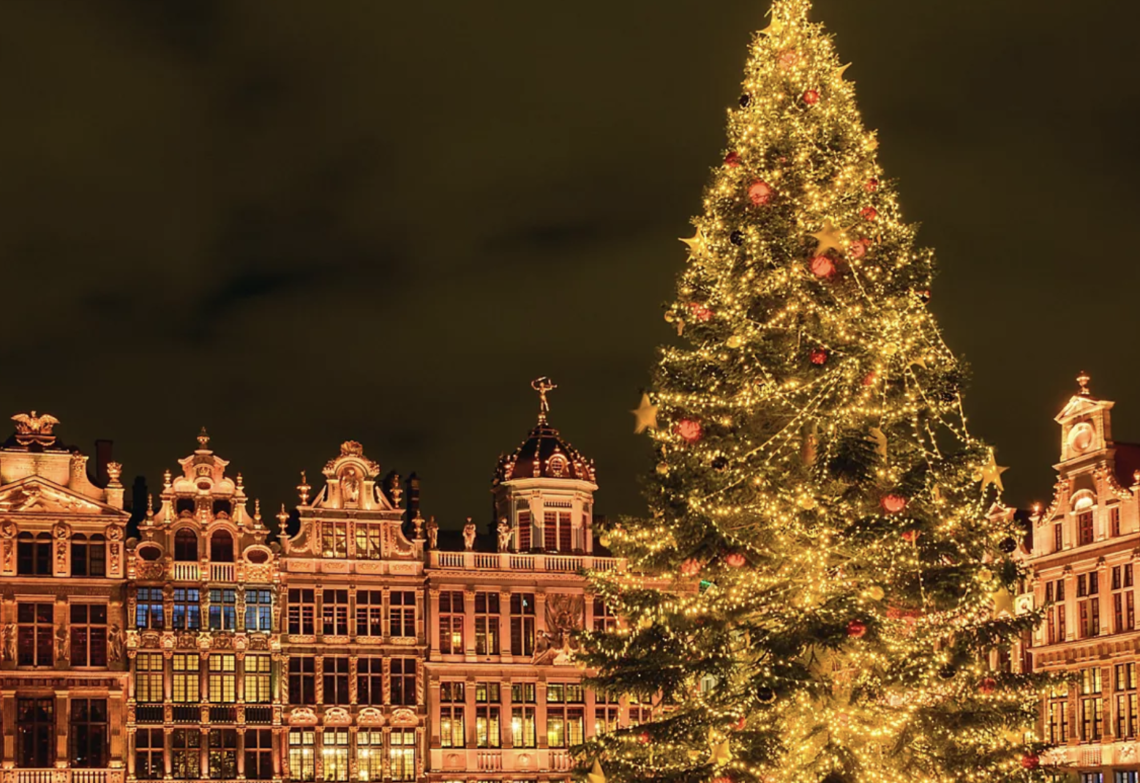
Brussels is a good option for travelers who want a European Christmas market that feels more like an entire holiday festival.
The city’s annual Winter Wonders celebration spreads across central Brussels, including Grand-Place, Sainte-Catherine, the Bourse area, and several surrounding streets and squares.
In 2026, Winter Wonders runs from November 27 through January 3 and includes more than 200 chalets, an ice rink, rides, a Ferris wheel, a Christmas tree at Grand-Place, and a sound-and-light show.
And then there’s the food. Belgian waffles, chocolate, fries, beer, hot cocoa, and plenty of warming winter drinks make it dangerously easy to snack your way through the entire market.
While I still would recommend Germany, Austria, or even France for your first Christmas Market Experience, Belgium is still a good runner-up if you’re on your second or third trip.
Don’t miss: Grand-Place at night, Belgian waffles, the Ferris wheel, and the light show.
Bonus European Christmas Market: Esslingen, Germany
12. Esslingen Christmas Market From Stuttgart
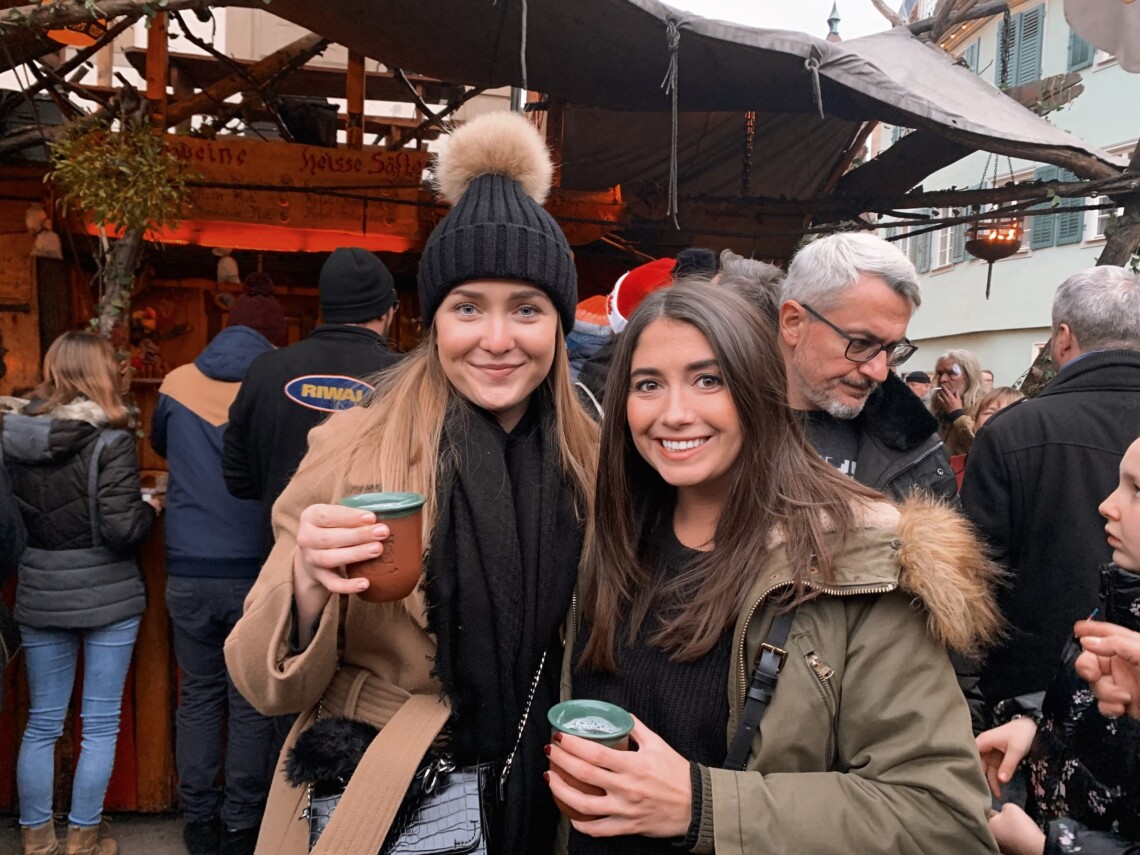
I’m putting Esslingen in its own bonus category because I wouldn’t necessarily plan an entire European trip around it. However, if you’re visiting Stuttgart’s Christmas market, absolutely add Esslingen, it was such a surprising market for me that had so much character and charm.
Esslingen is only around 15 minutes from Stuttgart by train, making it incredibly easy to visit as a half-day or evening trip.
And this isn’t just another German Christmas market.
Esslingen hosts a combined Medieval Market and Christmas Market, with merchants in historical clothing, craftspeople demonstrating traditional skills, performers, fire, medieval food, and hundreds of events throughout the Christmas season.
In 2026, the market runs from November 24 through December 22 and features around 180 booths and approximately 500 cultural program events.
It’s quirky, atmospheric, and completely different from the more polished main markets in cities like Vienna or Munich. However, it is definitely worth the stop in my opinion if you’re looking for something completely different than the other markets.
Don’t miss: The medieval section after dark and the traditional crafts demonstrations.
How to Plan a European Christmas Market Trip
One of the best things about visiting Christmas markets in Europe is that you don’t necessarily need to choose just one. Central Europe’s train network makes it relatively easy to combine several cities into the same holiday trip. Whenever I would personally plan a Christmas Market trip, I would always combine at least 2-3 destinations within a week so I could take full advantage of visiting each country.
For example, you could do Munich → Salzburg → Vienna → Budapest for a fantastic Central Europe itinerary. Another easy option is Strasbourg → Colmar, especially if you only have a long weekend.
If German Christmas markets are your priority, you could build an entire trip around Nuremberg, Munich, Stuttgart, Esslingen, and Dresden, although I’d give yourself plenty of time rather than trying to squeeze every city into a week.
I’d recommend spending around two nights in most destinations. That gives you one full day and two evenings to explore the markets while still having time to actually see the city.
Also, don’t schedule every minute. Part of the magic of a European Christmas market trip is wandering around with nowhere you particularly need to be, stopping when something smells good, buying an ornament you definitely didn’t need, and ordering another mug of mulled wine because, well, the whole point of your trip is to stop and enjoy the Christmas magic.
FAQs About the Best Christmas Markets in Europe
Which country in Europe has the best Christmas markets?
Germany is arguably the best country in Europe for Christmas markets, especially if you’re looking for history, tradition, festive food, handcrafted gifts, and smaller markets beyond the major cities. Nuremberg, Munich, Dresden, Stuttgart, and Esslingen are all excellent choices.
Austria is a very close second, particularly if you want beautiful city backdrops and the ability to visit several markets in one destination.
What is the best Christmas market in Europe?
If I had to choose just one, I’d pick Nuremberg Christkindlesmarkt. It has everything I want from a European Christmas market: history, beautiful wooden stalls, traditional food, ornaments, Glühwein, and an Old Town setting that genuinely feels original rather than overly commercial.
For a first European Christmas trip, however, Vienna may be even easier because there are so many different markets spread throughout the city.
When do Christmas markets start in Europe?
Most Christmas markets in Europe start between mid and late November. The majority are fully open by the last weekend of November and continue through December. Opening dates vary considerably by city.
When do European Christmas markets end?
Many traditional German Christmas markets close on December 23 or Christmas Eve, while markets in other European countries may continue through Christmas Day, New Year’s Eve, or early January. If you’re traveling after Christmas, look at destinations such as Prague, Salzburg, Brussels, or Vienna, where at least some holiday festivities continue beyond December 25.
Is Budapest or Prague better for Christmas markets?
Prague is better if your priority is the classic Christmas market atmosphere, especially with the medieval Old Town surrounding the main market. Budapest is better if you want to combine Christmas markets with nightlife, thermal baths, restaurants, and a slightly more energetic city break. Personally, I’d choose Prague over Budapest for a Christmas market trip.
Is Vienna or Prague better for Christmas markets?
Vienna wins for the sheer number and variety of Christmas markets. You can spend several days hopping between the different markets without getting bored. Prague’s markets are more concentrated and its Old Town setting is incredibly atmospheric, so it’s a better choice if you only have a weekend.
What is the most famous German Christmas market?
The Nuremberg Christkindlesmarkt is one of the most famous German Christmas markets and one of the best-known Christmas markets in the world. Its history, traditional red-and-white stalls, famous gingerbread, and Christkind opening ceremony have made it a beloved tradition.
Which European Christmas markets are best for families?
Vienna, Salzburg, Brussels, and Nuremberg are particularly good options for families because there are activities beyond shopping and drinking mulled wine. Nuremberg even has a dedicated Children’s Christmas Market, while Vienna and Brussels offer additional winter activities and attractions.
How many days do you need for a European Christmas market trip?
For one city, two to three nights is usually plenty. If you’re planning a larger European Christmas market itinerary, I’d give yourself at least seven to ten days and combine three or four destinations.
European Christmas Markets: Wrapping Up
There’s a reason visiting a European Christmas market became such a beloved tradition for me. Of course, the sparkling lights, Christmas trees, ornaments, festive food, and endless mugs of mulled wine are a huge part of the appeal. But some of my favorite memories have much less to do with what I actually saw and more to do with how those trips felt.
Traveling alone through Europe in December gave me the freedom to wander into whatever market caught my attention, strike up conversations with strangers, and change my plans whenever I felt like it. Every city had its own traditions and personality, which is exactly what kept me coming back year after year.
If you’re planning your first trip, Nuremberg, Vienna, Strasbourg, and Prague are all fantastic places to start. But don’t overlook the smaller markets either. Sometimes the tiny Christmas village you hadn’t even heard of ends up being the place you remember most.
And if no one wants to brave the cold and come with you? Well, take it from me. Book the ticket anyway.
No Comments