
No trip to Barcelona is complete without spending a lazy afternoon wandering the old stone labyrinth of the Gothic Quarter. If Eixample is the city’s modern, metropolitan heart, the Gothic Quarter is its birthmark: a lasting reminder of what Barcelona once was. It’s one of the city’s biggest draws today, and it’s easy to see why.
If you’re planning a trip to this iconic Spanish city, you’ll want to know where to eat, what to do, and where to stay in the Gothic Quarter, Barcelona. After nearly nine years of living here, I’ve spent countless afternoons wandering these streets myself. So, without further ado, here’s my full local guide, from history and landmarks to the best places to eat and stay.
This post contains affiliate links, which means I may earn a small commission if you book through them, at no extra cost to you.
Key Takeaways
- The Gothic Quarter, or Barri Gòtic, is Barcelona’s oldest neighborhood, built directly on top of the original Roman city and packed with medieval churches, palaces, and hidden squares.
- Don’t miss Barcelona Cathedral, Plaça Reial, Plaça del Rei, and the quiet lanes of El Call, the city’s old Jewish quarter.
- The neighborhood borders Las Ramblas and El Born, which makes it easy to combine all three into one long day of exploring on foot.
- For a place to stay, boutique hotels like Wittmore Hotel and Hotel Neri put you inside the medieval maze itself, while Ohla Barcelona and The Serras sit right on its edges.
Where Is the Barcelona Gothic Quarter?
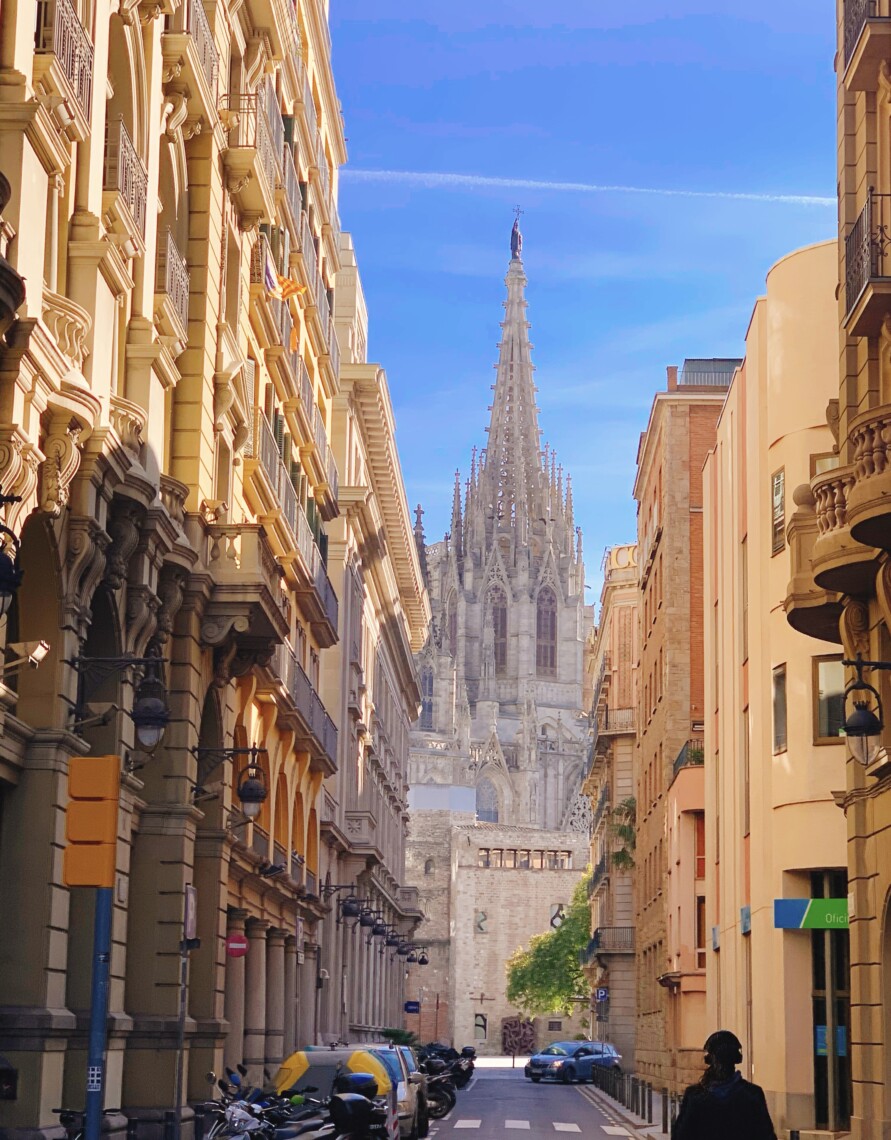
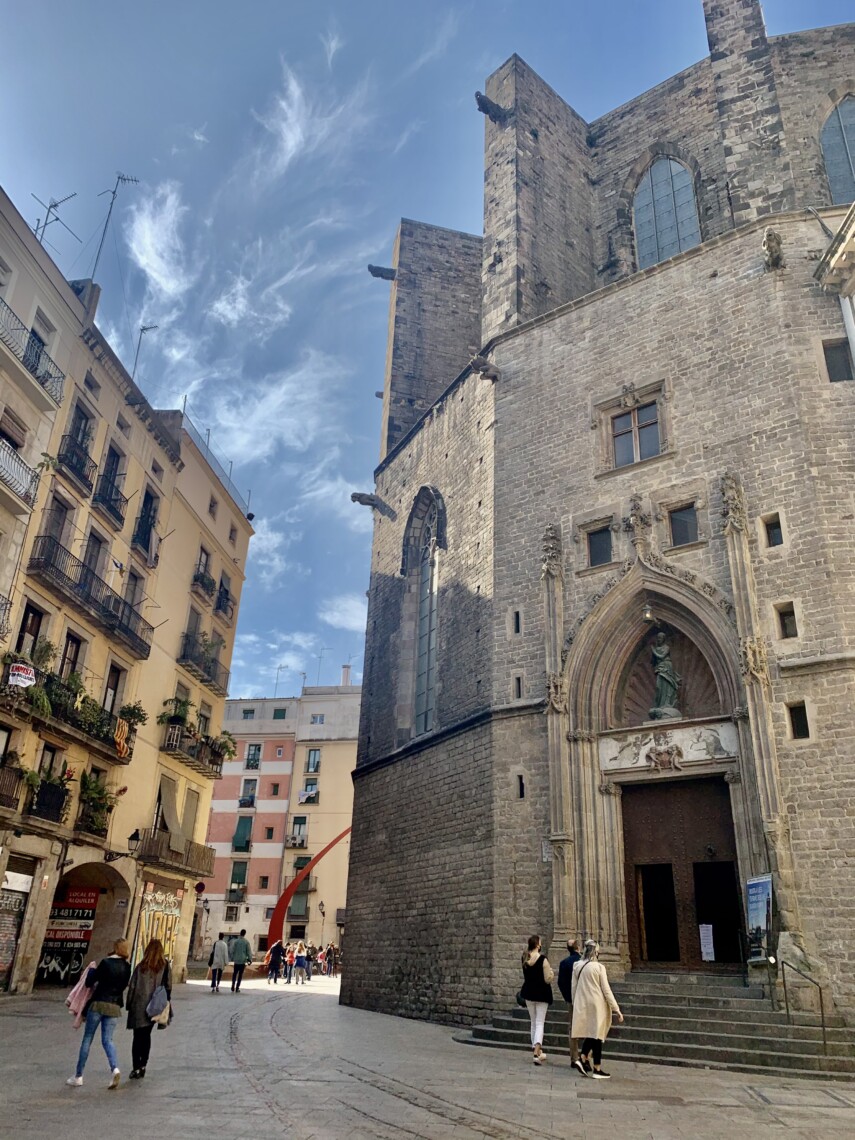
The Barcelona Gothic Quarter, known locally as Barri Gòtic, sits at the heart of Ciutat Vella, the city’s old town. It’s bordered by La Rambla to the west, Via Laietana to the east, which separates it from El Born, and the wide boulevards of Plaça de Catalunya to the north. This was the site of the original Roman settlement of Barcino, and if you know where to look, you can still find fragments of the old Roman wall wedged between medieval buildings, a reminder that this really is one of the oldest continuously inhabited corners of Europe.
Like El Born, the Gothic Quarter is compact and entirely walkable, though I’d argue it’s even easier to get turned around in here. The narrow streets weren’t built with any kind of grid logic; they grew organically over centuries into a genuine maze, which is exactly what makes them so fun to wander. The easiest way in is on foot from Plaça de Catalunya or Liceu metro station (green line), both of which drop you right at the edge of the neighborhood, a short walk from Barcelona Cathedral.
What to See in the Gothic Quarter, Barcelona
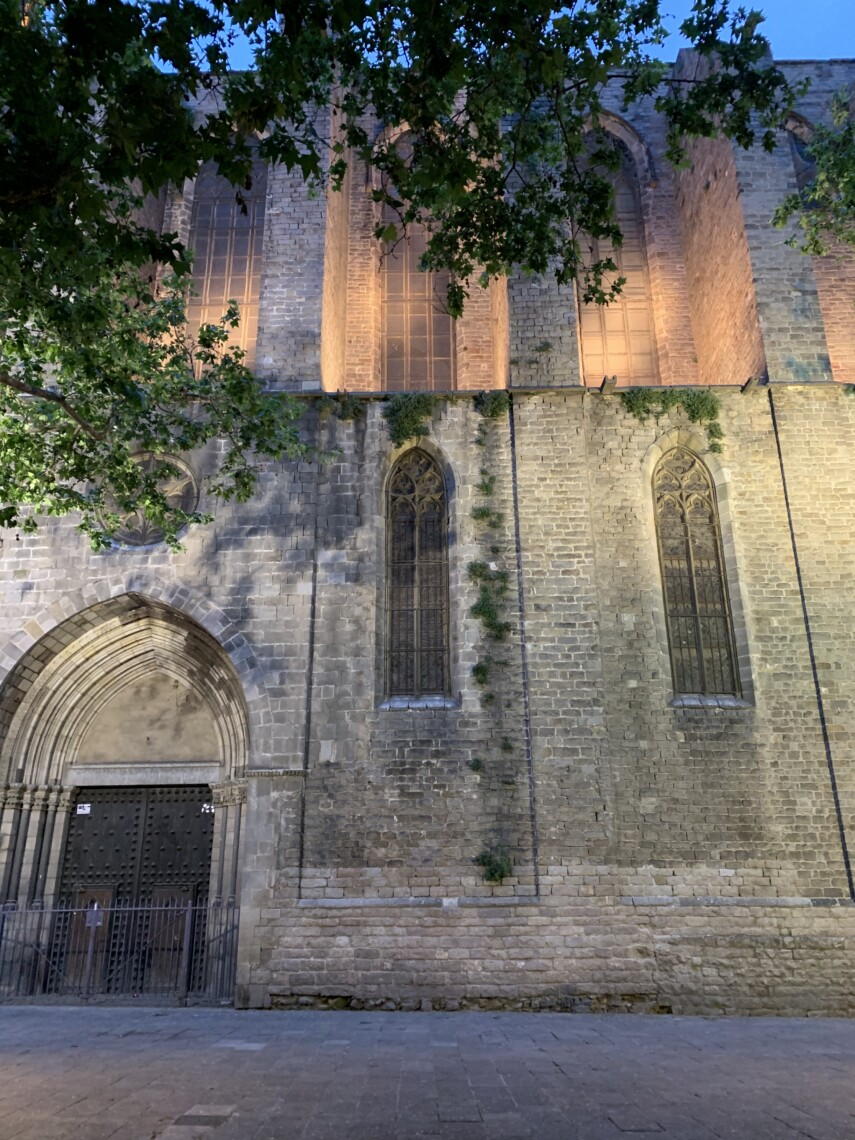
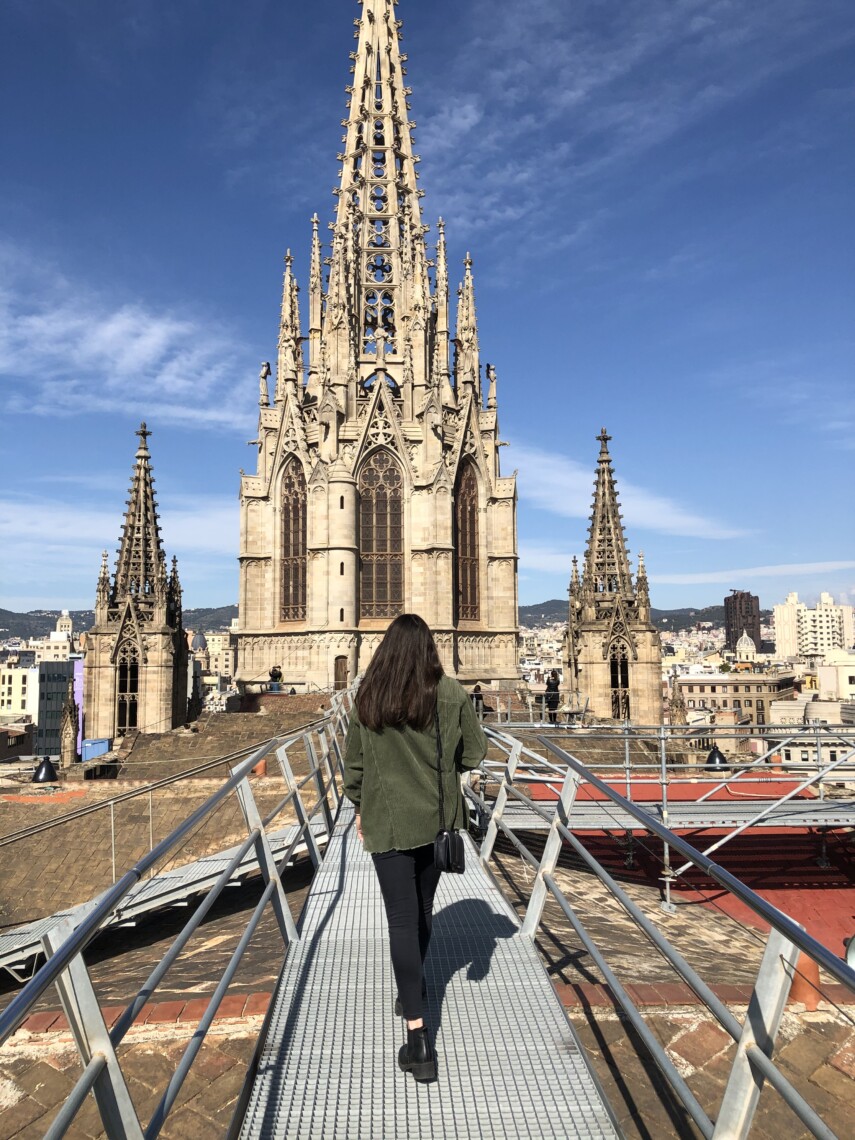
This is where Barcelona’s history is at its most concentrated, so it’s worth slowing down here rather than rushing through on your way to somewhere else.
- Barcelona Cathedral. The Gothic Quarter’s centerpiece and one of the city’s most impressive examples of Catalan Gothic architecture, with an intricate facade and a peaceful cloister where geese have wandered the grounds for centuries.
- Plaça Reial. A grand, palm-lined square just off La Rambla, ringed with cafes and lamp posts designed by a young Antoni Gaudí, one of his earliest commissions anywhere in the city.
- Plaça del Rei. A hushed medieval square that feels frozen in time, once the site of the royal palace of the Counts of Barcelona.
- El Call. The old Jewish quarter, a tangle of narrow alleys that’s easy to walk past without noticing, but worth seeking out for the history and the quieter local life it holds onto.
- Carrer del Bisbe. Famous for its ornate neo-Gothic bridge connecting two government buildings, one of the most photographed corners of the neighborhood.
- Roman ruins beneath Plaça del Rei. The Barcelona City History Museum sits above an excavated stretch of the original Roman city, and you can genuinely walk through it underground, one of the most underrated museum experiences in the city.
What to Do in the Gothic Quarter, Barcelona
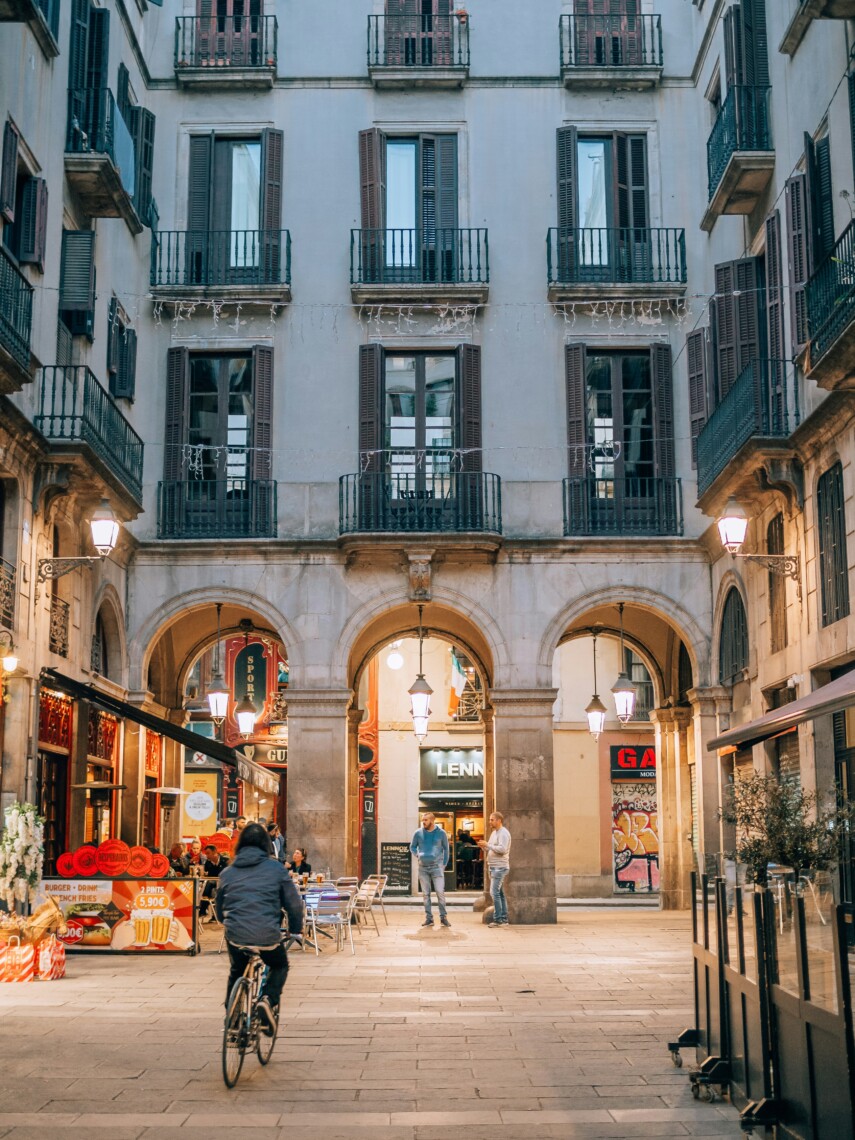
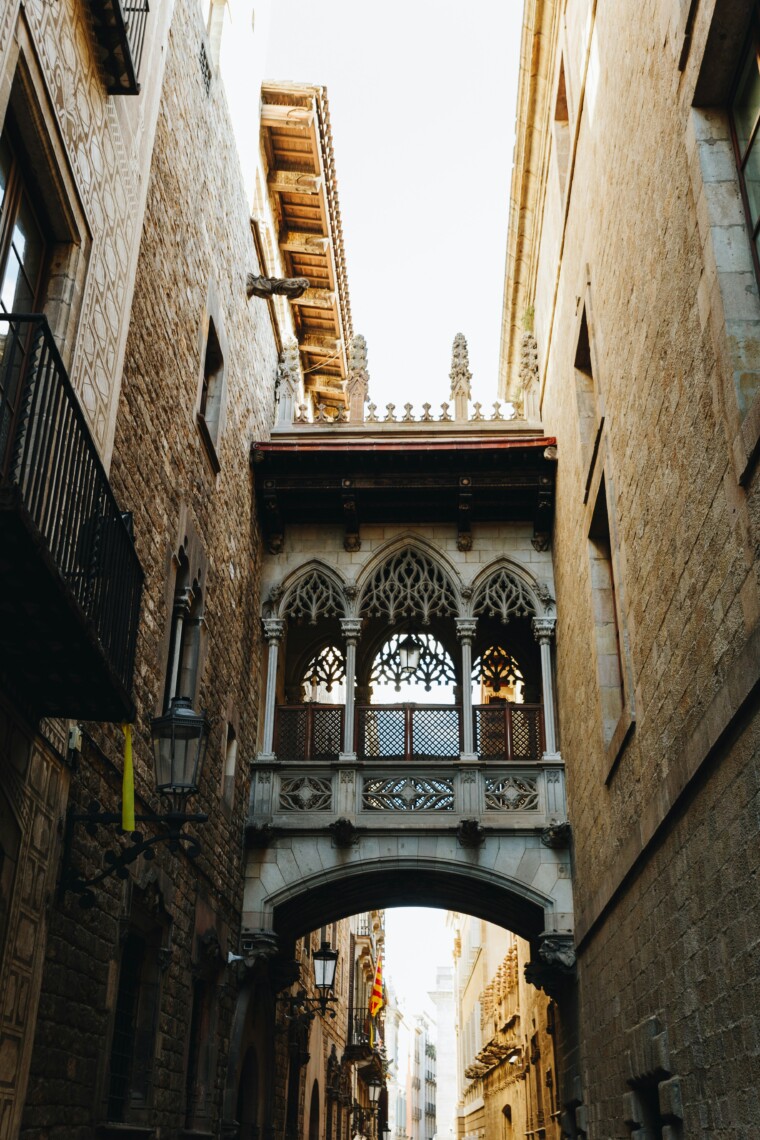
Beyond the historic landmarks, the real charm of the Gothic Quarter is in how you spend your time here, not just what you check off a list.
- Wander without a map. I know it sounds like a cliché travel tip, but in this neighborhood it’s genuinely the best strategy. And honestly, it’s one of my favorite things to do when I come to the center myself.
- Browse the antique and design shops along Carrer de la Palla and Carrer Banys Nous, both known for antiques dealers and small boutique studios that feel a world away from chain retail.
- See a flamenco show. While flamenco is definitely more popular in the south of Spain, many travelers coming to Barcelona still want to see a show. If you choose to add a flamenco show to your Barcelona itinerary, definitely try booking your show in advance and go to a venue in the gothic quarter. You can book a flamenco show here.
- Take a food tour through the Gothic Quarter. A guided tapas crawl through the neighborhood’s back streets is one of the best ways to eat your way through spots you’d probably walk past on your own. Book your Barcelona food tour here.
- Take a walking tour. If you want the deeper history behind what you’re seeing, a guided walking tour through the Gothic Quarter is genuinely worth it here, more than almost anywhere else in the city, given how much of the story is hidden behind plain-looking doors. Book a Barcelona walking tour here.
- Combine it with a full day in El Born. The Gothic Quarter sits right next to El Born, so it’s an easy walk east across Via Laietana to keep going. Once there, wander through Parc de la Ciutadella, Barcelona’s largest downtown park, and then walk under the Arc de Triomf. It’s a short stroll back into El Born proper where you can also go to the Picasso Museum or have a classic tapas dinner at El Xampanyet.
Best Hotels in the Gothic Quarter
Staying inside the Gothic Quarter itself puts you within walking distance of nearly everything, and although crowded in peak season, it’s a lively and fun area to base yourself in when traveling to Barcelona.
- Wittmore Hotel – Adults-only, 22 rooms, a strict no-photos policy, and a speakeasy feel that makes it one of the most talked-about boutique hotels in the city.
- Hotel Neri Relais & Chateaux – A 17th-century mansion tucked right behind Barcelona Cathedral, with a leafy rooftop bar and rooms full of medieval architectural detail.
- Ohla Barcelona – Polished five-star service and home to Caelis, the neighborhood’s Michelin-starred restaurant, a great pick if you want a bit more comfort alongside the history. Also has one of the best rooftop bars in Barcelona.
- The Serras – Set in the building where Picasso got his start, right on the Marina Port Vell with a Michelin-starred chef running the kitchen.
- Málda Singular – A design-forward option tucked into the quieter western side of the neighborhood, good if you want distance from the busiest tourist paths.
- Hotel Barcelona Catedral – Steps from the cathedral itself, with a rooftop pool that’s a genuine relief in the summer heat.
Best Restaurants in the Gothic Quarter and El Born
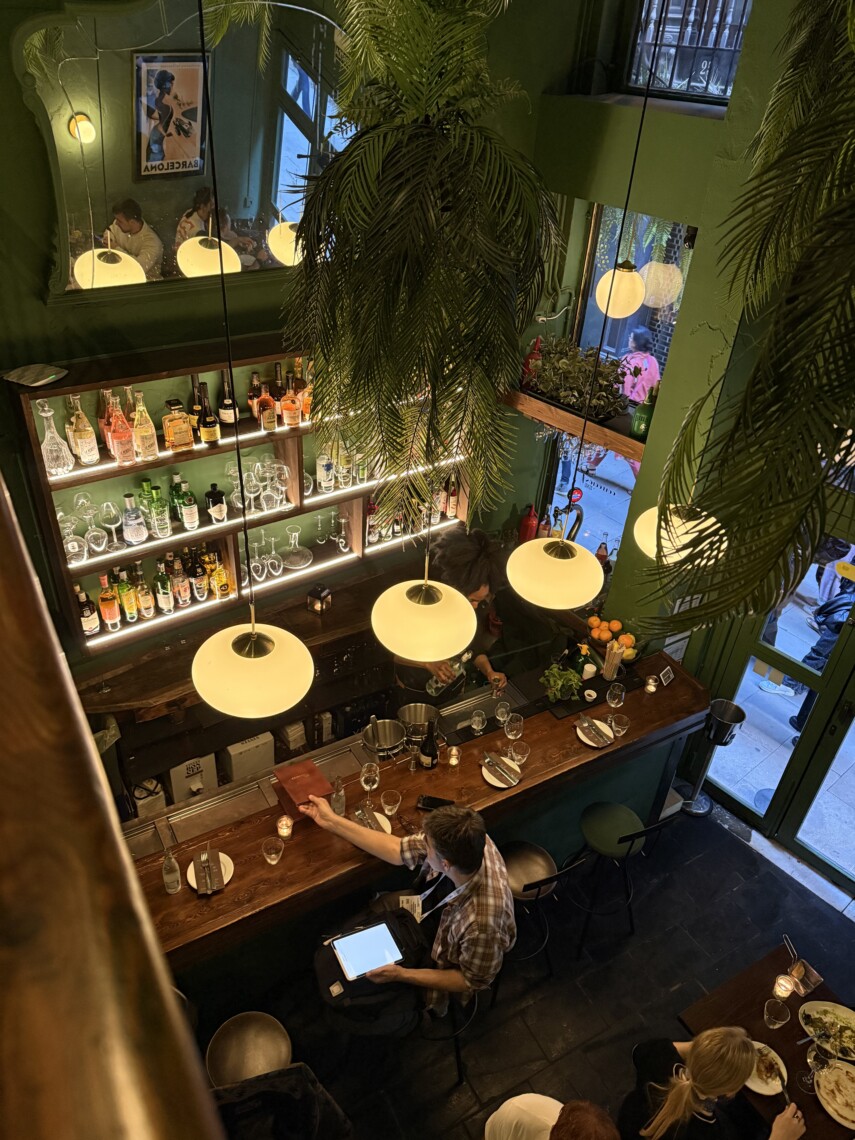
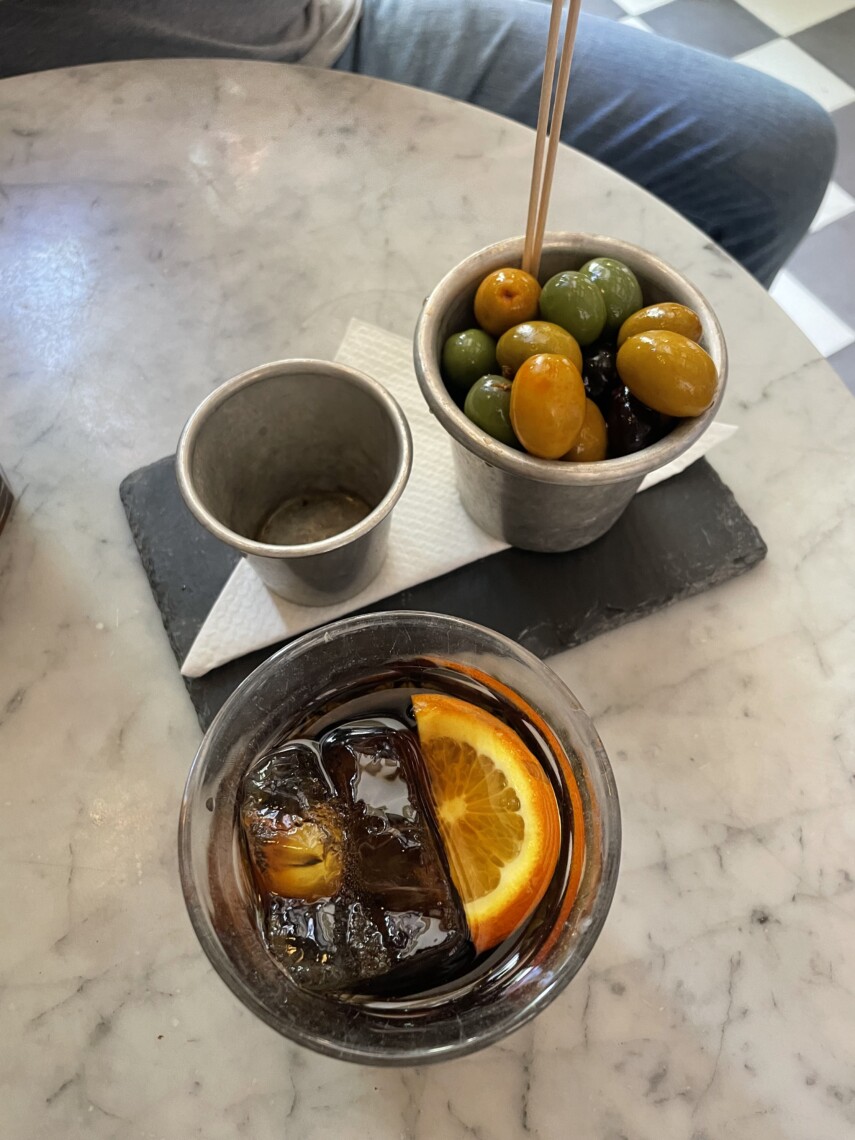
Because the Gothic Quarter and El Born sit right next to each other, I always plan meals across both neighborhoods rather than sticking to just one side of Via Laietana. Here’s where I send people, for everything from a quick tapas bar lunch to a proper sit-down dinner:
- Sensi Tapas: A Gothic Quarter favorite for classic tapas and an extensive wine list, tucked into one of the neighborhood’s narrow streets. They have several locations here so plan accordingly!
- Set Portes: A Barcelona institution near the port, famous for its paella and traditional rice dishes since the 1800s.
- Bodega La Puntual (El Born): A cozy, wine-focused spot in El Born, great for a slower dinner with a strong Catalan wine list.
- Volta Restaurant and Bar: A well-loved, highly-rated spot for creative Catalan plates and a solid brunch, popular with both locals and food-focused travelers.
- Tapeo (El Born): Just adjacent to the Gothic Quarter near the Picasso Museum, known for modern-twist tapas.
- El Xampanyet (El Born): A tiled, 1930s cava-and-anchovies bar that’s been a neighborhood fixture for nearly a century. It is super popular and they don’t take reservations so be sure to come early.
- Bar Cañete: Technically just over the line in El Raval, but close enough, and good enough, that it’s always worth the extra five-minute walk. Excellent counter-style Spanish cooking and a genuine locals’ favorite. Try to reserve ahead of time.
Frequently Asked Questions About the Gothic Quarter, Barcelona
What is there to see in the Gothic Quarter, Barcelona?
The top sights are Barcelona Cathedral, Plaça Reial, Plaça del Rei, and El Call, the old Jewish quarter. If you have extra time, the underground Roman ruins beneath the Barcelona City History Museum are worth the detour, they’re a genuinely different way to experience the neighborhood’s history than walking the streets above.
What is there to do in the Gothic Quarter, Barcelona?
Beyond sightseeing, the Gothic Quarter rewards slow wandering: people-watching in Plaça Reial, browsing the antique shops on Carrer de la Palla, and pairing a walk here with a meal in neighboring El Born. A guided walking tour is also a great way to get the full history in a single afternoon.
Is the Gothic Quarter a good place to stay in Barcelona?
Yes, it’s one of the most central, walkable neighborhoods in the city, putting you within easy reach of Las Ramblas, El Born, and the beach. That said, it’s worth choosing a hotel a few streets back from the busiest tourist paths if you want a quieter stay, since the main routes can get loud at night.
Is the Gothic Quarter safe?
Yes, but pickpocketing is a real risk, especially around Plaça Reial, La Rambla, and the metro entrances. It’s a well-policed, heavily trafficked neighborhood day and night, so the main thing to watch is your bag and phone in crowds, not personal safety in a broader sense. I also suggest leaving flashy jewelry at home, as some pickpocketers may go for a necklace or watch instead of your phone.
Related article: Is Barcelona Safe? Everything You Need to Know
How do you get to the Gothic Quarter?
The easiest way in is on foot from Plaça de Catalunya or Liceu metro station on the green line, both of which drop you right at the edge of the neighborhood. From the airport, the Aerobus stops at Plaça de Catalunya, about a 5-minute walk in; from Sants train station, it’s a straight shot on the L3 green line to Liceu.
How many days do you need in the Gothic Quarter?
Half a day is enough to hit the main landmarks, but a full day lets you slow down, get properly lost in the side streets, and pair it with a meal in El Born. If you’re combining it with Las Ramblas and El Born into one walking day, plan for six to eight hours total.
What’s the difference between the Gothic Quarter and El Born?
Both sit within Barcelona’s old town and share that same medieval, narrow-street charm, but the Gothic Quarter is centered around Barcelona Cathedral and tends to draw more tourists. El Born has a slightly more local, artsy feel with its own distinct restaurant and nightlife scene. I personally prefer El Born, however, both areas are right next to each other.
What’s the best time to visit the Gothic Quarter?
Early morning or early evening are best for avoiding crowds, since midday tour groups pack the main squares and narrow streets fast. Spring and fall also make for a more comfortable walk than peak summer, when the stone streets trap heat and offer little shade.
Final Thoughts
The Gothic Quarter is one of those neighborhoods that gives you something new every single time you walk through it, no matter how many times you’ve been. It’s dense with history in a way that’s easy to feel even if you don’t know the details of every building, and honestly, that’s part of the appeal. Get a little lost, look up more than you think you need to, and let yourself wander into whatever hidden square or narrow alley catches your eye. That’s really the best way to see it.
Planning on visiting Barcelona? Here are a couple articles to help you get started:
- Is Barcelona Worth Visiting?
- Best Neighborhoods to Stay in Barcelona
- Is Barcelona Safe? What You Need to Know
- Best Hotels in Barcelona: From Boutiques to Luxury Hotels
- 25 Things to Do in Barcelona
- Barcelona Travel Guide: 3-Day Itinerary
- The Best Coffee Shops in Barcelona in 2026: A Local’s Guide
- When Is the Best Time to Visit Barcelona, Spain?
- The 15 Best Day Trips From Barcelona: 2026 Guide
- The Best Breakfast and Brunch in Barcelona: 14 Local Spots Worth Waking Up For
- The Top Rooftop Bars in Barcelona: My Go-To Summer Guide
- The Best Clubs in Barcelona: Where to Experience Top Nightlife in the City


No Comments