
When you start planning a trip to Europe, destinations like Spain, Italy, or France might be at the top of your bucket list. But what if you’ve already checked those places off your list or, better yet, you’re looking to experience a different corner of Europe?
While Dublin is hardly a hidden gem, I do think it’s a destination that often gets passed up for some of Western Europe’s more popular hotspots. But with its lively pub culture, fascinating history, and easy access to Ireland’s incredible countryside, there’s a lot to love about visiting the Irish capital.
If you’re trying to decide whether Dublin should be your next vacation spot, this post is here to help!
Below, I’ll walk you through some of my favorite parts of visiting Dublin, the pros and cons of the city, and a few additional recommendations for making your trip to Ireland one you’ll never forget.
So, is Dublin, Ireland worth visiting? Read on for my honest opinion.
Short on Time? Here Are My Top Hotels to Stay in Dublin, Ireland
If you’re still figuring out where to stay, these are three hotels I’d have at the top of my list:
- The Hoxton: A stylish boutique hotel with plenty of personality and a great location for exploring Dublin.
- Anantara The Marker Dublin: My pick for a more luxurious stay. This modern five-star hotel in the Docklands has sleek rooms, a spa, and a rooftop terrace.
- Number 31: An intimate boutique hotel tucked away in Georgian Dublin. It feels more like a beautifully designed private home and is especially lovely for couples.
Key Takeaways: Is Dublin Worth Visiting?
If you’re wondering whether Dublin is worth visiting, here’s the short version:
- What I love about Dublin is that it’s super compact and easy to explore. You can see many of the top attractions in just two or three days.
- The pub culture is one of my favorite parts of the city. Live music, Guinness, whiskey, and packed local pubs give Dublin a fun, social atmosphere.
- There’s plenty of Irish history. Dublin Castle, Trinity College Dublin, St Patrick’s Cathedral, and several museums make the city much more than a nightlife destination.
- The weather is unpredictable. Rain can appear at any time, even during warmer months.
Why Dublin Is Worth Visiting
Dublin Is Easy to Explore in a Short Trip
One of Dublin’s biggest advantages is its size. Unlike London, Paris, or Rome, where getting from one attraction to another can take a significant amount of time, Dublin city feels compact and super manageable, even if you’re solo traveling or with a partner.
Many of the top attractions are clustered around the city center, which means you can walk everywhere within 10 to 30 minutes. You can visit Trinity College Dublin in the morning, walk through Temple Bar, head to Dublin Castle, and continue toward St Patrick’s Cathedral without relying heavily on public transport. I say this with one caveat, you may have to hop in a cab if it’s raining and you forget an umbrella, not necessarily because the distances are far.
St Stephen’s Green is also within easy walking distance, making it simple to build a Dublin itinerary around neighborhoods rather than spending your day commuting.
If you need to travel farther, Dublin Bus and other public transport options make getting around fairly straightforward. For travelers who are short on time, this is one of the biggest reasons Dublin is worth visiting. You can experience a lot in a relatively short amount of time.
The Pub Culture Is Genuinely One of My Favorite Parts of the City
Irish pubs might sound like the most obvious reason to visit Dublin, but they really are a big part of the experience.
And it’s not just about drinking.
Pubs in Dublin feel social, lively, and welcoming. You might walk into a cozy pub in the afternoon and find live music already playing, then somehow end up chatting with locals at the table next to you.
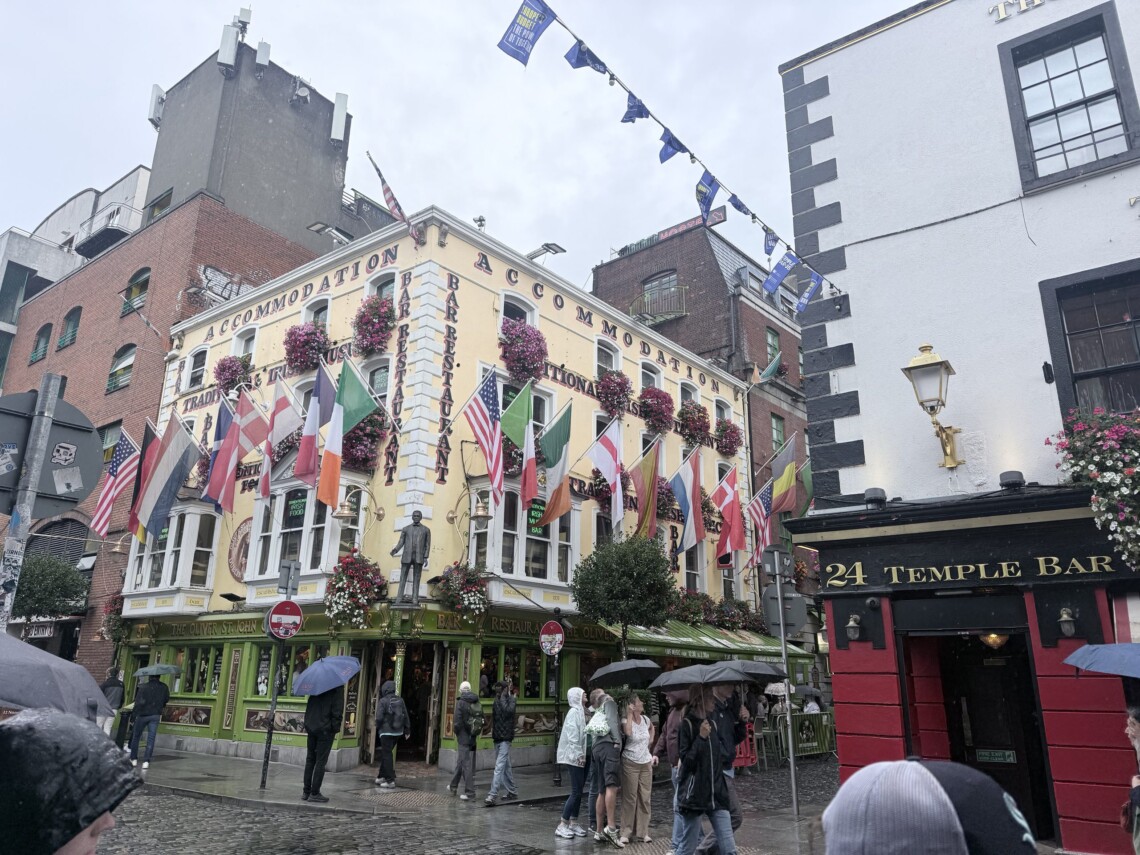
Temple Bar is the most famous nightlife area, and I do think it’s worth walking through at least once. The narrow streets, colorful pubs, and live music create a fun atmosphere, especially if it’s your first visit.
However, Temple Bar is also incredibly touristy. Prices are higher, crowds can be intense, and certain pubs definitely fall into tourist trap territory. Walk around, grab a drink if you want, then explore pubs outside the neighborhood too.
If Guinness isn’t your thing, Dublin is also known for Irish whiskey. The Irish Whiskey Museum is one of the easiest attractions to add to a central Dublin itinerary, and you can also find plenty of whiskey tastings around the city.
Dublin Has Fascinating Irish History
Dublin is a great destination if you enjoy learning about the history of the places you visit.
Dublin Castle is one of the city’s most important historic landmarks and is easy to combine with other central attractions.
Trinity College is another must, especially if you plan to visit the Book of Kells Experience. Even if you’re not particularly interested in historic manuscripts, the university campus itself is beautiful to walk around, so definitely pencil in some time to explore this spot as well.
St Patrick’s Cathedral is another major landmark you can easily hit while walking through the city.
A guided tour can also be worthwhile if you want more historical context without spending hours inside museums. Plus, I love a good walking tour when I get to a new city just to get my bearings and hit all the major sites. I recommend doing one of the many Dublin Walking Tours through Get Your Guide if you’re looking to gain a little history lesson on your visit.
Dublin Is a Convenient Starting Point for Ireland
For many international travelers, Dublin Airport will be the easiest entry point into Ireland. That makes Dublin a natural place to start or finish a trip.
For my recent trip to Ireland, I spent two days in Dublin and then rented a car and headed to other areas like Killarney and Dingle. If you don’t have so much time (or if you have a fear of driving on the opposite side of the road), you can also take day trips to Wicklow, Kilkenny, or even the Cliffs of Moher.
Personally, though, I’d use Dublin as the beginning of a larger Ireland trip.
Once we got outside the city, Ireland started feeling much more like the place I had imagined before visiting. The small villages, dramatic coastline, green hills, winding roads, and wide-open landscapes were some of my favorite parts of the entire trip. And in my honest opinion, a trip to Ireland would just not feel complete if you only stayed in Dublin city center.
The Downsides of Visiting Dublin


The Weather Can Be Unpredictable
Ireland isn’t exactly known for reliable sunshine. Even during the warmer months, Dublin can be cloudy, windy, or rainy. Weather can also change quickly throughout the day. When I came in August, we had mostly sunny days with a few cold and rainy ones sprinkled in.
Now, that doesn’t mean you shouldn’t visit. In fact, if you’re tired of the summer heat, a visit to Ireland can actually be a fantastic idea.
Just pack accordingly. Bring layers, waterproof shoes if possible, and a lightweight rain jacket, even if you’re coming in summer.
The best time to visit Dublin depends on what kind of trip you want, but late spring through early autumn generally gives you longer daylight hours and fewer rainy days.
Parts of Dublin City Center Feel Rougher Than I Expected
This was probably my biggest surprise. I never felt personally unsafe during my time in Dublin, but certain parts of the Dublin city center felt a little sketchier than I expected.
Areas around O’Connell Street and Henry Street, for example, felt noticeably different from the quieter Georgian streets and tourist-heavy areas. As any major city, Dublin naturally has some neighborhoods and streets that feel less polished than others.
While I still think Dublin is fairly safe, for a solo traveler, I’d follow standard city precautions. Stay aware of your surroundings, avoid wandering around unfamiliar areas alone late at night, and keep an eye on your belongings.
I wouldn’t consider this a reason not to visit Dublin, but it’s worth being aware of before planning your trip.
Dublin Can Be Expensive
I personally am used to Spain and Italy prices, so when I came to Dublin, I found things to be quite expensive. Accommodation in Dublin can be surprisingly expensive, particularly during summer, weekends, and around St Patrick’s Day. Food and drinks can also add up quickly, especially around Temple Bar.
Booking Dublin hotels early is one of the easiest ways to keep costs somewhat manageable. I personally waited until a few weeks before and paid for an overpriced hotel right in the heart of temple bar (which I wouldn’t recommend).
If you’re planning to visit several paid attractions, it may also be worth comparing individual entrance fees with the Dublin Pass.
Best Things to Do in Dublin, Ireland

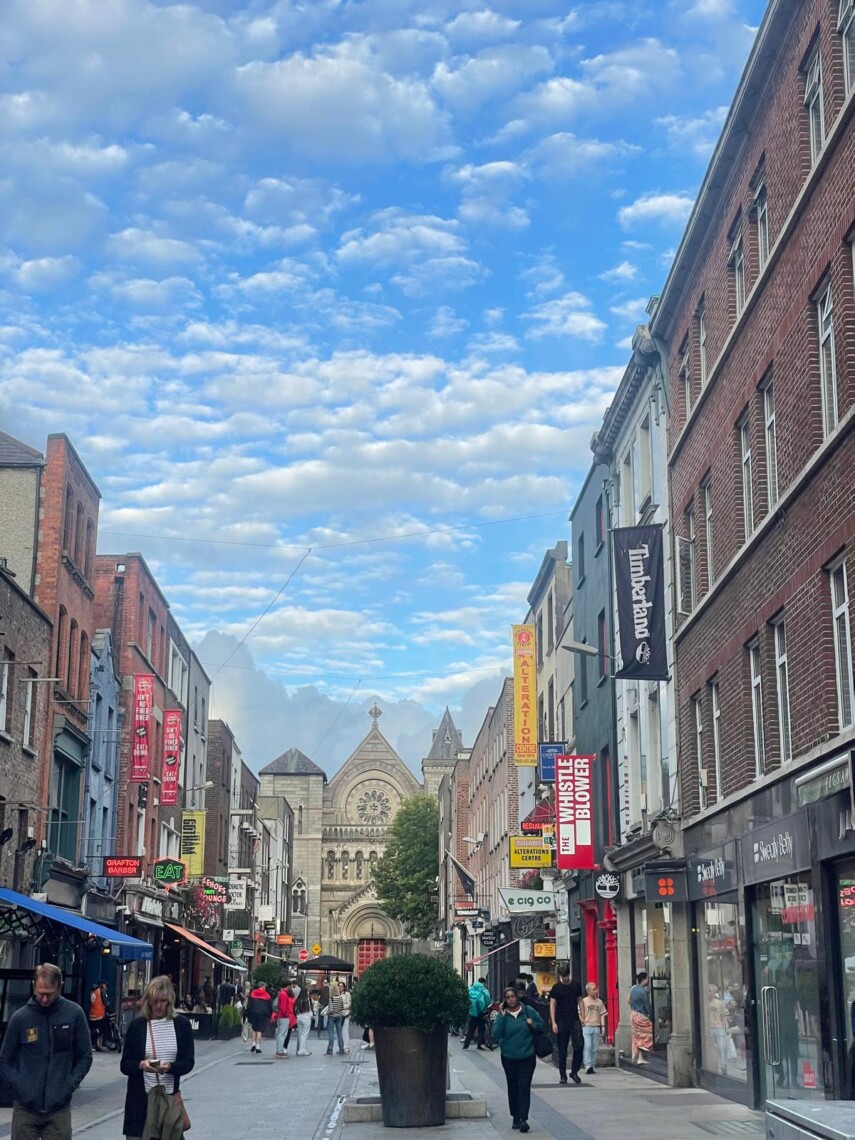
If it’s your first trip, I’d focus on a combination of history, neighborhoods, parks, and pub culture.
Some of the best things to do in Dublin include:
- Visit Trinity College Dublin and the Book of Kells Experience
- Explore Dublin Castle
- Walk around Temple Bar
- Visit St Patrick’s Cathedral
- Relax in St Stephen’s Green
- Have a Guinness in a traditional pub
- Learn about Irish whiskey at the Irish Whiskey Museum
- Visit EPIC The Irish Emigration Museum
- Walk along the River Liffey
- Take a guided tour or literary pub crawl
If you’re spending longer in the city, you could also visit Dublin Zoo, explore Dublin Bay, or take a day trip outside the capital (which I highly recommend doing).
Dublin or the Rest of Ireland?
This is where I’d really think about how you divide your trip. If you only visit Dublin, I don’t think you get the full Ireland experience.
Dublin gives you museums, history, nightlife, restaurants, architecture, and plenty of Irish culture. It’s lively and easy to explore, there’s no doubt about it.
But Ireland’s countryside was what really stole my heart.
The smaller towns felt more intimate, the landscapes were incredible, and driving through the country gave me the quintessential Ireland experience I had been hoping for. And in all honesty, isn’t this what everyone comes to Ireland for in the first place?
You might be wondering how many days to spend in Dublin. If you have five days, I’d spend roughly two days in Dublin and three elsewhere.
With seven to ten days, you have enough time to explore Dublin while still experiencing several towns, coastal areas, and countryside destinations like Killarney, Galway, and Dingle.
If you’re also considering Northern Ireland, I’d give yourself extra time rather than trying to fit everything into one rushed itinerary.
FAQ: Is Dublin Worth Visiting?
Is Dublin, Ireland worth seeing?
Yes, especially if it’s your first trip to Ireland. Dublin offers a mix of history, nightlife, museums, architecture, and Irish culture that you won’t experience in quite the same way elsewhere in the country.
How many days do you need in Dublin?
For most travelers, two or three full days is enough. Two days lets you see the major attractions, while three gives you more time to enjoy the city without rushing.
Is Dublin good for a weekend trip?
Yes. Dublin’s compact size makes it one of the easier European capitals to visit for a weekend or long weekend.
Do you need a car in Dublin?
No. Most central attractions are walkable, and public transport can take you farther out. I’d wait to rent a car until you’re leaving the city so you don’t have to deal with the Dublin traffic.
Is Temple Bar worth visiting?
Yes, but mainly for the atmosphere. Walk around, listen to some live music, and enjoy the energy, but don’t feel like you need to spend your entire evening there.
Is Dublin worth visiting if you don’t drink?
Definitely. Dublin has plenty of attractions beyond pubs and whiskey, including museums, historic buildings, parks, literary landmarks, restaurants, and coastal areas.
Final Thoughts: Is Dublin Worth Visiting?
So, is Dublin worth visiting? I would definitely say yes! However, if you have the time, really try to get out of the city to see the more charming corners of the country.
For me, Ireland became even more special once we left Dublin and started exploring its smaller towns, coastline, mountains, and countryside. For me, my ideal first trip would include both.
Spend two or three days experiencing Dublin, then give yourself time to see what lies beyond the capital. That combination gives you a much better sense of what makes Ireland so special.


No Comments