
If you’re planning a trip to Ireland, odds are high that Dublin is at the top of your list. Known for its lively pub scene, moody weather, and, of course, the Guinness Storehouse, this capital city is the perfect start point for any Irish adventure.
I’ve personally been to Dublin a few times over the past 10 years living in Europe. And while I always enjoy my time in Dublin, I must say that my favorite parts of the country aren’t the big cities. They were the winding coastal roads, tiny towns, green landscapes, national parks, and places like Dingle and Killarney where the journey itself is half the experience.
So, how many days should you spend in Dublin, Ireland? Well, that depends on what you’re after when visiting. I’d personally recommend at least 2 to 3 days for a first trip, although 4 days is even better if you want to experience a day trip to Ireland’s countryside.
This article contains affiliate links, which means I may earn a small commission if you make a purchase at no additional cost to you. Thank you for supporting FMC!
Short on Time? Here Are My Top Hotels to Stay in Dublin, Ireland
If you’re still figuring out where to stay, these are three hotels I’d have at the top of my list:
- The Hoxton: A stylish boutique hotel with plenty of personality and a great location for exploring Dublin.
- Anantara The Marker Dublin: My pick for a more luxurious stay. This modern five-star hotel in the Docklands has sleek rooms, a spa, and a rooftop terrace.
- Number 31: An intimate boutique hotel tucked away in Georgian Dublin. It feels more like a beautifully designed private home and is especially lovely for couples.
Key Takeaways: How Many Days Should You Spend in Dublin?
- 1 day in Dublin: Possible, but you’ll need to stick to the highlights.
- 2 days in Dublin: Enough for most first-time visitors and my minimum recommendation.
- 3 days in Dublin: The sweet spot if you prefer a more relaxed pace.
- 4 days in Dublin: Plenty of time for the city plus a day trip.
- 5+ days in Dublin: If you have 5 or more days, I highly recommend spending a night or two in another part of the country.
Is Two Days in Dublin Enough?
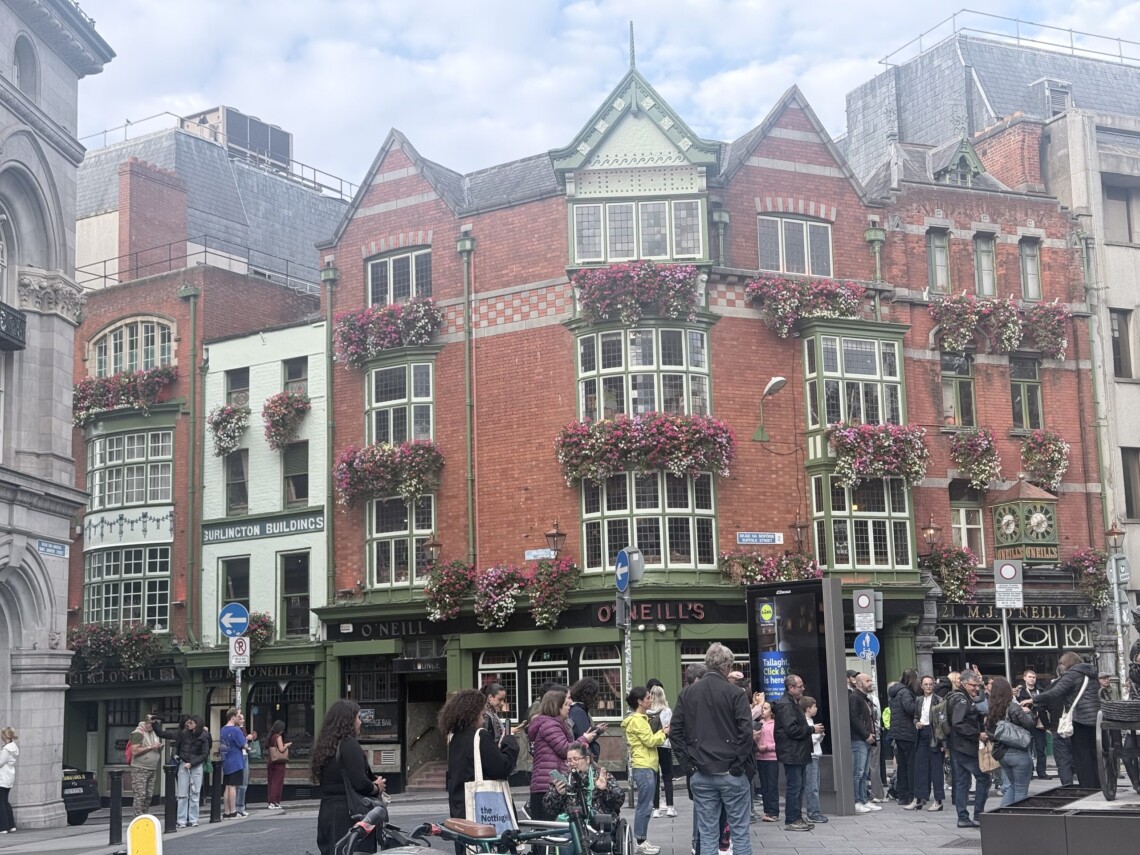
In my honest opinion, I think two days in Dublin is enough time to see all the major sites.
Dublin is a relatively compact city, and many of its most famous attractions are within walking distance of one another. If you stay somewhere in central Dublin, you’ll be able to cover a surprising amount on foot (as long as it’s not raining too hard, of course).
Two Days in Dublin: A Quick Itinerary
Day One
For your first morning, I’d start at Trinity College Dublin. This is where you’ll find the Book of Kells and the famous Long Room, one of the most recognizable libraries in the world.
From there, you can walk toward Dublin Castle. Give yourself some time to explore the grounds and learn a little about the city’s complicated past. The nearby Chester Beatty is another option if you’re interested in museums.
Continue toward St Patrick’s Cathedral before making your way through St Stephen’s Green. The nearby Iveagh Gardens are also worth wandering through if you’ve got some extra time.
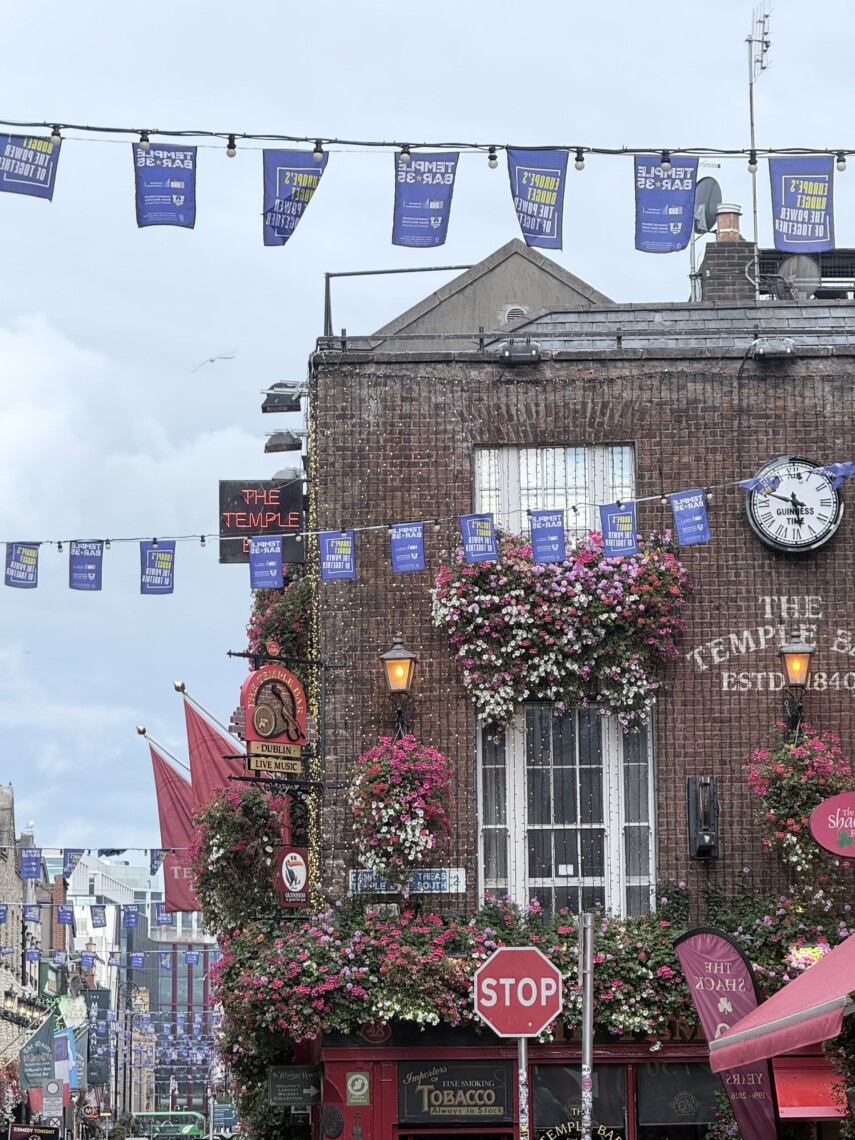
Eventually, you’ll probably find yourself in Temple Bar.
Yes, the Temple Bar district is extremely touristy. And yes, you’ll probably pay more for a pint here than elsewhere in the city. But it’s still somewhere I think every first-time visitor should experience at least once.
Walk through the cobbled streets, cross the Ha’penny Bridge, and pop into a pub for some live music. Depending on when you’re visiting, you may also be able to stop by the Temple Bar Food Market.
That’s already a pretty full first day.
Day Two
Your second day is a good opportunity to dive deeper into Irish history.
One of the most important places to visit is Kilmainham Gaol. The former prison is closely connected to Ireland’s struggle for independence, and it’s one of those places where taking a guided tour genuinely adds to the experience.
From there, you could continue toward the Guinness Storehouse or shift gears and learn about Irish whiskey. I personally loved the Guiness Storehouse and have come back on every visit!
The Teeling Whiskey Distillery is another popular choice, or you can visit the Irish Whiskey Museum closer to the center. Either way, sampling a little whiskey feels pretty appropriate when you’re in Ireland.
Later, head back toward the city center and spend the evening enjoying Dublin’s pub culture.
You could stop by The Brazen Head, one of the city’s most famous pubs, or simply wander until you find an Irish pub that looks inviting.
With two days, you’ve now experienced many of Dublin’s biggest attractions without needing to spend your entire Ireland trip in the capital.
Are Three Days in Dublin, Ireland Too Many?
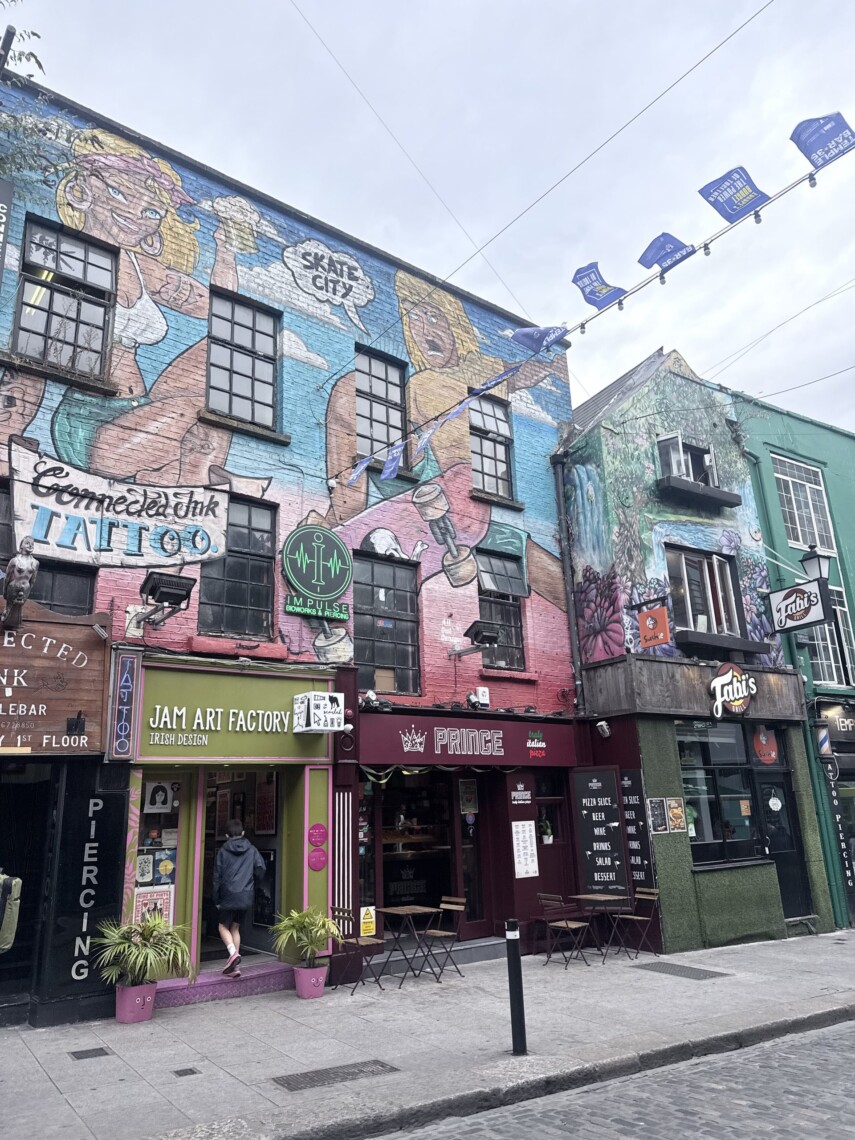

Definitely not. In fact, I think three days in Dublin is ideal if you prefer to travel at a slower pace. Plus, if you feel like you’ve seen all the Dublin attractions in the first 2 days, you can always add on a last-minute day trip outside of the city (which I suggest you do regardless when visiting Ireland).
Instead of packing your Dublin itinerary from morning until night, you can spread the main attractions across three days and leave room for the things you stumble upon along the way.
You could start one morning with a walking tour, which is a great way to get your bearings and understand more about Dublin’s history.
A walking tour might take you around places like O’Connell Street, Dublin Castle, Temple Bar, and other historic areas around the center. You’d also have more time to explore beyond the biggest tourist attractions.
If you’re visiting with kids, you could also spend part of your third day at Dublin Zoo. But one of the biggest reasons I like having three days is that you don’t need to constantly be sightseeing.
You can sit down for a proper Irish breakfast. Spend an afternoon walking without Google Maps open. Have another pint because the pub you’re in happens to have great live music.
Three days gives you plenty of time to actually explore Dublin without feeling too rushed.
What If You Have Four Days in Dublin?
Four days gives you more than enough time to see Dublin itself. At that point, I’d use your fourth day for a day trip.
One of the easiest options is heading toward the Wicklow Mountains, where you’ll get a completely different perspective of Ireland from what you’ve experienced in the city.
You could also visit Kilkenny and see Kilkenny Castle, wander through the historic center, and return to Dublin in the evening. Another option is exploring the coastline around Dublin Bay.
There are plenty of organized day trip tours available if you don’t want to rent a car (which can be exceptionally scary when you have to drive on the opposite side of the road), making it easy to visit Dublin and still experience some of the countryside.
If you’re staying for four days, I would highly suggest getting out of the city and seeing another side of Ireland.
Is Five Days in Dublin Too Much?

For the average first-time visitor, I think five full days in Dublin itself is more than you need. That’s not because there’s nothing to do. You could easily fill five days with museums, neighborhoods, pubs, parks, and tours.
But if you’ve come all the way to Ireland, there are so many other places I’d prioritize. And in all honesty, the best bits of Ireland aren’t found in big metropolitan cities, it’s found in the quaint villages, the local seaside towns, and the wild, curving roads that stretch on for miles.
With five days, I’d spend around three exploring Dublin and dedicate the remaining two to day trips, or better yet, stay overnight somewhere else.
If your overall Ireland trip is longer than a week, I’d personally leave Dublin altogether after two or three days and hit Killarney National Park, Dingle, and Galway. For reference, I was able to hit all of these spots on my most recent week-long trip to Ireland.
What Can You See in 2-3 Days in Dublin?
A good first-time Dublin itinerary could include:
- Trinity College Dublin and the Long Room
- Dublin Castle
- St Patrick’s Cathedral
- Kilmainham Gaol
- Temple Bar
- St Stephen’s Green
- Ha’penny Bridge
- Guinness Storehouse
- Teeling Whiskey Distillery or Irish Whiskey Museum
- Merrion Square
- EPIC Irish Emigration Museum
- O’Connell Street
- A walking tour
- A traditional Irish pub
You definitely don’t need to visit every single attraction.
Choose the places that actually interest you and leave some space in your schedule. Dublin is the kind of city where wandering into a pub or stumbling across live music can end up being one of your favorite memories.
Getting Around Dublin, Ireland
Another reason you don’t need a huge amount of time in Dublin is that the center is fairly easy to navigate.
If you’re staying near the city center, you’ll be able to walk to many attractions. Trinity College, Temple Bar, Dublin Castle, St Stephen’s Green, and several museums are relatively close together.
You don’t need a rental car to explore Dublin, either. In fact, I’d wait until you’re leaving the city to pick one up if you’re planning an Ireland road trip. I wish I had done this on my most recent trip. We ended up renting a car for the Dublin portion of our trip as well and it ended up being more of a headache with parking than actually useful.
If you’re arriving at Dublin Airport, you can head into the center first and rent your car later when you’re ready to explore farther afield.
FAQ: How Many Days Should You Spend in Dublin?

What’s the best month to go to Dublin?
May, June, and September are some of the best months to visit Dublin thanks to longer days and generally pleasant weather. July and August are also popular but tend to be busier and more expensive.
What is the rainiest month in Dublin, Ireland?
October and November tend to be among Dublin’s wetter months, although you will likely encounter rain year-round. No matter when you visit, I recommend packing a lightweight rain jacket. I came in August and we still had a few rainy days.
Is the Cliffs of Moher a day trip from Dublin?
Yes, you can visit the Cliffs of Moher on a day trip from Dublin, but expect a long day of traveling. If you have the time, I’d suggest staying in Galway for a night or two and planning a day trip to Cliffs of Moher then.
Can I take a day trip to Galway from Dublin?
Yes, Galway is about 2.5 hours from Dublin by train, so a day trip is possible. However, I think it’s worth staying overnight if your Ireland itinerary allows. It was one of my favorite cities during my most recent trip to Ireland.
Do you need a car when visiting Dublin?
No, you don’t need a car to explore Dublin since most major attractions are walkable or accessible by public transportation. If you’re planning an Ireland road trip, I’d rent your car when you’re ready to leave the city.
What area of Dublin is best for first-time visitors?
The city center is the most convenient area for first-time visitors, particularly around Trinity College and St Stephen’s Green. You’ll be within walking distance of many of Dublin’s main attractions, restaurants, and pubs. Check out my full guide on the best hotels in Dublin to discover some solid options.
Is Dublin a walkable city?
Yes, Dublin is very walkable, particularly around the historic city center. Many major sights, including Trinity College, Dublin Castle, Temple Bar, and St Stephen’s Green, are within walking distance of one another.
So, How Many Days Should You Spend in Dublin?
For most travelers, 2–3 days in Dublin is the perfect amount of time. Two full days will allow you to experience most of the major sights. Three days gives you more breathing room and lets you enjoy the city at a slower pace.
If you have four days, I highly recommend adding a day trip in there. And if you’re visiting Ireland for a week or longer, I’d resist the temptation to base yourself in Dublin for the entire trip.
As much as I enjoyed the city, my favorite part of Ireland was getting beyond it. Dingle, Killarney, the coast, the countryside, and those tiny Irish towns you pass through along the way were the experiences that made me fall in love with Ireland.
So give Dublin the time it deserves, but save plenty of time for the rest of Ireland, as well.


No Comments