
As someone who’s lived in Barcelona for close to 10 years, I can say without a doubt that Spain is the best country in Europe to visit. Now, I know what you’re thinking. I’m a little biased. But the food, the culture, the people, the sheer authenticity of it all, you just can’t find that combination anywhere else in the world.
And here’s the thing about Spain: it refuses to be one thing. Whether you’re dying to catch a live flamenco show in Sevilla, soak up the vibrant nightlife of a buzzing capital city like Madrid, or eat your way through San Sebastian one pintxo at a time, there’s something here for every kind of traveler. Sun-soaked beaches in the south, green hills and Basque Country grit in the north, Moorish palaces, Gothic cathedrals, tiny tapas bars tucked down narrow streets.
This travel guide uncovers the best cities to visit in Spain, the ones worth building a trip around.
Key Takeaways
- The best cities to visit in Spain are Barcelona, Madrid, Seville, and San Sebastian, with smaller gems like Granada, Cadiz, and the Costa Brava well worth adding.
- The best time to visit Spain is spring (April to June) or autumn (September to October), when the weather is warm and the crowds are thinner.
- Spain’s food highlights include Valencian paella, Basque pintxos in San Sebastian, and Granada’s tradition of free tapas when you order a drink.
- Allow at least 10 to 14 days to see Spain’s highlights comfortably, or focus on one or two regions for a shorter trip.
20 of the Best Cities to Visit in Spain
1. Barcelona
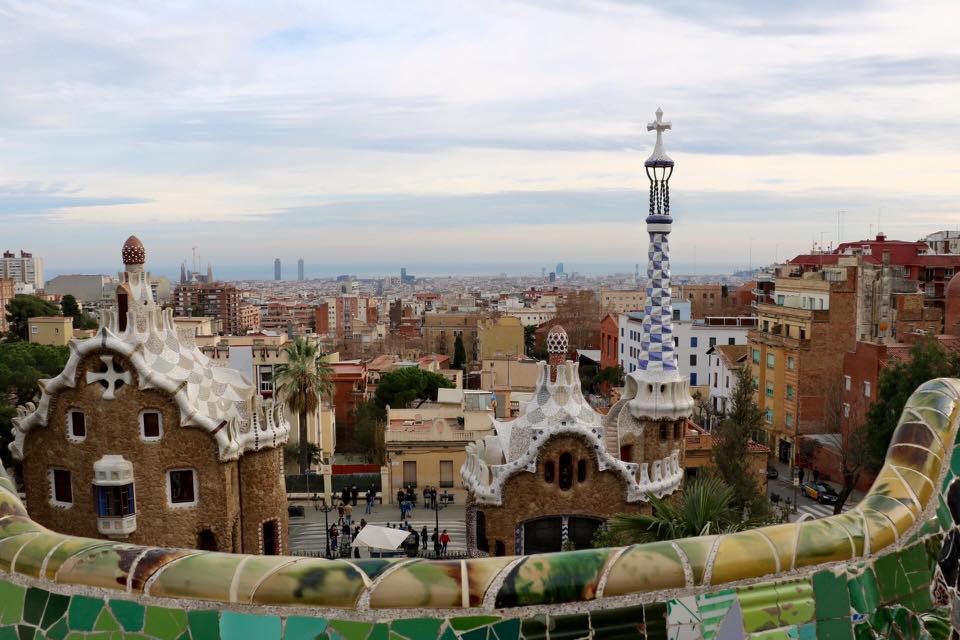
While this Spanish city may be known for having some of the best beaches and nightlife in the country, Barcelona offers so much more than what you’d find in your typical guidebook. Because the city draws such an international crowd, the streets are always filled with life. From its world-class restaurants and vibey coffee shops to the outdoor food markets and stunning architecture, Barcelona is, for me, the best city if you’re after a big-city escape that still holds onto its character.
Situated right on the Mediterranean Sea, this beautiful city has a culture all its own. Its Catalan roots run deep, shaping everything from the language on the street signs to the rhythm of daily life, and making Barcelona feel distinctly different from other Spanish cities like Madrid or Valencia.
If it’s your first time visiting, I’d start with the narrow streets of the old town, winding through El Born and the Gothic Quarter. From there, wander the Picasso Museum, eat your way through La Boqueria, and lose an afternoon marveling at Antoni Gaudí’s creations, from the dreamlike facade of Casa Batlló to the soaring spires of the Sagrada Família. Whether you plan three days in Barcelona or an entire week, you’ll have no trouble filling your time. The hard part is leaving.
2. Madrid
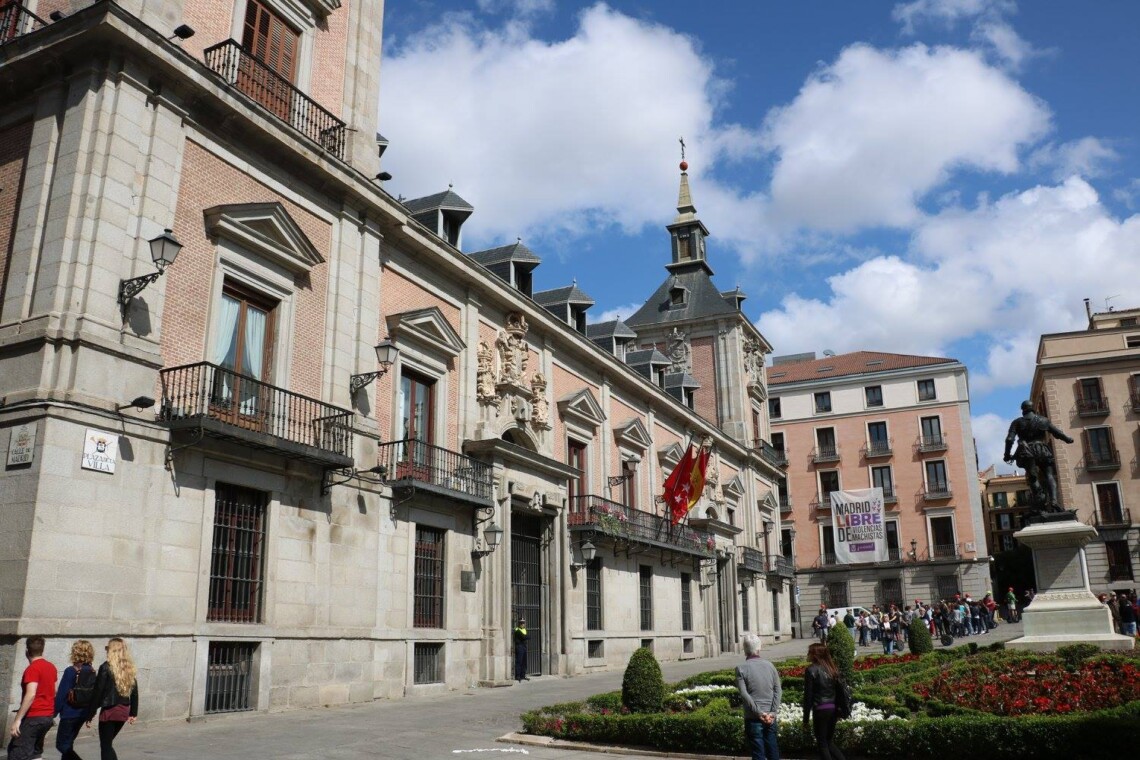
No Spain itinerary would be complete without Madrid. There’s a deep rivalry between Madrid and Barcelona, and locals love to argue over which one is the best Spanish city. While my loyalty still lies with Barcelona, I’ll be the first to admit that Madrid more than holds its own in the race for number one.
If Barcelona is Spain’s rebellious son, Madrid is the golden child. Traditional and deeply Spanish, the city is the beating heart of the country, and you feel it in everything: the stunning architecture, the “tardeo” culture of long afternoons spent eating and drinking after work, the food scene that somehow keeps getting better. This is a capital city that wears its history proudly.
If I were planning a trip to Madrid, I’d hit all the major historic landmarks. Wander the arcaded Plaza Mayor, slow down for an afternoon in Retiro Park, lose yourself in the Prado Museum, and graze your way through Mercado de San Miguel. Each one gives you a different angle on what makes the city stick.
3. Valencia
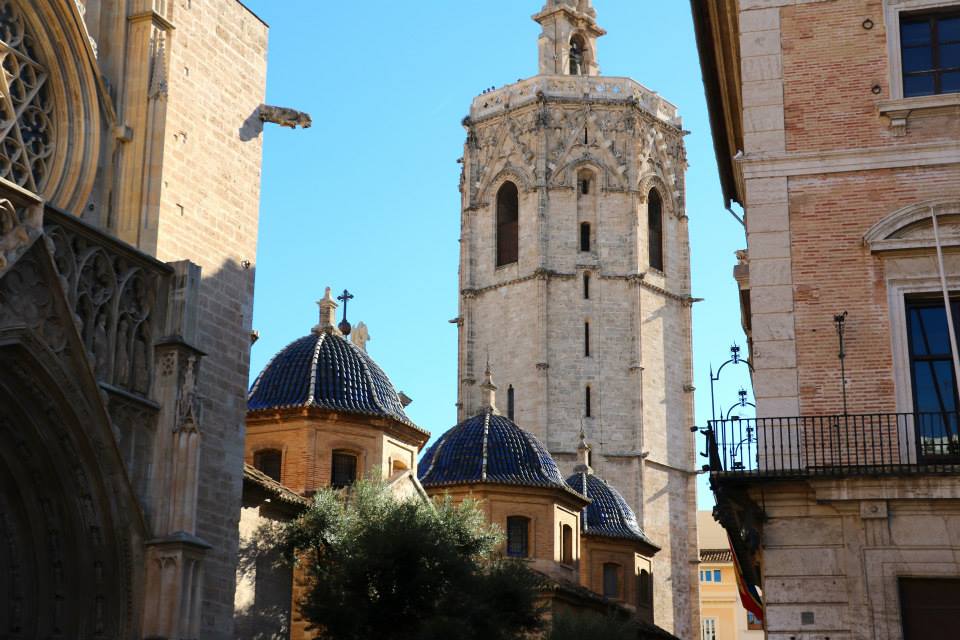
Next up is another coastal favorite, Valencia. I’ve visited a few times now, and each trip surprises me more than the last. For me, Valencia is the perfect size. It never feels overwhelming, yet there’s always plenty to see and do. What I love most is the way the city blends new and old, the futuristic curves of the City of Arts and Sciences sitting just a few miles from a medieval old town and the soaring Valencia Cathedral. It’s also full of green parks, which makes the whole place feel incredibly liveable.
There are two things Valencia is famous for: paella and Las Fallas. You can eat the city’s most famous dish year-round, but Las Fallas only comes once a year, usually in March. I’d highly recommend timing your visit for the final day, when the city transforms completely and you get to experience a cultural celebration that’s distinctly, unmistakably Valencian.
4. Seville
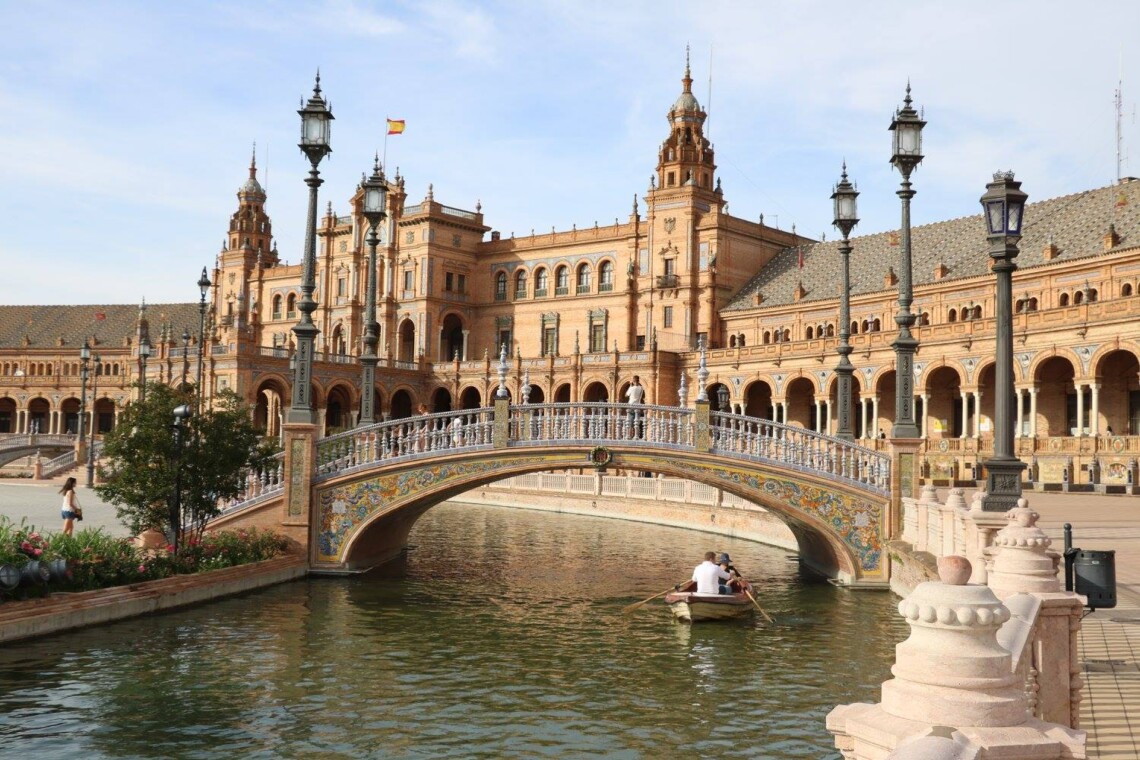
When you picture Spain, you probably imagine pitchers of sangria, flamenco dancers, and guitarists playing in the streets. Most corners of the country have long since left those clichés behind. Seville hasn’t, and it wears them like a badge of honor, in the best way possible.
For me, Seville is a close second on my list of the best places to visit in Spain. It’s the epitome of everything people picture when they dream of the country. In the old town, every corner looks like a postcard. The city has been beautifully preserved over the centuries, and its Moorish architecture tells the tale of a long, complicated, deeply influential past.
You could easily fill your days with historic landmarks like the Seville Cathedral, the Real Alcázar, and the Plaza de España. But I’d also pencil in time to just take it all in: wander the narrow streets, find an outdoor terrace to people-watch, and settle in for a slow dinner working through some of Spain’s best tapas. Speaking of food, if you’re hunting for a good restaurant, add Espacio Eslava and Antonio Romero to your list.
5. San Sebastian
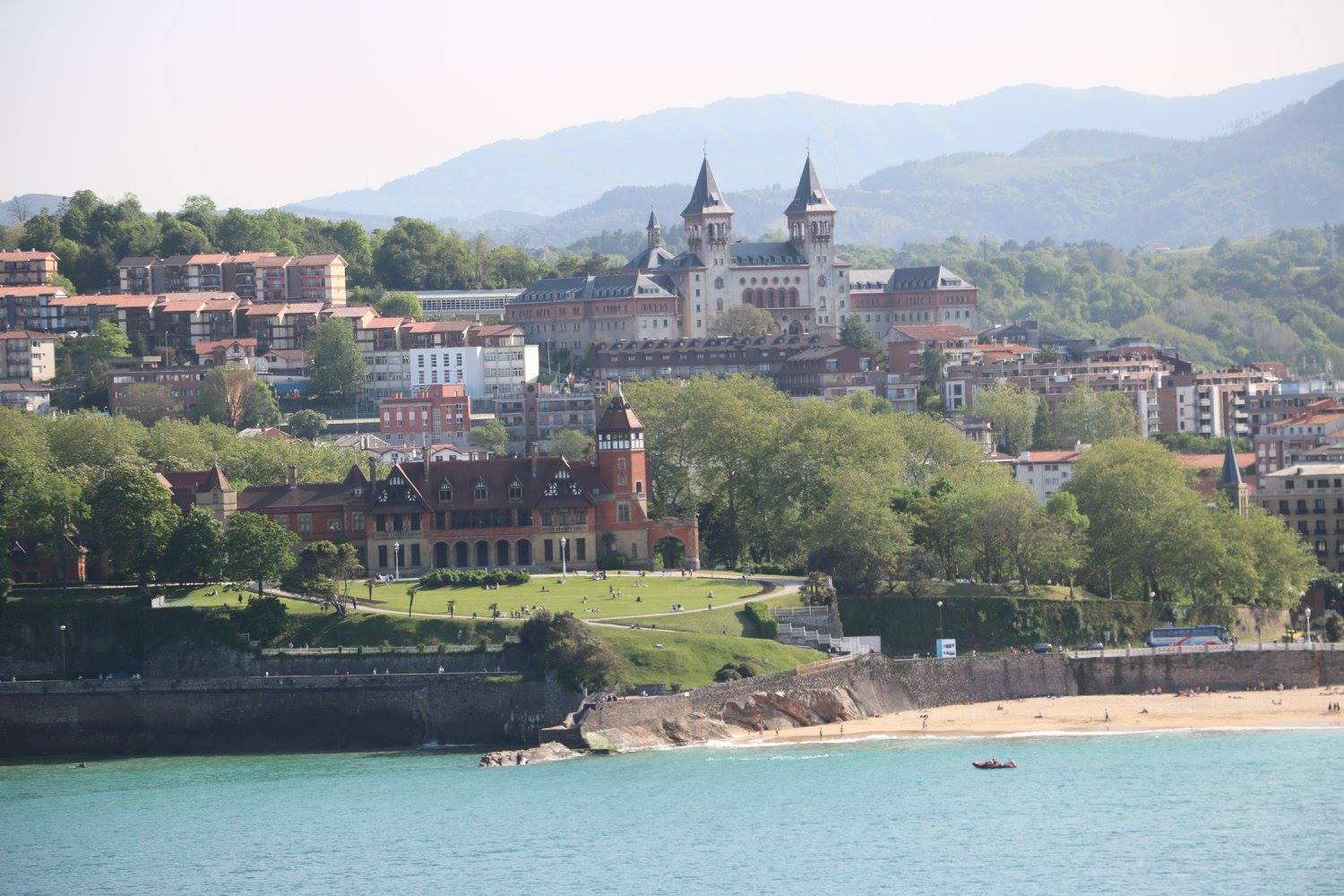
If I had to name a third best city to visit in Spain, it would have to be San Sebastian. Now, remember earlier when I mentioned that parts of Spain have rolling green hills? This is where you’ll find them. Welcome to northern Spain.
The weather here can be rugged and grey for much of the year, but all that rain has a payoff: it turns the region into a landscape so lush and green it feels like it belongs in Switzerland rather than Spain. This is the Basque Country, and it looks nothing like the sun-baked south.
The crown jewel of the region is San Sebastian, Spain’s unofficial foodie capital. The city boasts one of the highest concentrations of Michelin-starred restaurants per capita anywhere in the world. But it’s not quite what you’re picturing. What San Sebastian is truly famous for is its pintxos bars, casual and crowded, traditional in spirit but surprisingly experimental on the plate. Going pintxo-hopping here is one of those bucket-list experiences you simply have to add to your San Sebastian itinerary when traveling in this region.
The food is the headline, but it’s far from the whole story and there’s many things to do in San Sebastian as a whole. You can sunbathe on La Concha beach or ride the funicular up to Monte Igueldo for sweeping views over the bay. You can even paddle out and try your hand at surfing in nearby Zarautz. For a city this size, you’ll be amazed at how much it offers.
6. Malaga
An up-and-coming city that’s been rising in fame in recent years has to be Malaga. This coastal city in the south of Spain serves up beautiful beaches, incredible seafood, and that famously relaxed southern Spain atmosphere, just with a salt-air, seafront twist.
If it’s your first time visiting, start with the Moorish Alcazaba, the hilltop fortress that hangs high above the streets as a quiet reminder of the city’s layered past. Beyond the historic landmarks, make time for the Picasso Museum (the artist was born here, after all) and duck into a tapas bar or two in the center. And if you’re visiting between May and August, do not skip the chiringuitos, the breezy little restaurants right on the beach. Order the espeto: fresh sardines skewered and grilled over open flames in the sand, just steps from the water. It’s one of my favorite things to do in Malaga, and one of those simple pleasures that tells you exactly where you are.
7. Salamanca
If you find yourself in the west of the country, Salamanca is well worth carving out time for. This is one of the oldest university cities in Europe, and that youthful student energy still hums through the streets today. But what stops you in your tracks is the architecture. The whole place is built from a local sandstone that glows a warm, honeyed gold in the late afternoon light, which is exactly why locals call it “la ciudad dorada,” the golden city. At its heart sits what many consider the most beautiful Plaza Mayor in all of Spain, a vast, perfectly proportioned baroque square ringed with arcades, where half the city seems to gather come evening.
You can spend a morning on a walking tour, the dual cathedrals, the ornate university facade where tradition says you have to spot a hidden carved frog for good luck, then lose the afternoon drifting through the narrow streets with no real plan at all. When the students pour out at night, the bars and cafés around the old town fill up and the whole city feels alive. It’s a bit off the usual tourist trail, which is exactly its charm.
8. Granada
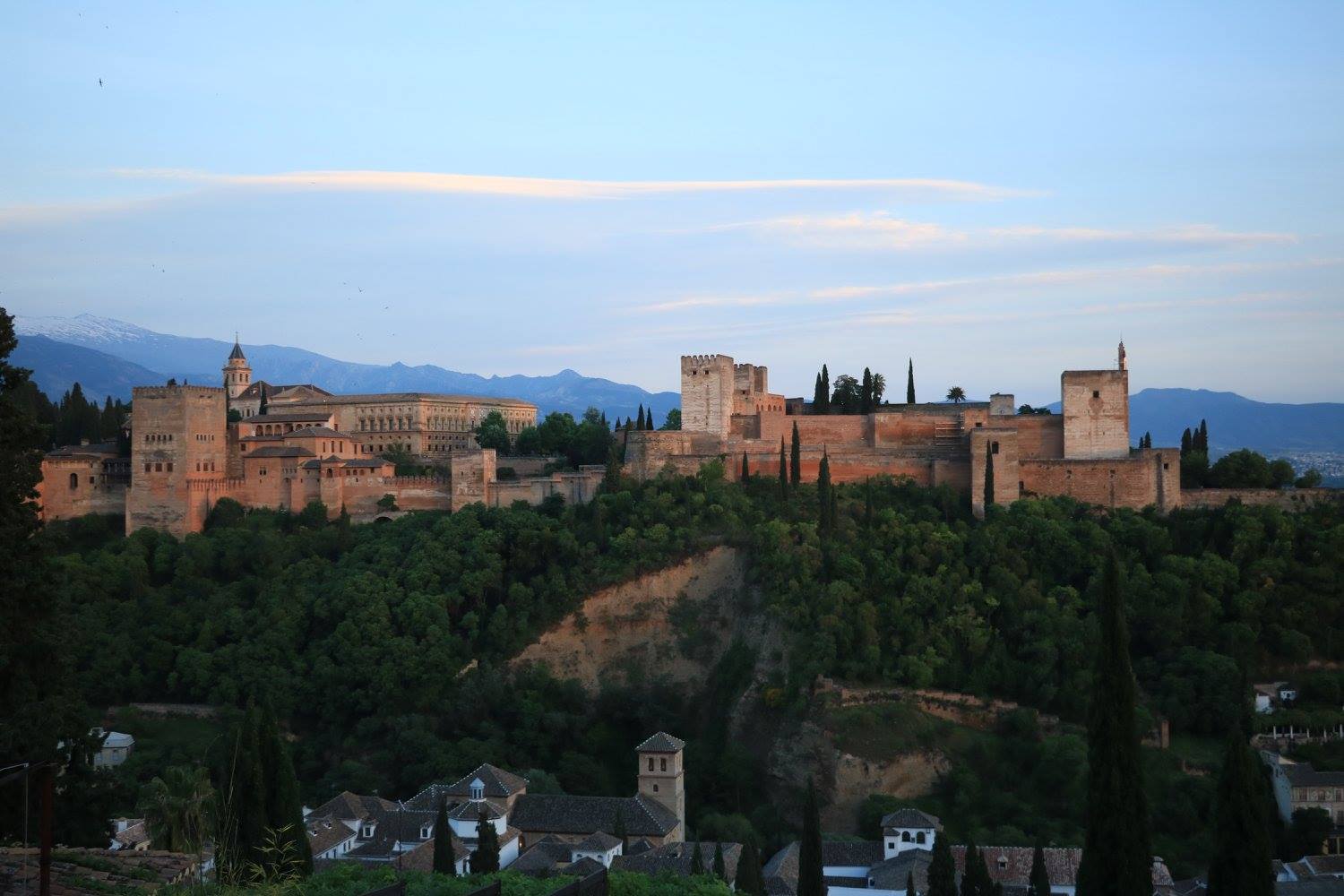
And to stay in the south, you have to add Granada to your list. Granada feels small, but it carries so much of Spain’s history. This was the final frontier of medieval Spain, the last Moorish stronghold to fall back in the 1400’s.
Whether you come for the history or not, you’ll want to stay for the food and the incredible architecture. In my opinion, Granada is one of the most beautiful cities in all of Spain, and it’s far too often overlooked in favor of its more famous neighbors. The city is home to one of Europe’s most iconic landmarks: the Alhambra. You can easily spend an entire day touring this sprawling Moorish palace, drifting from room to room past walls so detailed and ornate they barely look real, with the Sierra Nevada framing it all in the distance.
And when you’re done with all that sightseeing, you’ll be rewarded with some of the best tapas in Spain. I know I’ve said that before, but I mean it: the south really does have the best tapas culture in the country. And what’s better than great food? Free food. Granada is famous for serving free tapas with every drink you order. Fewer places keep the tradition alive these days, but plenty of local bars still honor this beloved practice. Order a caña, see what arrives, and then order another.
9. Cadiz
If you really want to get off the typical tourist trail, point yourself toward Cadiz. Tucked away on a narrow area of land in the south, this is said to be one of the oldest continuously inhabited cities in all of Western Europe. And you feel that age the moment you arrive. The old town is a maze of narrow streets and salt-worn buildings, little plazas that open up out of nowhere, and lookout towers where merchants once watched for ships coming in from the Atlantic. Because it’s almost entirely surrounded by the sea, Cadiz has a beautiful lightness to it and a great little beach culture.
There are beautiful beaches right in the city, La Caleta being the postcard favorite, and the seafood is some of the freshest you’ll eat anywhere in the country. Grab a paper cone of pescaíto frito, find a spot to watch the sun drop into the ocean, and you’ll understand the appeal pretty quickly. If you can time it for February, the Carnival here is one of the most iconic celebrations in all of Spain. But honestly, Cadiz is worth a day trip or a slow weekend any time of year.
10. Sitges
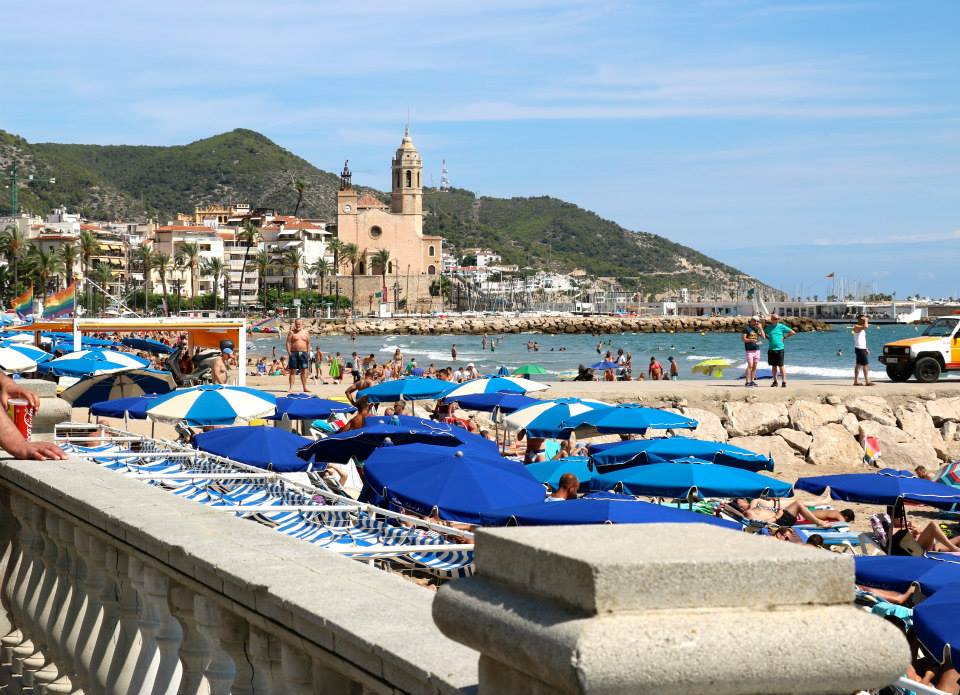
Now, you may be wondering why this little beach town made the list. The truth is, Sitges is a fantastic stop if you’re already planning to visit Barcelona. In just an hour by train, you can step off in one of the most famous beach towns on the Catalan coast, just south of the city.
Does it hold massive cultural significance or hide some grand medieval palace? No. But what it does offer is 17 beaches, a string of cute chiringuitos serving lunch right at the water’s edge, and a sunny, easygoing holiday atmosphere that somehow lingers all year round.
11. Costa Brava
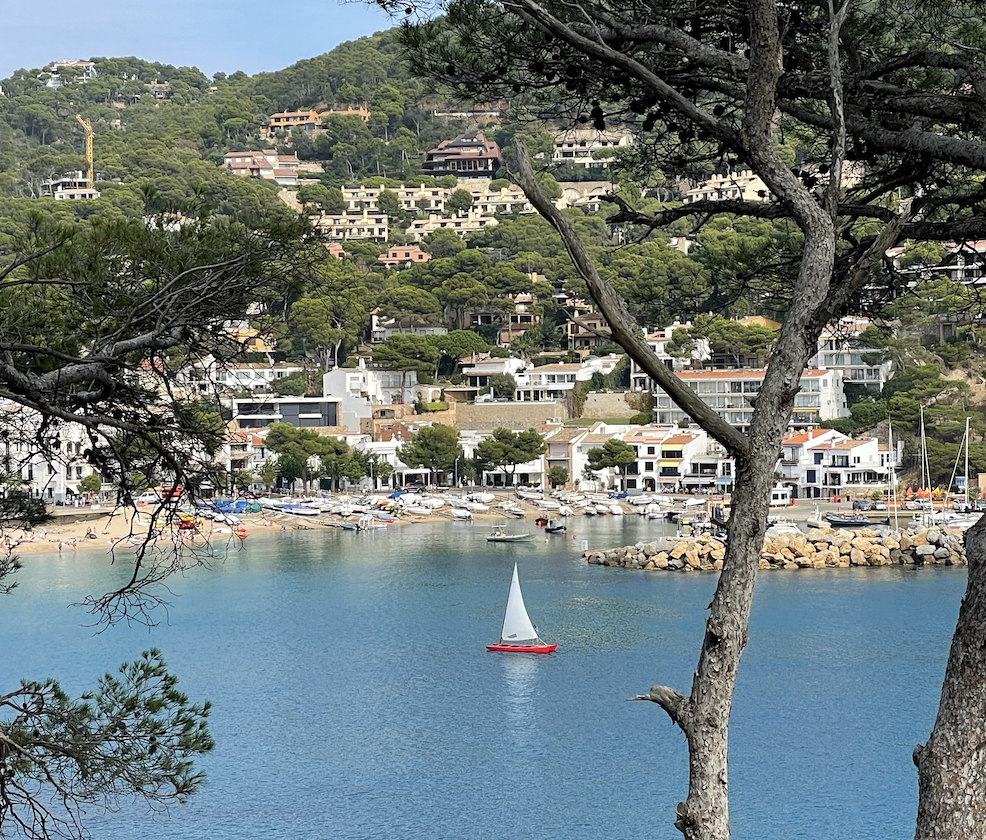
Okay, I know this isn’t a single city, but I can’t bring myself to choose just one town for this one. The Costa Brava region sits about an hour and a half by car from Barcelona, heading up toward the French border. This, to me, is Spain’s best-kept secret. Full stop. And honestly, I don’t really mind if it stays that way.
The most famous town along this stretch of coastline is Tossa de Mar, and it works equally well as a day trip from Barcelona or a destination all its own. Picture seafood restaurants spilling onto the sand, a rugged coastline with pine trees clinging to the cliffs, and a beautiful medieval fortress keeping watch over the bay.
In my opinion, the farther you venture along the Costa Brava, the more you’re rewarded. Towns like Begur, Calella de Palafrugell, Llafranc, and Cadaqués each have their own distinct personality, and all are worth exploring in their own right. If you have the time, rent a car and spend two or three nights up here at one of the many stunning Costa Brava hotels. And I always tell people the same thing: book a seafood paella lunch at Toc al Mar, one of my absolute favorite restaurants in the area.
12. Girona
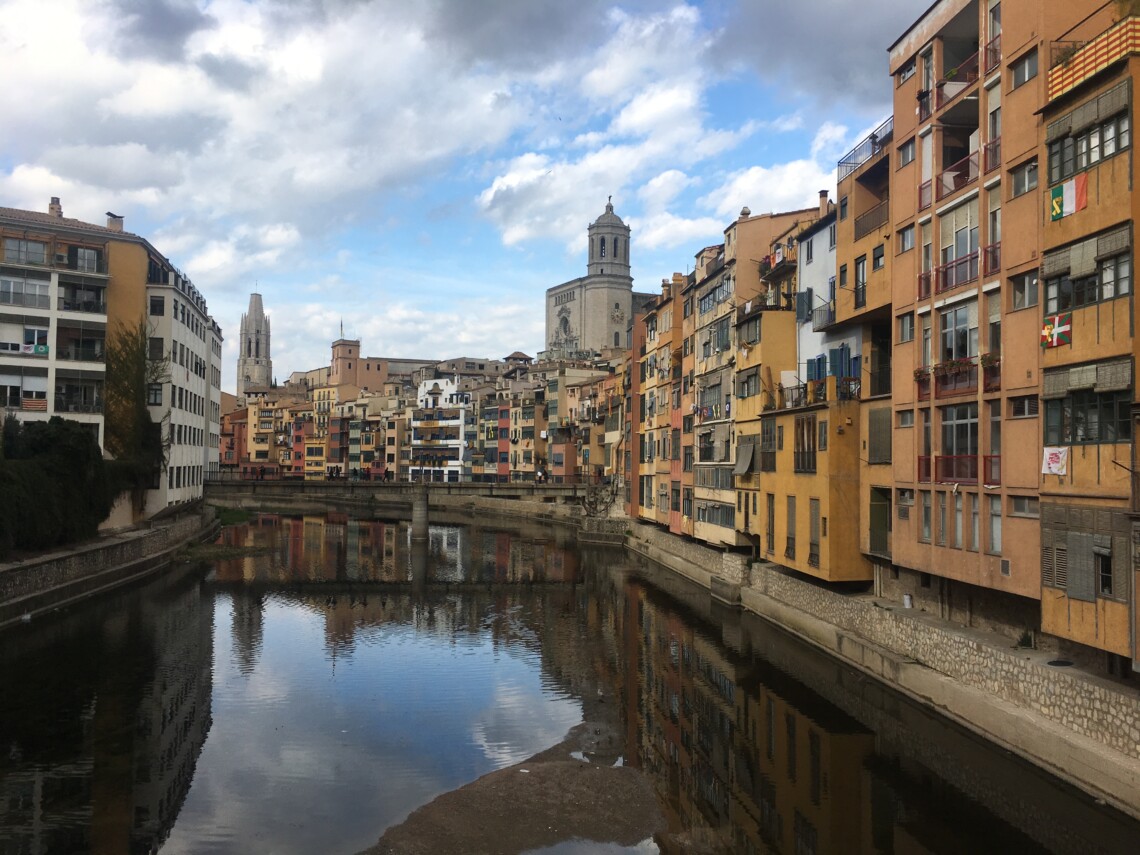
If you’ve already fallen for the Costa Brava, do yourself a favor and build in a stop at Girona, the inland city that ties the whole region together. It sits just a quick train ride north of Barcelona, which makes it an easy day trip, though I’d argue it deserves longer. Girona is one of those places that you can easily fill your time. Its old town is among the best-preserved in the country, a maze of narrow streets, ancient stone staircases, and one of the most intact Jewish quarters in all of Europe. Game of Thrones fans might recognize a few corners too, since the city stood in for several scenes.
When you’ve had your fill of history, the food more than holds up. You’ll eat happily at any of the tiny tapas bars tucked down a side street. For me, Girona is the perfect blend of culture, beauty, and quiet, and it’s still nowhere near as crowded as it could be.
13. Cordoba
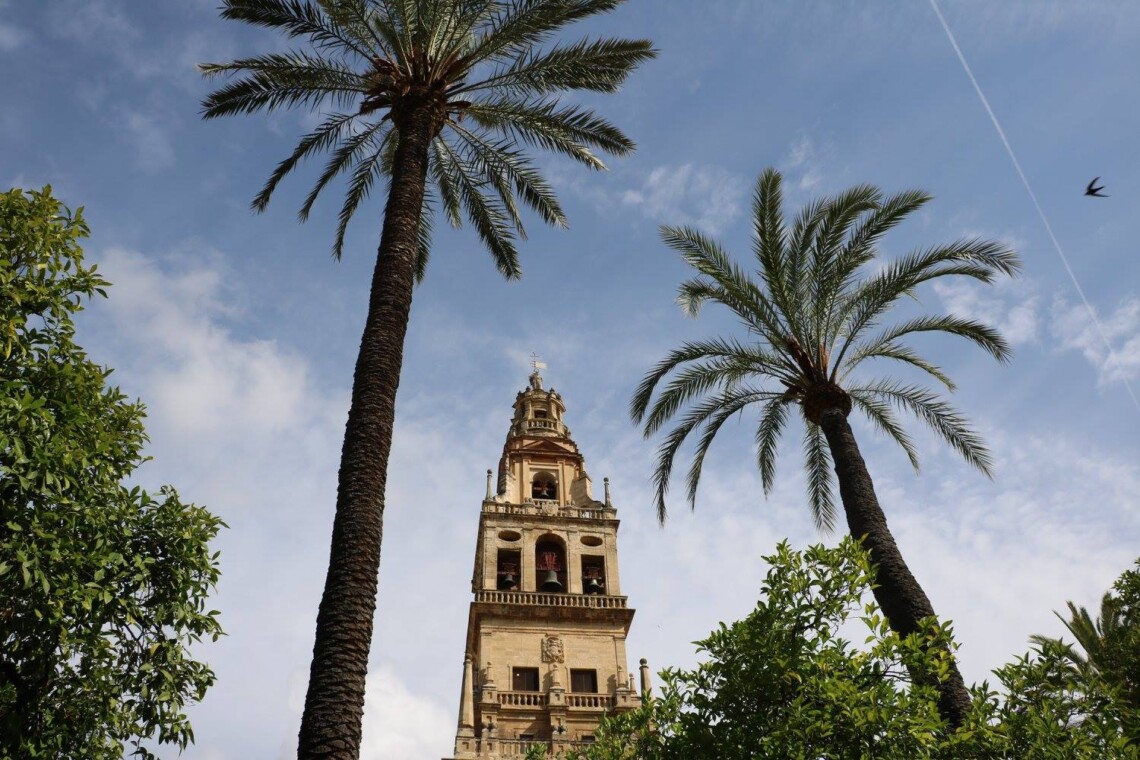
If you’re planning to visit the south of Spain, you’re going to want to pencil in at least a night in Cordoba. I say a night because most people make the mistake of treating it as a quick day trip, rushing in, snapping a few photos, and rushing back out. But Cordoba gets better the later in the day as soon as the tour buses and crowds leave the city.
The star of the show is the Mezquita, and there’s honestly nothing else quite like it in Spain. Picture a forest of red-and-white striped arches stretching out in every direction, a vast Moorish mosque with an entire cathedral built right into its heart. It tells the whole story of southern Spain in one building. Beyond the Mezquita, the old Jewish quarter is a tangle of narrow streets, whitewashed walls, and flower-filled courtyards that the city is famous for. If you can time your visit for early May, the patios festival throws those private courtyards open to the public, and it’s pure magic.
14. Bilbao
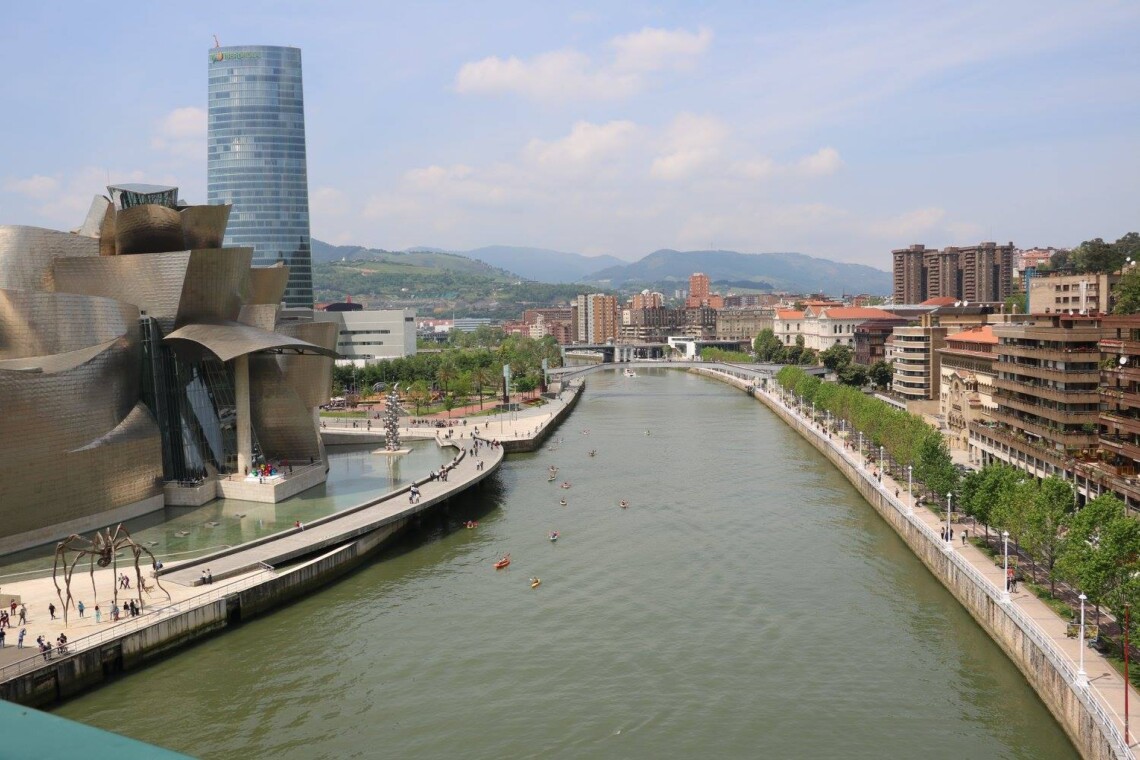
If you’re already making your way through the Basque Country, you can’t skip Bilbao. For years this was a gritty industrial port city, where most travelers would just pass straight through, until one building changed everything. The Guggenheim Museum. This world-famous museum put Bilbao on the map almost overnight. Whether or not you ever step inside, the building itself is worth a visit.
Spend a morning with the art, an afternoon wandering the old quarter, and a long evening eating, and you’ll see why Bilbao has quietly become a popular stopover in Spain.
15. Alicante
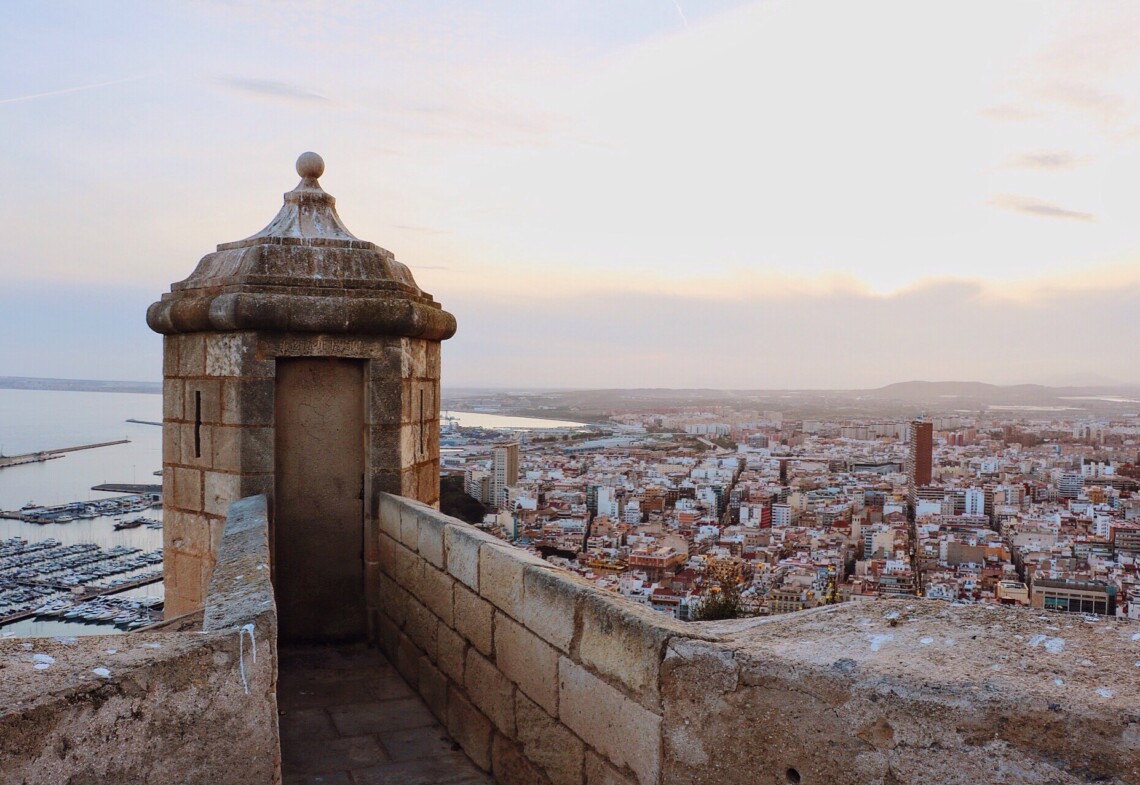
Another up-and-coming destination worth your attention is Alicante, down on the southeastern coast where the Mediterranean Sea turns a stunning shade of blue. Travelers are recently discovering the fact that the city itself is a gem: a palm-lined seafront promenade, a buzzing old town known as El Barrio, and the Santa Bárbara castle crowning the hill above it all, with views that stretch right out over the harbor and the sea.
What I love about Alicante is how unhurried it feels. You can spend a morning on the beautiful beaches right in the city, wander up through the narrow streets of the old quarter in the afternoon, and finish the day at a tapas bar with a plate of local seafood and a cold drink. It’s warm and sunny almost year-round, which makes the best time to visit pretty much whenever suits you.
16. Pamplona
You probably already know Pamplona for one wild week in July, when the city throws open its doors for the Running of the Bulls during the San Fermín festival. White shirts and red scarves, fireworks, all-night street parties, and yes, those few heart-stopping minutes each morning when the bulls thunder down the narrow streets of the old town. If you want to see Pamplona at its most electric, this is the moment, though be warned: book your bed months ahead, because the whole city fills to bursting.
Aside from this week, Pamplona is one of the most relaxed and liveable cities in northern Spain. Tucked into the foothills on the edge of the Basque Country, it’s a green, walkable place built around a beautiful old quarter, grand stone plazas, and some seriously underrated pintxos bars.
17. Toledo
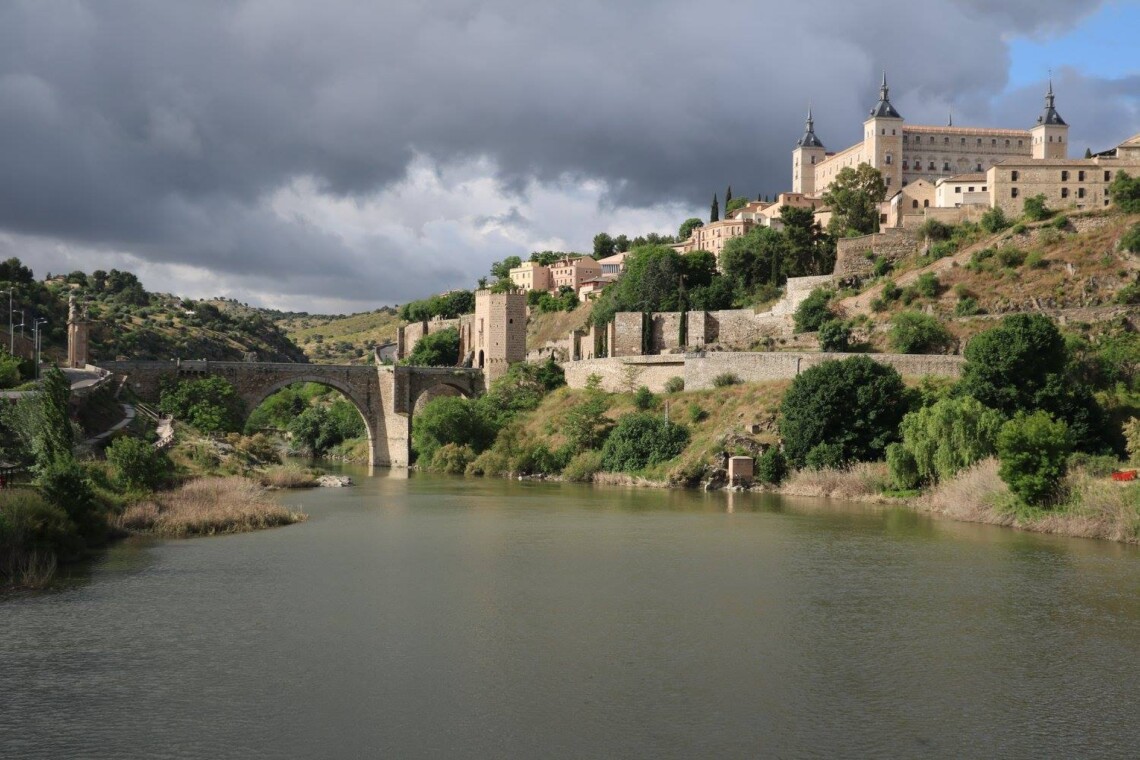
If you’re basing yourself in Madrid, do not leave without making the short trip down to Toledo. It’s barely half an hour by high-speed train, which makes it the easiest day trip in the country, though I’d happily give it longer. Perched dramatically on a hill and almost entirely wrapped by a bend in the Tagus river, Toledo was once the capital of Spain, and it still feels like a place where history never quite let go. People call it the “city of three cultures,” because for centuries Christians, Muslims, and Jews lived and built side by side here, and you can read that whole layered story in the architecture. Moorish gateways, a soaring Gothic cathedral, and one of the best-preserved Jewish quarters in the country, all stacked together in one impossibly atmospheric old town.
18. Tarragona
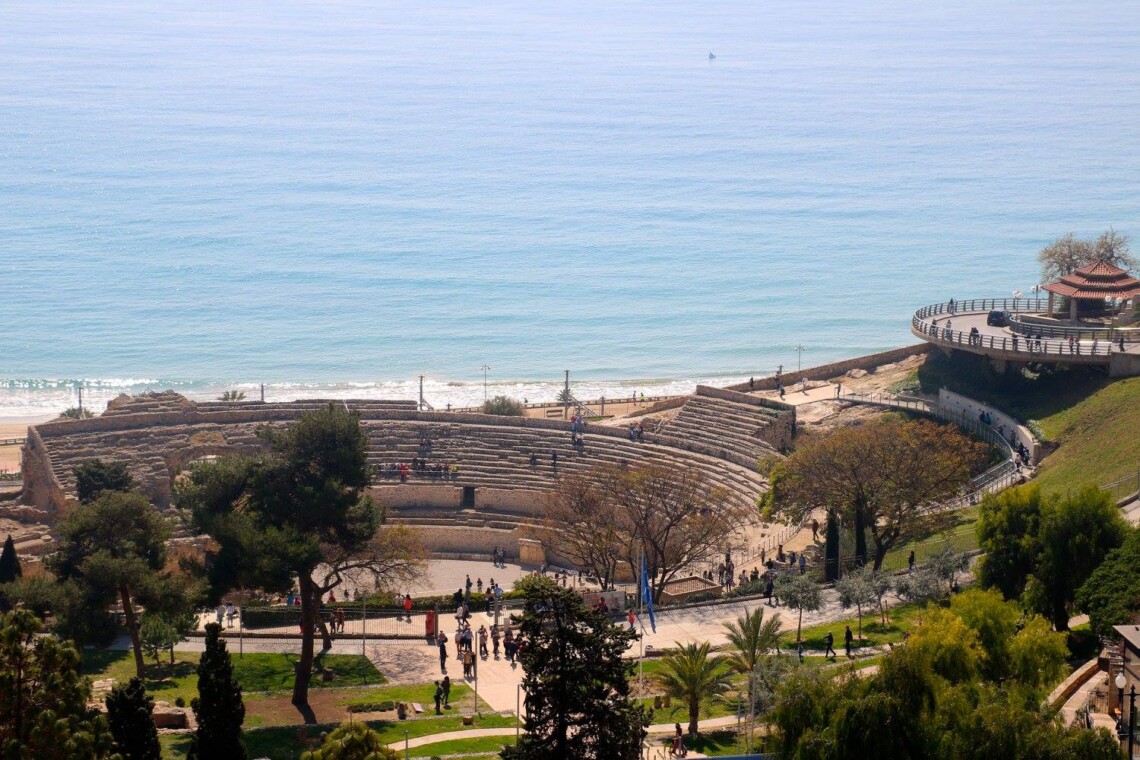
If you want a proper dose of ancient history without straying far from Barcelona, point yourself south to Tarragona, an easy hour down the coast by train. There’s a remarkably intact Roman amphitheatre sitting right above the Mediterranean Sea, plus an old circus, a forum, and stretches of ancient wall scattered through the city. The whole Roman ensemble is a UNESCO World Heritage Site, and you can wander most of it on foot in a single afternoon.
But Tarragona is far from just an open-air museum. The old town climbs the hill behind the ruins, a tangle of narrow streets that opens out onto a grand medieval cathedral at the top. Down below, a long balcony-like promenade called the Balcó del Mediterrani looks straight out over the water, and the city has its own easygoing string of beaches right on the edge of the center. Pull up a chair at a tapas bar in the old quarter, order something fresh off the boat, and you’ll wonder why this place stays so firmly off the tourist trail.
19. Oviedo
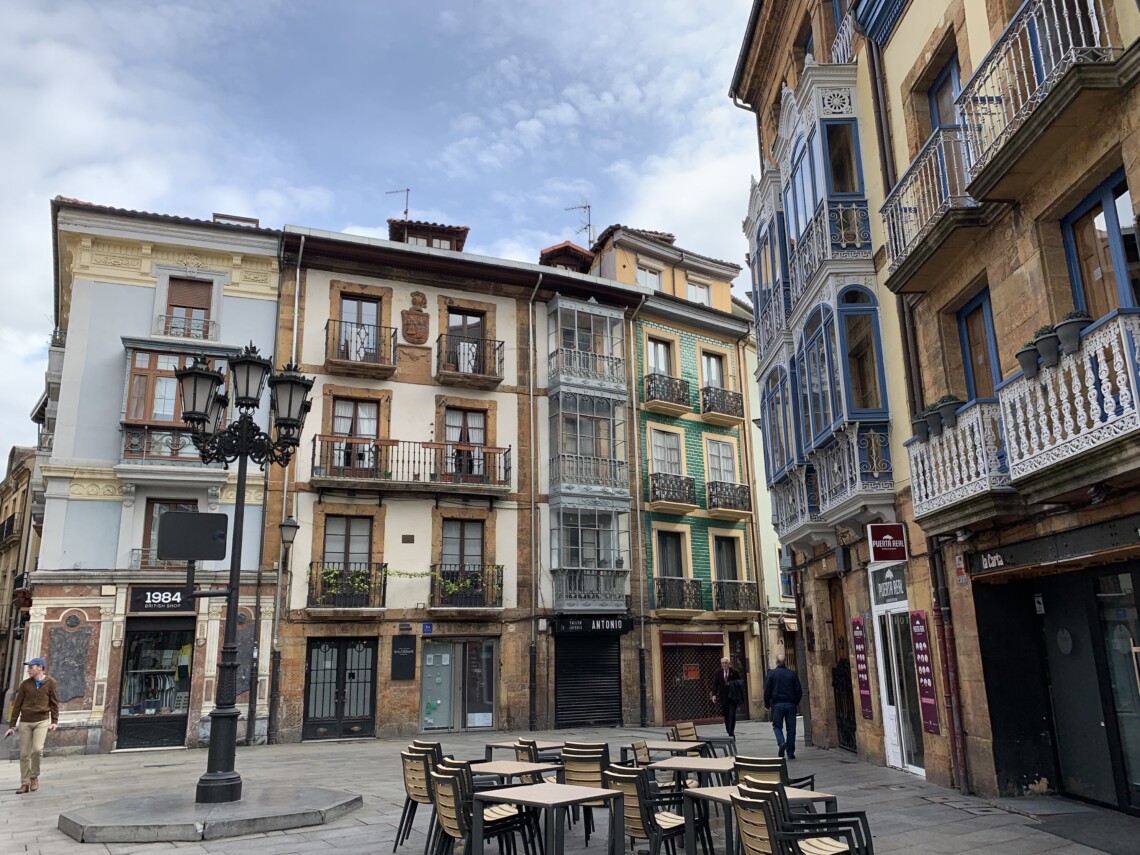
For something completely different from the rest of Spain head up to Oviedo, the elegant capital of Asturias tucked into the green, rain-fed hills of northern Spain. This is a part of the country most international travelers never reach, which is exactly why I love it. Oviedo is refined and unhurried, built around a beautiful old town of pristine cobbled lanes, grand squares, and a soaring Gothic cathedral at its heart. But the real treasures sit just above the city on Monte Naranco: a pair of tiny pre-Romanesque churches dating back to the 9th century, older than almost anything else you’ll see in Spain.
What gets me about Oviedo, though, is the food and the rhythm of daily life. This is cider country, and the way to drink it is in a sidrería, where the waiter holds the bottle high above their head and pours a thin stream into the glass from arm’s length, a bit of theatre that never gets old. If you decide to venture to this area of Spain, I highly recommend renting a car and doing an entire road trip throughout the Asturias region. This was a trip I did that has stuck with me for years.
20. The Balearic Islands
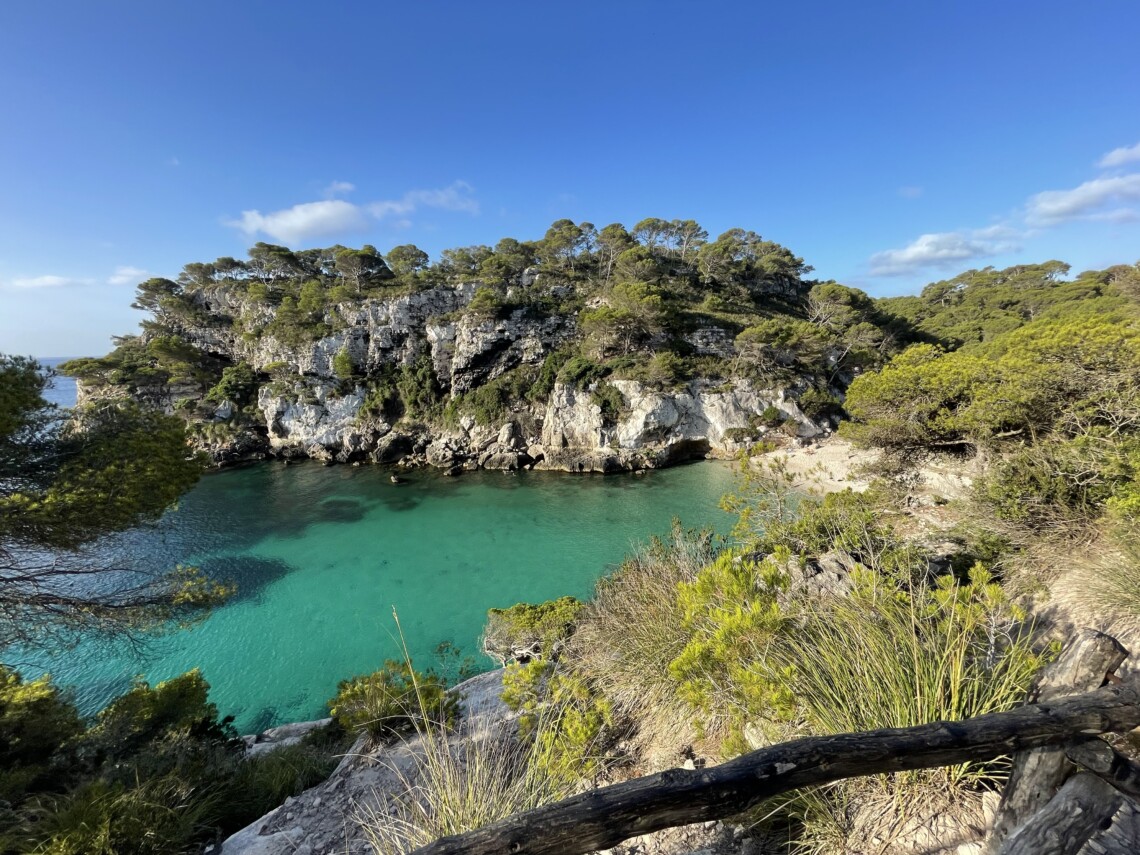
Once again, I know this isn’t a city, but I really couldn’t leave these islands off the list. The Balearics are a small cluster of islands sitting just off the coast near Valencia, out in the Mediterranean Sea. And even though they’re so close to the mainland, the moment you arrive it feels like you’ve slipped into another country entirely. The water here rivals anything else on the continent. In fact, between you and me, some of the best beaches in Europe are hiding right here.
While most people know Mallorca, the smaller islands next door are arguably even better. I personally love spending summers in Menorca or Formentera. Not only are they far less crowded, but they offer a more charming, slowed-down experience that mass tourism hasn’t gotten its hands on yet. Think hidden coves, turquoise water, long lazy lunches, and stunning beaches. If you’re after a proper European beach trip this summer, you definitely need to pencil these islands into your Spain itinerary.
Frequently Asked Questions
What are the best cities to visit in Spain?
Barcelona, Madrid, Seville, Valencia, and San Sebastian are the best cities to visit in Spain. Each offers a different perspective of the country.
What is the best time to visit Spain?
The best time to visit Spain is spring (April to June) and autumn (September to October), when the weather is warm and the crowds are smaller. Summer suits the north and the islands, while winter is ideal for the Canary Islands.
How many days do you need in Spain?
You need at least 10 to 14 days to see Spain’s highlights comfortably. A shorter trip of 5 to 7 days is better spent focusing on one or two regions.
Which Spanish city has the best beaches?
San Sebastian, Costa Brava, and the Balearic islands have some of the best beaches in all of Spain.
What is the most beautiful city in Spain?
Many travelers consider Granada the most beautiful city in Spain, thanks to the Alhambra palace and its Sierra Nevada backdrop. Seville and Barcelona are close contenders.
What food is Spain known for?
Spain is known for tapas, paella, and jamón ibérico. Valencia is the home of paella, San Sebastian is famous for Basque pintxos, and Granada still serves free tapas with every drink.
Is Barcelona or Madrid better to visit?
Barcelona is better for beaches and Gaudí architecture, while Madrid is better for art, nightlife, and capital-city culture. Many travelers visit both, since they sit a few hours apart by high-speed train.
Wrapping Up: Best Places to Visit in Spain in 2026
So there you have it, 20 of the best places to visit in Spain, from the buzzing streets of Barcelona to the quiet green hills of Asturias. If there’s one thing I’ve learned in my years living here, it’s that Spain rewards those who venture past the status quo The famous cities absolutely live up to the hype, but some of my fondest memories come from the places nobody warns you about: a slow seafood lunch on the Costa Brava, free tapas with a cold caña in Granada, a sunset over the water in Cadiz. You really can’t go wrong. So pick a region, book the trip, and come see for yourself why this country has had my heart for the better part of a decade. Trust me, one visit is never enough.


No Comments