
I’ve been taking weekend trips from Barcelona to Malaga for over five years now, and I can confidently say it’s one of my favorite cities in Andalusia.
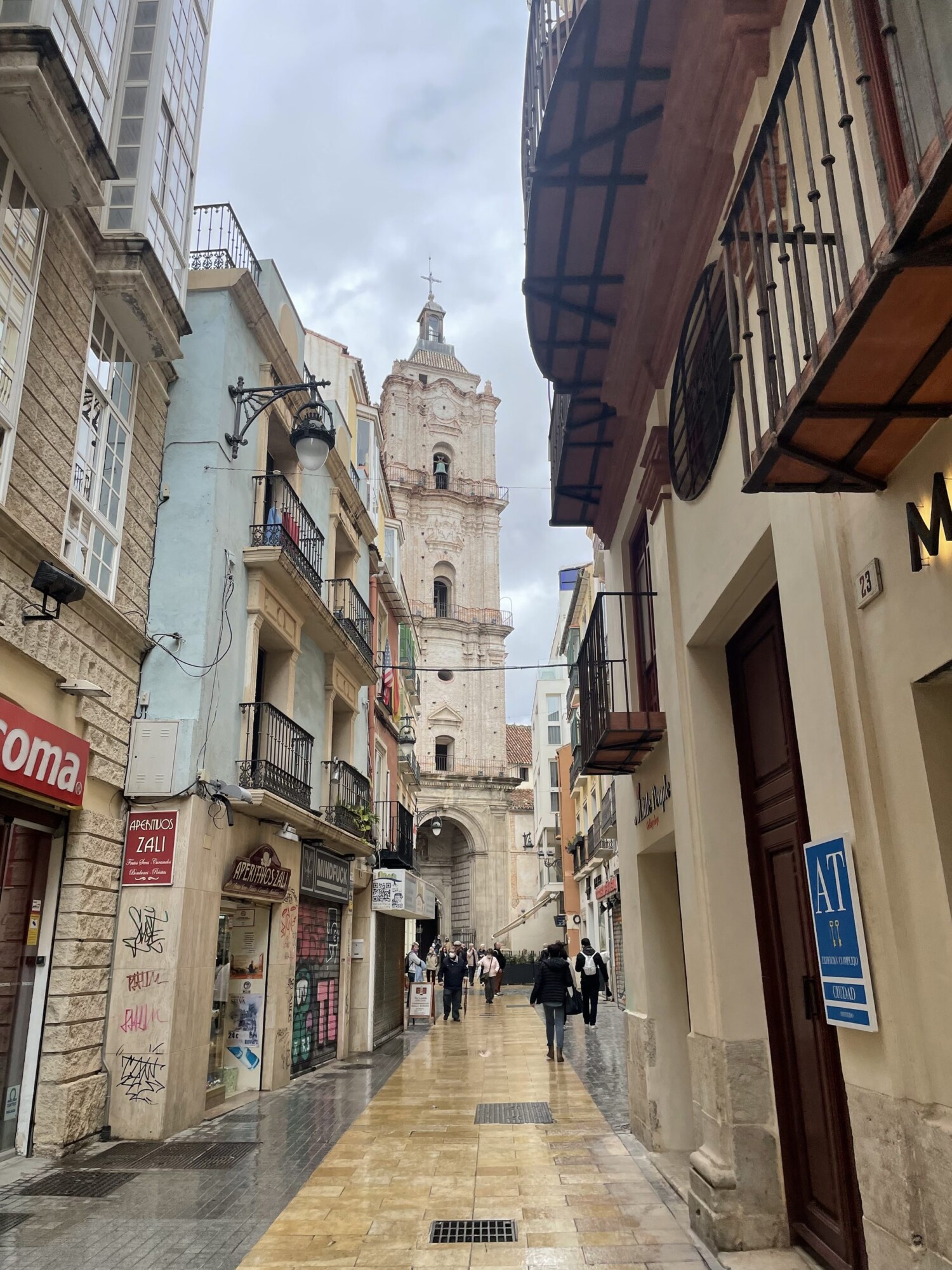
What I love most about Malaga is how effortlessly it blends old and new. As you wander through the tiled streets of the historic center, you’ll find trendy new restaurants tucked between traditional tapas bars that have been local institutions for decades.
And despite being a growing, modern city, Malaga has managed to hold on to its Andalusian charm. It’s this mix of tradition and modern city life that keeps me coming back.
Plus, you have the beach right on your doorstep. And if you’re visiting during espeto season, there’s nothing better than spending a sunny afternoon at a beachfront chiringuito eating freshly grilled sardines.
So, if you’re wondering whether Malaga deserves a spot on your Spain itinerary, here are seven reasons I think it’s worth visiting, along with a few things to consider before planning your trip.
Key Takeaways: Is Malaga Worth Visiting?
- Best for: Couples, food lovers, beach enthusiasts, and travelers looking for a relaxed city break.
- How long to stay: Two to three days, or longer if you’re planning day trips.
- Best time to visit: April through June and September through October.
- Budget: Generally more affordable than many major European cities, although summer hotel prices can be high.
- My favorite thing: Exploring the old town before heading to the coast for fresh espeto.
Short on Time? Here Are the Best Hotels in Malaga, Spain
I’d recommend staying in or near Malaga’s historic center. You’ll be within walking distance of most of the city’s main attractions, restaurants, and shopping streets.
- ME Malaga by Meliá: A stylish, contemporary hotel that’s a great choice if you’re looking for a luxurious stay.
- Catalonia Molina Lario: Located just steps from Malaga Cathedral, with a rooftop pool and an excellent central location.
- Hotel Casa Beatas: A charming boutique-style option in the heart of Malaga’s old town.
Where Is Malaga, Spain?
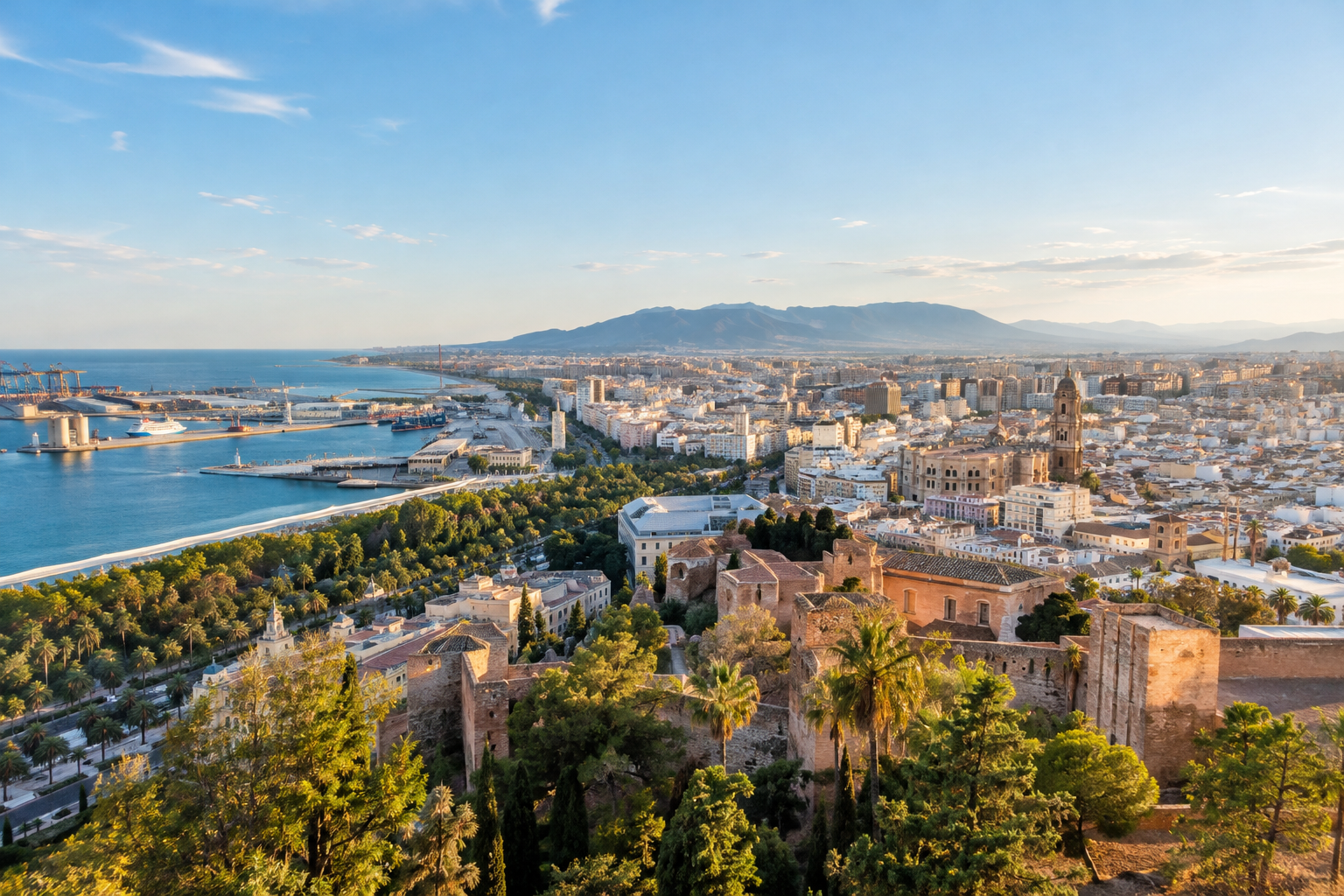
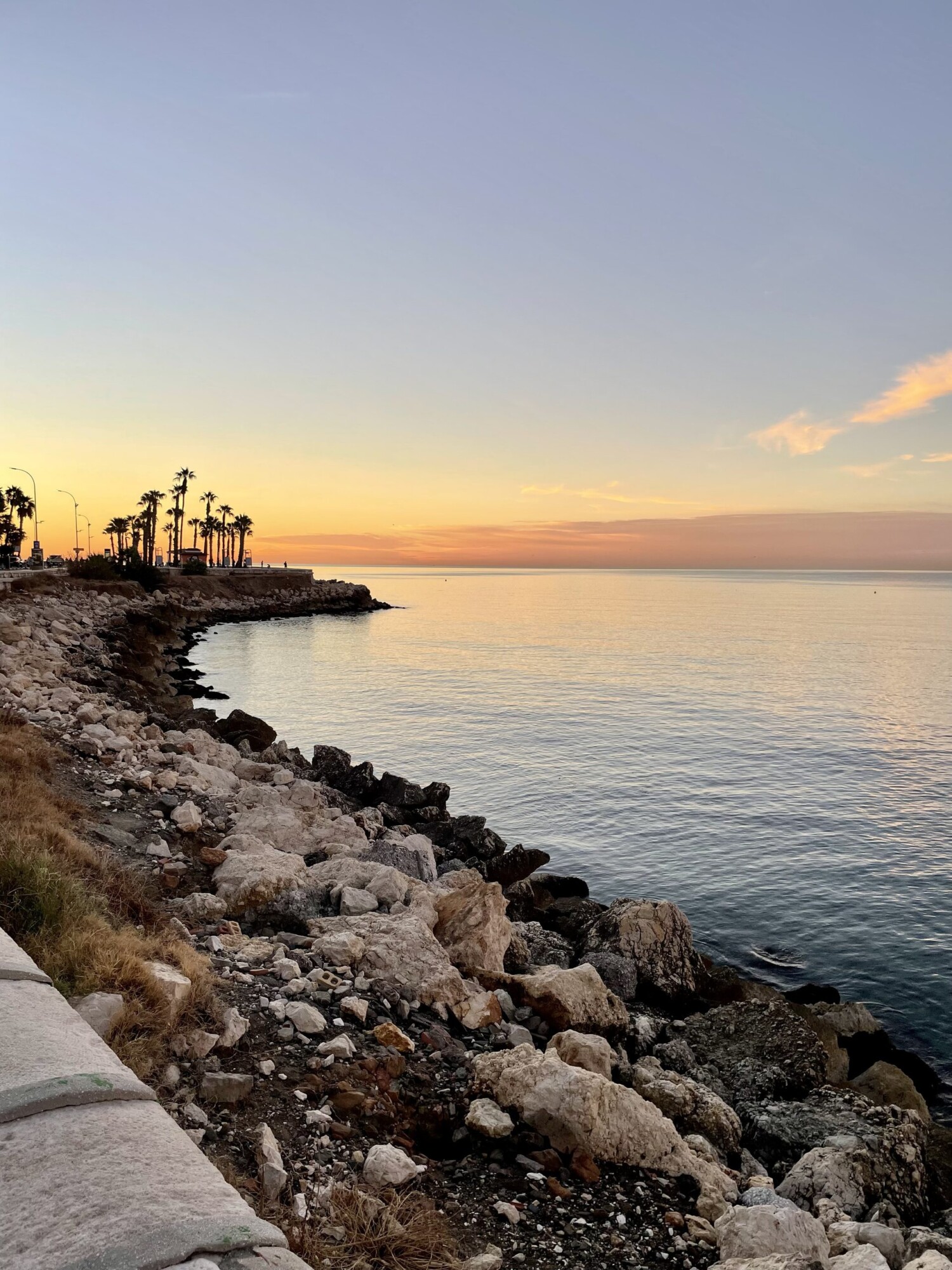
Malaga is located in Andalusia, southern Spain, along the Mediterranean coast. It’s part of the Costa del Sol, a region known for its sunny weather, beaches, and charming coastal towns.
Getting here is easy thanks to Malaga Airport, which has direct flights throughout Europe. From the airport, you can reach the city center by train in a little over 10 minutes.
7 Reasons Why Malaga Is Worth Visiting
1. Malaga Has a Relaxed Atmosphere Without Feeling Boring
One of the things I appreciate most about Malaga is its pace of life.
Compared to Madrid or Barcelona, Malaga feels a little more laid-back. You can spend hours wandering through the historic center, stopping for coffee, browsing shops, and enjoying long lunches without feeling like you’re rushing between attractions. With that being said, that doesn’t mean the city is boring by any means.
The old town is filled with lively plazas, bustling tapas bars, boutique shops, and restaurants. I particularly love the area around Calle Larios and Plaza de la Merced, where there’s always somewhere inviting to stop for a drink. It’s this balance that makes Malaga such a great destination for a long weekend.
2. You Get a City Break and Beach Vacation in One
Another reason Malaga is worth visiting is its location along the Mediterranean coast. La Malagueta Beach is approximately a 15 to 20-minute walk from the historic center, making it easy to spend the morning sightseeing and the afternoon relaxing on the sand or having lunch at one of the many beach bars.
While it might not be the nicest beach in Spain, I love how accessible it is. For a more local atmosphere, head east toward Pedregalejo or El Palo. These neighborhoods have smaller beaches, traditional seafood restaurants, and a slightly more relaxed feel and isn’t too far from Malaga city center.
Personally, I think being able to combine sightseeing with an afternoon by the Mediterranean is one of Malaga’s biggest selling points.
3. Malaga Has Incredible Food, Especially Espeto
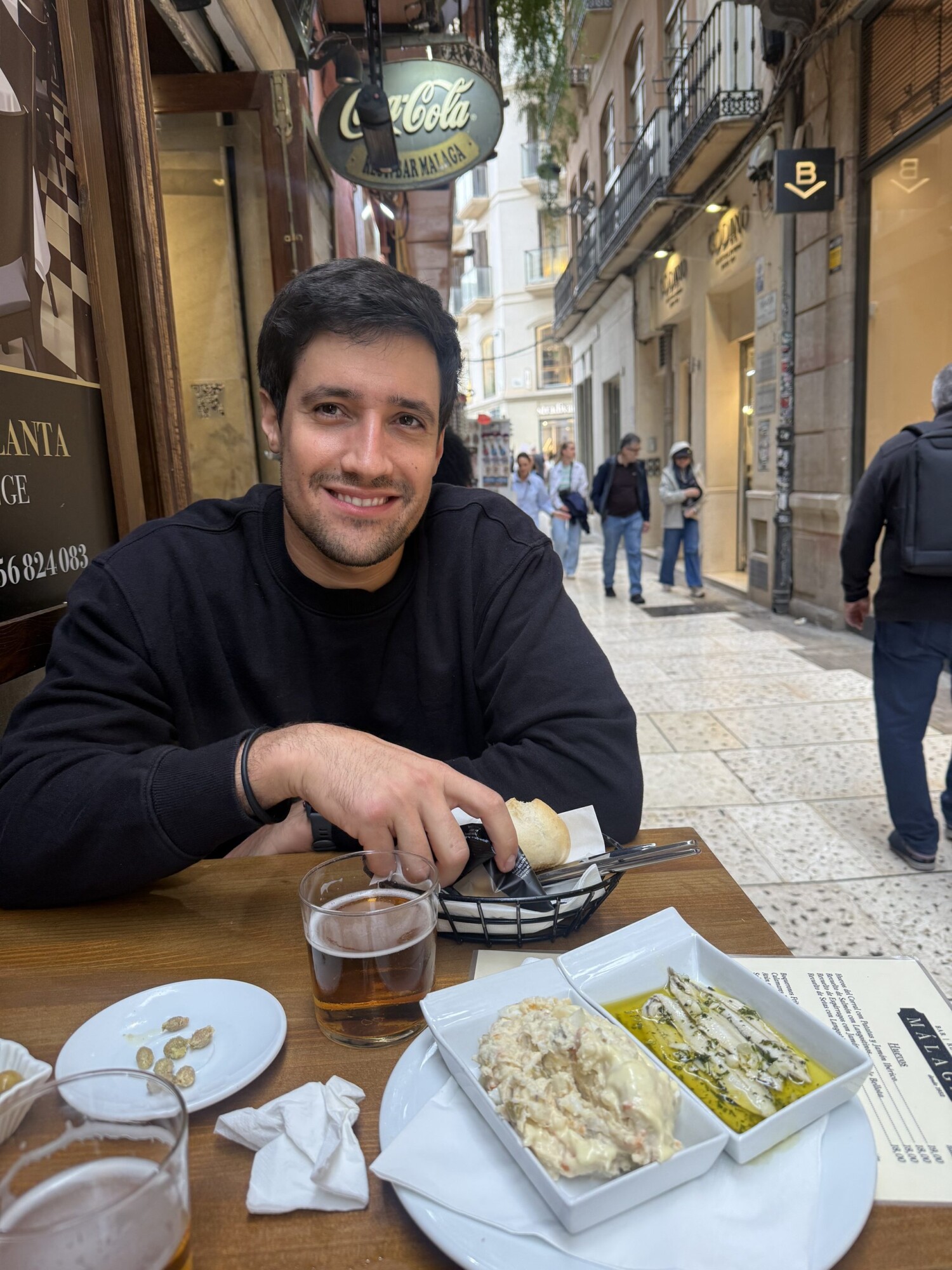
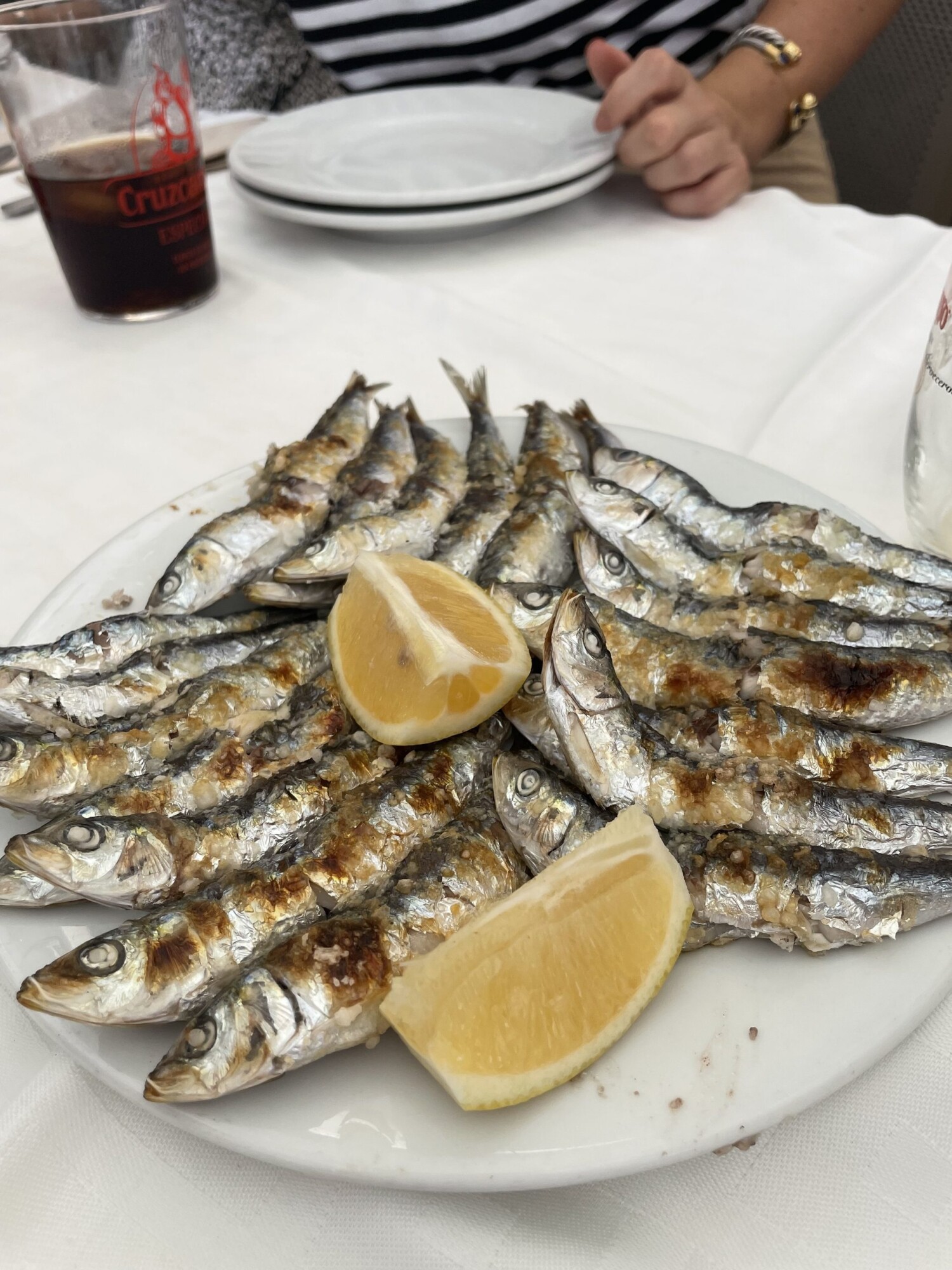
If you love Spanish food, Malaga won’t disappoint. The city has everything from traditional Andalusian tapas bars to modern restaurants and beachfront chiringuitos.
My personal favorite is espeto de sardinas, a local specialty made by grilling fresh sardines on wooden skewers over an open fire, usually beside the beach. You’ll find some fantastic spots for espeto around Pedregalejo and El Palo, particularly during the warmer months.
Espeto season generally runs from late spring through the end of summer. Locals swear by an old rule: sardines are at their best during the months without an “R,” so roughly May through August. That’s when the fish are at their fattest and most flavorful. You’ll still find espeto at chiringuitos year-round, but if you can time your trip for early summer, you’ll be eating it at its peak. Look for the little boats filled with sand along the beach, where the skewers are grilled over an open fire.
Back in the historic center, I also recommend stopping at El Pimpi, one of Malaga’s most famous restaurants, for tapas and a glass of sweet Malaga wine. Another classic stop that I always go to is called Bar Malaga, where they serve up some local and traditional small plates right in the main city center.
4. There’s Plenty of History and Culture to Explore

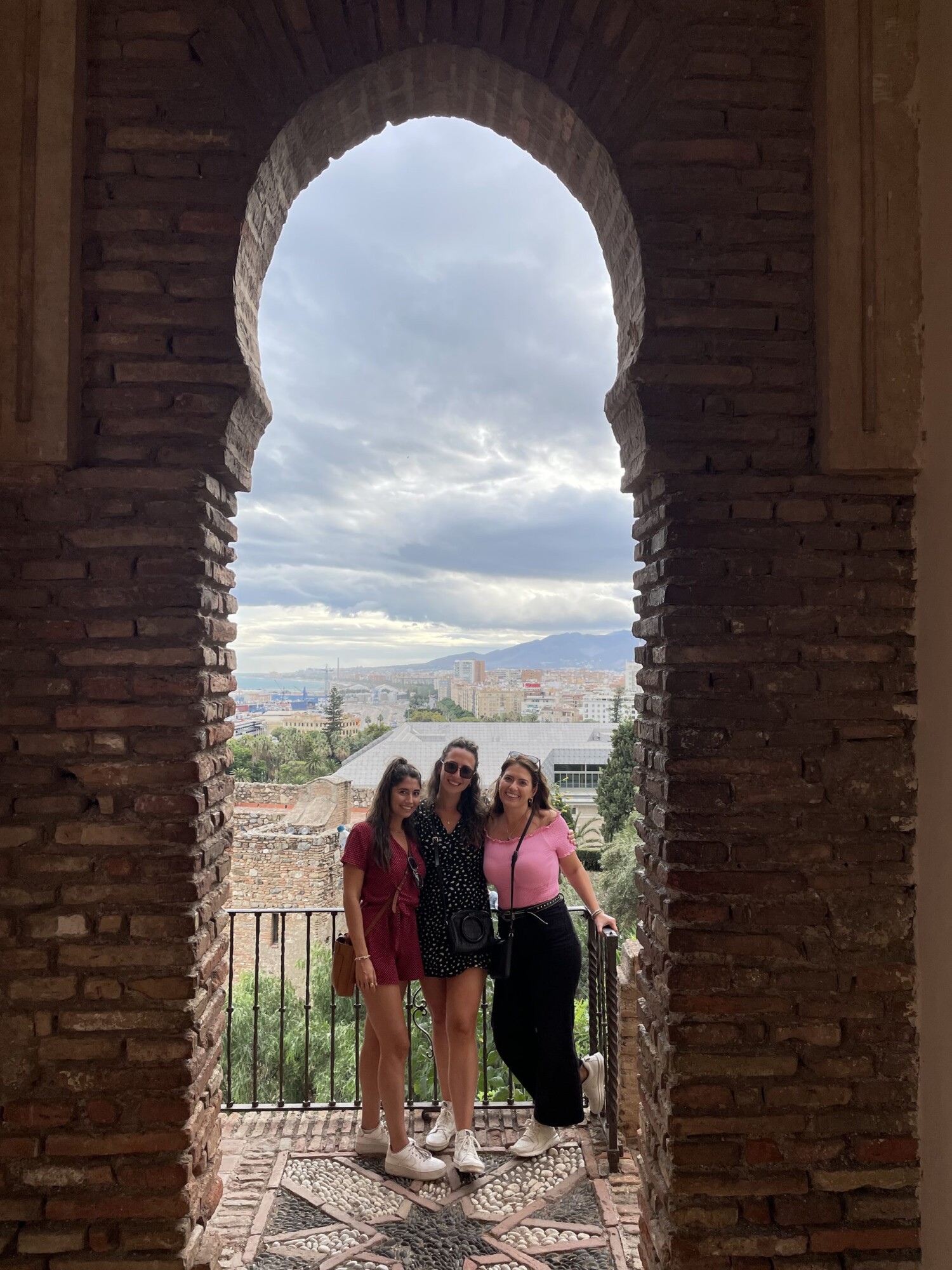
One of the things that makes Malaga so interesting is its blend of ancient history and modern culture. The city has been shaped by several civilizations, including the Phoenicians, Romans, and Moors, and you can still see their influence throughout the historic center.
Some of the most impressive attractions include:
- Alcazaba: An 11th-century Moorish fortress with beautiful courtyards and views over the city.
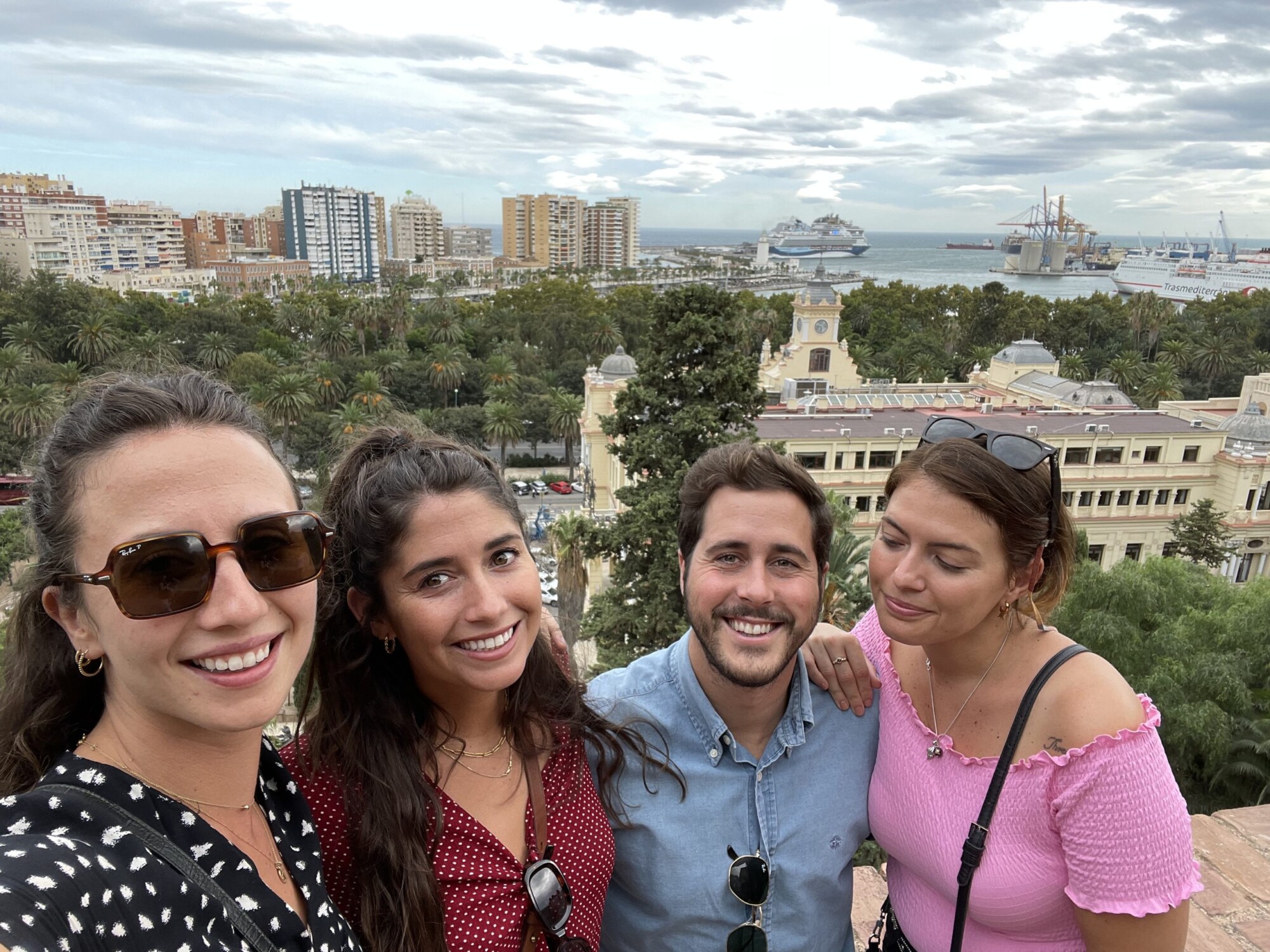
- Gibralfaro Castle: A hilltop castle offering panoramic views of Malaga and its coastline.
- Roman Theatre: Ancient Roman ruins located directly below the Alcazaba.
- Malaga Cathedral: A beautiful Renaissance cathedral famous for its unfinished second tower.
Malaga is also the birthplace of Pablo Picasso, and art lovers can visit the Picasso Museum to explore works from different periods of his career. For something more contemporary, there’s the Centre Pompidou Malaga near the waterfront.
5. Malaga Is More Affordable Than Many European Cities
While Malaga has become increasingly popular, it can still offer good value compared to destinations like Paris, London, Dublin, or Amsterdam.
You can find reasonably priced tapas bars, visit free attractions like the Roman Theatre, and enjoy the beach without spending much money. Of course, Malaga isn’t necessarily a budget destination anymore. Hotel prices can climb during July and August, especially around major festivals and holidays.
If you’re traveling on a budget, the best time to visit Malaga is during spring or fall when accommodation can be more affordable.
6. Malaga Is Easy to Explore on Foot
One of my favorite things about Malaga is how walkable it is. Most attractions are concentrated around the historic center, so you don’t need to spend much time figuring out public transportation.
You can start your morning at the Alcazaba, walk past the Roman Theatre, stop for lunch near Malaga Cathedral, and finish the afternoon wandering along Calle Larios. The only attraction that requires a little more effort is Gibralfaro Castle, which sits on a hill above the city. The walk is steep, but the views are worth it!
Otherwise, you can comfortably explore Malaga without renting a car.
7. Malaga Is a Great Base for Exploring Andalusia
If you’re planning a longer trip through Andalusia, Malaga is a fantastic place to base yourself.
There are plenty of beautiful towns and natural attractions within a couple of hours, including:
- Caminito del Rey: A spectacular walking route along dramatic cliffs and gorges.
- Ronda: A picturesque town famous for its impressive Puente Nuevo bridge.
- Nerja: A charming coastal town with beautiful beaches and the famous Balcón de Europa.
- Granada: Home to the Alhambra and one of Spain’s most fascinating historic cities.
- Setenil de las Bodegas: A whitewashed town known for its houses built beneath enormous rock overhangs.
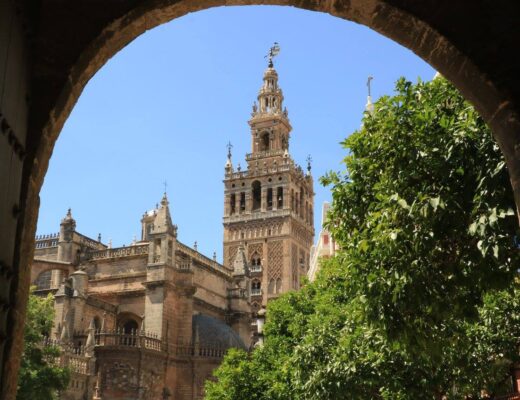
You could also visit Seville, although I’d recommend spending at least one night there rather than trying to squeeze everything into a day trip.
Are There Any Downsides to Visiting Malaga?
As much as I love Malaga, there are a few things worth considering before booking a trip.
First, summer can be extremely hot, with temperatures regularly exceeding 30°C (86°F) in July and August. The city also gets crowded during peak season, particularly around the main attractions and beaches.
And while Malaga has lovely beaches, I wouldn’t necessarily visit solely for a beach vacation. There are more scenic stretches of coastline elsewhere in Spain.
Also, while this isnt a dealbreaker, I do feel like Malaga has changed a lot in recent years. Now, that’s not necessarily a bad thing. It’s also nice that the city has culture while still feeling modern, however, if you’re expecting a super traditional Spanish city, this may not be the best fit.
But if you enjoy good food, coastal scenery, and a laid-back atmosphere, I think Malaga strikes a pretty perfect balance.
Where to Stay in Malaga, Spain
For a first visit, I’d stay in or near the historic center so you can walk everywhere. If you’d rather wake up by the sea, La Malagueta puts you right on the beach and only a short walk from the old town.
Historic Center
- Palacio Solecio: A beautifully restored 18th-century palace near the Picasso Museum, ideal for a special-occasion splurge.
- Catalonia Molina Lario: Steps from the cathedral, with a rooftop pool and terrace overlooking the city and port.
- Hotel Casa Beatas: A small, characterful boutique hotel in a restored historic building, just a minute from the Picasso Museum.
- ME Málaga by Meliá: A stylish five-star on Calle Victoria, with some suites looking out over the Alcazaba.
La Malagueta (Beachfront)
- Gran Hotel Miramar GL: Malaga’s grande dame, a historic beachfront hotel with a spa and pool, about a 10-minute walk from the center.
FAQs About Visiting Malaga, Spain
How Many Days Do You Need in Malaga?
I’d recommend two to three days in Malaga. That’s enough time to explore the historic center, visit the main attractions, and enjoy the city’s food and beach scene. If you’re planning day trips, consider staying four to five days.
Is Malaga Better Than Seville?
It depends on your travel style. Seville is better for grand architecture, flamenco culture, and historical sightseeing, while Malaga offers a more relaxed coastal atmosphere. Personally, I’d choose Sevilla over Malaga, however, I’ve spent more time there and love the city’s cultural events like La Feria de Sevilla.
Is Malaga Worth Visiting in Winter?
Yes! Malaga is a great winter destination in Europe if you’re looking for mild weather. While it won’t necessarily be warm enough for swimming, daytime temperatures are generally comfortable for sightseeing, and you’ll avoid the summer crowds.
When Is Espeto Season in Malaga?
The best time to eat espeto in Malaga is during the summer months, with June and July often considered the sweet spot. Sardines are caught in their prime during this stretch, so they come off the grill richer and juicier than at any other point in the year. Chiringuitos keep serving espeto in the cooler months too. Outside summer, though, the sardines tend to be smaller and leaner, and some spots swap in other fish. My tip is to go for a late lunch or around sunset, order a skewer or two per person, and eat it the local way: with your fingers, alongside a cold caña or tinto de verano.
Do You Need a Car in Malaga?
No, you don’t need a car to explore Malaga itself. Most attractions are within walking distance, and public transportation connects the city center with the airport and surrounding neighborhoods. For day trips, you can use trains, buses, or organized tours.
Final Thoughts: Is Malaga Worth Visiting?
If you’re wondering whether Malaga is worth visiting, my answer is a definite yes. I love that Malaga offers a little bit of everything, from beautiful historic streets and incredible restaurants to sunny afternoons by the Mediterranean.
And honestly, there’s something pretty special about spending the morning exploring a Moorish fortress and the afternoon eating freshly grilled espeto beside the beach.
If you’re planning a trip to Andalusia, I’d absolutely recommend adding Malaga to your itinerary. It’s a city that captures so much of what I love about southern Spain.



No Comments