
Malaga is one of those cities in southern Spain that has a little bit of everything. Beautiful beaches, ancient castles, incredible food, and a charming historic center that’s easy to explore in a single weekend.
I’ve been lucky enough to visit several times since moving to Barcelona. One of my close friends lives here, so I’ve made a habit of coming to see her at least once or twice a year.
While many travelers come to the south of Spain for Marbella, Granada, or Seville, they often overlook Malaga, which is such a mistake in my opinion. While this region of Spain is dotted with some of the most beautiful towns and villages the country has to offer, Malaga should still be on the top of any Andalucian itinerary.
What I love about Malaga is that you don’t have to choose between a city break and a beach vacation. You can spend the morning exploring a centuries-old fortress, stop for tapas at a traditional restaurant, and finish the afternoon relaxing by the Mediterranean Sea. This city definitely has a more relaxed vibe compared to larger spanish cities like Madrid or Barcelona, which is definitely the main draw in my opinion.
Whether you have one day or an entire weekend, here are the best things to do in Malaga, Spain, plus a few tips to help you plan your trip.
Key Takeaways: Malaga, Spain Things to Do
- Best things to do in Malaga: Explore the Alcazaba, visit Gibralfaro Castle, see the Roman Theatre, wander through the historic center, and relax at La Malagueta Beach.
- How long to stay: Two to three days is ideal for exploring Malaga, although you could easily stay longer if you plan on taking day trips.
- Best time to visit: April through June and September through October offer pleasant weather for sightseeing.
- Getting around: Malaga is very walkable, especially around the historic center and waterfront.
- Don’t miss: Trying traditional Andalusian tapas and freshly grilled espeto at a beachfront restaurant.
Short on Time? Here Are the Best Hotels in Malaga, Spain
I’d recommend staying in or near Malaga’s historic center. You’ll be within walking distance of most of the city’s main attractions, restaurants, and shopping streets.
- ME Malaga by Meliá: A stylish, contemporary hotel that’s a great choice if you’re looking for a luxurious stay.
- Catalonia Molina Lario: Located just steps from Malaga Cathedral, with a rooftop pool and an excellent central location.
- Hotel Casa Beatas: A charming boutique-style option in the heart of Malaga’s old town.
Where Is Malaga, Spain?
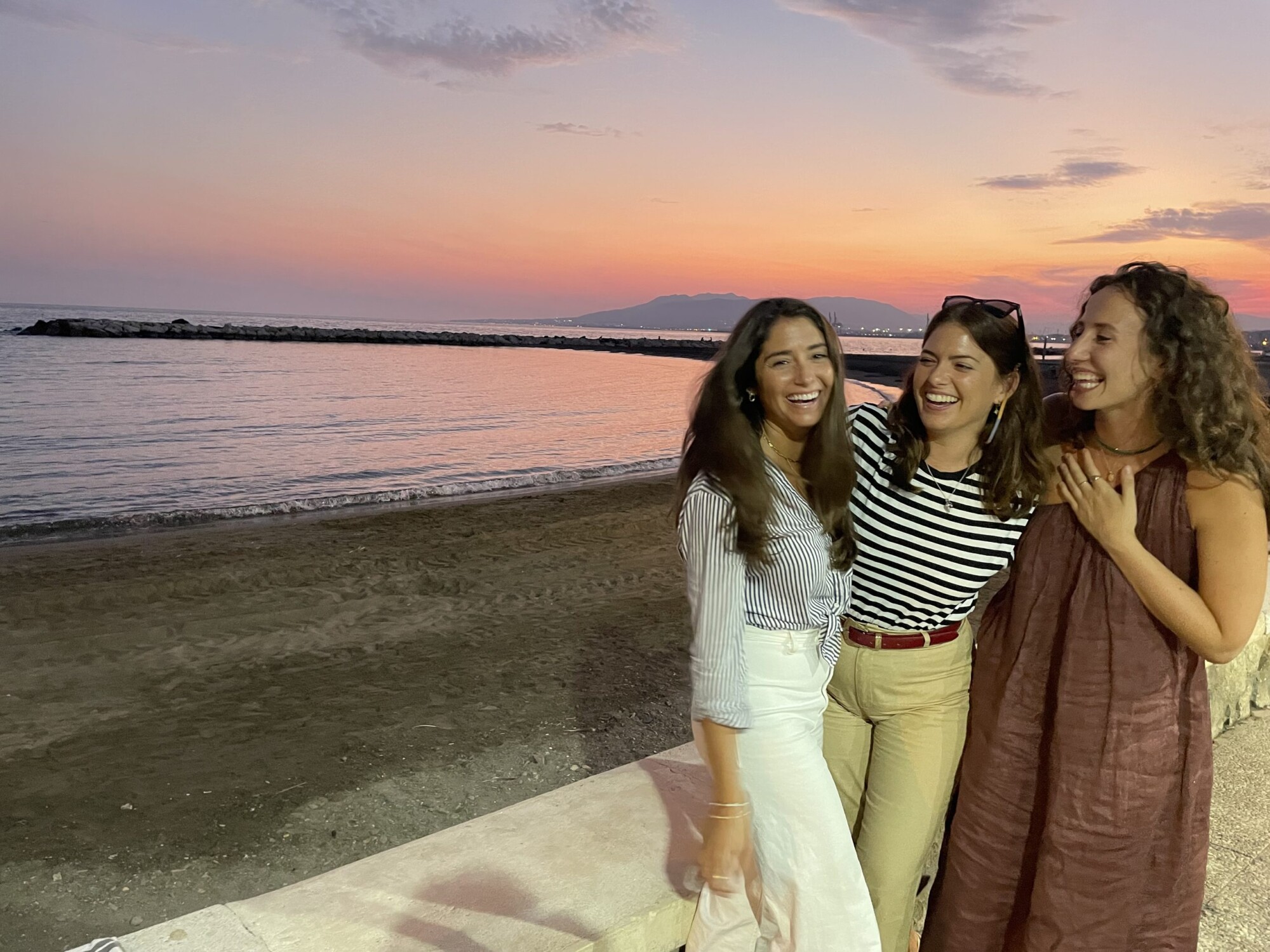
Malaga is located in Andalusia, a region in southern Spain known for its whitewashed villages, Moorish architecture, beautiful beaches, and incredible food. In fact, after traveling to some of the most popular cities throughout Spain, I have to say most of my favorites are located right in this region.
Malaga sits along the Mediterranean coast and is easily accessible via Malaga-Costa del Sol Airport, which has connections throughout Europe.
Malaga also makes a great base for exploring southern Spain. Popular destinations like Ronda, Nerja, Mijas, and Granada are all possible day trips.
12 Best Things to Do in Malaga, Spain
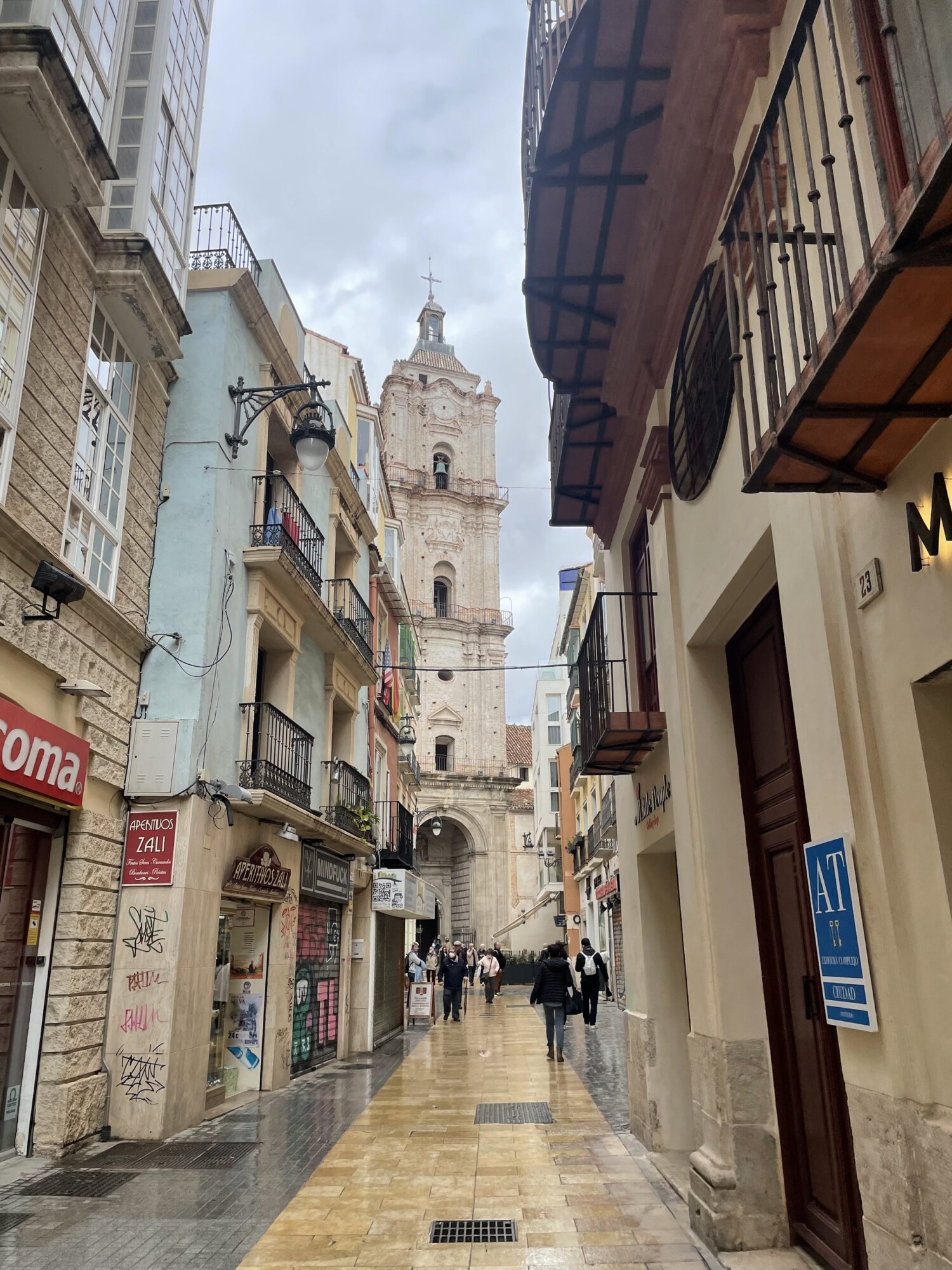
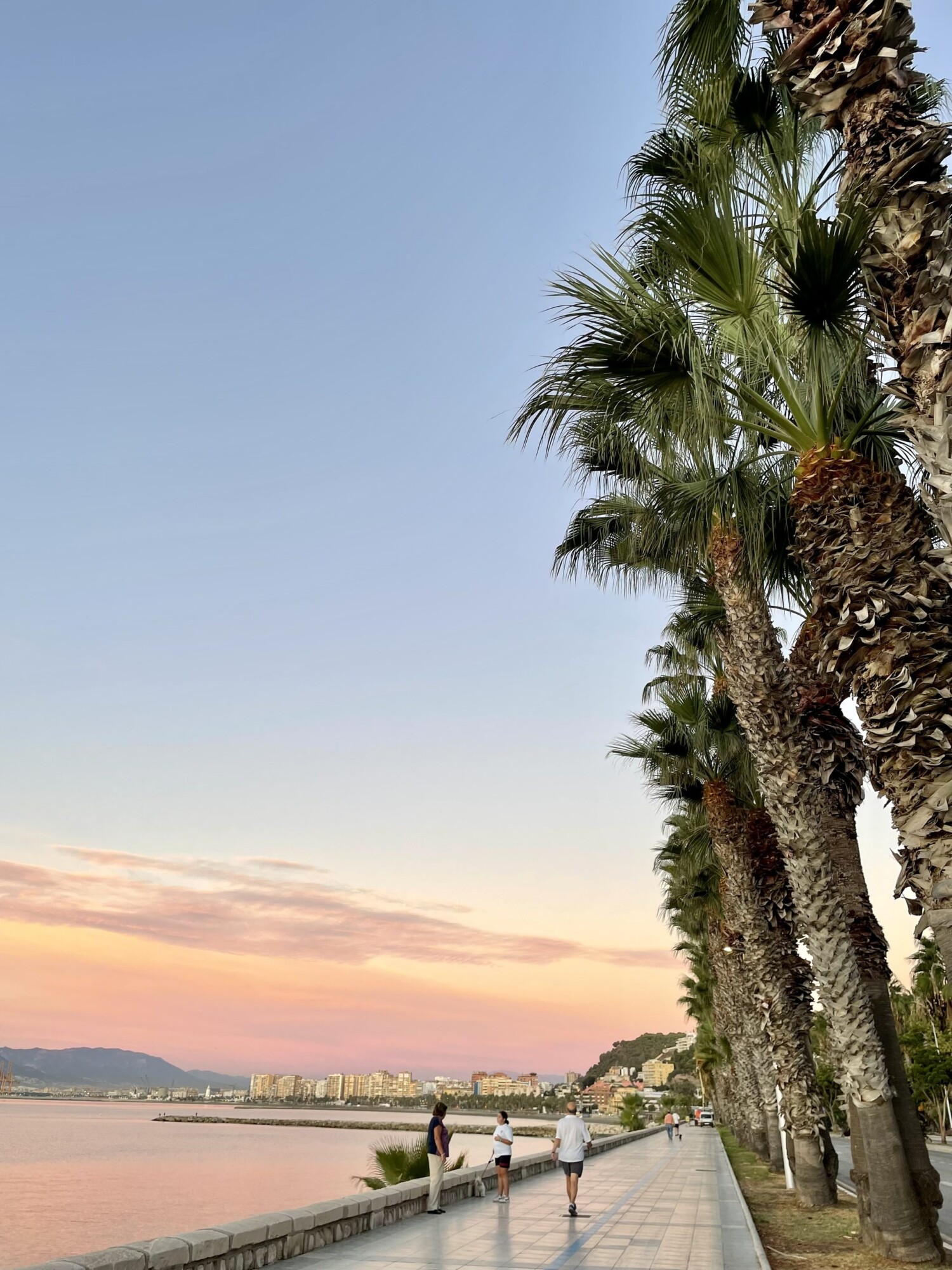
From ancient fortresses to lively tapas bars and Mediterranean beaches, there’s plenty to keep you busy when visiting this more modern andalucian city. Here are the Malaga, Spain attractions I’d prioritize on your first visit.
1. Explore the Alcazaba Fortress
One of the best things to do in Malaga is visit the Alcazaba, a beautiful Moorish fortress overlooking the city.
Built primarily during the 11th century, the Alcazaba fortress was designed to protect Malaga during Muslim rule in Andalusia.
Today, it’s one of the city’s most impressive historical landmarks. As you wander through the fortress, you’ll pass beautiful stone archways, peaceful courtyards, landscaped gardens, and ancient defensive walls.
The architecture is reminiscent of the Alhambra in Granada, although on a much smaller scale.
I’d recommend visiting first thing in the morning, especially during summer. There are quite a few steps and uphill pathways, and the midday heat can make sightseeing less enjoyable.
Travel tip: You can purchase a combined ticket for the Alcazaba and Gibralfaro Castle to visit both attractions.
2. Walk Up to Castillo de Gibralfaro
If you’re looking for the best views in Malaga, make your way up to Castillo de Gibralfaro.
This historic castle sits on a hill overlooking the city and is connected to the Alcazaba by a fortified wall.
Today, Gibralfaro Castle is best known for its panoramic views of Malaga, the Mediterranean Sea, and the surrounding coastline.
You can walk along sections of the castle walls, explore its grounds, and learn about the city’s military history.
Personally, I think the views alone make the climb worthwhile.
3. Visit the Ancient Roman Theatre
At the base of the Alcazaba, you’ll find another of Malaga’s most iconic historical attractions: the Roman Theatre.
Built during the first century BC under Emperor Augustus, the theater is one of the oldest surviving monuments in Malaga, and it’s definitely worth a visit.
You don’t need much time here. Around 15 to 20 minutes is usually enough to check out the ruins and take a few photos. And the best part? General admission is free which we always love!
4. Wander Through Parque de Malaga
After exploring Malaga’s historical landmarks, head toward Parque de Malaga for a more relaxing change of pace. This beautiful urban park stretches between the historic center and waterfront and is filled with tropical plants, fountains, sculptures, and towering palm trees. Even though you are so close to all the chaos of the city center, it feels like you’re somehow far removed from all the hustle and bustle.
It’s also conveniently located near the harbor, so you can easily continue your walk toward Muelle Uno or La Malagueta Beach afterward.
5. Admire Malaga Cathedral
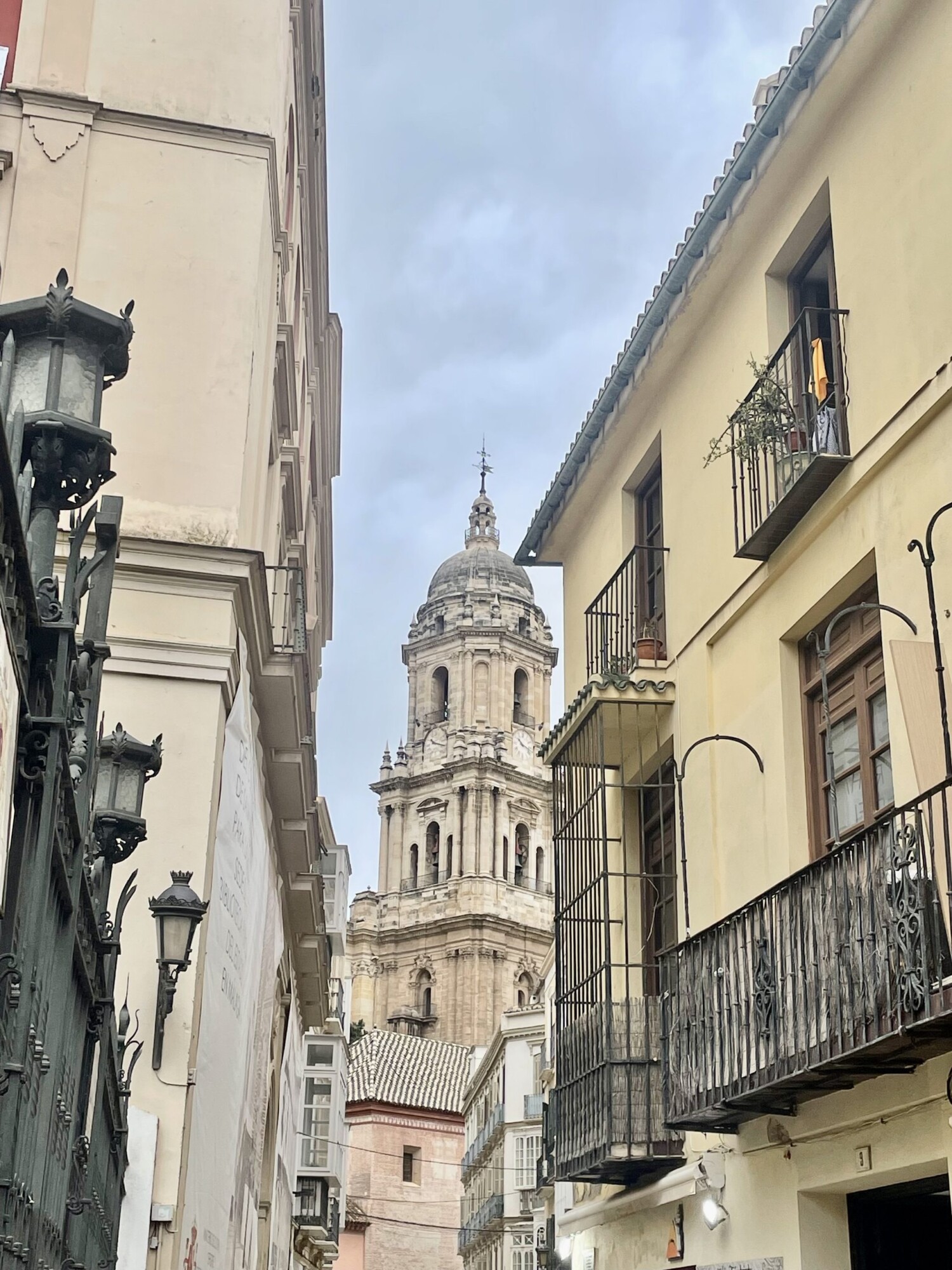
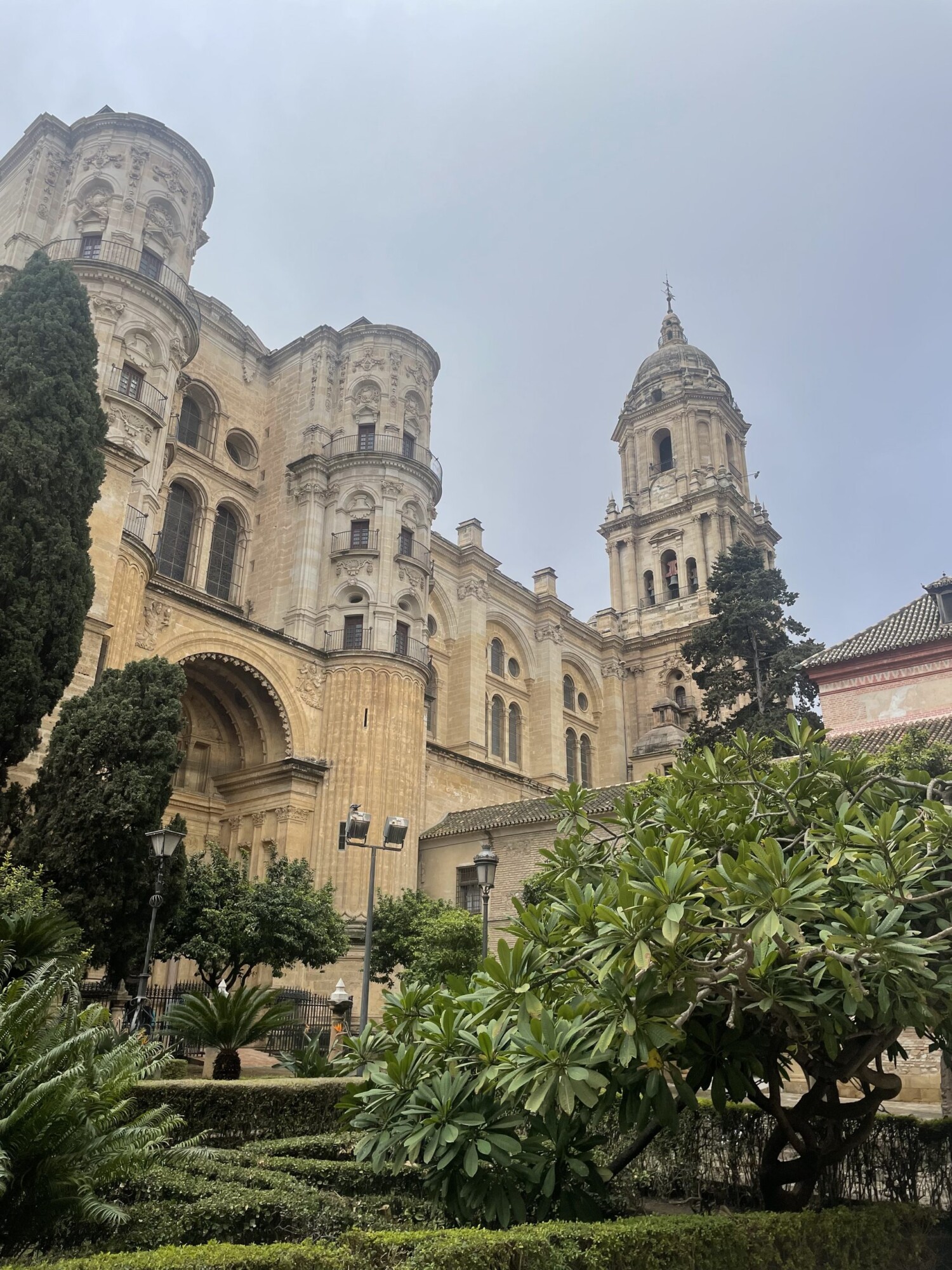
Right in the heart of the historic center, you’ll find Malaga Cathedral, one of the city’s most recognizable landmarks.
Construction began in the 1500s, and one of its most unusual features is its unfinished second tower, which earned the cathedral the nickname La Manquita, meaning “the one-armed lady.”
The exterior is beautiful, but the interior is equally impressive, with soaring ceilings, intricate choir stalls, and ornate chapels. You’ll also find plenty of charming cafés and restaurants in the surrounding streets.
6. Visit the Picasso Museum

Did you know that Pablo Picasso was born in Malaga? The Museo Picasso Málaga is one of the most popular museums in the city and is housed inside the beautiful 16th-century Palacio de Buenavista.
The collection includes works from different periods of Picasso’s career, offering a fascinating look at how his artistic style evolved over time. Plan to spend around one to two hours exploring the museum. I personally loved this museum and would definitely go back.
Purchase your Picasso Museum Entry and Guided Tour here.
7. Stroll Along Calle Marqués de Larios
No visit to Malaga is complete without walking along Calle Marqués de Larios, commonly known as Calle Larios. This elegant pedestrian street is the main shopping avenue in Malaga’s historic center.
Lined with beautiful 19th-century buildings, shops, cafés, and restaurants, it’s one of the liveliest parts of the city. Even if you’re not interested in shopping, Calle Larios is worth visiting for its architecture and atmosphere alone.
I’d recommend wandering through the surrounding side streets as well. Some of the most charming corners of Malaga are tucked away just a few steps from the main avenue.
8. Eat Traditional Andalusian Tapas
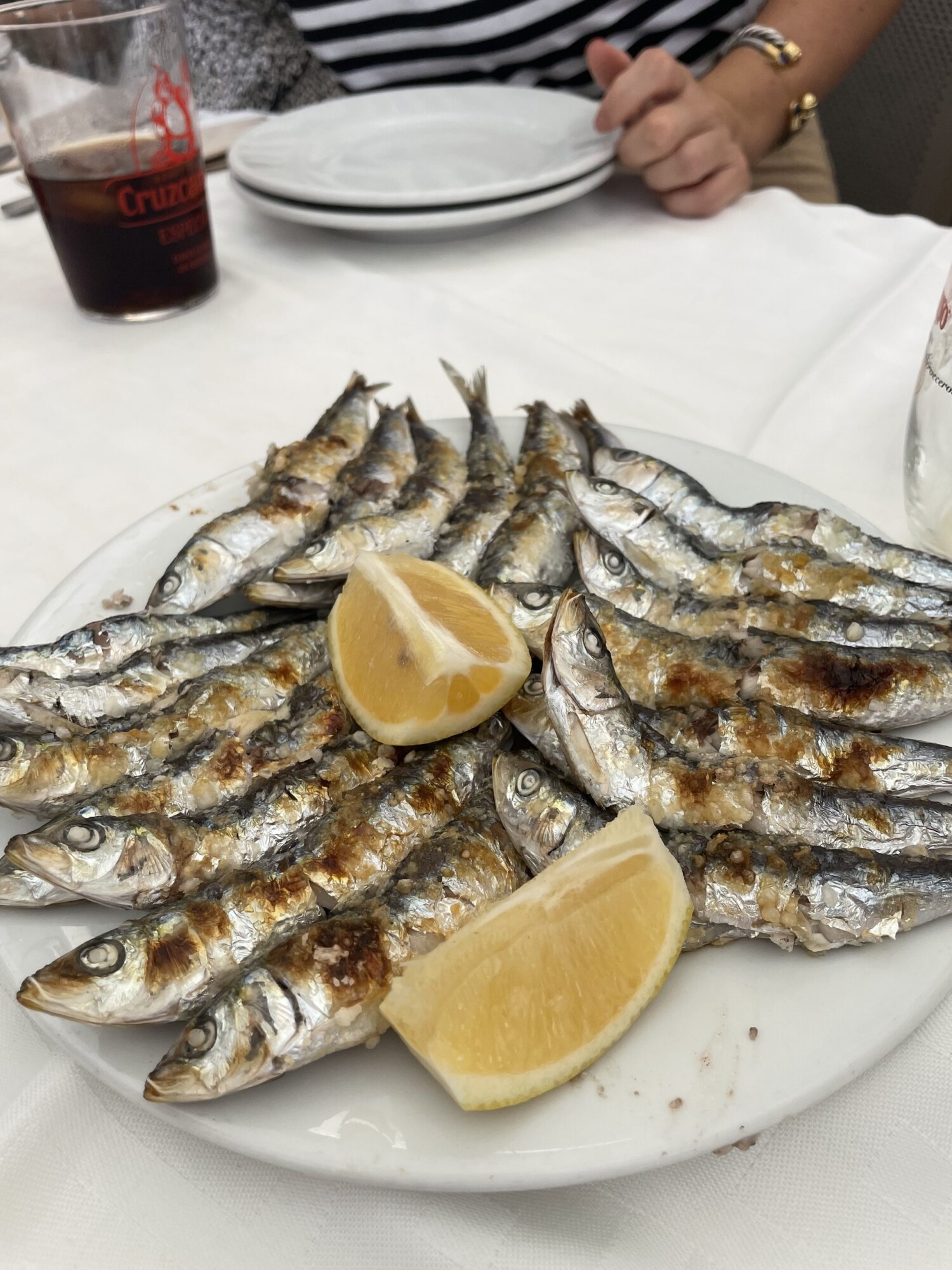

One of my favorite things about traveling through southern Spain is the food, and Malaga is no exception. The city has a fantastic tapas scene, with everything from traditional Andalusian taverns to more modern restaurants serving up small, sharable plates.
A few local specialties I’d recommend trying include:
- Gambas al pil pil: Shrimp cooked in sizzling olive oil with garlic and chili.
- Croquetas: Creamy, crispy croquettes typically filled with ham or chicken.
- Berenjenas con miel: Fried eggplant served with sweet sugarcane syrup.
- Espeto: grilled sardines cooked on an open fire, typically found at the beach restaurants.
One of Malaga’s most famous restaurants is El Pimpi, a traditional bodega located near the Roman Theatre. One of my other favorite spots right in the center is Bar Malaga, which is a small tapas restaurant I always revisit on my yearly trips.
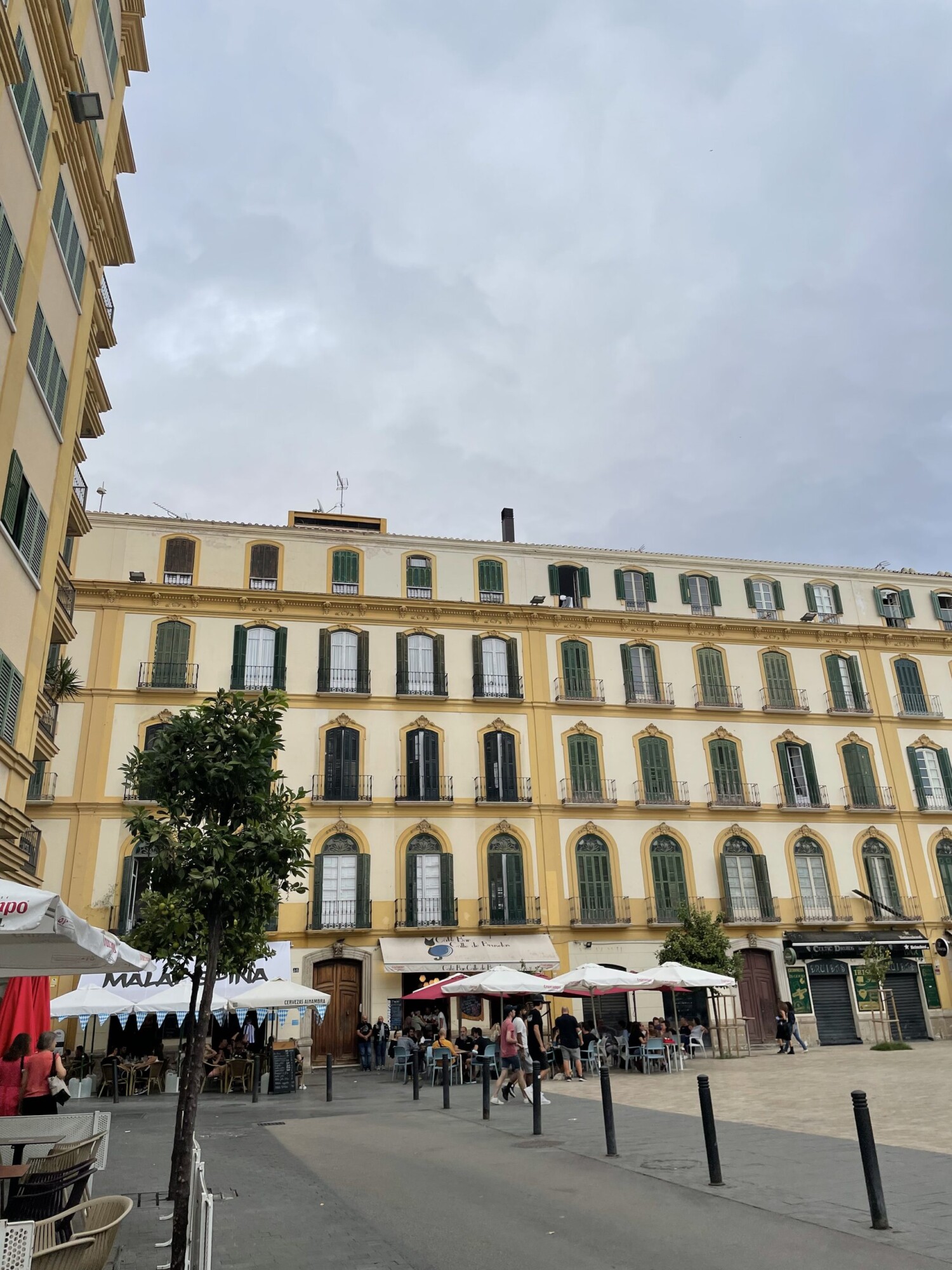
You can also explore the smaller tapas bars around Plaza de la Merced and the surrounding historic streets.
9. Eat Espeto at the Beach
While we’re on the topic of food, espeto de sardinas deserves its own spot on this list.
Espeto is a traditional dish made by skewering fresh sardines onto wooden sticks and grilling them over an open fire, often in a sand-filled boat beside the beach.
You’ll find espeto served at beachfront restaurants known as chiringuitos, particularly around Pedregalejo and El Palo, two coastal neighborhoods east of Malaga’s city center.
Picture a long lunch overlooking the Mediterranean, fresh seafood on the table, and nowhere you need to be for the next few hours. This is honestly one of my favorite things to do when I come to Malaga for a short weekend.
10. Relax at La Malagueta Beach
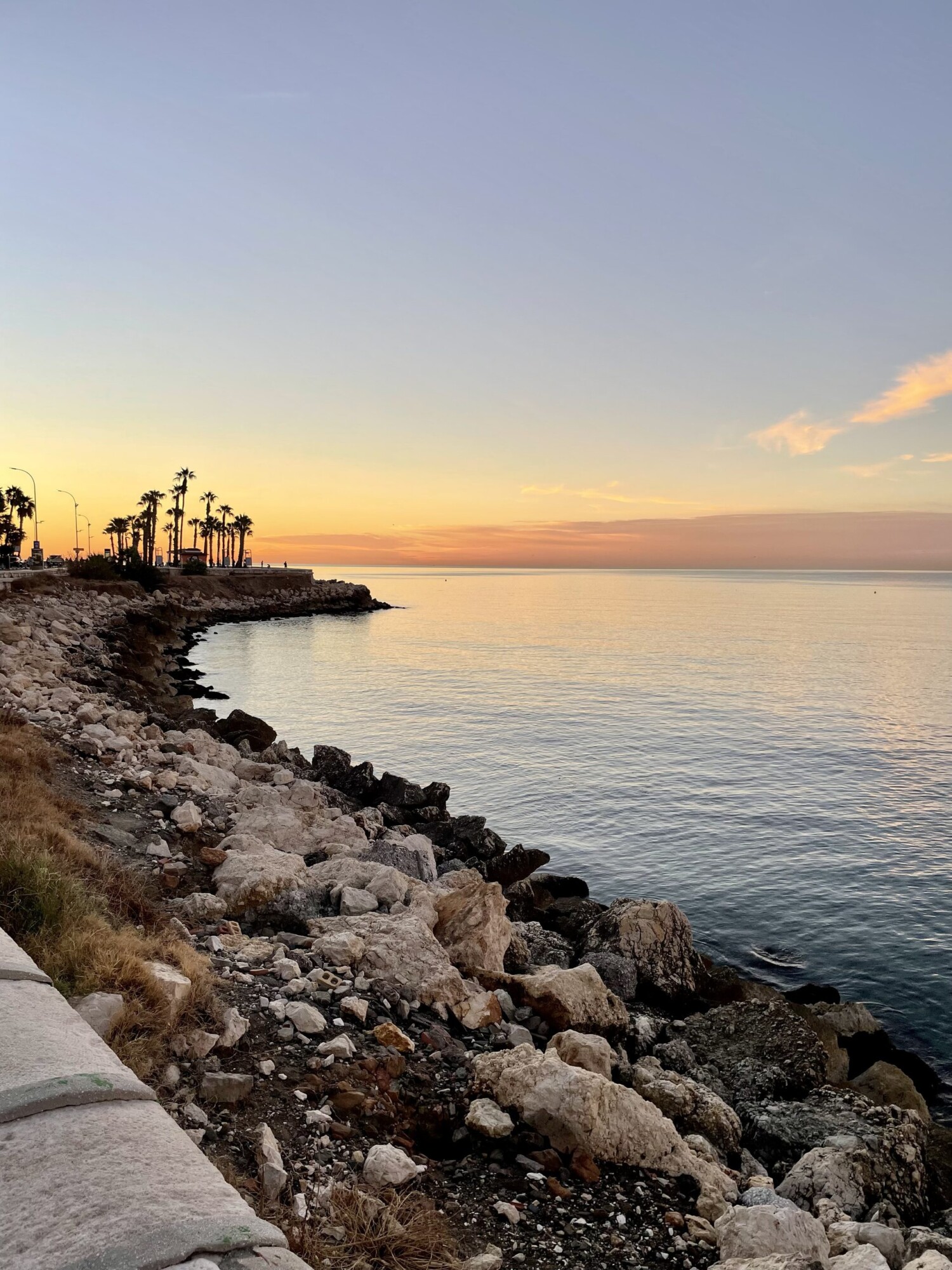
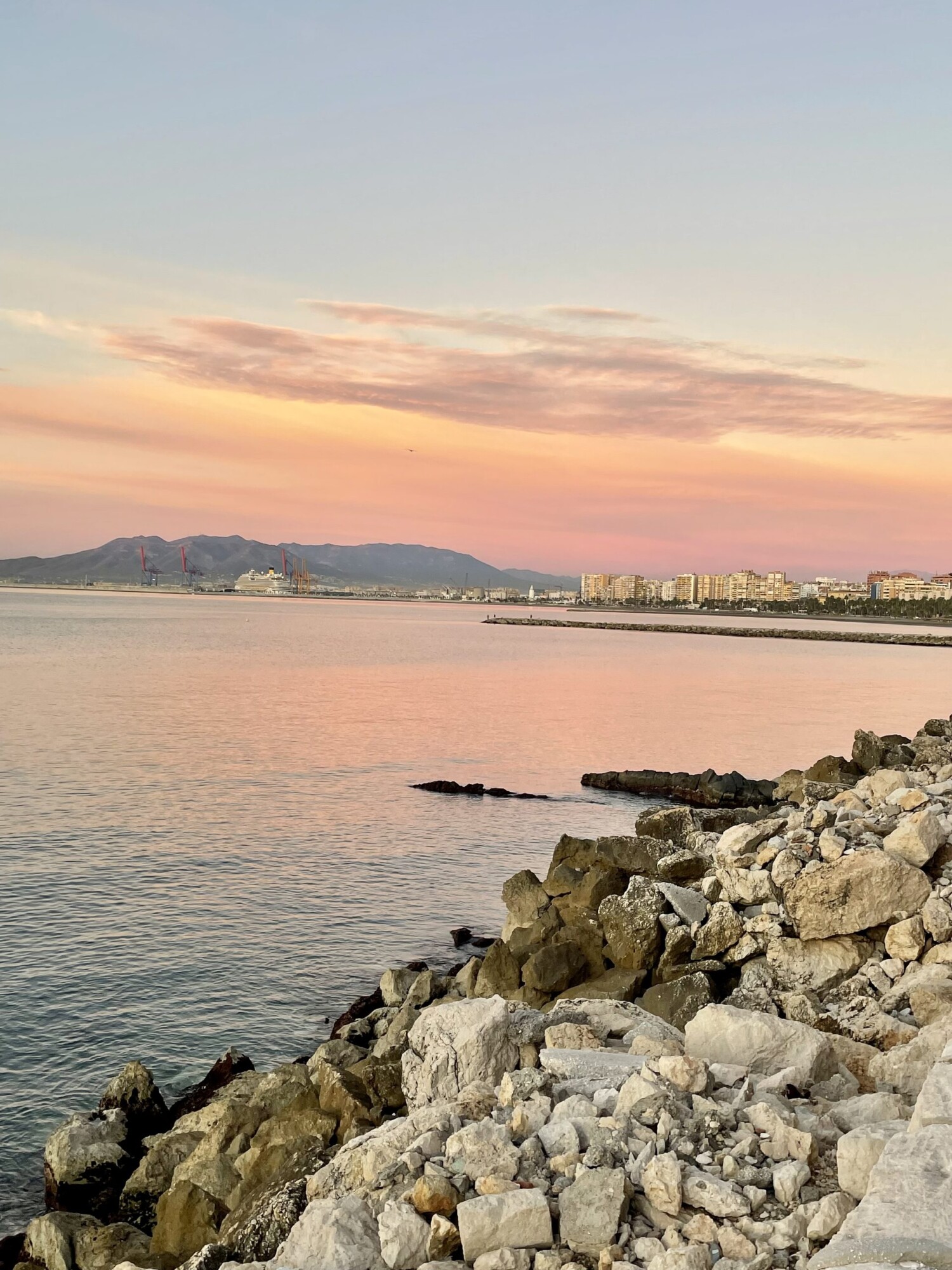
One of the biggest advantages of visiting Malaga is having beautiful beaches right on your doorstep. La Malagueta Beach, also known as Playa de la Malagueta, is the closest major beach to the historic center.
It’s approximately a 15 to 20-minute walk from the old town, making it easy to combine sightseeing with a few hours by the sea. The beach has a long stretch of sand, beach bars, restaurants, and plenty of space to lay out a towel.
Even if the weather isn’t warm enough for swimming, I’d still recommend walking along the promenade.
11. Explore Atarazanas Market and Muelle Uno
If you enjoy visiting local food markets, add Mercado de Atarazanas to your Malaga itinerary. Located near Calle Larios, this historic market is filled with stalls selling fresh seafood, colorful produce, olives, cheeses, and other local specialties.
I’d recommend visiting in the morning when the market is at its liveliest. Afterward, head toward Muelle Uno, Malaga’s modern waterfront promenade. Here, you’ll find restaurants, shops, and beautiful harbor views, along with the colorful glass cube marking the Center Pompidou Málaga, a contemporary art museum.
It’s a lovely area for an afternoon stroll, especially around sunset.
12. Take a Day Trip from Malaga
If you have more than two days in Malaga, I’d highly recommend exploring the surrounding region.
Here are a few of the best day trips from Malaga:
- Caminito del Rey: A spectacular hiking route along narrow boardwalks attached to cliffs above a dramatic gorge. Book tickets in advance.
- Ronda: A beautiful hilltop town famous for its dramatic gorge and Puente Nuevo bridge, approximately 1.5 to 2 hours away by car.
- Nerja: A charming coastal town known for its turquoise water, beautiful beaches, and famous Balcón de Europa viewpoint.
- Granada: Home to the world-famous Alhambra and one of Andalusia’s most beautiful historic cities. If you have the time, I highly recommend adding Granada to your Andalucia itinerary.
- Mijas: A picturesque whitewashed village with narrow streets and stunning views over the Costa del Sol.
FAQs About Visiting Malaga, Spain
When Is the Best Time of Year to Visit Malaga?
The best time to visit Malaga is during spring (April through June) or fall (September through October). During these months, temperatures are generally warm and pleasant, making them ideal for sightseeing. However, I’ve honestly been all year long and have always enjoyed it. In fact, because it has such mild weather, it can even be a great European city to visit in winter.
How Many Days Do You Need in Malaga?
I’d recommend spending two to three days in Malaga. Two days is enough to explore the main attractions, enjoy traditional tapas, and spend some time at the beach. If you’re planning on taking day trips to Ronda, Caminito del Rey, or Granada, consider staying four to five days.
What Are Some Hidden Gems in Malaga?
Some of Malaga’s best hidden gems include the coastal neighborhoods of Pedregalejo and El Palo, known for their traditional seafood restaurants. You can also explore Soho, Malaga’s creative arts district, famous for its colorful street art, or visit the beautiful Jardín Botánico Histórico La Concepción just outside the city center.
Is Malaga a Walkable City?
Yes! Malaga is a very walkable city, particularly around the historic center. Most of the main Malaga attractions, including the Alcazaba, Roman Theatre, Picasso Museum, Malaga Cathedral, and Calle Larios, are within walking distance of one another. The main exception is Gibralfaro Castle, which requires a steep uphill walk.
Final Thoughts: Is Malaga Worth Visiting?
Absolutely! Malaga is one of those destinations that offers a little bit of everything without feeling overwhelming.
You have centuries of history, beautiful architecture, incredible restaurants, Mediterranean beaches, and some of the best day trips in southern Spain all within easy reach.
My recommendation would be to spend your first day exploring the historic center, Alcazaba, Gibralfaro Castle, and Roman Theatre. On your second day, visit the Picasso Museum, wander through the market, and enjoy a long seafood lunch by the beach.
And if you have an extra day or two, venture beyond the city to discover more of Andalusia.
Whether you’re planning a weekend getaway or adding Malaga to a longer Spain itinerary, it’s a destination well worth visiting.


No Comments