
Throughout the past 10 years of living in Barcelona, I have spent countless weekends visiting Sevilla, Spain. I remember back in 2012 when I first came to Spain to study abroad I visited Sevilla on two separate occasions because I loved the city so much. In all honesty, I think it’s because this is what you picture Spain to be like in its truest, most authentic form.
There’s also something about Seville that makes you want to slow down and just enjoy the moment. Maybe it’s the orange trees lining the streets, the tiny tapas bars that always seem to be packed, or the fact that you can turn a corner and suddenly find yourself standing in front of an elaborate palace that’s been there for hundreds of years.
And while Seville has plenty of famous attractions, some of my favorite experiences here have been much simpler: walking along the river around sunset, getting completely turned around in Barrio Santa Cruz, or ordering one more round of tapas when I definitely didn’t need it.
Below are what I consider the best things to do in Seville, Spain, including the landmarks you absolutely shouldn’t miss, a few places that tend to fly under the radar, and some of my favorite ways to actually experience the city.
Short on time? Here are the best hotels in Sevilla, Spain:
- Hotel Alfonso XIII: Best for luxury. Seville’s most iconic five-star hotel, with gorgeous Moorish-inspired interiors and a prime location near the Alcázar and Cathedral.
- Corral del Rey: Best boutique stay. An intimate hotel tucked into the winding streets of the historic center, perfect if you want something romantic and full of character.
- Querencia de Sevilla: Best overall location. A polished, modern stay right by the Cathedral with a rooftop pool and views over Seville, ideal for first-time visitors.
Key Takeaways: Things to Do in Seville
These are the experiences I’d prioritize:
- Don’t miss: Real Alcázar, Seville Cathedral & La Giralda, and Plaza de España
- Best neighborhood to explore: Barrio Santa Cruz
- Best sunset: Las Setas or La Terraza de Eme
- Best cultural experience: See a flamenco show
- Best local experience: Explore Mercado de Triana
- Best underrated attraction: Palacio de las Dueñas
- Best free activity: Wander through María Luisa Park and Plaza de España
- How long you need: Three days is ideal for a first visit
- Biggest tip: Book the Alcázar and Cathedral in advance, especially during busy months
23 Best Things to Do in Seville
1. Tour the Real Alcázar of Seville
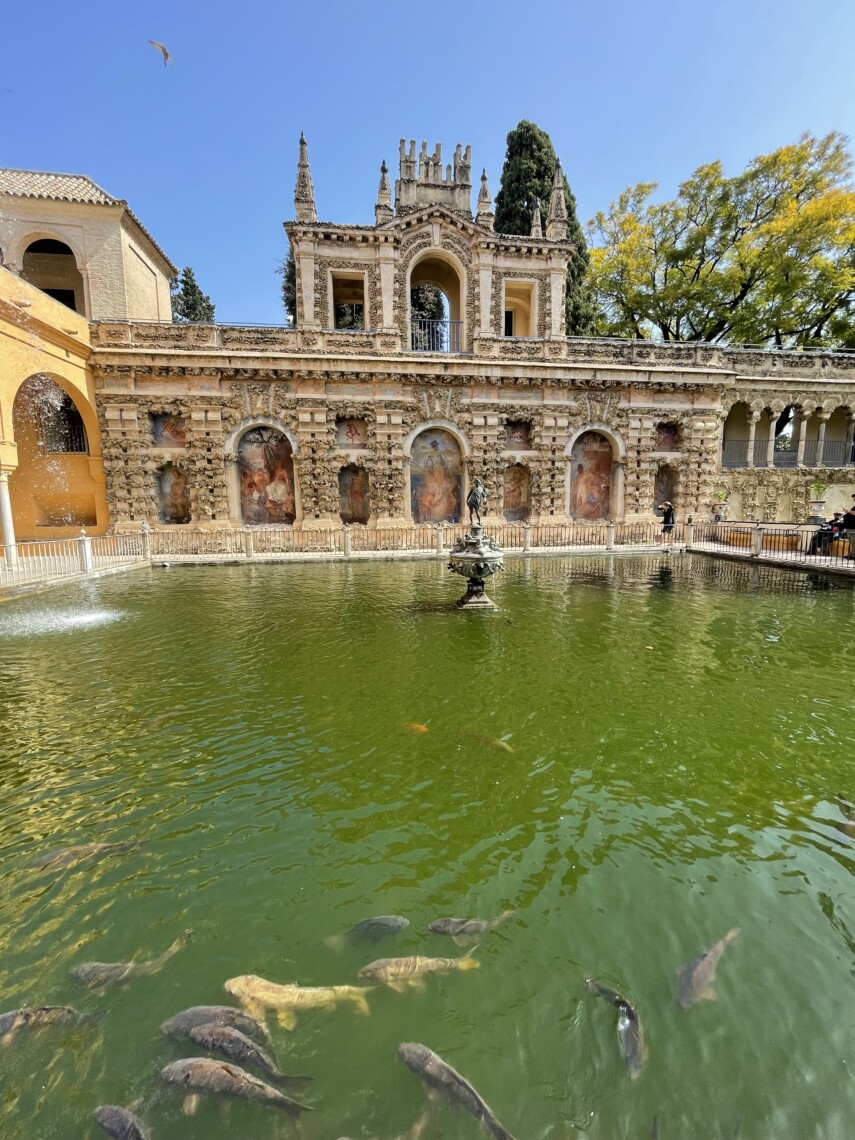
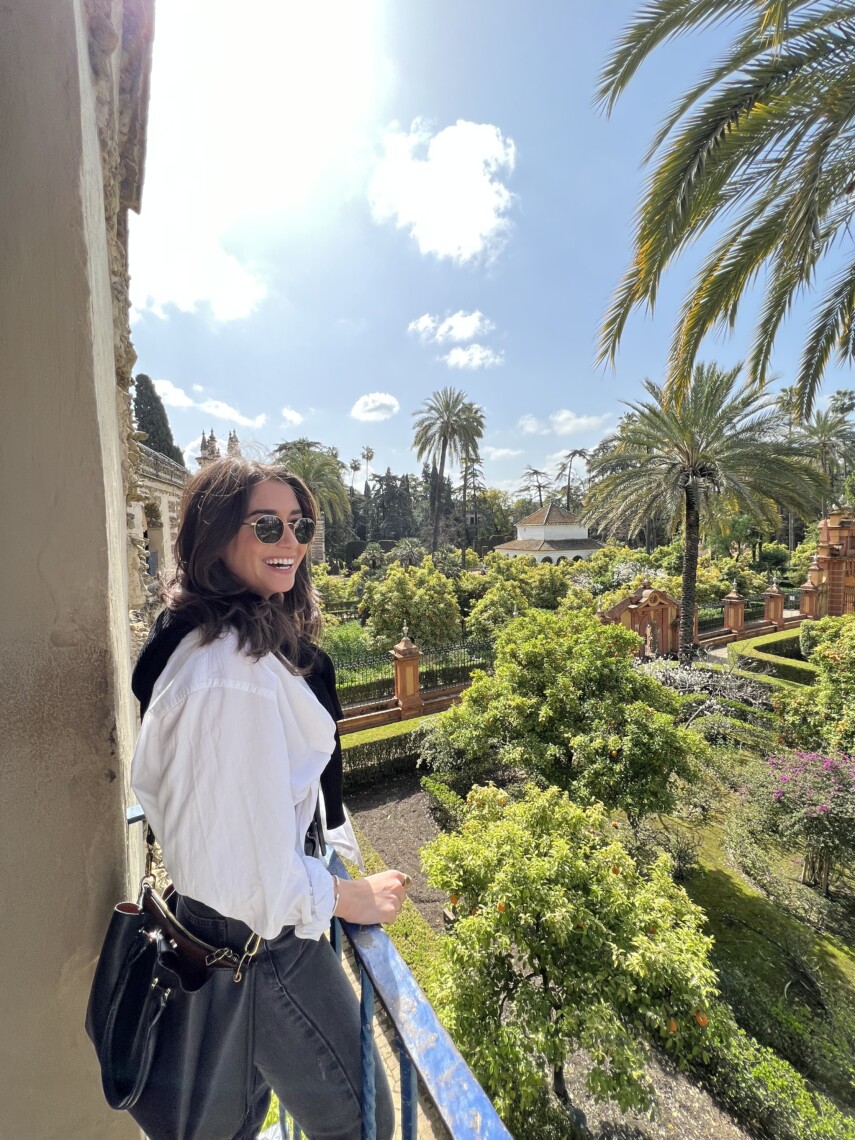
If there’s one attraction you absolutely shouldn’t miss in Seville, it’s the Real Alcázar.
Originally developed as a fortress and later transformed into a royal palace, the complex reflects centuries of Seville’s history through Islamic, Mudéjar, Gothic, Renaissance, and Baroque architecture. And it’s absolutely worth your time.
The intricate tilework and arches get most of the attention, but don’t rush through the gardens. They’re enormous and easily one of my favorite parts of the Alcázar Palace.
The Royal Alcázar is also still an official royal residence, making it one of the oldest royal palaces in Europe that remains in use today.
My tip: Buy your tickets online ahead of time. This is one Seville attraction where I wouldn’t recommend simply showing up and hoping for the best.
If you’re particularly interested in the history, this is also one place where paying for a guided tour can be worthwhile.
2. Visit Seville Cathedral
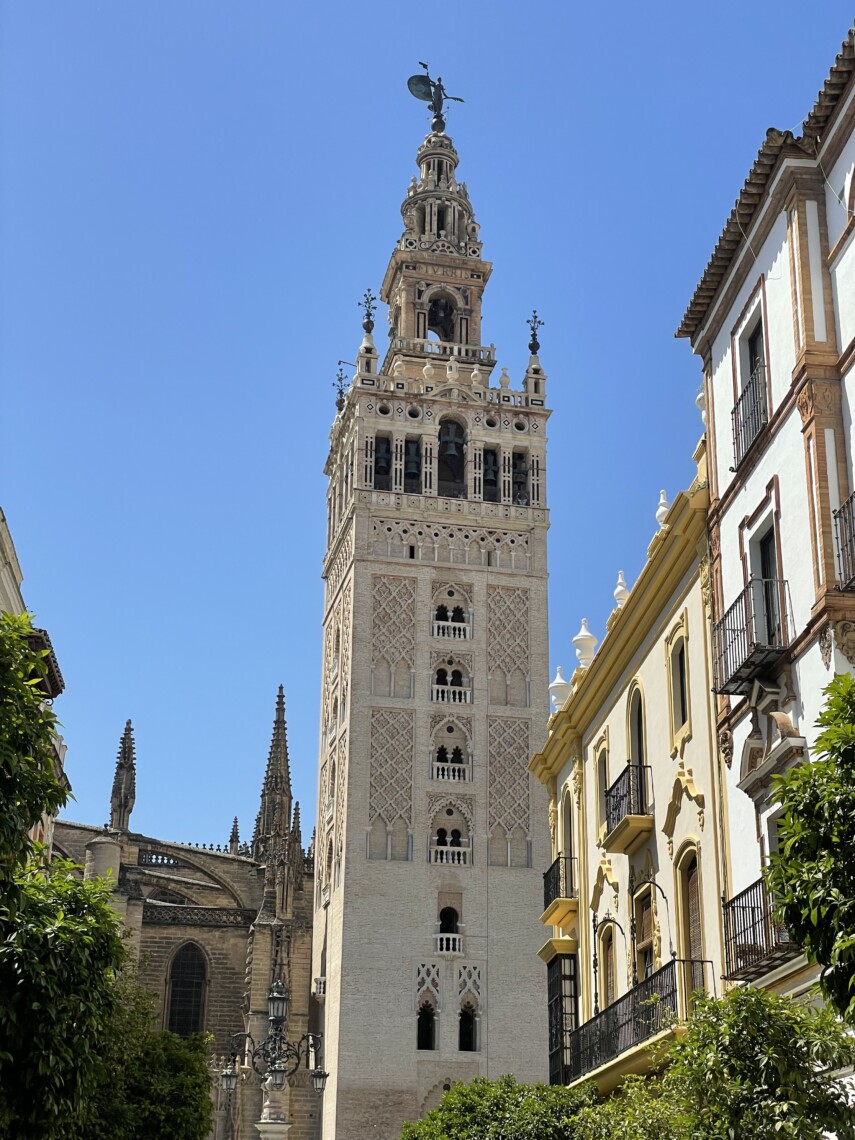
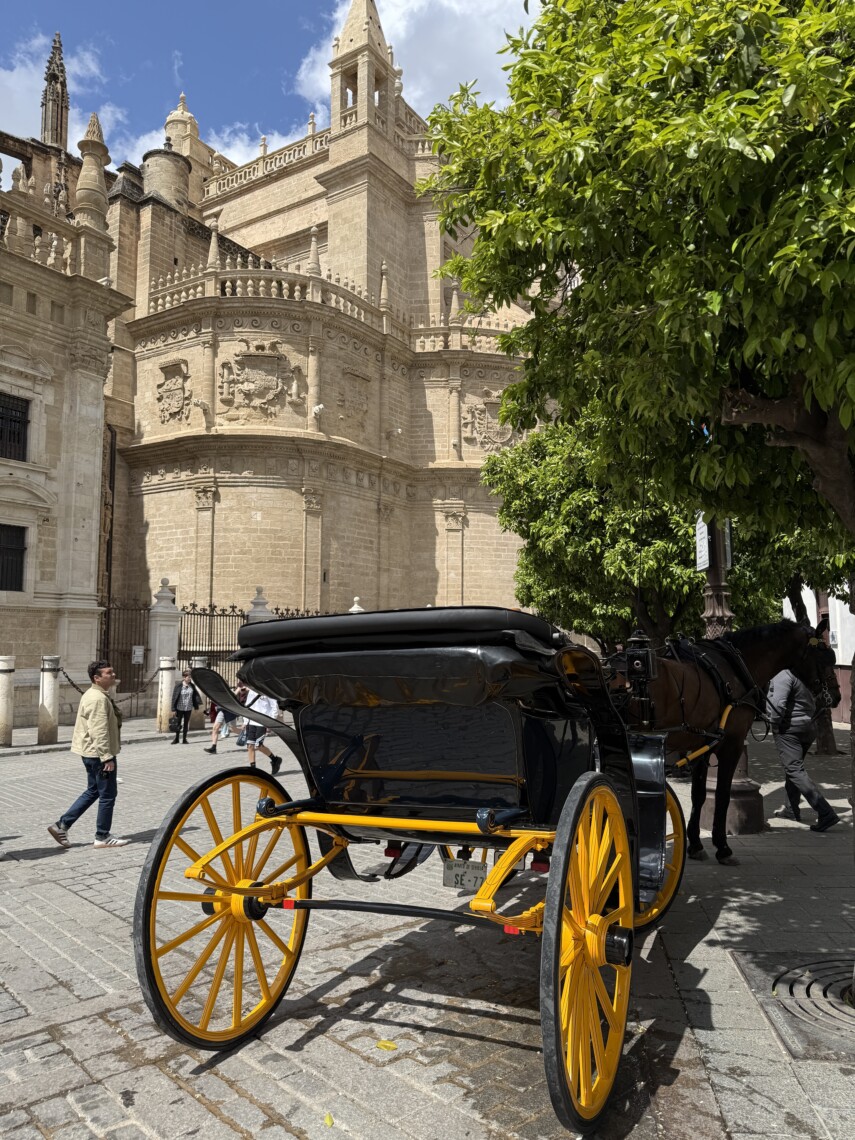
Right next door is another of the city’s heavy hitters: Seville Cathedral.
Built largely on the site of Seville’s former mosque, the Cathedral is enormous. In fact, it’s the largest Gothic cathedral in the world and forms part of Seville’s UNESCO World Heritage Site alongside the Alcázar and Archive of the Indies.
Inside you’ll find elaborate chapels, an enormous Gothic altarpiece, the Patio de los Naranjos, and the tomb traditionally identified as that of Christopher Columbus.
Even if you’re not usually someone who spends much vacation time touring churches, this one is worth seeing.
My tip: Combine your Cathedral visit with La Giralda. You’ll want tickets for both anyway, and they make sense to experience together.
3. Climb La Giralda
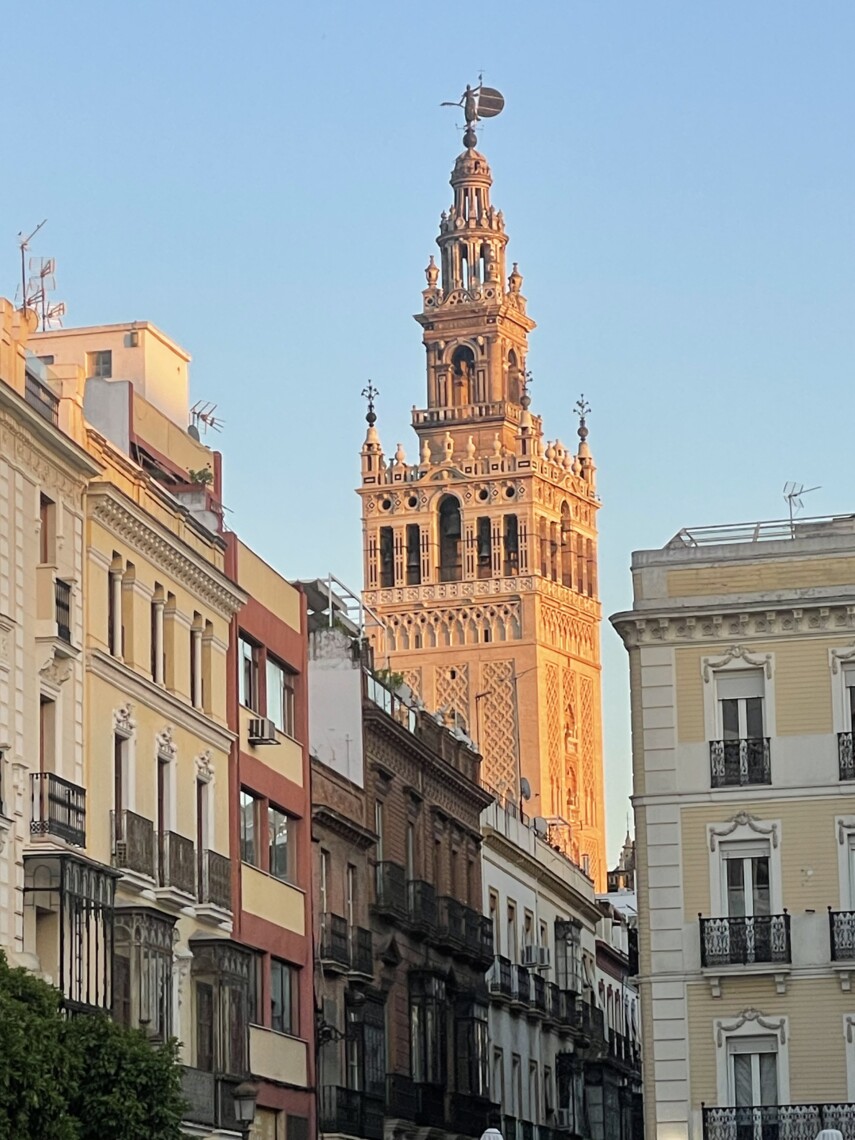
The Giralda Tower is attached to Seville Cathedral, but it deserves its own spot on this list.
La Giralda originally served as the minaret of the mosque that once stood here before eventually becoming the Cathedral’s bell tower.
And here’s the interesting part: rather than climbing endless flights of stairs, you’ll walk up a series of ramps.
Historically, the design allowed people to ascend the tower on horseback.
Once you reach the top of La Giralda, you’ll be rewarded with views across Seville’s terracotta rooftops. I’d absolutely include this on a first-time Seville itinerary.
4. Wander Around Barrio Santa Cruz
Once you’ve finished exploring the Alcázar and Cathedral, don’t immediately rush off to another monument. Spend some time getting lost in Barrio Santa Cruz.
Seville’s former Jewish quarter is filled with narrow streets, whitewashed buildings, tiled courtyards, tiny plazas, and orange trees. And for me, this is one of the most beautiful neighborhoods in all of Sevilla.
The best way to experience Santa Cruz is without much of a plan. Wander through the streets, stop when somewhere looks interesting, and eventually find your way back toward the Cathedral.
5. See Plaza de España
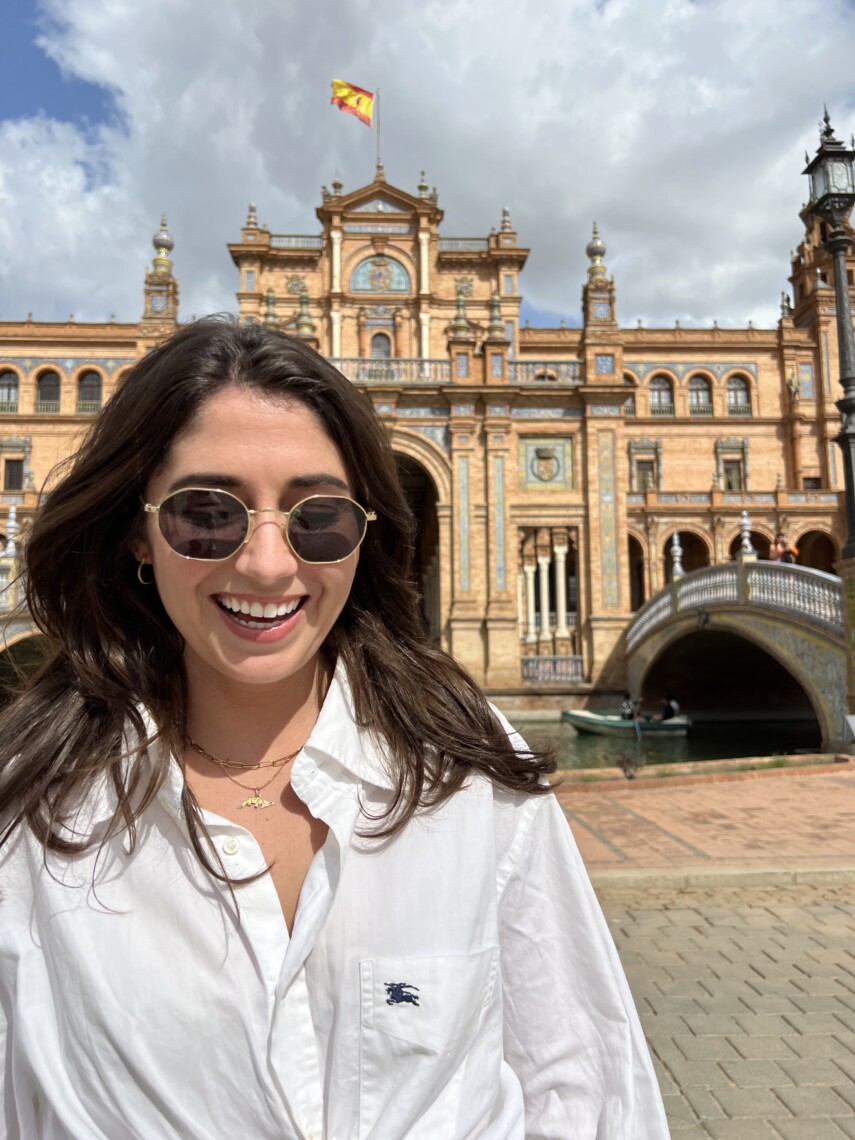
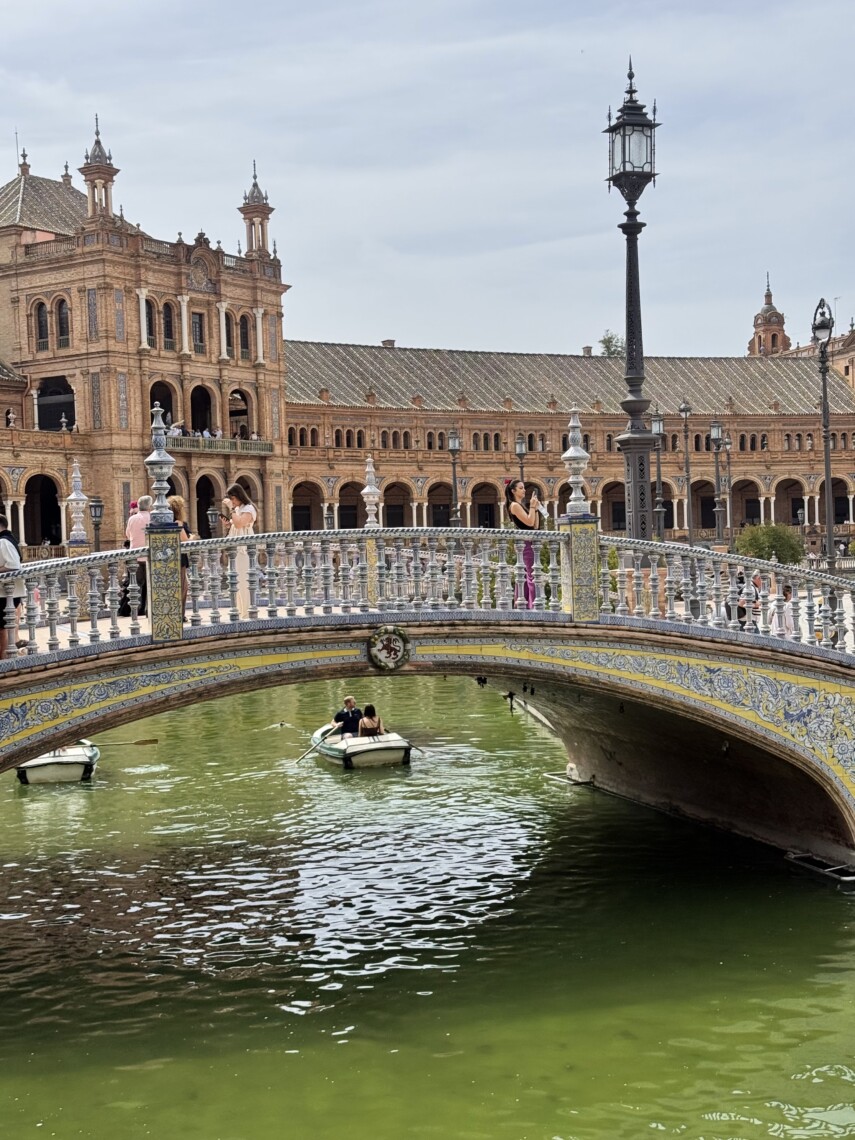
Plaza de Espana is really like the crown jule of Sevilla. This enormous semicircular plaza is covered in colorful ceramic tiles, bridges, fountains, and elaborate architectural details.
Along the building you’ll find tiled alcoves representing different Spanish provinces, and there’s a canal running around part of the plaza.
It’s one of the most recognizable Seville attractions for good reason. Go earlier in the morning if you want to experience it when it’s quieter. Otherwise, late afternoon is beautiful too.
6. Walk Through María Luisa Park
When visiting Plaza Espana, make sure you save some time for Maria Luisa Park. The plaza sits inside María Luisa Park, one of the prettiest green spaces in central Seville.
You’ll find fountains, shaded pathways, ponds, tiled benches, gardens, and plenty of places to escape the sun for a while. This is particularly nice if you’re visiting during warmer months and need a break between attractions. Better yet, walking through the park is completely free.
7. Watch the Sunset From Las Setas
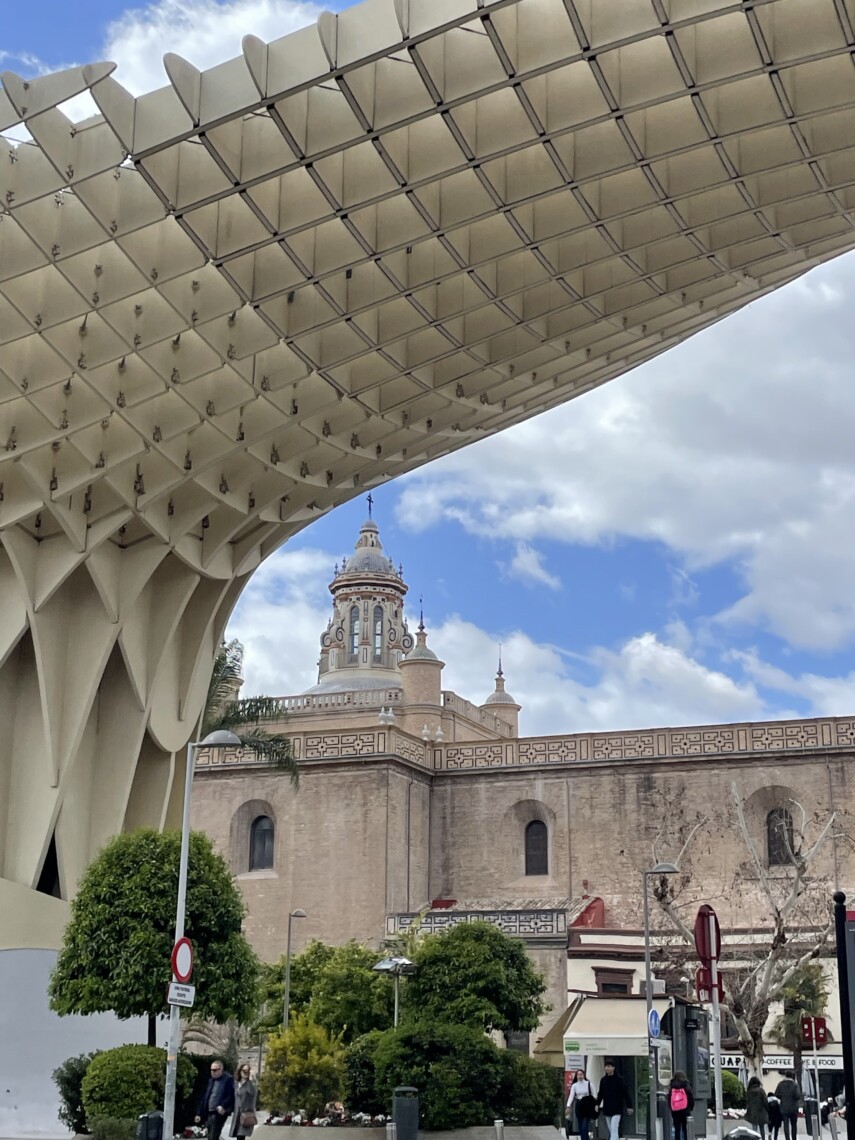
Seville isn’t all palaces and Gothic churches. Las Setas, officially known as Metropol Parasol, is a huge wooden structure towering over Plaza de la Encarnación.
It’s very modern and feels a little out of place for such a traditional city but it’s still a great stop if you want to see Sevilla from above. You can walk along the elevated pathway for panoramic city views, but I particularly recommend timing your visit around sunset.
There’s also Mercado de la Encarnación underneath, so you can explore the market before heading up.
8. Cross the River Into Triana
You haven’t really experienced Seville if you never cross the river.
Walk across Triana Bridge, officially Puente de Isabel II, and spend a few hours exploring one of Seville’s most famous neighborhoods.
Triana has long been associated with ceramics, sailors, flamenco, and working-class Sevillanos. Today you’ll find ceramic shops, tapas bars, restaurants, markets, and colorful streets that feel noticeably different from Barrio Santa Cruz.
9. Explore Triana Market
Right beside the bridge is Triana Market, or Mercado de Triana.
This is an easy stop while exploring the neighborhood and a good place to see a more everyday side of Seville.
You’ll find stalls selling produce, meat, fish, cheese, and other local products alongside places where you can grab something to eat.
10. See a Flamenco Show
Watching flamenco performed live is one of those experiences that can sound touristy until you actually see a great performance. Flamenco has deep roots in Andalusia, and Seville is one of the best places in southern Spain to experience it.
You’ll find everything from intimate performances to larger tablaos throughout the city, particularly around Triana and Santa Cruz.
My tip: Look for a smaller venue where the focus is actually on the music and dancing rather than dinner and a show. You can book flamenco tickets here.
11. Walk Along the Guadalquivir River
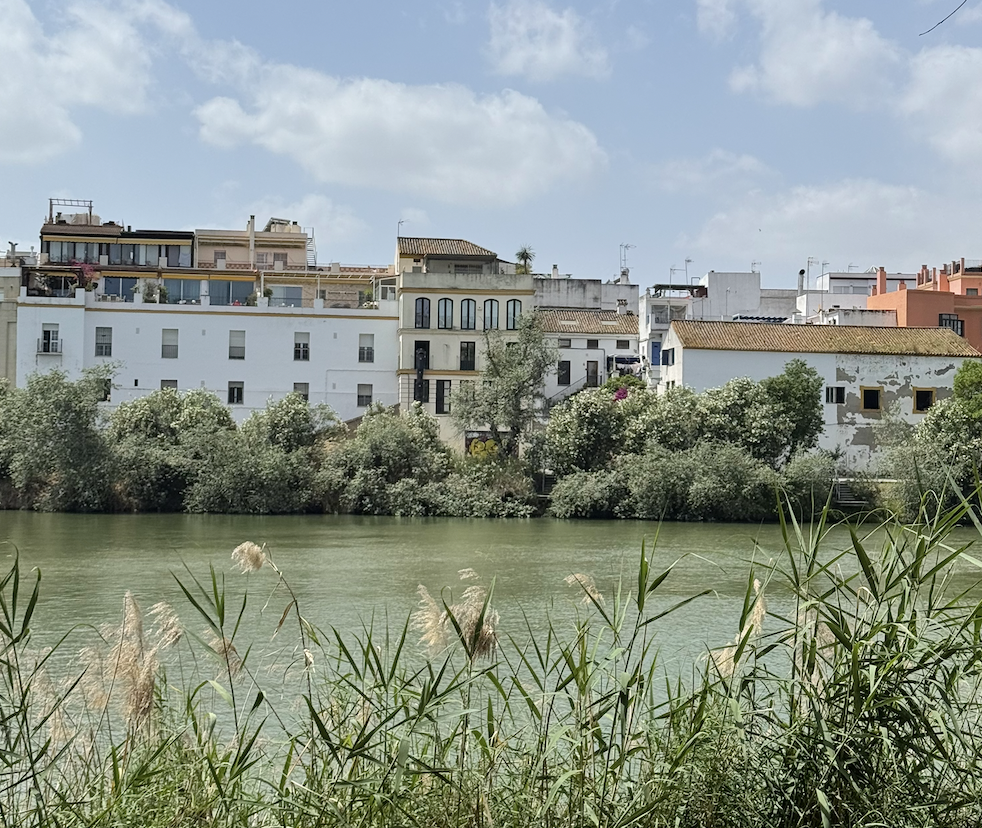
Not every item on your itinerary needs an entrance ticket.
One of the simplest, and best, things to do in Seville is walk along the Guadalquivir River.
Start around the Torre del Oro and make your way toward Triana Bridge. You’ll have views across the river toward Triana, plenty of places to stop for a drink, and a completely different perspective of the city.
I particularly like doing this in the late afternoon or early evening. From here, cross into Triana and continue along Calle Betis for sunset.
12. Visit Palacio de las Dueñas
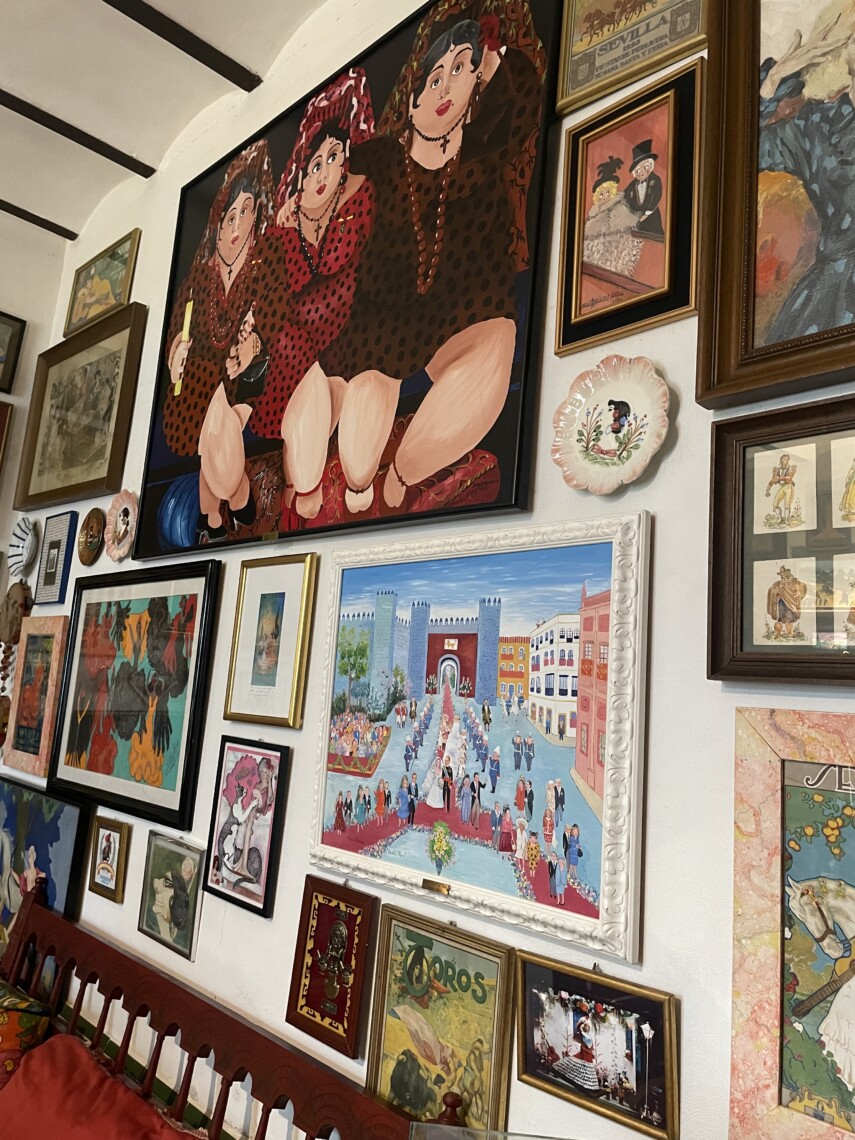
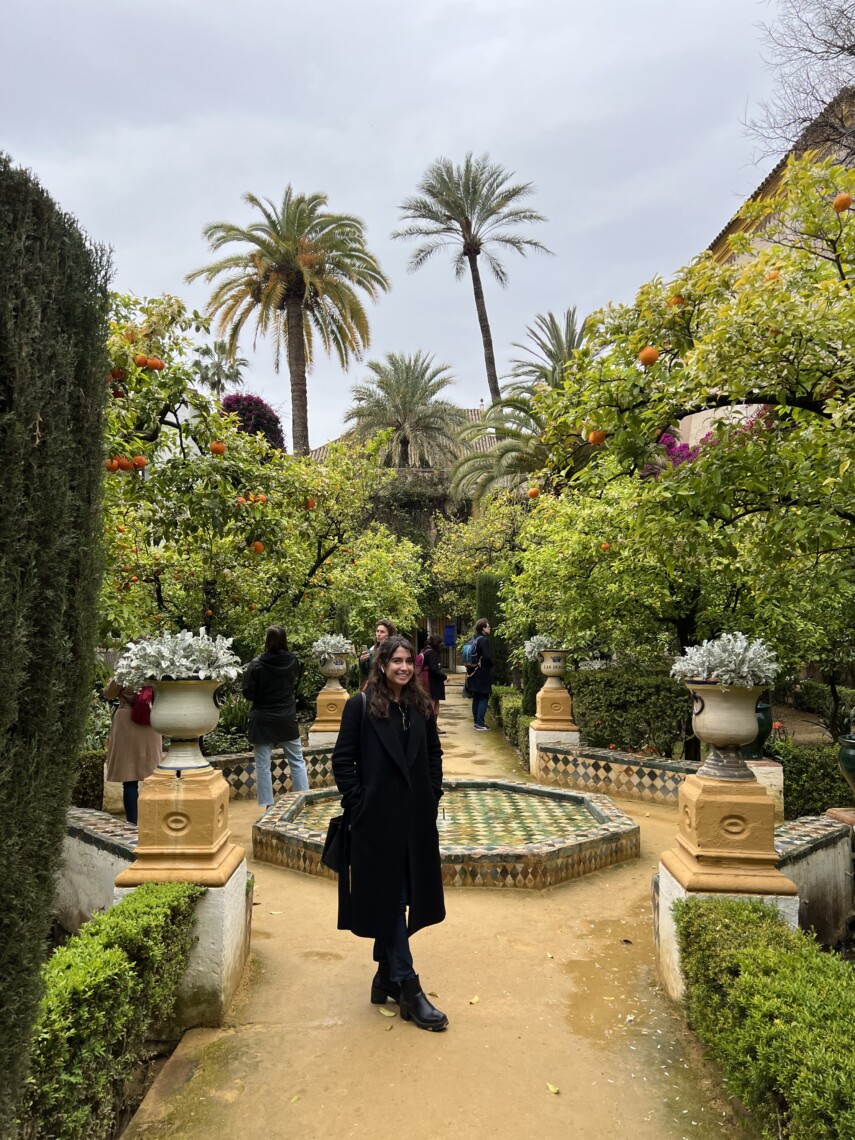
If you’ve already visited the Alcázar and want to see another beautiful Andalusian palace, head to Palacio de las Dueñas.
This one doesn’t get nearly the same level of attention as the Royal Alcázar, which is part of what makes it so enjoyable.
Inside you’ll find courtyards, gardens, antique furniture, artwork, colorful tilework, and the kind of traditional Andalusian architecture that makes you want to photograph every doorway.
If you’re interested in seeing a traditional Seville patio, I’d put this high on your list.
13. Tour Casa de Pilatos
Another palace worth knowing about is Casa de Pilatos.
The building combines Mudéjar, Gothic, and Renaissance influences and is filled with intricate tiles, sculptures, courtyards, and gardens.
If you only have one or two days, prioritize the Real Alcázar. But if you have three or four days and enjoy architecture, Casa de Pilatos is a great addition, especially because it tends to feel calmer than Seville’s main attractions.
14. Eat Your Way Through Seville’s Tapas Bars
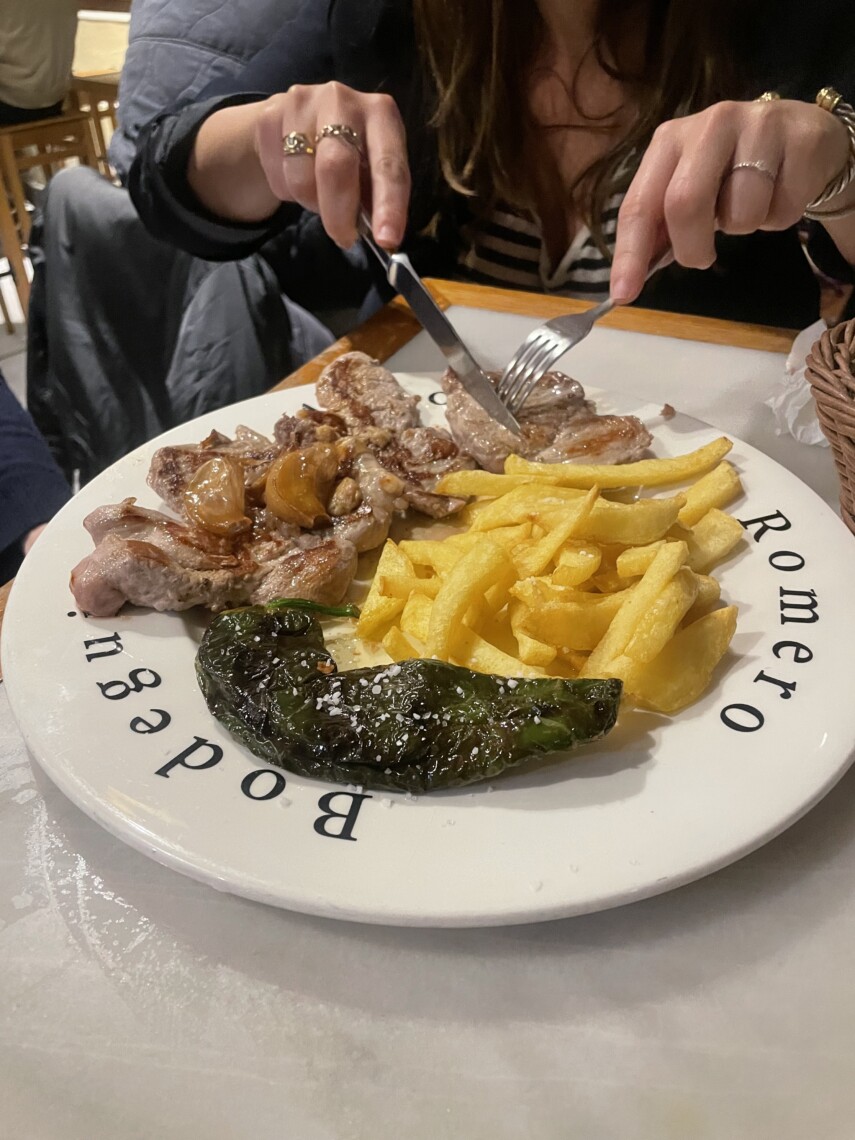
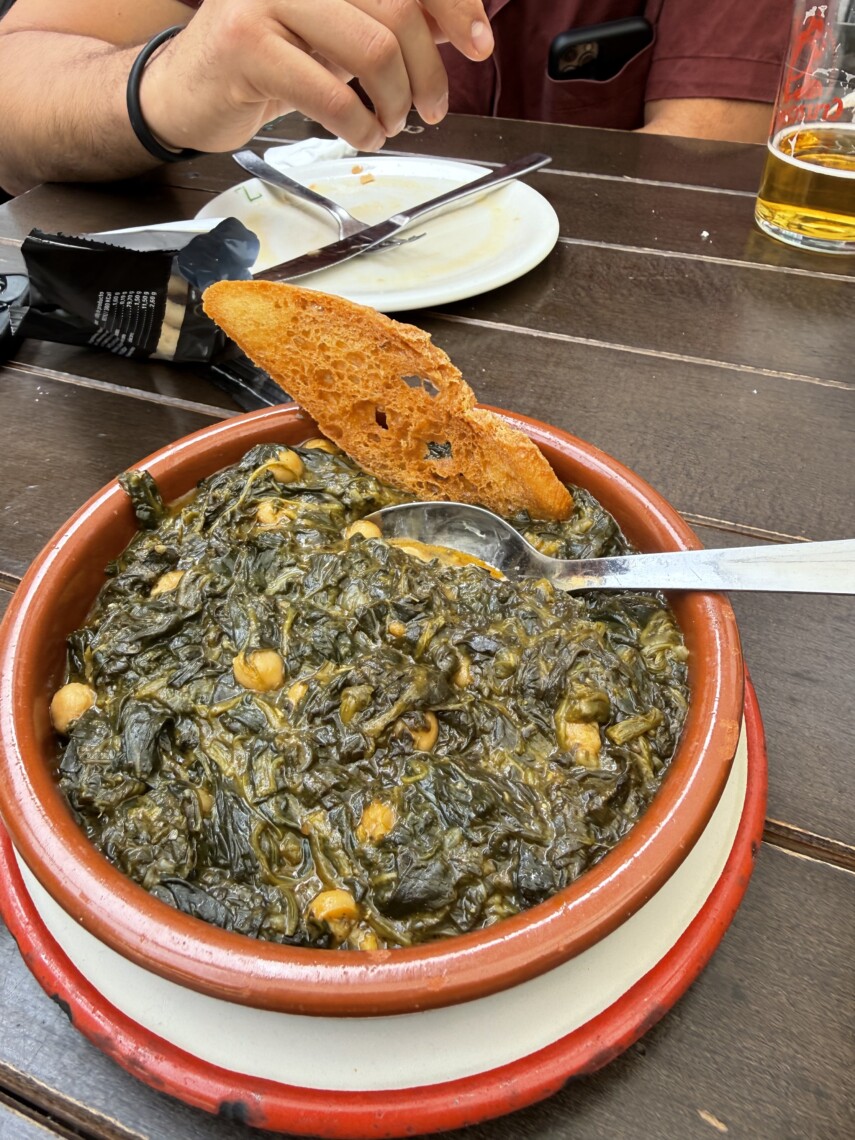
I firmly believe eating counts as sightseeing in Seville. Why? Because they have some of the best tapas bars in all of Spain.
Rather than booking one big dinner every night, spend at least one evening hopping between tapas bars and ordering a dish or two at each.
Some of my favorite dishes to look for include:
- Espinacas con garbanzos
- Croquetas
- Solomillo al whisky
- Montaditos
- Cazón en adobo
- Pescadito frito
- Gambas al ajillo
Here are a few of my favorite restaurants in Sevilla, Spain:
- El Rinconcillo
- Taberna Zurbaran
- Casa Ricardo
- Bar Postiguillo
- Espacio Eslava
- Antonio Romero
- Los Coloniales
- Mamarracha
15. Take a Seville Food Tour
If you want some context behind what you’re eating, consider joining a food tour early in your trip.
There are many tours on Get Your Guide or Viator that offer guided food experiences around the city, but you’ll find several options depending on whether you’re more interested in tapas, markets, wine, or cooking.
A food tour can be particularly useful on your first day because you’ll learn what to order, and where to go back later.
Alternatively, book a Spanish cooking class and learn how to make a few dishes yourself.
16. Walk Along Calle Betis at Sunset
If you’re already in Triana, make your way toward Calle Betis before sunset.
The colorful buildings lining the river make this one of Seville’s prettiest waterfront streets, with views across the Guadalquivir toward the historic center.
There are plenty of bars and restaurants along the street if you want to stop for a drink.
17. Visit the Plaza de Toros
Seville’s Plaza de Toros de la Real Maestranza is one of Spain’s most famous bullrings.
Bullfighting is understandably controversial, and you certainly don’t need to attend a fight to visit the site. The bullring and museum offer insight into a tradition that has played a significant role in Andalusian history and culture.
If the subject doesn’t interest you, I’d skip it. However, the bullring itself is beautiful to see.
18. Wander Calle Feria & Feria Market
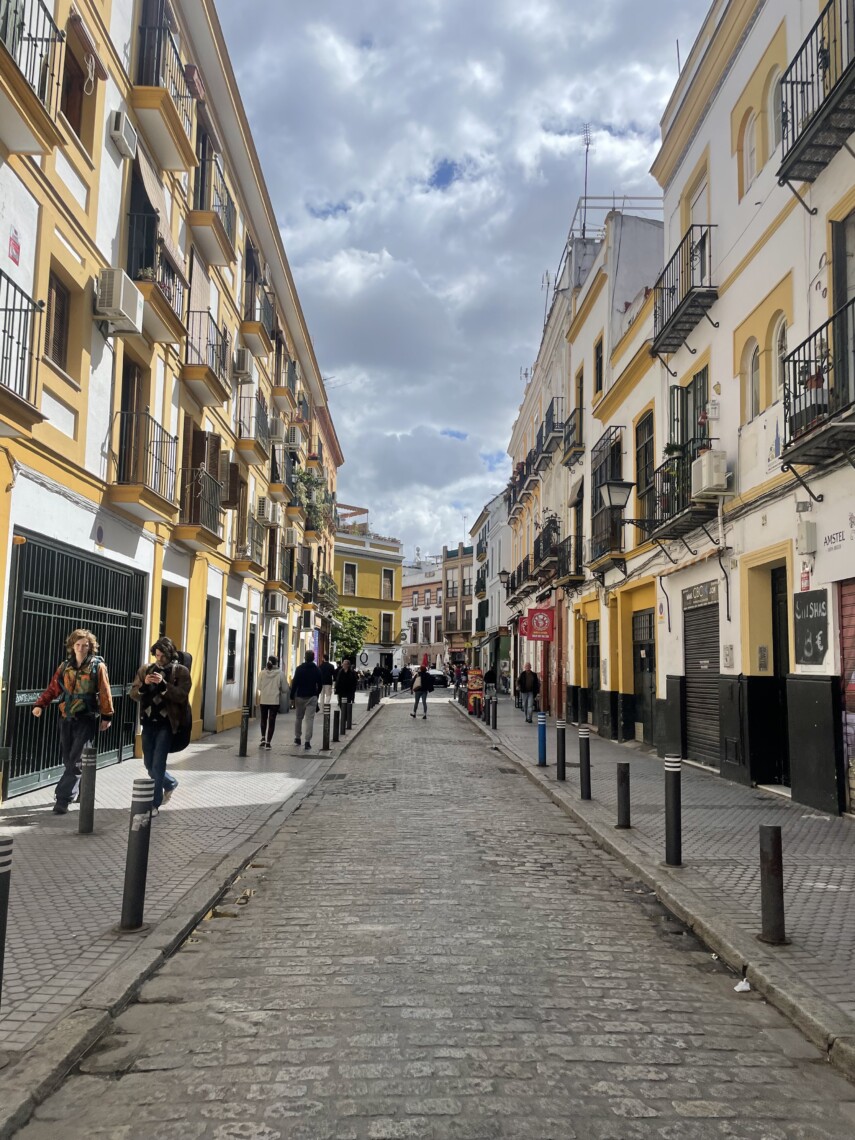
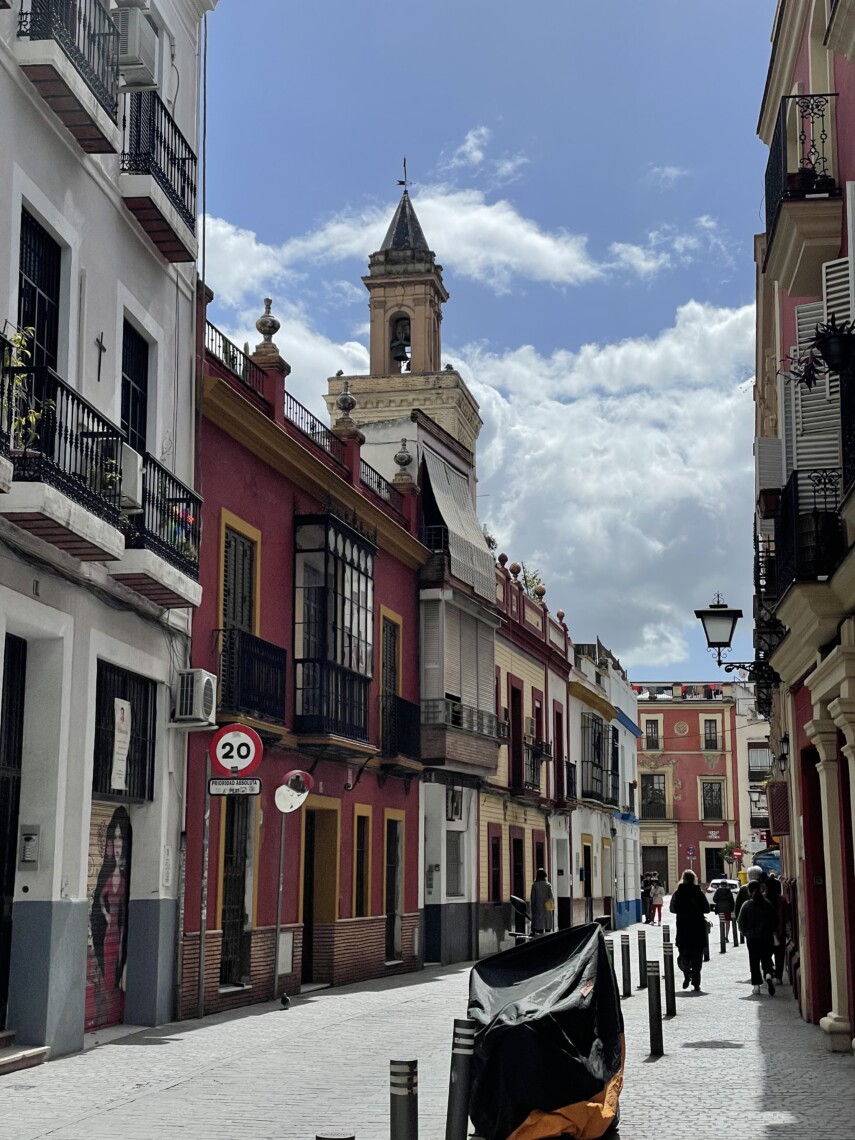
Want to get slightly farther from the busiest tourist streets? Head north toward Calle Feria.
This area feels noticeably more local than the streets surrounding Seville Cathedral and has an eclectic mix of traditional bars, vintage shops, cafés, and independent businesses.
Mercado de Feria is also worth popping into. Combine Calle Feria with Alameda de Hércules and the San Lorenzo area for an afternoon exploring different neighborhoods of Seville.
19. Explore Alameda de Hércules
La Alameda is one of my favorite areas to recommend if you want to experience Seville beyond the major attractions. The enormous pedestrian plaza is lined with bars, cafés, restaurants, and nightlife.
During the day, it’s relaxed. At night, things get considerably livelier. Come up here for dinner or drinks and you’ll see a younger, more contemporary side of the city than you’ll find around Santa Cruz.
20. Walk Down Calle Sierpes
If you want to do some shopping, walk through Calle Sierpes in El Centro.
This pedestrian shopping street runs through the heart of Seville and is surrounded by shops, cafés, and historic buildings.
It’s not something I’d necessarily put on a sightseeing itinerary by itself, but you’ll likely pass through the area while exploring central Seville anyway.
Pair it with nearby Plaza del Salvador and the Church of El Salvador.
21. Simply Wander Around Seville
I’m ending this list with something that sounds ridiculously obvious.
Leave yourself an hour without a destination. Walk through the old town. Turn down streets because they look pretty. Stop at a tapas bar because it’s busy. Sit in a plaza. Look inside an open courtyard. The famous attractions are worth seeing, but some of the best moments in Seville happen between them. Spend an afternoon bar hopping, try churros con chocolate in a local bar, or just sit by the river and take in the city’s relaxed atmosphere.
22. Eat Churros con Chocolate in a Local Bar
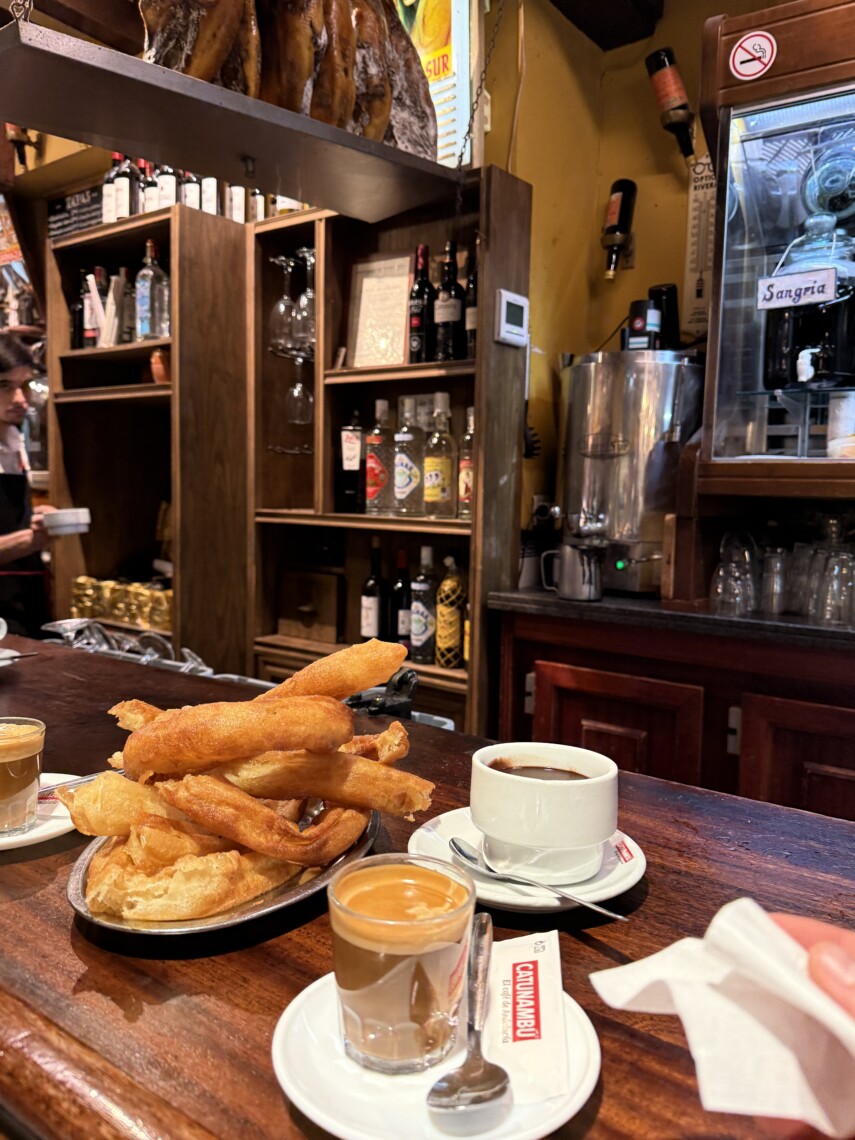
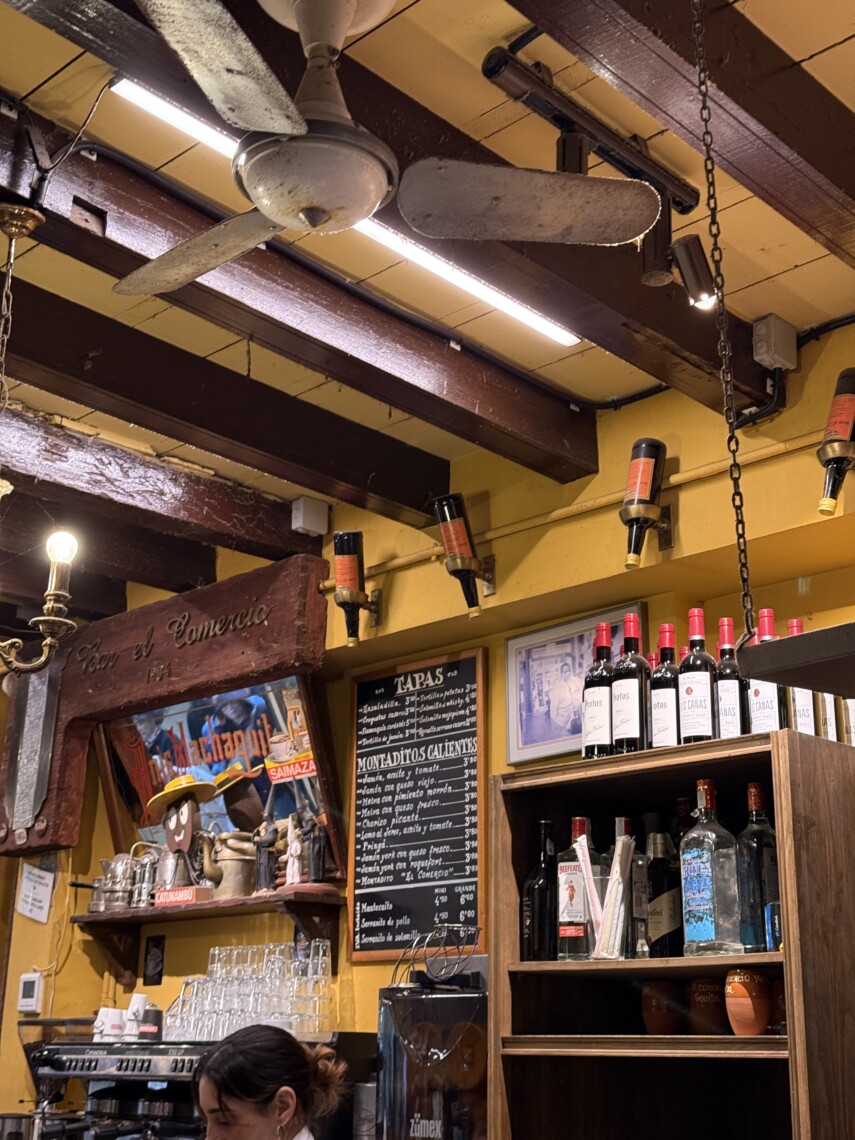
You really can’t come to Spain without having churros con chocolate at least once, and Bar El Comercio is one of the classic places to try them in Seville.
This traditional café has been around since the early 1900s and is particularly famous for its freshly made churros. Order a plate with a cup of thick hot chocolate for dipping and, if you can, grab a spot at the bar for the full experience.
It’s located right in the historic center, so it’s also an easy stop to squeeze in between sightseeing. I personally like stopping here in the afternoon when you need a little break (and sugar) after walking around the city all day.
23. Experience Semana Santa or Feria de Abril
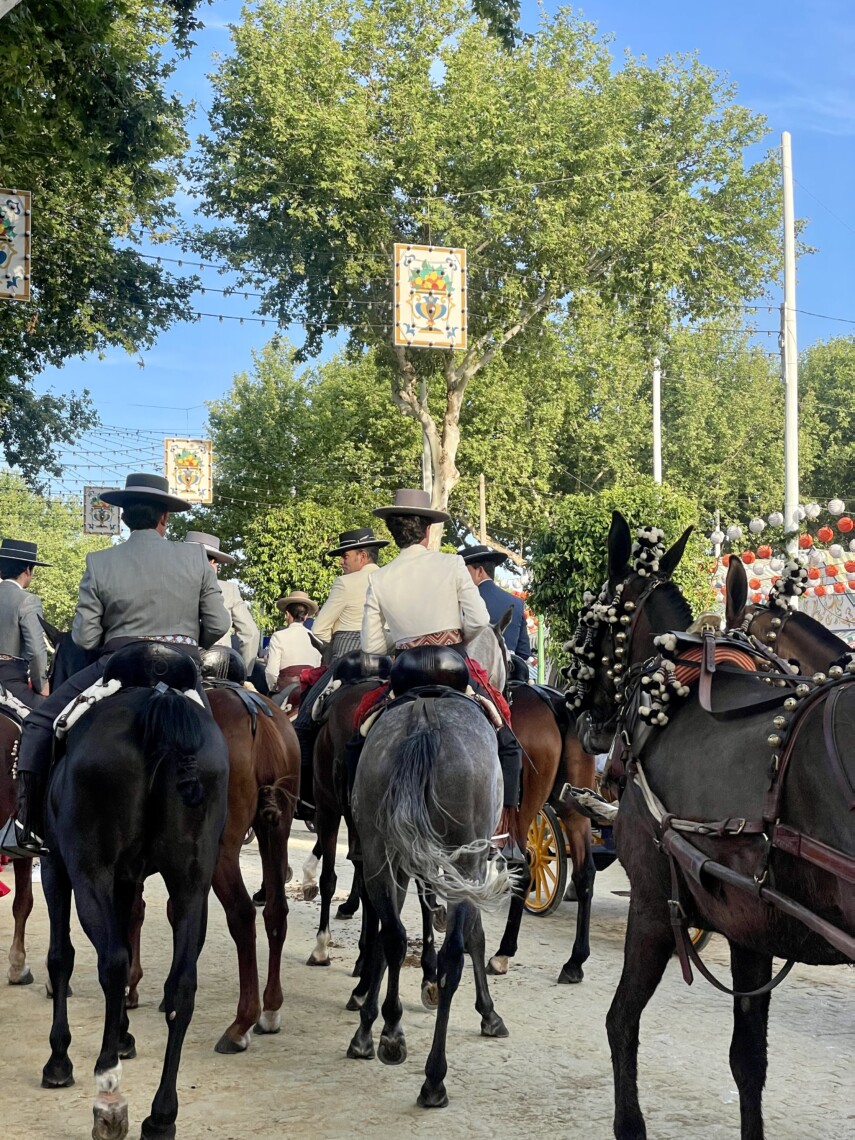

If your dates are flexible, one of the most memorable times to visit Seville is during one of the city’s major annual celebrations: Semana Santa or Feria de Abril.
Semana Santa takes place during the week leading up to Easter and completely transforms the city. Elaborate religious processions move through the streets throughout the week, with enormous floats, marching bands, and crowds gathering along the routes. It’s an incredibly important tradition in Seville and unlike anything you’ll experience during a normal week in the city.
Shortly afterward comes Feria de Abril, when Seville swaps the solemn processions for colorful flamenco dresses, dancing, music, horses, food, and late-night celebrations.
Both are extremely busy times to visit, so you’ll want to book your hotel well in advance. But if you want to experience some of Seville’s most famous traditions firsthand, planning your trip around one of these celebrations is pretty hard to beat.
Check out my full guide here: Complete Guide to La Feria in Sevilla, Spain
Best Free Things to Do in Seville, Spain
You don’t need to spend much to enjoy Seville.
Some of my favorite free things to do include:
- Explore Plaza de España
- Walk through María Luisa Park
- Wander around Barrio Santa Cruz
- Walk along the Guadalquivir River
- Cross the Triana Bridge
- Explore Triana and Calle Betis
- Walk through Alameda de Hércules
- Explore Calle Feria
- Wander through El Centro and Calle Sierpes
If you’re traveling on a budget, balance paid attractions like the Alcázar and Cathedral with these free experiences.
Best Things to Do in Seville With Kids
Seville can work really well as a family destination because it’s walkable and there are plenty of outdoor spaces between historic attractions.
I’d prioritize:
- Plaza de España: Lots of open space and the famous canal.
- María Luisa Park: Perfect when everyone needs a break from sightseeing.
- Las Setas: The elevated walkway and views make this more interactive than another historic building.
- Triana Market: An easy, quick stop rather than a lengthy museum.
- Guadalquivir River: Walk, cycle, or look into a river cruise.
- Royal Alcázar gardens: There’s much more room to explore than inside a traditional museum.
If you’re traveling during summer, plan outdoor activities early in the morning or later in the evening. Seville’s afternoon heat is no joke.
How Much Time Do You Need to See Seville?
For your first trip, I think three days in Seville is ideal.
With one day, you can technically see the Cathedral, Alcázar, Santa Cruz, and Plaza de España, but you’ll be rushing. Two days gives you enough time for the major landmarks plus Triana and a flamenco show. While three days lets you actually enjoy the city.
A basic Seville itinerary could look something like this:
Day 1: Real Alcázar → Seville Cathedral → La Giralda → Barrio Santa Cruz → flamenco
Day 2: Plaza de España → María Luisa Park → Guadalquivir River → Triana Market → Triana → Calle Betis
Day 3: Palacio de las Dueñas or Casa de Pilatos → Las Setas → Calle Feria/Alameda → tapas
Have four or five days?
That’s when I’d consider adding a day trip. Córdoba, Cádiz, Jerez de la Frontera, and Ronda are all possibilities depending on your interests and transportation plans.
FAQ: Things to Do in Seville, Spain
What are the best things to do in Seville, Spain?
For a first trip, prioritize the Real Alcázar, Seville Cathedral and La Giralda, Plaza de España, Barrio Santa Cruz, Triana, Las Setas, and a flamenco show. These give you a great introduction to Seville’s history, architecture, food, and culture.
What should you not miss in Seville?
If you only have one day, don’t miss the Royal Alcázar, Seville Cathedral, Giralda Tower, and Plaza de España. Spend whatever time you have left walking through Barrio Santa Cruz and enjoying tapas.
Is Seville worth visiting?
Yes. Seville is one of the best cities to visit in southern Spain, particularly if you enjoy architecture, food, history, flamenco, and destinations you can explore primarily on foot.
Is two days enough for Seville?
Two days is enough to see Seville’s major attractions, but three days is better. An extra day gives you time to explore neighborhoods like Triana and Alameda without turning your trip into a checklist.
What can you do in Seville for free?
Some of the best free things to do in Seville include visiting Plaza de España, walking through María Luisa Park, exploring Barrio Santa Cruz, crossing into Triana, and walking along the Guadalquivir River.
What is Seville best known for?
Seville is best known for the Real Alcázar, Seville Cathedral and La Giralda, Plaza de España, flamenco, tapas, orange-tree-lined streets, Semana Santa, and Feria de Abril.
Do you need to book Seville attractions in advance?
I’d book Real Alcázar and Seville Cathedral tickets in advance, especially during spring, fall, weekends, and holidays. Other attractions are generally easier to plan around once you’re there.
What is the best time to visit Seville?
Spring and fall are generally the best times to visit Seville for sightseeing. Summer can be extremely hot, particularly in July and August, while winter is cooler but typically much milder than many other European destinations.
What are the best day trips from Seville?
Popular day trips from Seville include Córdoba, Cádiz, Jerez de la Frontera, Ronda, and the White Villages of Andalusia. Córdoba is particularly convenient if you’re traveling by high-speed train.
Final Thoughts on What to Do in Seville
If you’re looking at this list thinking you need to squeeze all 21 things into a weekend, don’t.
For a first trip, focus on the heavy hitters: the Real Alcázar, Cathedral and La Giralda, Plaza de España, Santa Cruz, and Triana. Add a flamenco show, spend an evening hopping between tapas bars, and leave enough empty space in your itinerary to simply wander.
While the landmarks are incredible, the city isn’t a place I think you should experience entirely through reservations and timed tickets.
Some of my favorite memories here aren’t from inside a palace or museum. They’re from sitting outside over tapas, getting lost along the cobbled stone streets, and hopping from one tapas bar to the next without any itinerary.
Planning a trip to Sevilla, Spain this year? Check out my latest articles to help get you started:



No Comments