
If you’re planning a trip through southern Spain, you might be wondering: is Seville worth visiting? After nearly 10 years of visiting the city, my answer is an easy yes. I live in Barcelona, but Seville is one of those places I keep finding an excuse to return to, and somehow, it hasn’t lost its charm (even after coming here the past 10ish years!).
For me, Seville is one of the best cities in Spain if you’re looking for culture, affordability, walkability, beautiful architecture, and traditions that still feel like part of everyday life. You’ll find grand palaces and famous monuments, of course, but you’ll also find tiny tapas bars packed with locals, orange trees lining the streets, flamenco, tiled courtyards, and neighborhoods that are best explored without much of a plan.
There are a couple of downsides. The most popular attractions can get crowded during peak travel seasons, and summer in Seville is seriously hot. But come at the right time of year, give yourself a few days, and I think Seville is easily one of the most rewarding Spanish cities to visit.
This article contains affiliate links, which means I may earn a small commission at no additional cost to you. Thank you for supporting my blog!
Short on time? Here are the best hotels in Sevilla, Spain:
- Hotel Alfonso XIII: Best for luxury. Seville’s most iconic five-star hotel, with gorgeous Moorish-inspired interiors and a prime location near the Alcázar and Cathedral.
- Corral del Rey: Best boutique stay. An intimate hotel tucked into the winding streets of the historic center, perfect if you want something romantic and full of character.
- Querencia de Sevilla: Best overall location. A polished, modern stay right by the Cathedral with a rooftop pool and views over Seville, ideal for first-time visitors.
Key Takeaways: Is Seville Worth Visiting?
- Yes, Seville is absolutely worth visiting, particularly if you love food, architecture, culture, and history.
- Seville is compact and extremely walkable, making it easy to explore without a car.
- Don’t miss the Seville Cathedral, Royal Alcázar, Plaza de España, Barrio Santa Cruz, and Triana.
- Seville’s tapas culture is one of my favorite things about the city and makes eating out surprisingly affordable.
Is Sevilla, Spain Worth Visiting? My Honest Take
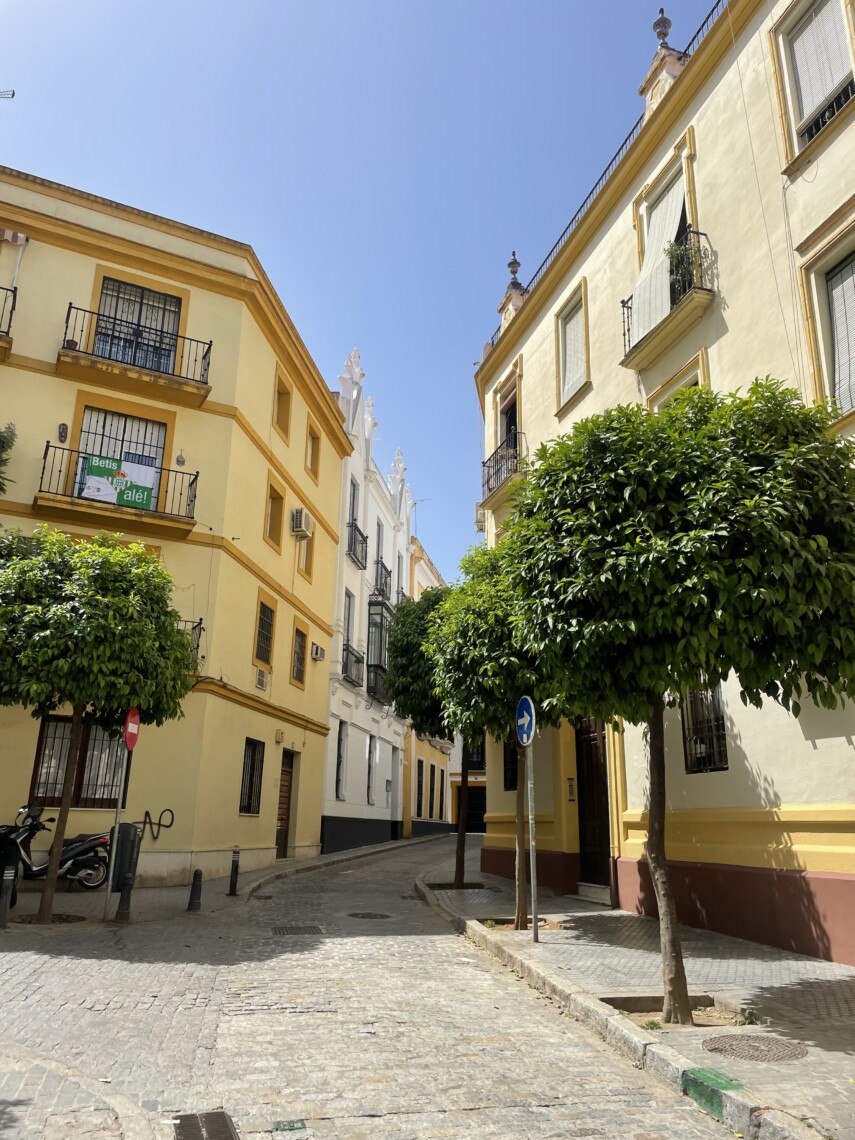
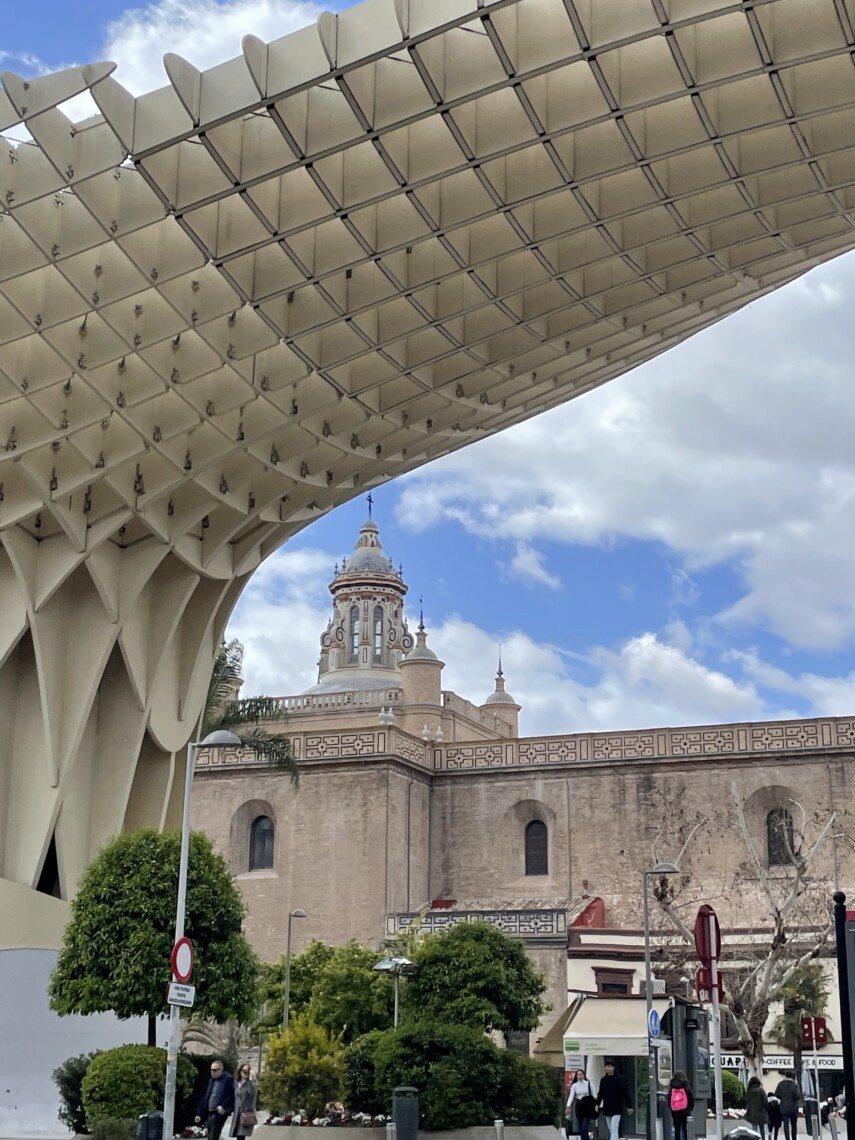
Seville manages to strike a balance that I think is increasingly difficult to find in Europe’s most popular destinations. It’s undeniably touristy in certain areas, but it hasn’t completely lost its sense of place. Wander a few streets away from the major attractions and you’ll still find neighborhood bars, local markets, families gathering in plazas, and traditions that aren’t being performed solely for visitors.
It’s also simply beautiful. Seville has layers of Roman, Islamic, Gothic, Renaissance, and Baroque history, resulting in some truly stunning architecture. And because so much of the historic city center is walkable, you don’t have to spend half your trip on buses or trains to experience it.
While it has definitely changed a lot over the past 10 years in terms of crowds and tourism, I still feel this city does such an incredible job at preserving its history and traditions without over accommodating mass tourism. Which, for me, is one of the biggest draws to this city.
Seville Has Some of Spain’s Most Impressive Architecture
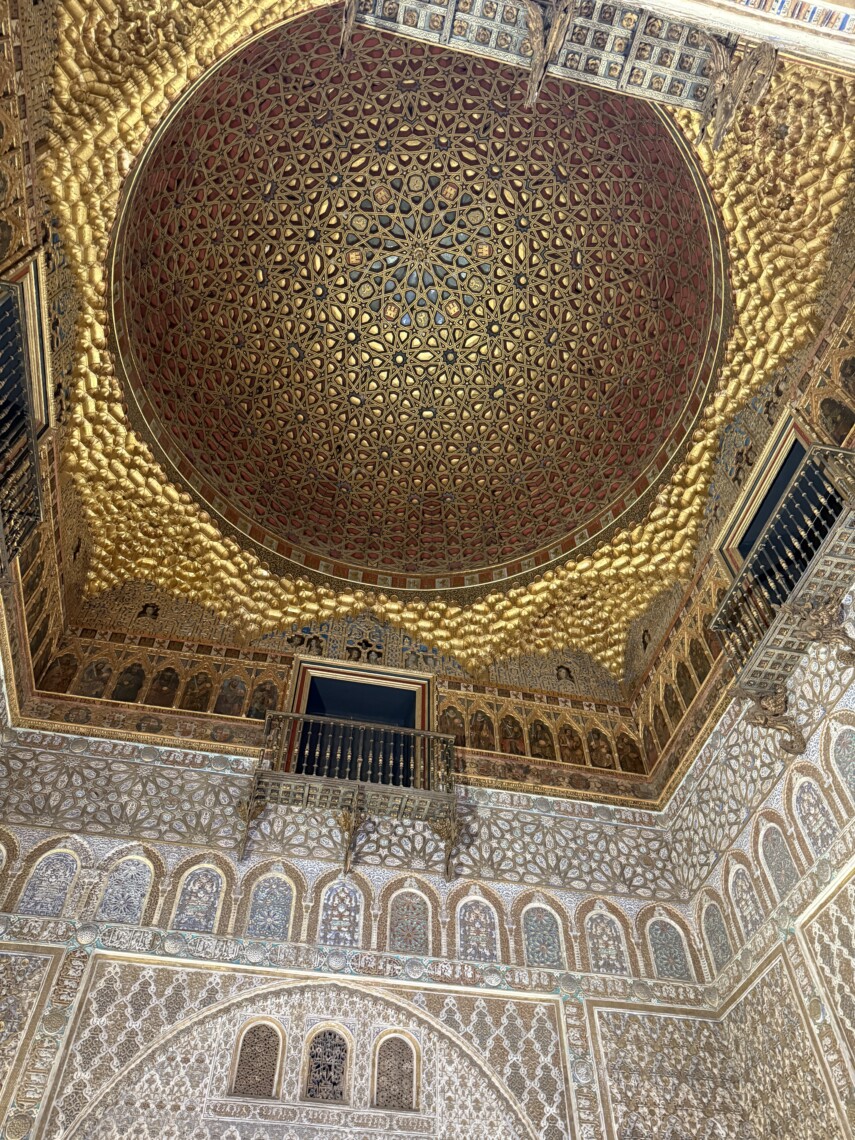
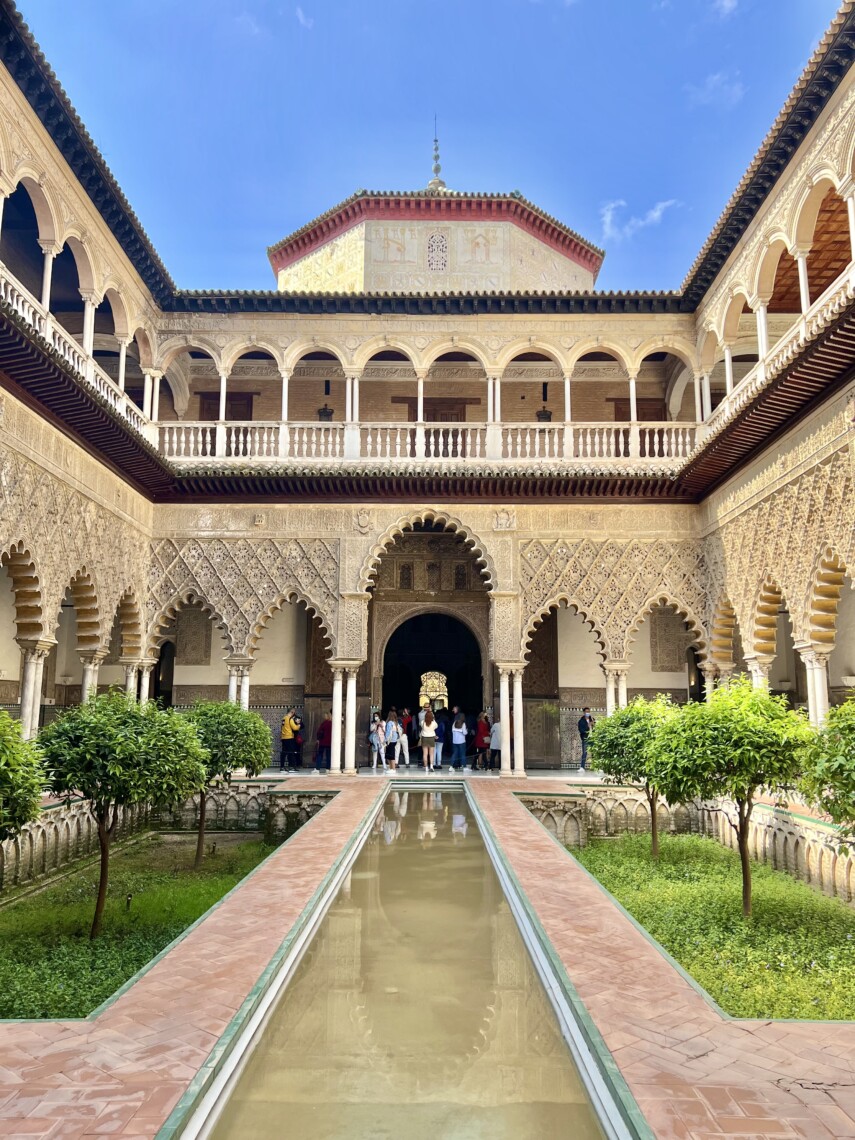
If you’re coming to Seville, Spain for the first time, there’s a good chance the architecture will be one of the things you remember most.
The Royal Alcázar is one of the city’s biggest highlights, with elaborate tilework, courtyards, gardens, and centuries of architectural influences. Along with the cathedral and Archivo de Indias, it’s part of Seville’s UNESCO World Heritage Site. If it’s your first time in Spain, you will be especially impressed about how ornate and detailed these sites truly are.
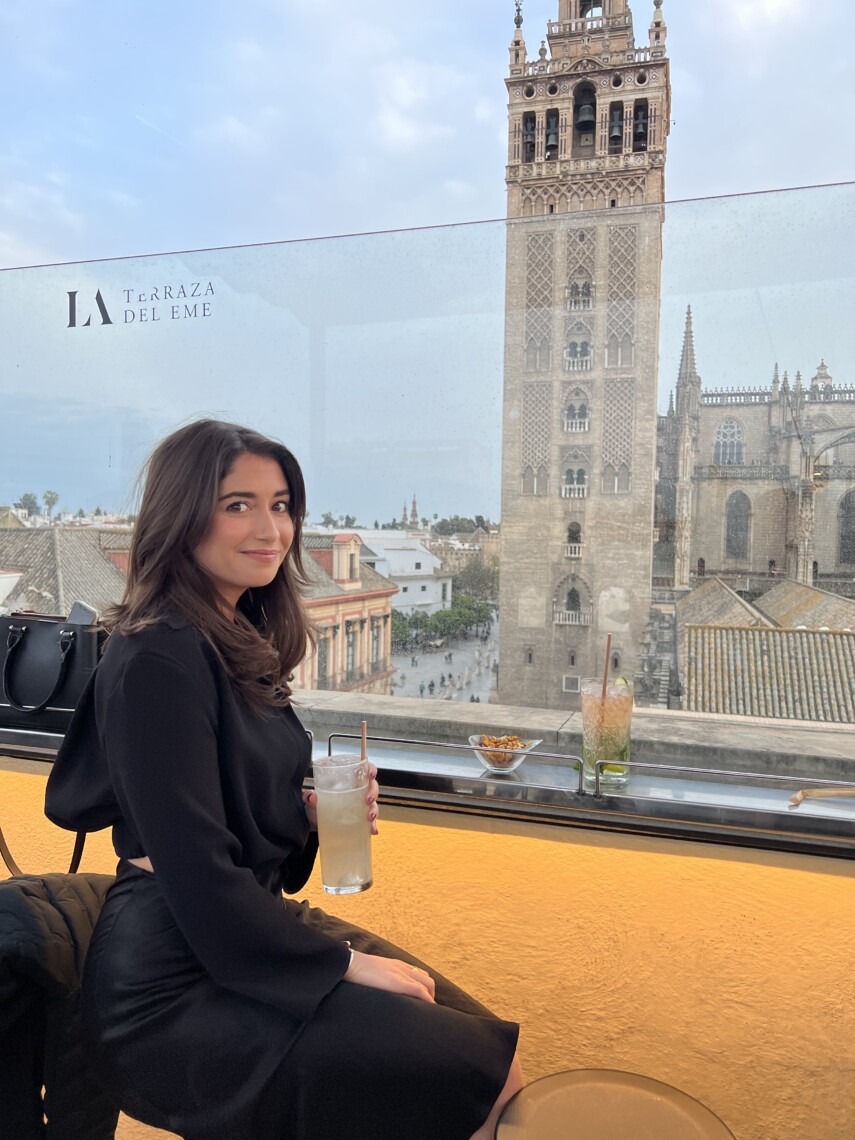
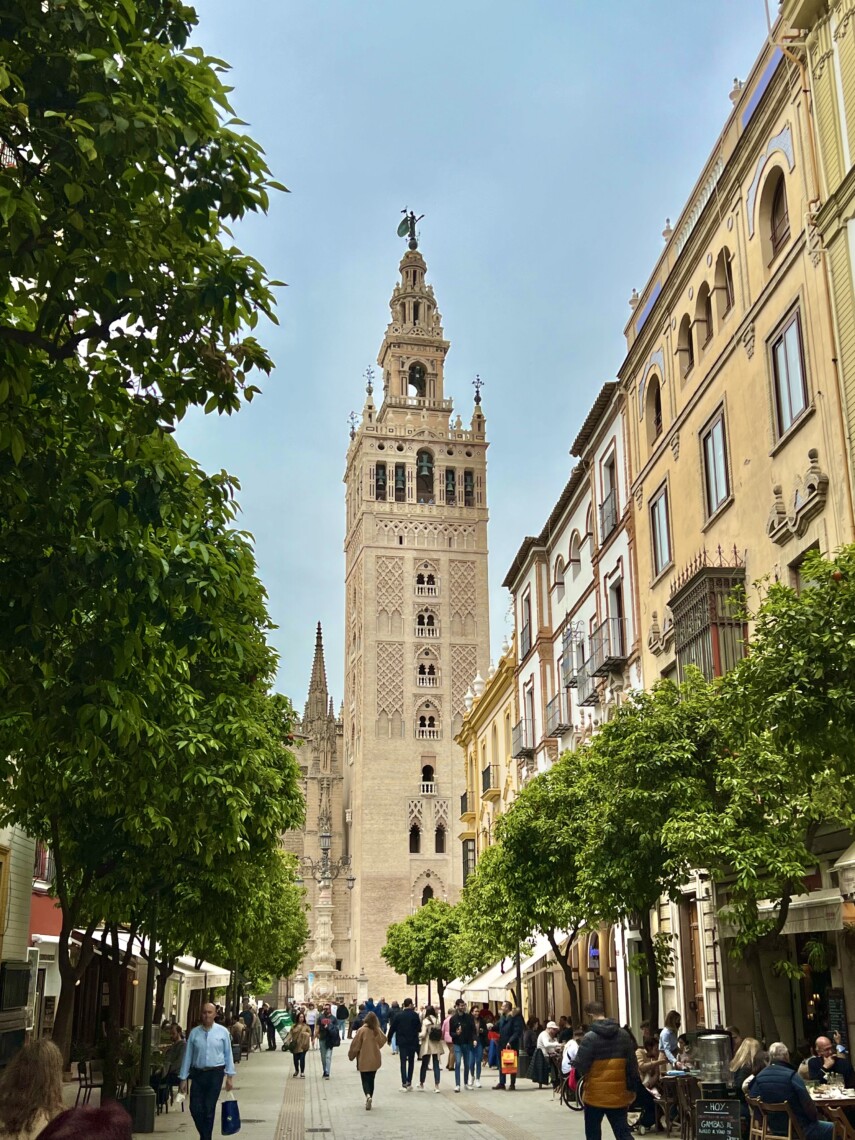
Just next door is the enormous Seville Cathedral, where you’ll find the tomb associated with Christopher Columbus. You can also climb La Giralda, the cathedral’s famous bell tower, for views across the old town. Both the Cathedral and La Giralda are some of the most important symbols of the city and also serve as the epicenter for all the action.
But, I have to also note that Seville’s architecture extends well beyond these two landmarks. There’s also Casa de Pilatos, Palacio de las Dueñas (one of my personal faves), Plaza de Toros, and the modern Setas de Sevilla. It’s a city where wandering around without a specific destination can be just as interesting as visiting the attractions themselves.
It’s One of the Most Walkable Cities in Spain
Walkability is one of the biggest reasons I recommend visiting Seville. Most of the major attractions are concentrated around the center, and neighborhoods in Sevilla like Santa Cruz, El Arenal, and Triana are all relatively close together.
You can start your morning at the cathedral, wander through Barrio Santa Cruz, stop for tapas, walk along the Guadalquivir River, cross into Triana, and eventually make your way back toward the city center without needing a car. You can honestly hit all the top things to do in Sevilla within a day or two without ever having to call a taxi.
More importantly, walking is part of the experience. Seville is full of tiny plazas, tiled buildings, churches, courtyards, and little tapas bars you probably wouldn’t notice if you were simply moving from one attraction to the next.
Pro tip: Leave some unplanned time in your Seville itinerary. This is one city where getting slightly lost usually works in your favor.
The Tapas Culture Is Reason Enough to Come
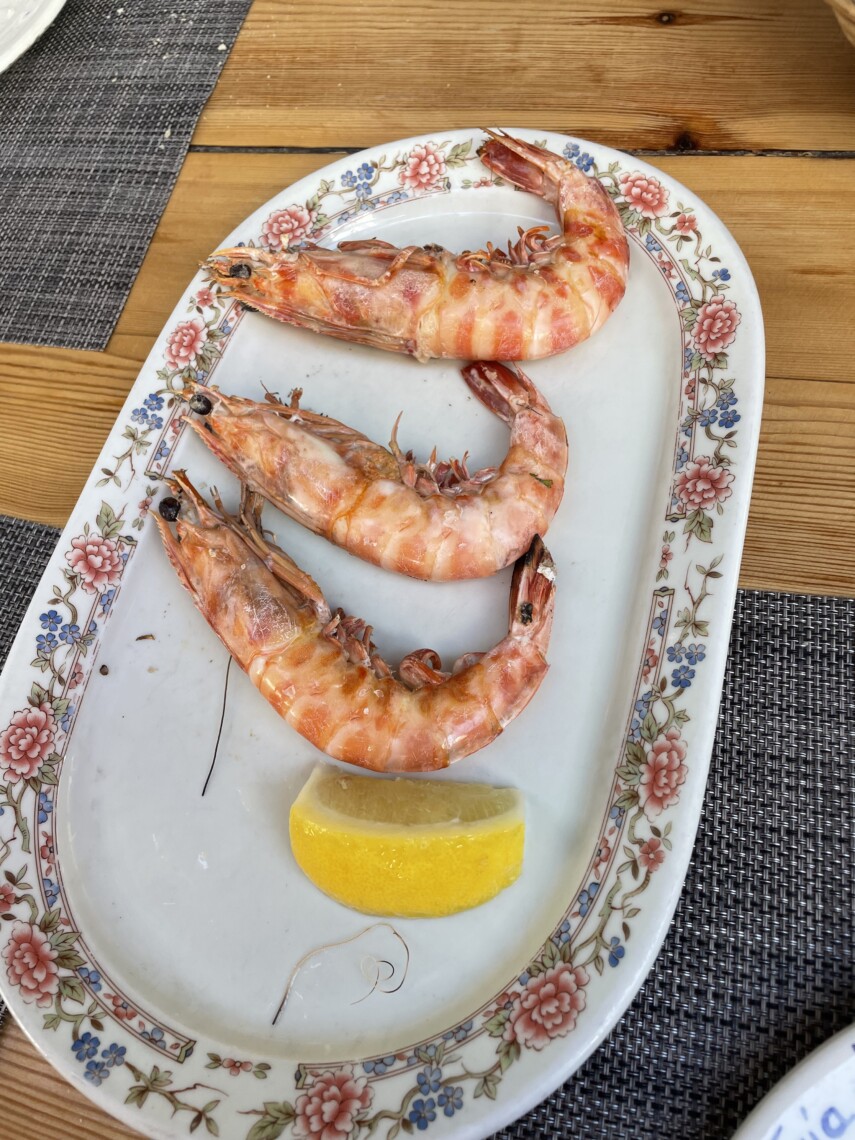
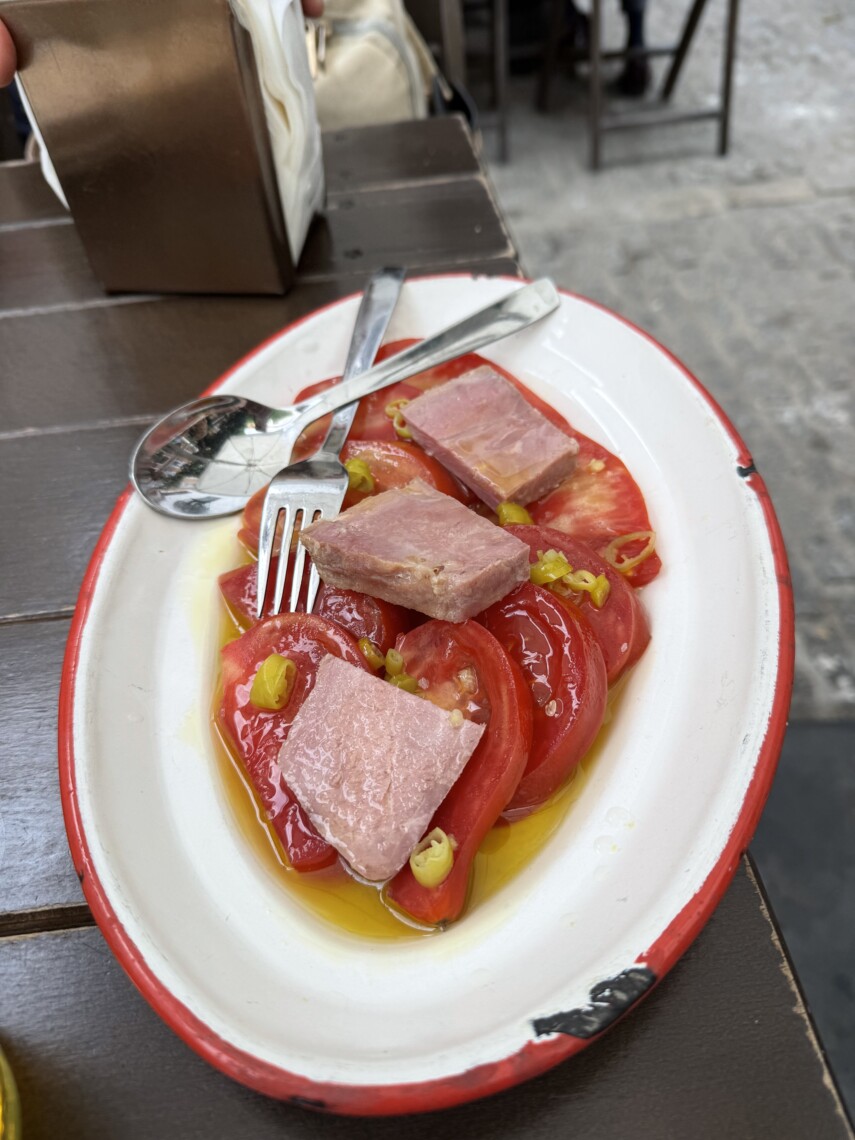
One of my favorite things about a Seville trip is eating. In fact, I dream about my favorite montaditos from Antonio Romero on a regular basis. After San Sebastian, Sevilla is my favorite city in Spain for eating. The city’s tapas culture makes dining out feel casual, and you don’t need to book expensive restaurants every night to eat incredibly well.
Instead, head to a busy tapas bar, order one or two plates and a drink, and then move on to another place. Look for dishes like espinacas con garbanzos, salmorejo, croquetas, carrillada, jamón ibérico, and fried fish. These are classic tapas you just have to order while visiting Sevilla.
Seville is also noticeably more affordable for food and drinks than some other major destinations in Spain. Cities like Barcelona, Madrid, and San Sebastian can add up quickly, whereas tapas make it relatively easy to have a great meal here without spending a fortune.
Seville Still Feels Deeply Connected to Its Traditions
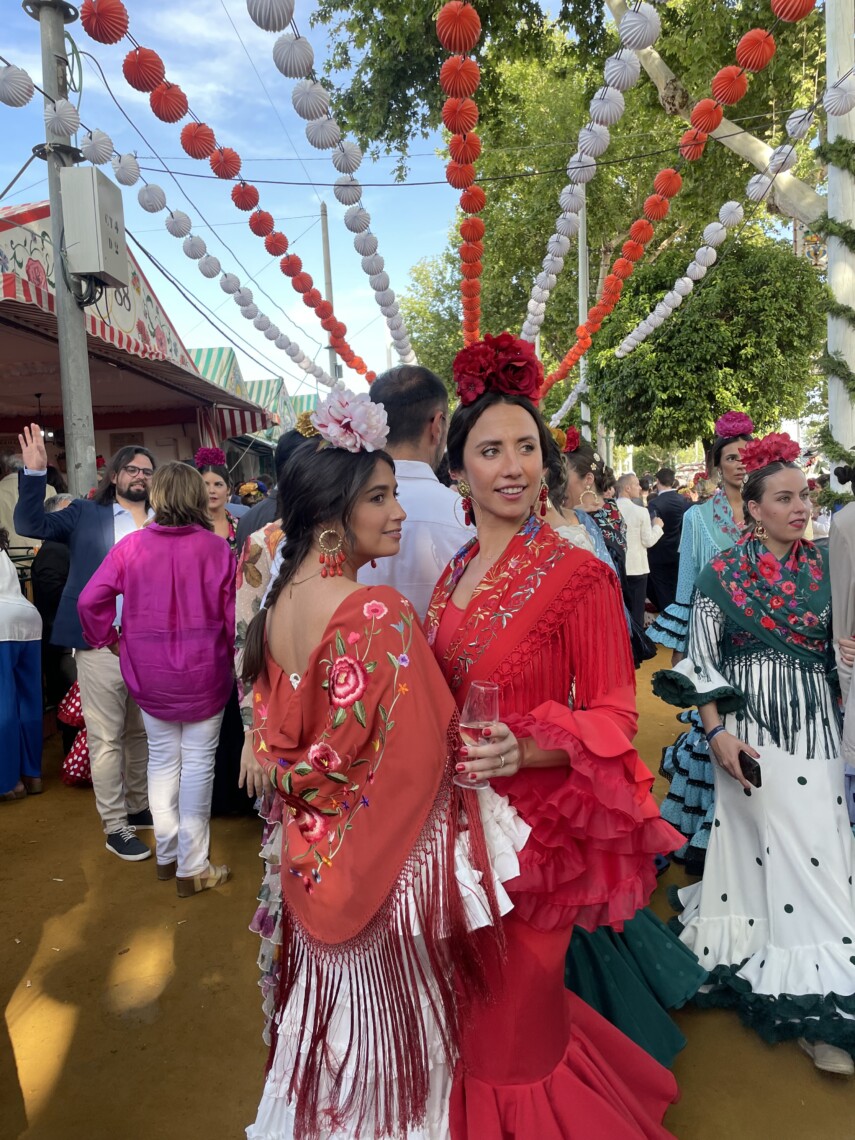
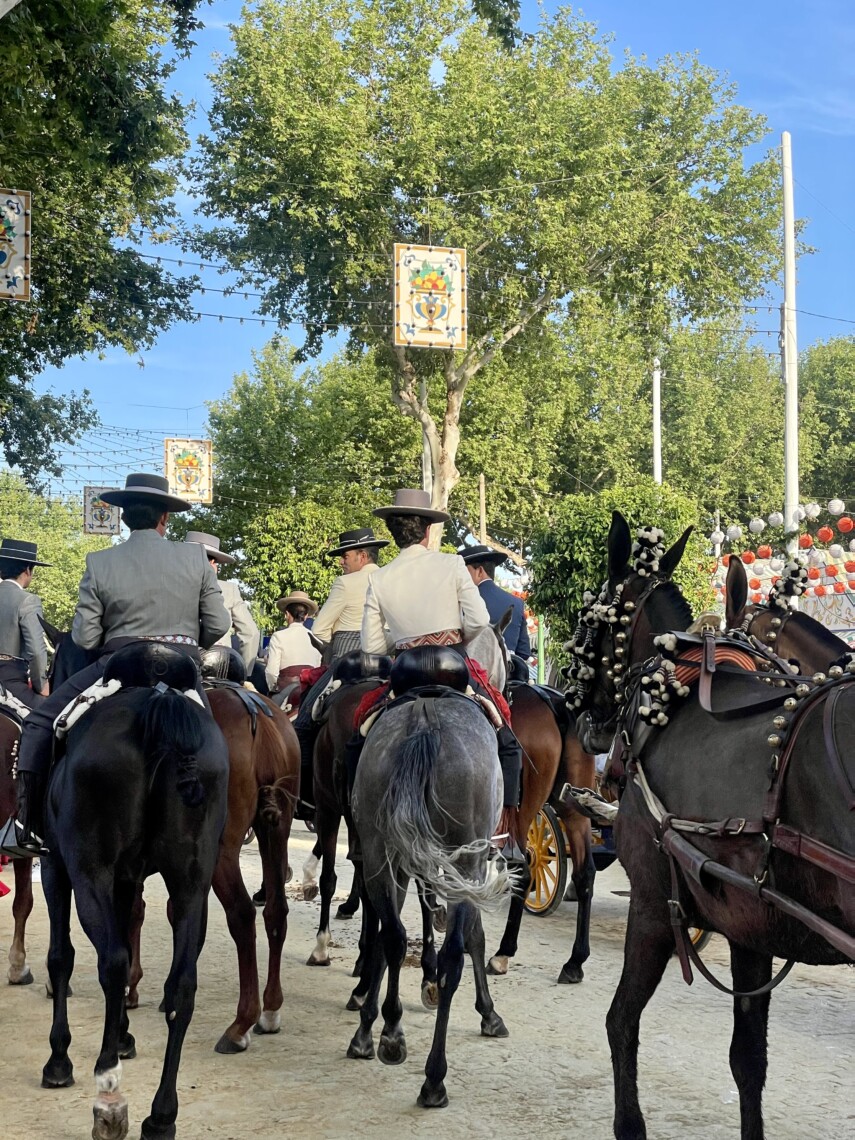
This is probably what separates Seville from many other European cities for me. Its traditions aren’t confined to museums or historical plaques; they’re still very visible in everyday life. In fact, every corner feels like it should be highlighted in a history book.
Flamenco has deep roots in Andalucía, particularly in neighborhoods such as Triana. While there are plenty of performances marketed toward tourists, seeing a good flamenco show is absolutely worthwhile. I’d simply do some research rather than automatically choosing the first show advertised beside the cathedral.
Seville’s biggest celebrations are another example. Semana Santa transforms the streets with enormous religious processions, while Feria de Abril brings traditional clothing, horses, dancing, food, and days of celebrations. These are extremely busy times to visit, but they’re also a fascinating way to experience Seville’s culture. I personally have been to Feria de Sevilla 4 or 5 times, and it is by far my most favorite tradition in all of Spain.
Plaza de España Really Is Worth the Hype
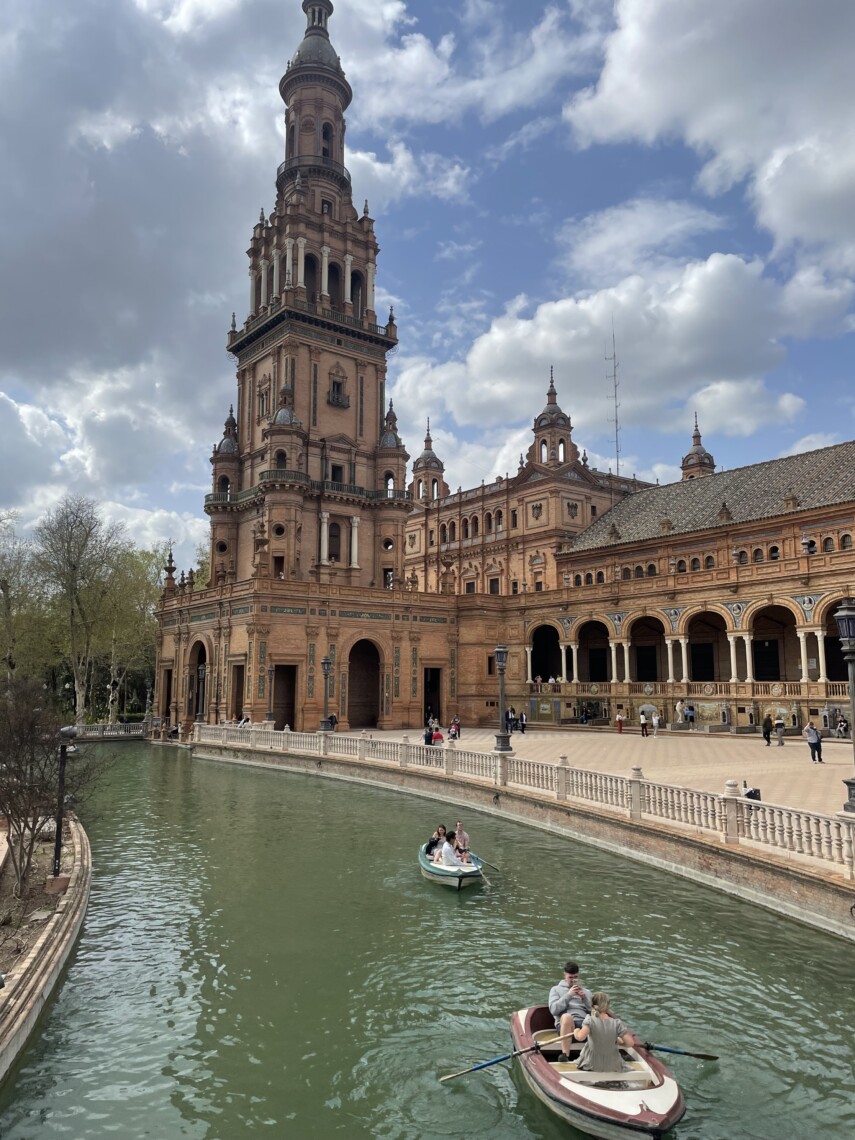
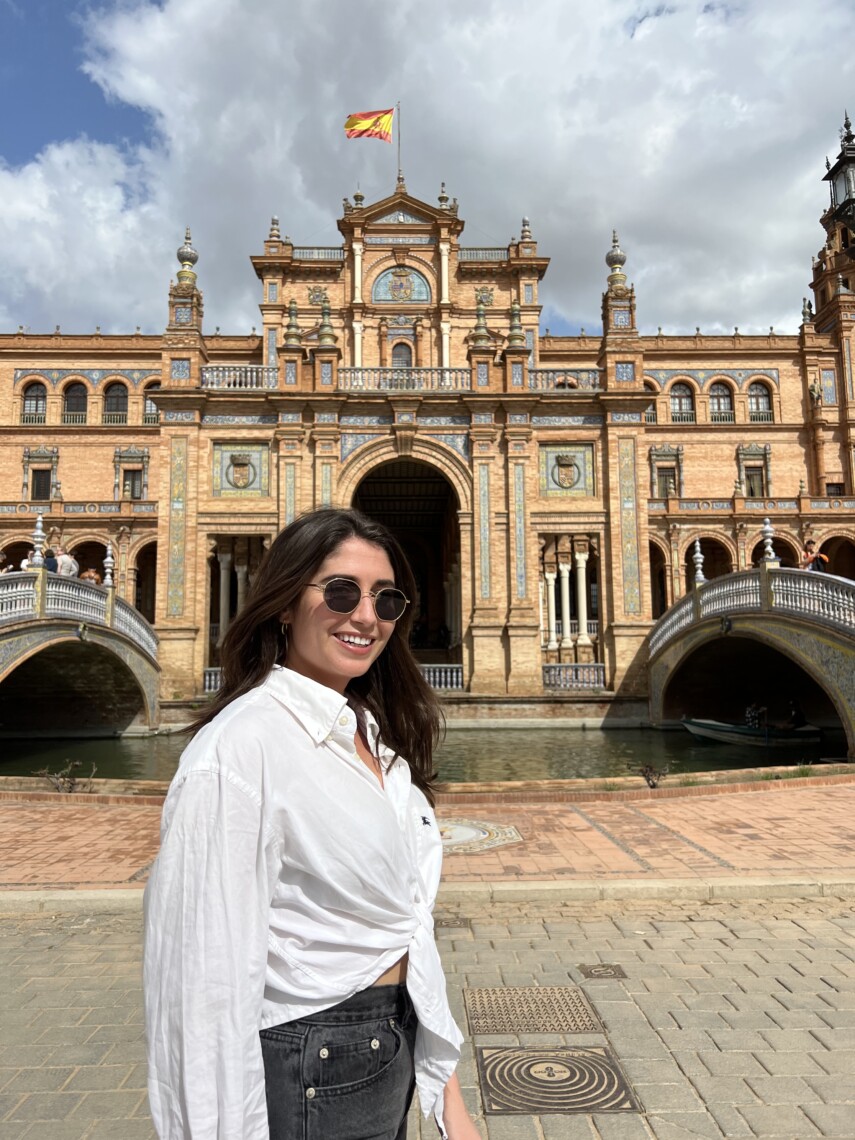
Some famous landmarks are slightly disappointing once you’ve already seen them a thousand times online. Plaza de España isn’t one of them.
This semicircular plaza is decorated with bridges, towers, canals, and colorful tiled alcoves representing Spain’s provinces. Even though I’ve been here countless times, I still love coming back to admire the tilework, watch the horse-drawn carriages, and, of course, see tourists struggling to row the little boats around the canal.
Right next door is Maria Luisa Park, which is perfect for a slower walk after visiting the plaza. Come earlier in the morning if you want fewer crowds, particularly during spring and other busy travel periods.
Triana Shows You Another Side of Seville
Cross the Guadalquivir River and you’ll reach Triana, one of my favorite neighborhoods in the city. Historically associated with ceramics and flamenco, Triana has a strong identity of its own and feels noticeably different from the monumental streets around the cathedral.
Walk along Calle Betis for views across the river, browse the ceramic shops, visit Triana Market, and stop for tapas. While it’s certainly not undiscovered, it often feels less dominated by sightseeing than Barrio Santa Cruz.
I’d also recommend venturing north toward Calle Feria and Alameda de Hércules if you have more time. One of the best things you can do in Seville is simply explore beyond the most famous parts of the old town.
Seville Is Still Relatively Affordable
Seville isn’t the bargain destination it may have been years ago, but it can still offer excellent value compared with many popular European cities. Tapas and drinks are generally reasonable, and there’s accommodation available across a wide range of budgets.
You’ll find everything from inexpensive guesthouses to some of the best hotels in southern Spain. If you’re looking for a splurge, Hotel Alfonso XIII is the city’s grand dame, while plenty of smaller boutique hotels are tucked throughout Santa Cruz and El Arenal.
Because Seville is so compact, you also don’t necessarily need to pay extra to stay directly beside the cathedral. Staying a 10- or 15-minute walk away can often save money without making your trip less convenient.
What Are the Downsides of Visiting Seville?
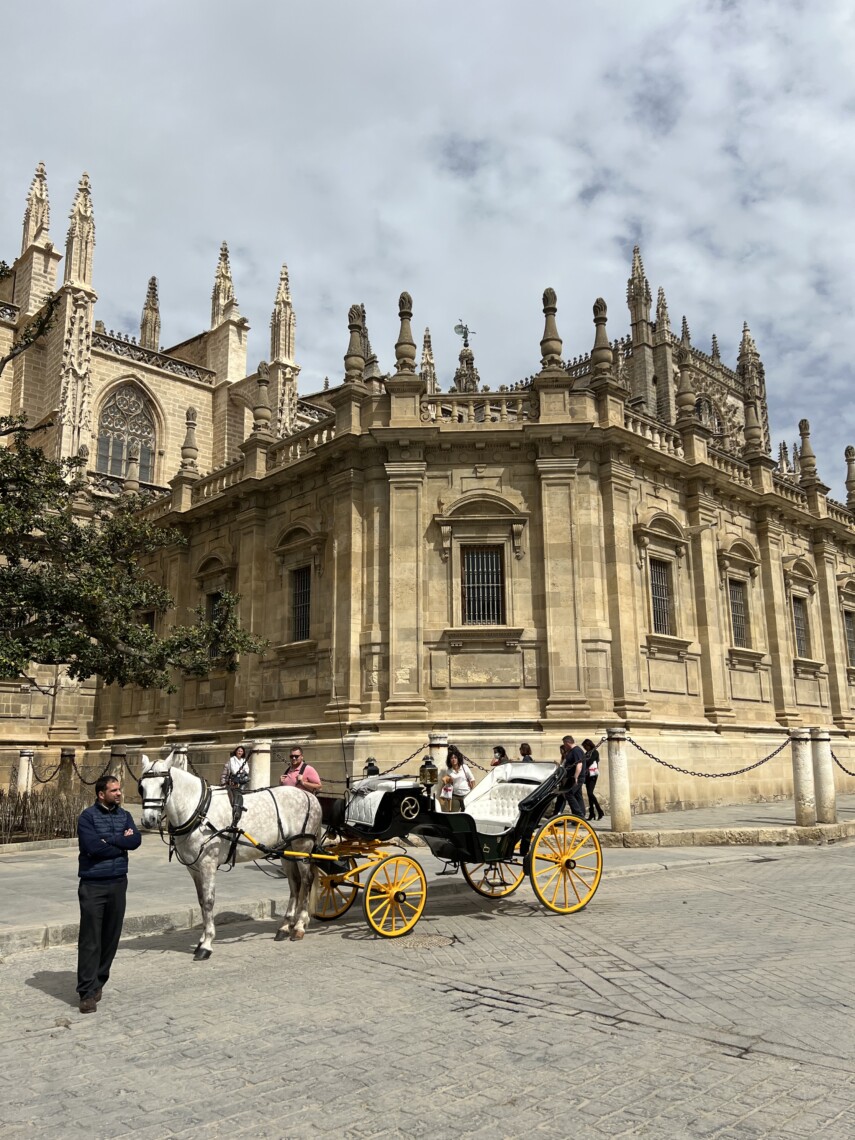
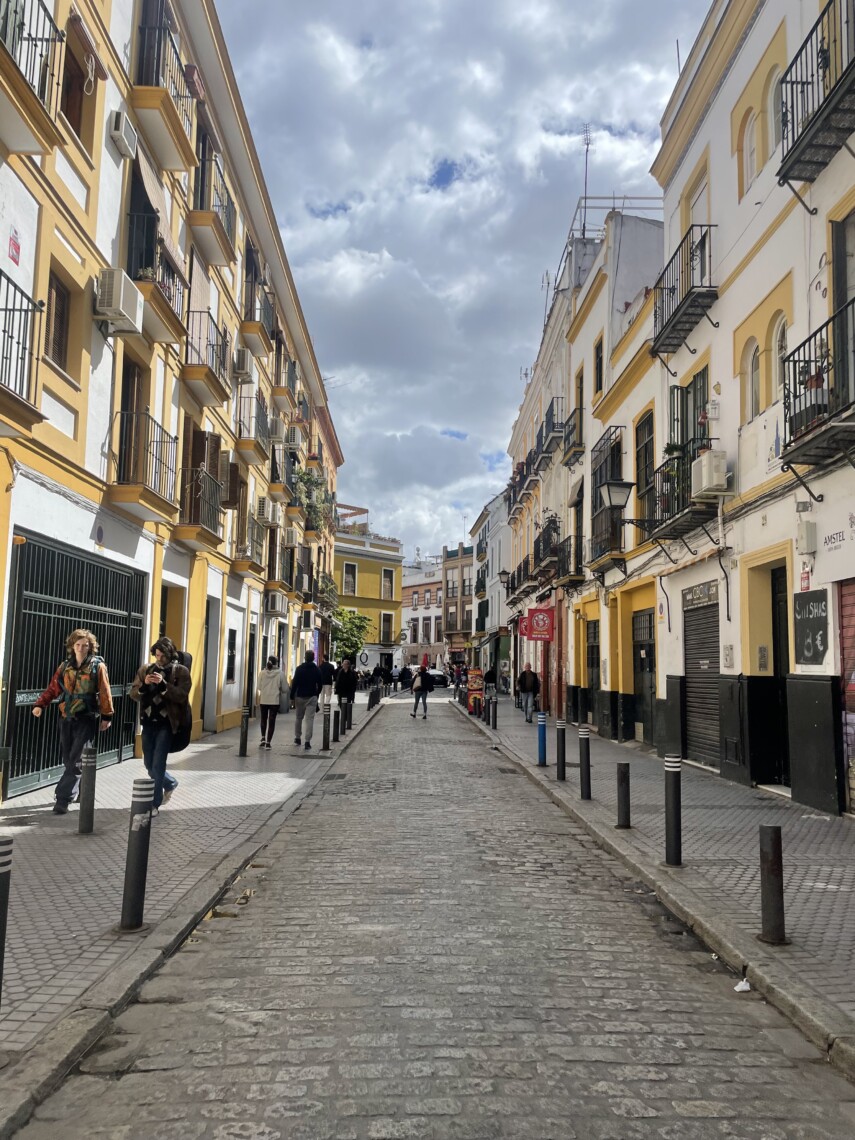
No destination is perfect, and there are two main drawbacks I’d consider before visiting Seville.
First, tourist crowds can be intense around the Royal Alcázar, cathedral, Plaza de España, and Barrio Santa Cruz, particularly during spring, holidays, and weekends. Booking popular attractions ahead and visiting early in the morning can make a big difference.
The second, and bigger, issue is summer heat. July and August regularly bring extremely high temperatures, sometimes above 40°C (104°F). If those are your only travel dates, plan sightseeing early, take a break during the hottest part of the afternoon, and make sure your hotel has good air conditioning.
However, I have to add that I typically wouldn’t recommend people coming here during peak summer months. The city is just so lovely during other parts of the year (especially spring) that it’s worth coming here when the weather is manageable and enjoyable.
When Is the Best Time to Visit Seville?
For me, the best time to visit Seville is spring, particularly late March through May. The weather is generally warm without being unbearably hot, orange blossoms scent the streets (it’s literally the best scent on this planet), terraces are busy, and the city feels especially lively.
Semana Santa and Feria de Abril also take place around this time, although you’ll need to expect higher hotel prices and bigger crowds during both. If you’d rather have fewer crowds, late autumn and early winter are also excellent options, with much milder weather than you’ll find across much of Europe.
Is Seville Safe?
If you’re wondering is Seville safe, I’ve personally always felt comfortable exploring the city. Like most popular European destinations, petty theft is the main thing to be aware of, especially in crowded tourist areas and around transportation hubs.
Keep an eye on your belongings and use the same common sense you’d use in Barcelona, Madrid, Paris, or Rome. For most travelers, safety wouldn’t be a reason I’d hesitate to recommend Seville.
How Many Days Should You Spend in Seville?
I’d recommend three days for a first visit to Sevilla. That’s enough time to see the Royal Alcázar, Seville Cathedral, Barrio Santa Cruz, Plaza de España, Maria Luisa Park, Triana, and the Guadalquivir River while still leaving room for leisurely tapas stops.
With four or five days, you can slow down and potentially add a day trip. Córdoba is one of the best day trips thanks to the high-speed train, while Cádiz, Jerez de la Frontera, and Doñana National Park are other great options as well.
FAQ: Things to Know Before Visiting Seville, Spain
Is Seville worth visiting for first-time visitors to Spain?
Absolutely. If you want to experience Spanish and Andalusian culture, Seville is one of the cities I’d put near the top of the list. It’s beautiful, walkable, relatively affordable, and packed with history, food, and traditions.
Is Seville expensive?
Compared with many major Western European cities, Seville can still be relatively affordable. Accommodation gets significantly more expensive around major events, but tapas and drinks can be very reasonably priced.
Do you need a car in Seville?
No. Most visitors won’t need a car because the city center is so walkable. If you’re arriving by plane, Seville Airport is also relatively close to the center and connected by public transportation and taxis.
Is Seville worth visiting in summer?
Yes, but I wouldn’t personally choose summer for a first trip. July and August can be brutally hot, making sightseeing much less enjoyable. Spring and autumn are far better options if your dates are flexible.
Where should you stay in Seville?
For a first trip, Barrio Santa Cruz, El Arenal, and other areas around the historic center are convenient. You can learn all about the different neighborhoods with this complete guide: Where to Stay in Sevilla, Spain
Final Thoughts: So, Is Seville Worth Visiting?
After nearly 10 years of returning to the city, I still think Seville is one of the best places to visit in Spain. It brings together so many of the things I look for in a city break: beautiful architecture, great food, strong local traditions, walkability, history, and relatively good value.
Yes, the popular attractions get crowded, and I wouldn’t willingly spend my first Seville trip sightseeing in the middle of August. But come in spring, give yourself at least three days, and leave a little room in your itinerary for wandering.
For me, that’s when Seville is at its best, not when you’re racing between attractions, but when you’re sitting outside a tapas bar with nowhere particularly urgent to be.
Planning a trip to Sevilla, Spain? Check out my latest articles for more inspiration:
- Seville, Spain Travel Guide: Everything You Need to Know Before You Go
- Best Areas to Stay in Seville: A Neighborhood Guide
- How Many Days in Seville? The Perfect 3-Day Itinerary
- 23 Best Things to Do in Seville, Spain (2026 Guide)
- Complete Guide to La Feria in Sevilla, Spain


No Comments