
If you’re trying to figure out the best time to visit Seville, my vote goes to spring or fall, specifically late March through May and October through early November.
I’ve been traveling to Seville regularly for nearly 10 years, and timing your trip here can make a surprisingly big difference. Seville is one of those cities where so much of the experience happens outside. You’ll spend your days walking between beautiful plazas, sitting at outdoor tapas bars, wandering through María Luisa Park, and crossing the Guadalquivir River into Triana.
Seville is one of the cities that has the most sunshine in Spain throughout the year. However, when temperatures are pushing 40°C (104°F) in the middle of summer, it’s definitely not so enjoyable.
Spring also happens to bring two of Seville’s biggest celebrations: Semana Santa and Feria de Abril (I’ve been lucky enough to experience 5 ferias throughout the years). They’re incredible times to experience the city, but they also mean significantly more tourists and higher hotel prices.
Below, I’ll break down Seville weather by month, along with crowds, festivals, and what you can expect during each season.
Short on time? Here are the best hotels in Sevilla, Spain:
- Hotel Alfonso XIII: Best for luxury. Seville’s most iconic five-star hotel, with gorgeous Moorish-inspired interiors and a prime location near the Alcázar and Cathedral.
- Corral del Rey: Best boutique stay. An intimate hotel tucked into the winding streets of the historic center, perfect if you want something romantic and full of character.
- Querencia de Sevilla: Best overall location. A polished, modern stay right by the Cathedral with a rooftop pool and views over Seville, ideal for first-time visitors.
Key Takeaways: When Is the Best Time to Visit Seville?
If you just want the quick answer:
- Best overall: March to May and October to early November
- Best weather: April, May, October
- Best for festivals: March/April for Semana Santa and April/May for Feria de Abril
- Best for fewer crowds: November through February
- Best to avoid: July and August if you don’t handle extreme heat well
Personally, I’d choose May or October to visit Sevilla, Spain. Both usually offer good weather for sightseeing without the intense summer heat.
Best Time to Go to Seville, Spain: Spring vs. Fall
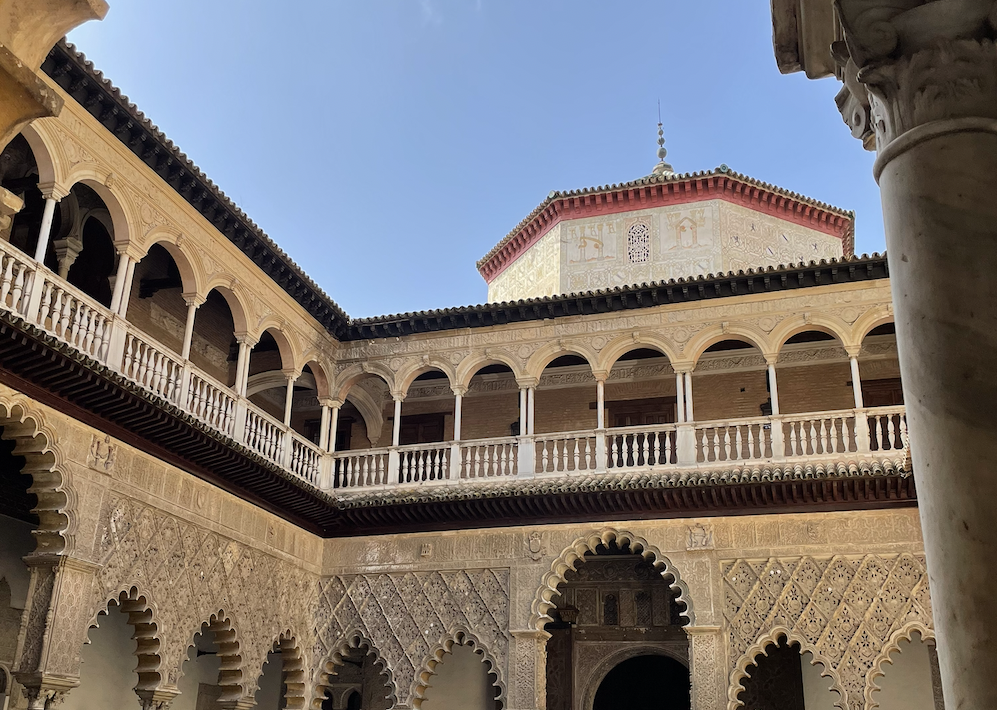
I personally always recommend people to visit Sevilla in Spring or Fall. This obviously will come down to what kind of experience you want to have and when you’re looking to travel.
Spring in Seville, Spain
Early spring is one of my favorite times in southern Spain. Daytime temperatures are generally comfortable, there’s plenty of sunshine and the city really comes alive.
It’s an especially beautiful season for exploring outdoor attractions in Sevilla like Plaza de España, María Luisa Park, the historic center and the neighborhoods along the Guadalquivir River.
Spring is also peak season for some of Seville’s biggest events. Semana Santa takes place in the week leading up to Easter, while Feria de Abril, or the April Fair, typically follows a couple of weeks later.
Both are worth experiencing at least once, but don’t expect fewer tourists or bargain hotel prices during these weeks. It’s also worth noting that Spring can also be a bit unpredictable with weather. I have gone to Sevilla during Feria de Abril about 5 times around late April early May and some weeks have been beautiful sunny weather while others have brought rain showers and cloudy days.
Also, this is a random note but definitely something worth mentioning. One of the things I love most about traveling to Sevilla in Spring is that the orange trees that line the streets are in full bloom. The sweet flowers perfume the entire city. It’s one of those experiences that is so quintessential Sevilla in springtime that I just absolutely love!
Fall in Seville
If festivals aren’t a priority, I actually think fall can be an even easier time to visit.
September can still be very hot, so I’d aim for October or early November. You’ll generally find cooler weather, comfortable daytime temperatures and fewer crowds than during the busiest spring weeks.
Fall is particularly good if your priority is simply sightseeing, eating tapas and spending as much time outside as possible.
Seville Weather by Month
Seville has a Mediterranean climate with extremely hot, dry summers and relatively mild winters. There’s plenty of sunshine throughout the year, but temperatures can vary dramatically depending on when you visit.
Here’s a quick look at Seville, Spain weather by month and what each month is like for travelers.
Seville in January
January is generally the coldest month in Seville, but compared with much of northern Europe, winter here is fairly mild. In fact, if you’re looking for a European destination to travel to in winter that’s not too cold, I’d actually recommend coming to Sevilla.
Days can be crisp and sunny, while mornings and evenings are much cooler. You’ll want a jacket, but sightseeing is generally comfortable.
January also falls within the low season, making it a good option if your priorities are fewer crowds and potentially lower hotel prices.
Seville in February
February starts to hint at spring without the peak-season crowds.
The weather can still be unpredictable, and you may encounter some wet days, but temperatures are generally comfortable enough for walking around the city.
It’s a particularly good month if you care more about sightseeing than festivals or consistently warm weather.
Seville in March
By late March, Seville really starts to feel like spring.
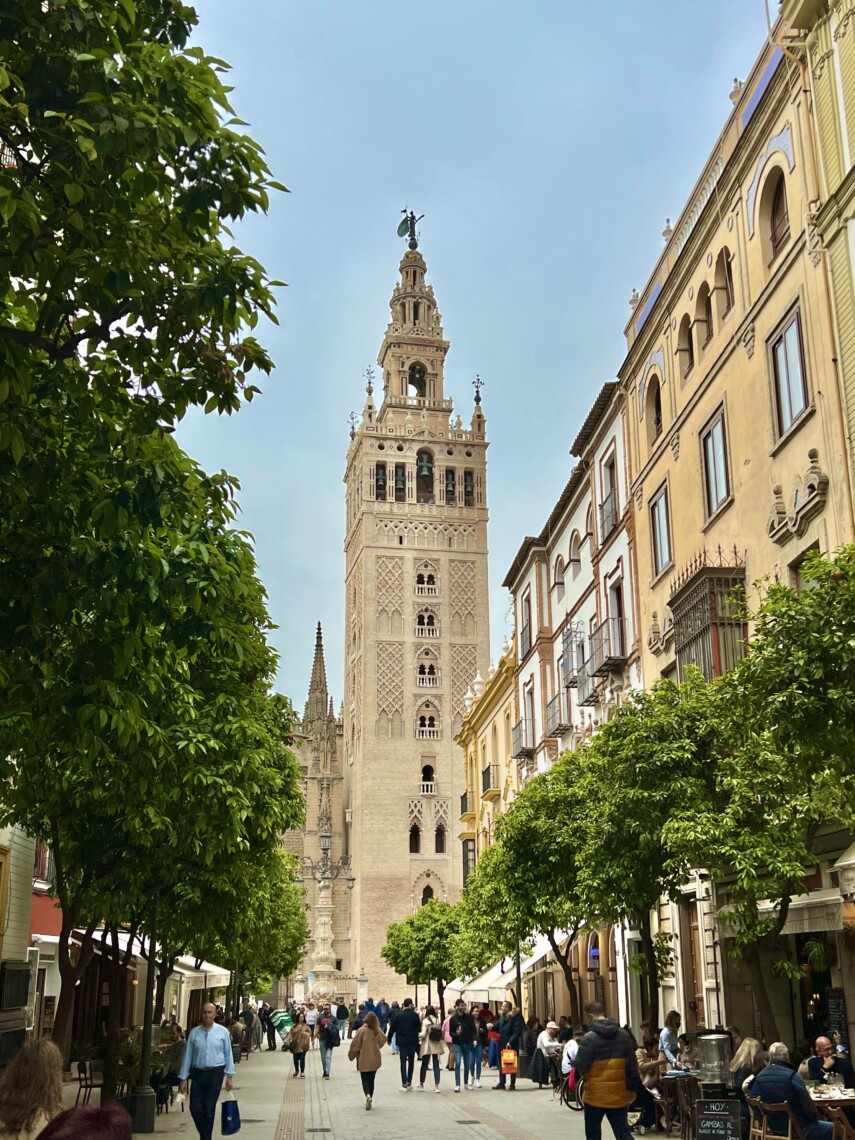
You’ll get more daylight, warmer afternoons and generally nice weather for exploring on foot. It’s a great time to walk around Santa Cruz, visit the Seville Cathedral and climb La Giralda without dealing with summer temperatures.
Depending on the year, Semana Santa can also begin in late March.
Seville Temperature in April
The Seville temperature in April is one of the biggest reasons I recommend visiting during this month.
Daytime temperatures are often pleasantly warm rather than unbearably hot, making April ideal for spending long days outside. Evenings can still be cooler, so I’d bring a light jacket.
April is also one of the most exciting months culturally. Depending on that year’s calendar, you may be able to experience Semana Santa, the April Fair, or both during your trip.
The trade-off is crowds. These festivals attract huge numbers of visitors, so this is not necessarily the month to choose if you’re looking for inexpensive hotels and quiet streets. However, I have personally been to both events and I can honestly say they are definitely worth seeing.
Seville in May
May is another fantastic month for Seville. And honestly, I think May just might be my most favorite month in Seville if I had to choose.
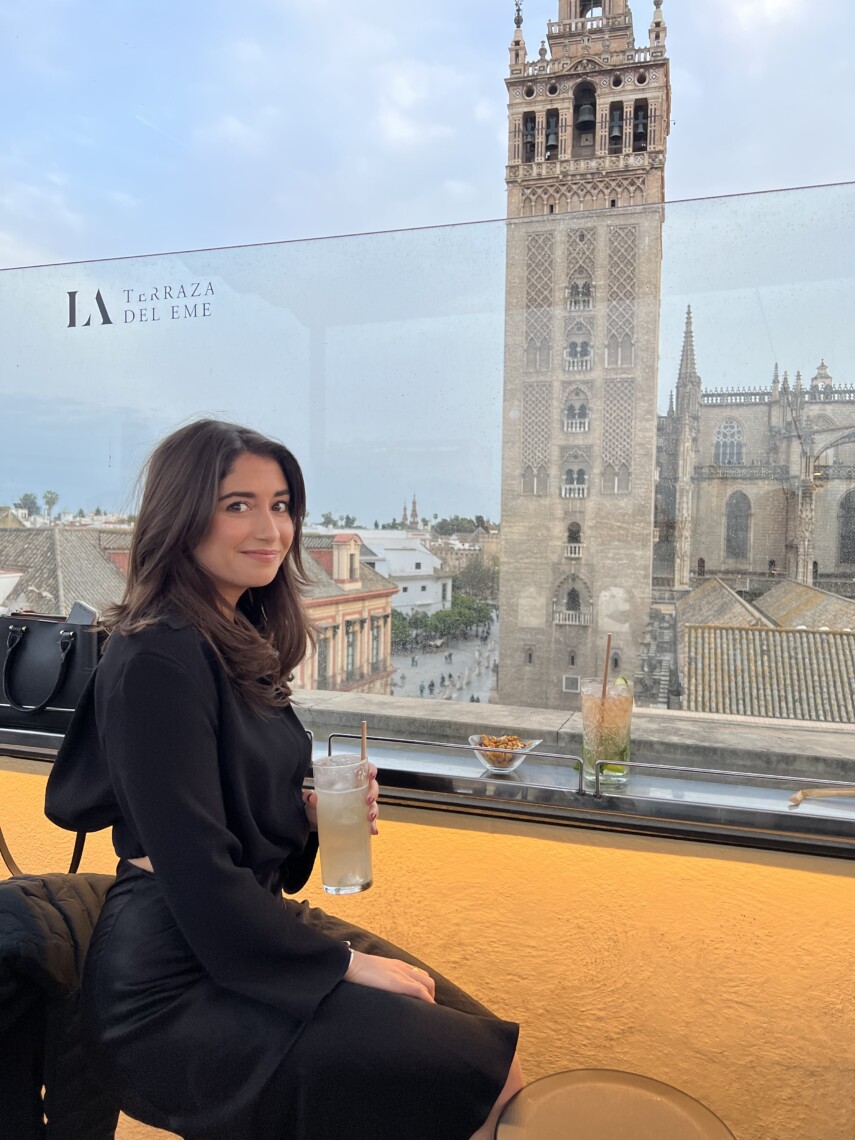
Expect warm weather, long daylight hours and plenty of opportunities to sit outside for tapas or drinks (my personal favorite spot is La Terraza del Eme if you’re looking for a great outdoor rooftop bar). It’s usually warm enough to feel like summer without reaching the extremes of July and August.
Toward the end of May, however, temperatures can start climbing quickly.
Seville in June
June marks the beginning of serious summer heat.
Early June can still be manageable, particularly if you plan outdoor activity and sightseeing for the morning and evening. As the month progresses, afternoons become increasingly hot.
If you visit during June, embrace the local schedule: explore early, slow down during the hottest part of the afternoon and head back out in the evening.
Seville in July
July is typically the hottest month in Seville, and this isn’t a destination where I’d underestimate the heat.
Temperatures can reach around 40°C (104°F) or higher during heat waves. Walking between attractions in the middle of the afternoon can become exhausting.
If July is your only opportunity to visit, you can absolutely still enjoy Seville. I’d simply organize your days differently. Visit attractions like the Seville Cathedral early, take a long afternoon break, and enjoy dinner and flamenco later in the evening.
Seville in August
August is similarly hot and can be challenging for travelers who aren’t accustomed to extreme temperatures. The upside is that some travelers actively avoid Seville during the hottest summer months, and many locals leave the city for their own vacations.
Plan around the weather rather than fighting it. Explore in the morning, find air conditioning during the afternoon and return outside once temperatures begin dropping.
Seville in September
September is technically fall, but don’t expect autumn weather immediately.
Early September can still feel very much like summer. Toward the end of the month, temperatures generally become more manageable.
Seville is also famous for flamenco, and the Bienal de Flamenco is an important cultural festival held every two years. If your visit coincides with it, it’s an excellent opportunity to see just how deeply flamenco is woven into the city’s identity.
Seville in October
You generally get warm, comfortable weather without the extreme temperatures of summer when visiting Seville in October. It’s perfect for walking around Calle Sierpes, Plaza Nueva, Santa Cruz, the riverfront, and all the different famous neighborhoods in Sevilla.
You can comfortably spend an afternoon in María Luisa Park, visit Metropol Parasol around sunset and then head out for tapas or a flamenco show.
If you’re looking for good weather combined with fewer crowds than peak spring, October is hard to beat.
Seville in November
Early November is another underrated time to visit Sevilla, Spain.
Expect cooler weather and a greater chance of rain, but you’ll also find fewer tourists. For travelers primarily interested in museums, architecture, restaurants and sightseeing, it’s a great option.
Hotel prices may also be more reasonable outside major events and holidays.
Seville in December
December is cool but generally much milder than winter destinations farther north. There’s less daylight, and you’ll want layers in the mornings and evenings, but daytime sightseeing can still be pleasant.
It’s a good choice if your priority is experiencing the city without peak-season crowds rather than lounging outside in warm sunshine.
When Is Peak Season in Sevilla, Spain?
Seville’s peak season doesn’t necessarily line up with the traditional European summer season.
Spring is particularly busy because the weather is excellent and the city’s biggest festivals take place around this time. Semana Santa and Feria de Abril can send demand for accommodation soaring.
If you’re visiting specifically for either festival, I’d book your hotel well in advance.
Outside those events, April, May and October are naturally popular because the weather is so much more comfortable for exploring.
Should You Visit Seville in Summer?
Yes, but I wouldn’t personally choose July or August for my first visit if I had flexibility.
Seville is absolutely beautiful in summer, but the weather dictates your schedule. The hottest afternoon hours aren’t particularly enjoyable for walking between attractions.
If summer is your only option, don’t let that stop you. Start sightseeing early, have a long lunch or hotel break during the afternoon and come back out in the evening.
Seville stays up late. Tapas restaurants fill up after dark, plazas remain lively and you can easily book a late flamenco show. Adjusting to that rhythm makes summer much more manageable.
Best Time to Visit Sevilla for Fewer Tourists
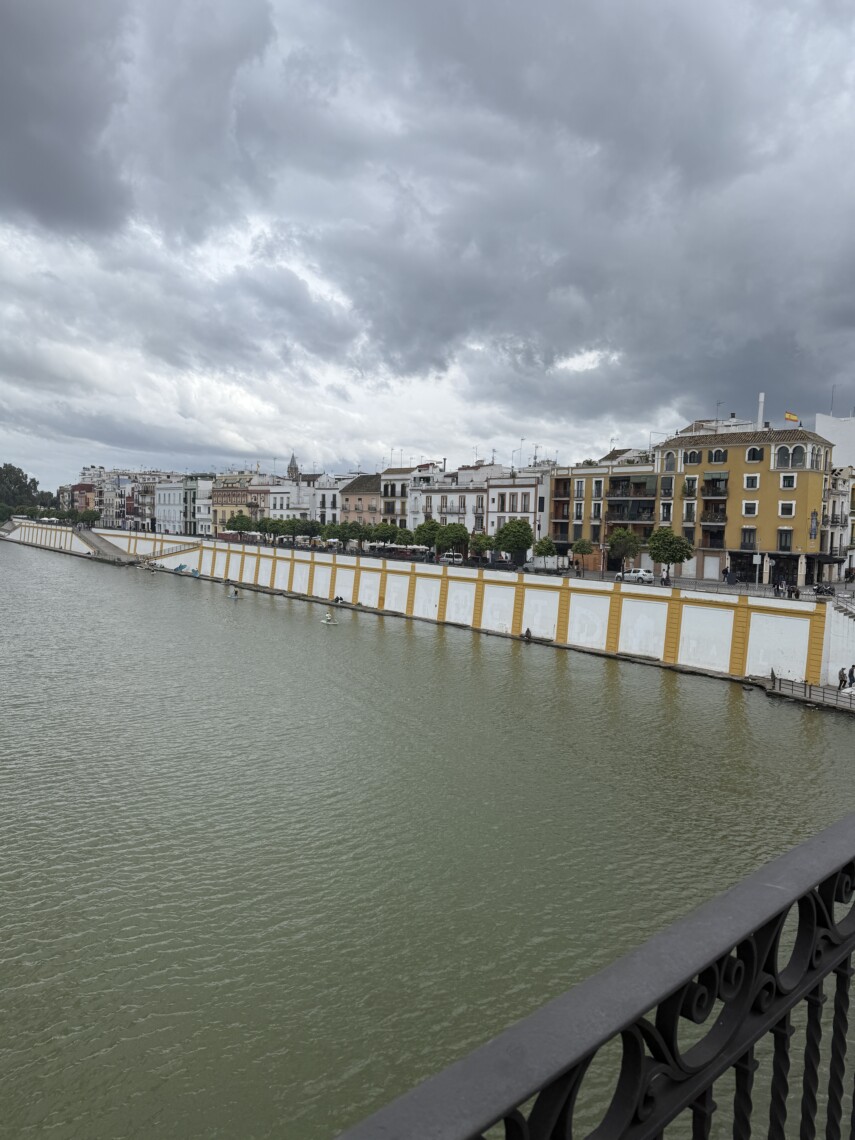
If avoiding crowds is your main priority, consider visiting between November and February.
This is Seville’s quieter season, outside major holidays and events. You’ll sacrifice some of the reliably warm weather of spring and fall, but you’ll have a much easier time exploring popular attractions without quite as many tourists.
Late fall and winter can also be appealing if you’re watching your budget, as hotel prices may be lower than during major festival periods.
My personal compromise would be early November: you’ll likely get fewer crowds without committing fully to a winter trip.
Best Time to Visit Seville for Semana Santa and Feria de Abril
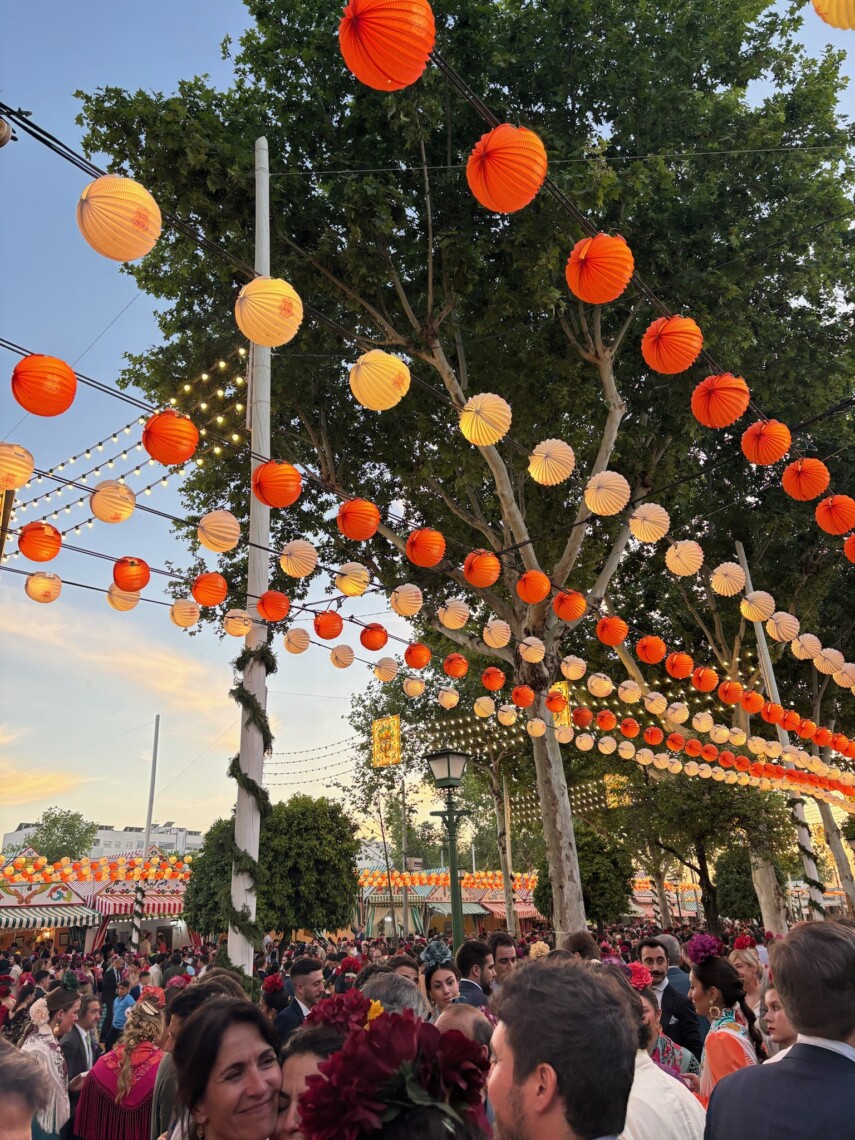
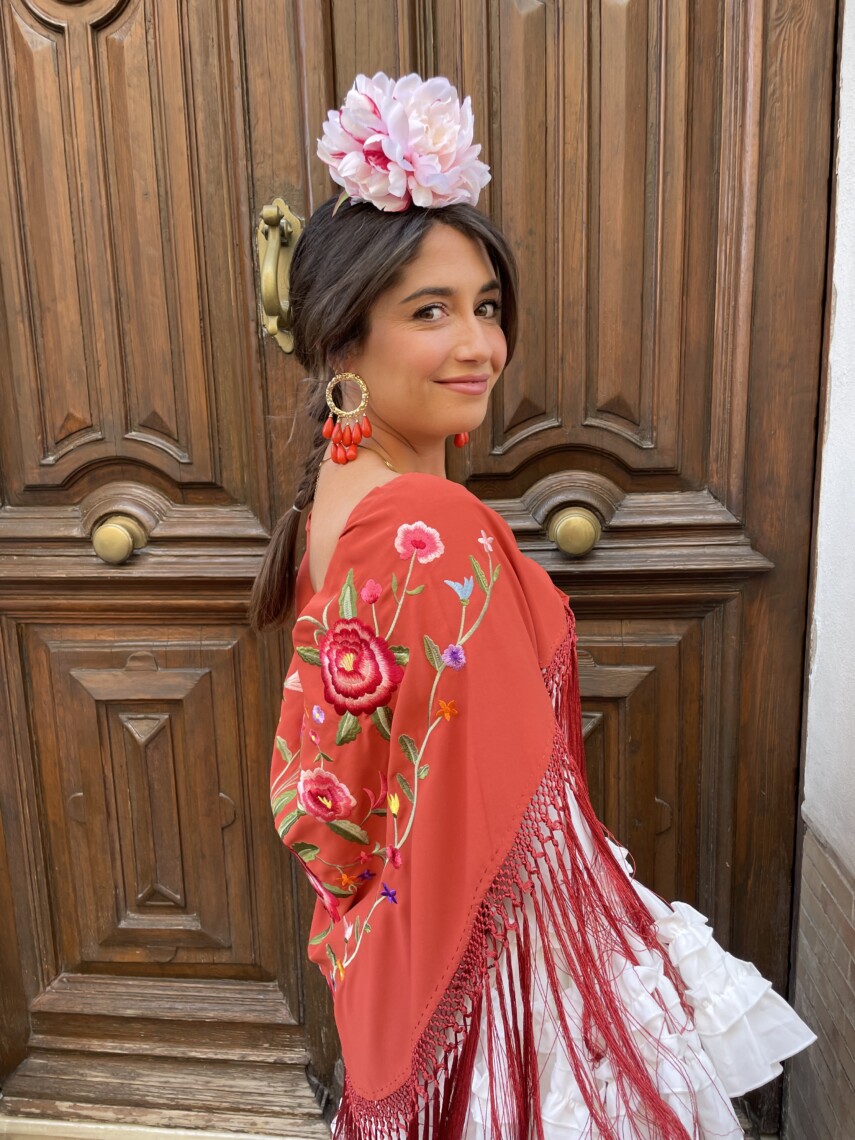
If experiencing Seville’s traditions is a major reason you’re visiting, spring is unquestionably the best time to visit Sevilla.
Semana Santa transforms the historic center with elaborate religious processions that move through the streets toward the cathedral. It’s one of Spain’s most famous Holy Week celebrations. Then there’s Feria de Abril, when Seville shifts gears completely for a week of dancing, music, traditional clothing, food and late nights.
These aren’t quiet weeks to visit. Hotels book up, streets become packed and prices can rise significantly. But if you want to experience Seville at its most distinctly Sevillian, they’re difficult to beat.
Pro tip: Semana Santa and Feria fall on different dates each year. Be sure to check when these festivities are happening in advance so you don’t miss them.
So, When Is the Best Time to Visit Seville?
For most people, I’d recommend April, May or October.
These months give you the best balance of comfortable weather, long days and the ability to actually enjoy Seville outdoors, which is a huge part of what makes this city special.
Choose April if you want festivals and don’t mind crowds. Pick May for warmer temperatures and long days. Go in October if you’d prefer a slightly calmer trip with excellent sightseeing weather.
I’d consider March and early November excellent alternatives if fewer tourists and potentially better hotel prices matter more to you. And unless you’re someone who genuinely loves extreme heat, I’d put July and August at the bottom of the list.
After visiting Seville repeatedly over the years, I’ve found that it’s a city best experienced slowly: walking through Santa Cruz, sitting outside over tapas, wandering along the river and staying out late. Choosing a season with mild weather makes all of that significantly more enjoyable.
For me, that’s what makes spring and fall the best time to visit Seville, Spain.
Planning a trip to Sevilla, Spain? Check out my latest articles for more inspiration:
- Seville, Spain Travel Guide: Everything You Need to Know Before You Go
- Best Areas to Stay in Seville: A Neighborhood Guide
- How Many Days in Seville? The Perfect 3-Day Itinerary
- 23 Best Things to Do in Seville, Spain (2026 Guide)
- Complete Guide to La Feria in Sevilla, Spain
- Is Seville Worth Visiting? My Take After Nearly 10 Years of Visiting
- Is Seville Safe? What Travelers Should Know in 2026


No Comments