
One of the things I love most about Malaga is that there really isn’t a bad time to visit. In fact, I’ve visited almost every season, and each time I’ve had an amazing experience.
Located along Spain’s sunny Costa del Sol, this beautiful coastal city enjoys mild winters, hot summers, and plenty of sunshine throughout the year.
Having lived in Spain for almost a decade and spent time exploring Andalusia, I’ve come to appreciate just how different southern Spain feels depending on the season. And while Malaga is a fantastic year-round destination, there are still some months that are better to visit than others.
Personally, I think the best time to visit Malaga is May, June, September, or October. The weather is warm enough to enjoy the beach, but you can still comfortably explore the historic center, visit the Alcazaba, and enjoy long lunches outdoors without melting in the summer heat.
Of course, the best time for your trip depends on what you’re looking for. If you’re planning a beach holiday, July and August offer the hottest weather. But if you’re more interested in sightseeing, day trips, and exploring Malaga’s charming streets, you can honestly visit any time of year.
In this guide, I’ll break down Malaga’s weather by season, the best months to visit, and what to expect throughout 2026.
Short on Time? Here Are the Best Hotels in Malaga, Spain
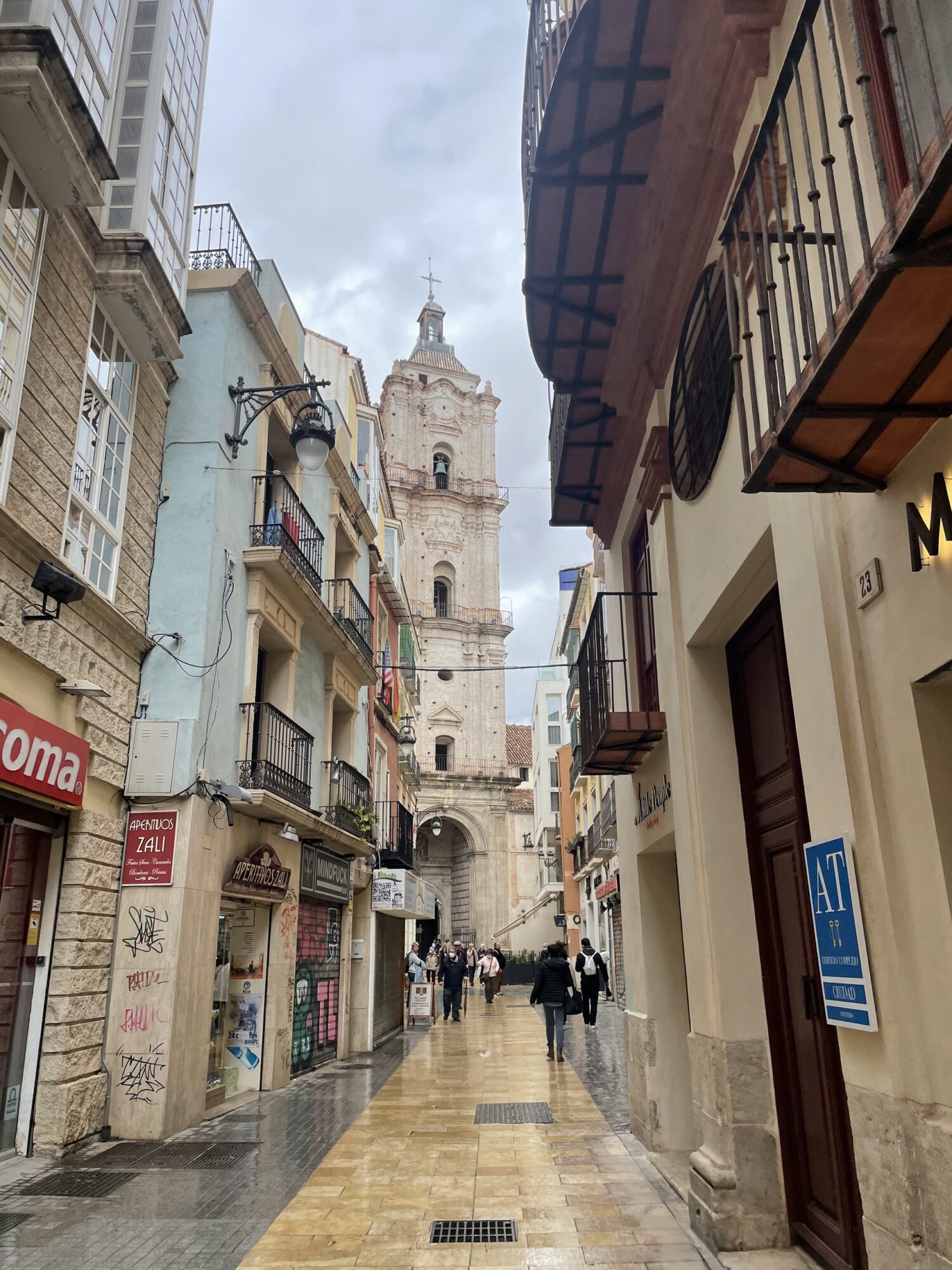
I’d recommend staying in or near Malaga’s historic center. You’ll be within walking distance of most of the city’s main attractions, restaurants, and shopping streets.
- ME Malaga by Meliá: A stylish, contemporary hotel that’s a great choice if you’re looking for a luxurious stay.
- Catalonia Molina Lario: Located just steps from Malaga Cathedral, with a rooftop pool and an excellent central location.
- Hotel Casa Beatas: A charming boutique-style option in the heart of Malaga’s old town.
Key Takeaways: When Is the Best Time to Visit Malaga?
- Best overall months: May, June, September, and October offer a great balance of warm weather, sunshine, and manageable crowds.
- Best for beach holidays: July through September, when the Mediterranean Sea is warmest.
- Best for sightseeing: March through May and October through November, when temperatures are more comfortable for walking.
- Best for fewer tourists: January, February, and November, outside major holidays.
- Best for festivals: Semana Santa in spring and Feria de Málaga in August.
Malaga Weather: What to Expect Throughout the Year
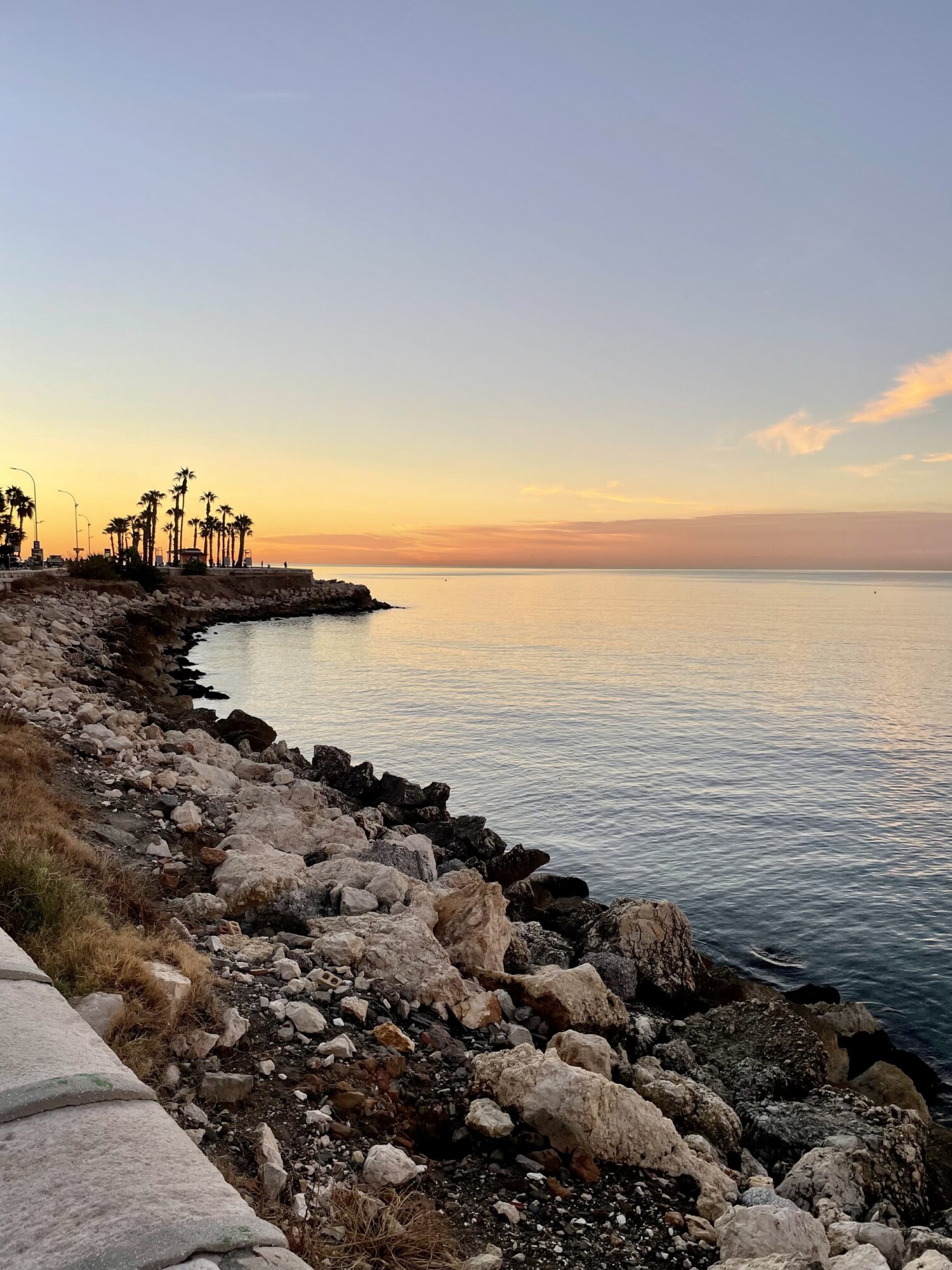
One of the best things about visiting Malaga is its Mediterranean climate. I think in every trip I’ve been on over the years I’ve had at least a few sunny days, even in winter. While winter does bring some rain, temperatures remain relatively mild, making Malaga a great escape from the colder weather experienced across much of Europe.
In fact, I would recommend Malaga to anyone looking for a city in Europe to visit in winter for those craving a warmer climate.
Summer (June to August) is hot, sunny, and dry, with daytime temperatures typically reaching 28–31°C (82–88°F). July and August are the hottest months, making this the perfect time to enjoy Malaga’s beaches, beach clubs, and outdoor restaurants. Just be prepared for the heat, especially when exploring the city in the afternoon.
Spring (March to May) brings some of the most comfortable weather for sightseeing. In fact, these are typically my favorite months for visiting towns in the South like Sevilla, Ronda, or Malaga. Temperatures gradually climb from around 19°C (66°F) in March to 24°C (75°F) in May, with plenty of sunshine and fewer crowds than the peak summer months.
Fall (September to November) is another great time to visit Malaga. September still feels like summer, with temperatures around 28°C (82°F) and warm sea temperatures ideal for swimming. By October and November, the weather cools down, and there’s a greater chance of rain.
Winter (December to February) is surprisingly mild compared to much of Europe. Daytime temperatures generally hover around 17–18°C (63–64°F), although evenings can get chilly. You definitely won’t be spending much time swimming, but it’s a lovely time to explore the city without the summer crowds. Instead of visiting the beach, I suggest heading to one of the many local hiking trails if you’re looking for a fun activity on a sunny winter’s day.
Overall, Malaga’s weather makes it a fantastic year-round destination. The best time to visit really comes down to whether you’re looking for hot beach days, comfortable sightseeing weather, or a quieter city break. But in my opinion, you can really visit any month of the year and still have an amazing time.
Visiting Malaga in Spring (March to May)
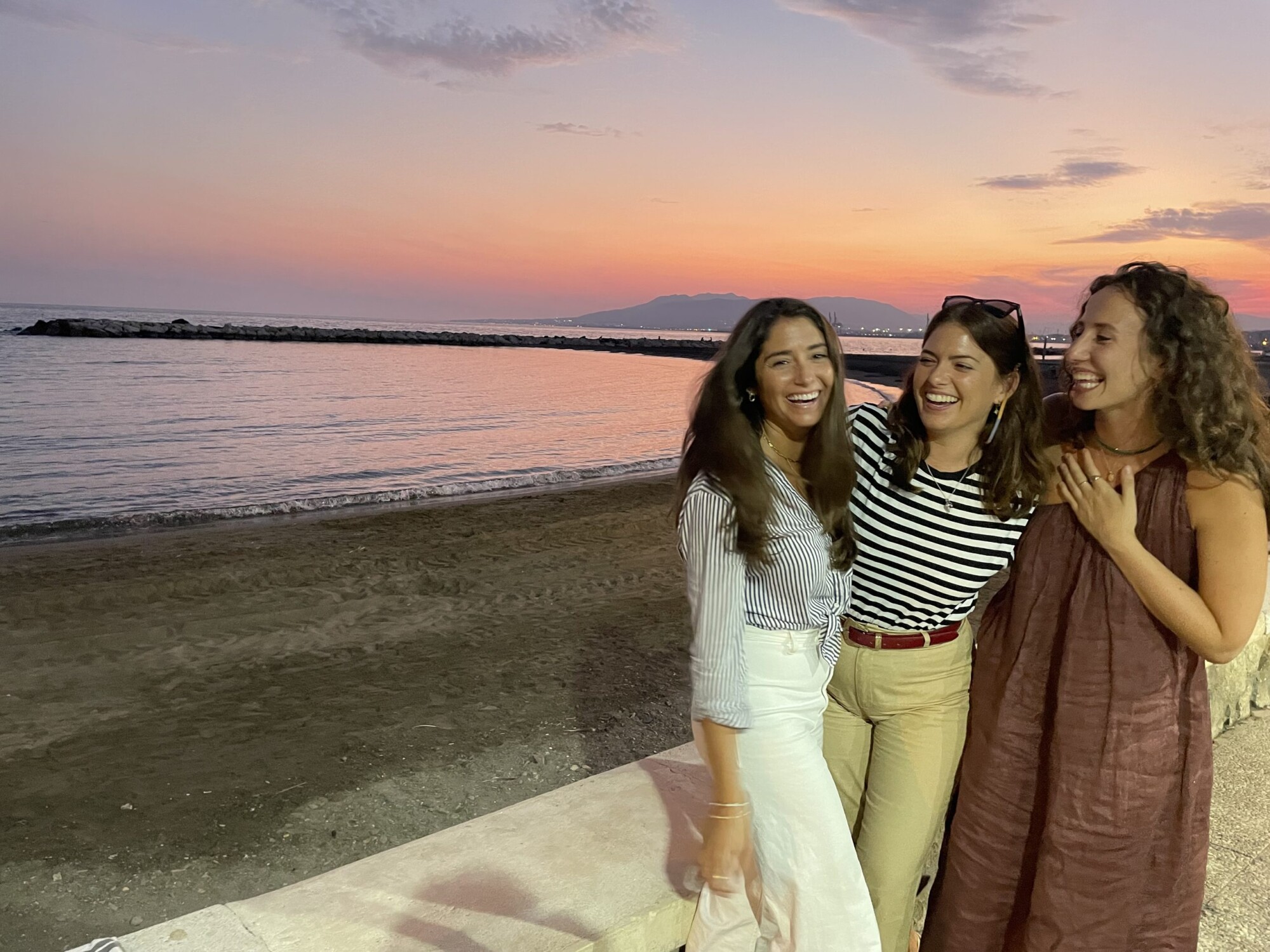
Spring is one of my favorite times to explore southern Spain, and Malaga is no exception. Between March and May, temperatures gradually climb from around 19°C (66°F) to 24°C (75°F), making it ideal for spending long days outdoors.
It’s warm enough to sit outside at cafés and restaurants, but generally not so hot that sightseeing becomes uncomfortable.
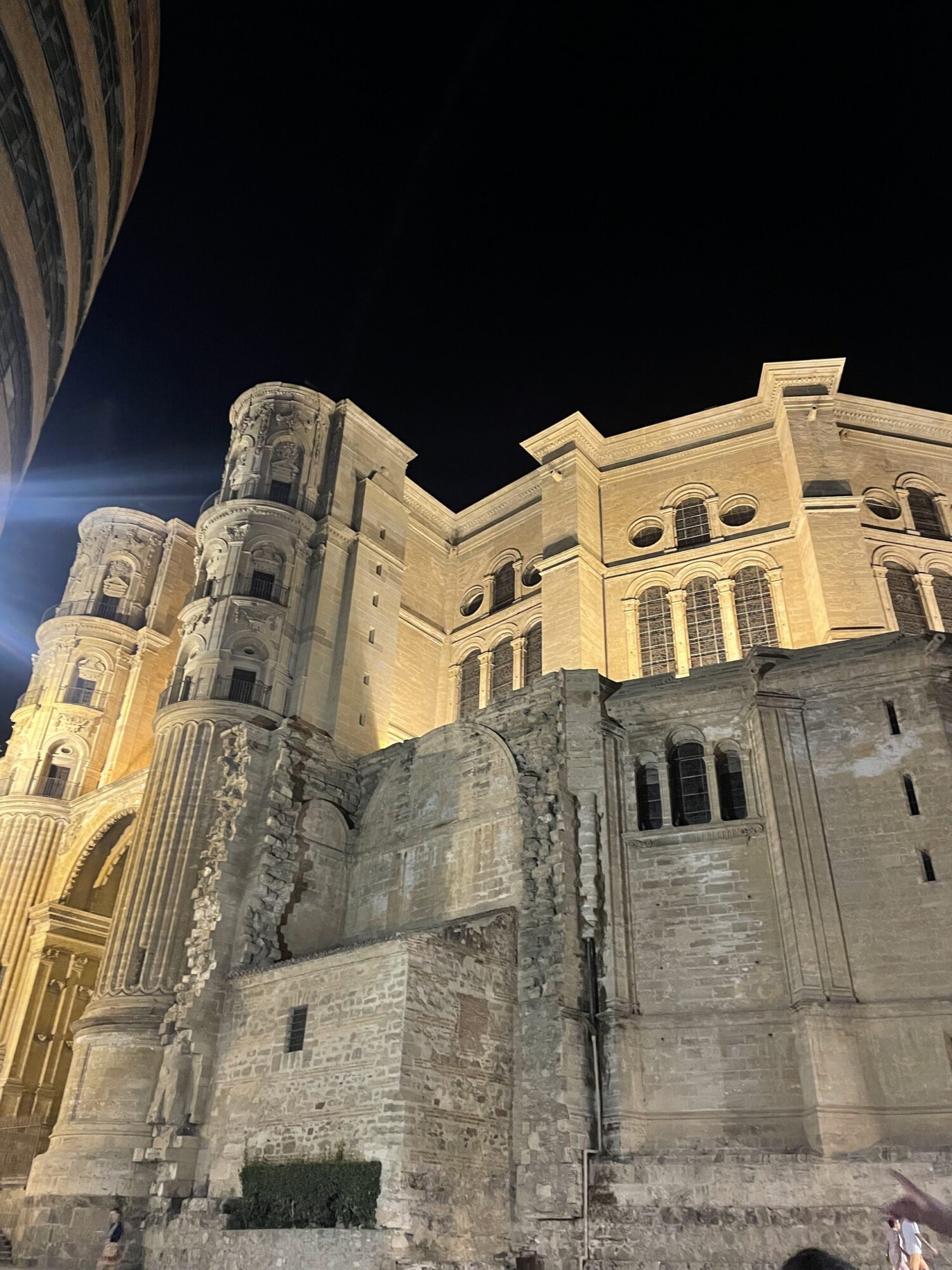
This is a particularly good time to visit Malaga’s main historical attractions, including the Alcazaba, Gibralfaro Castle, and Málaga Cathedral.
I’d also recommend taking advantage of the pleasant weather to explore the nearby Montes de Málaga Natural Park or plan a day trip to Caminito del Rey.
One thing to keep in mind is Semana Santa, or Holy Week, which is one of Malaga’s most important celebrations. In 2026, Semana Santa takes place from March 29 through April 5. During this period, the city comes alive with elaborate religious processions, music, and celebrations.
It’s an incredible cultural experience, but hotels tend to be more expensive and the historic center gets extremely busy.
My recommendation: Visit Malaga in May if you’re looking for warm weather, plenty of sunshine, and a good balance between sightseeing and relaxing outdoors.
Visiting Malaga in Summer (June to August)

From June through August, the weather is generally hot, sunny, and dry, with daytime temperatures often reaching 30°C (86°F) or higher.
July and August are particularly hot, and occasional heatwaves can push temperatures well beyond the seasonal averages. Since Malaga is by the water, you typically get slightly cooler temperatures, however, if you’re planning a trip to the south of Spain, I wouldn’t recommend visiting Sevilla in summer as these cities can become unbearably hot.
If you’re planning a beach holiday, however, this is one of the best times to visit Malaga. The Mediterranean Sea is warm, the beaches are lively, and there’s no shortage of outdoor restaurants, beach bars, and nightlife.
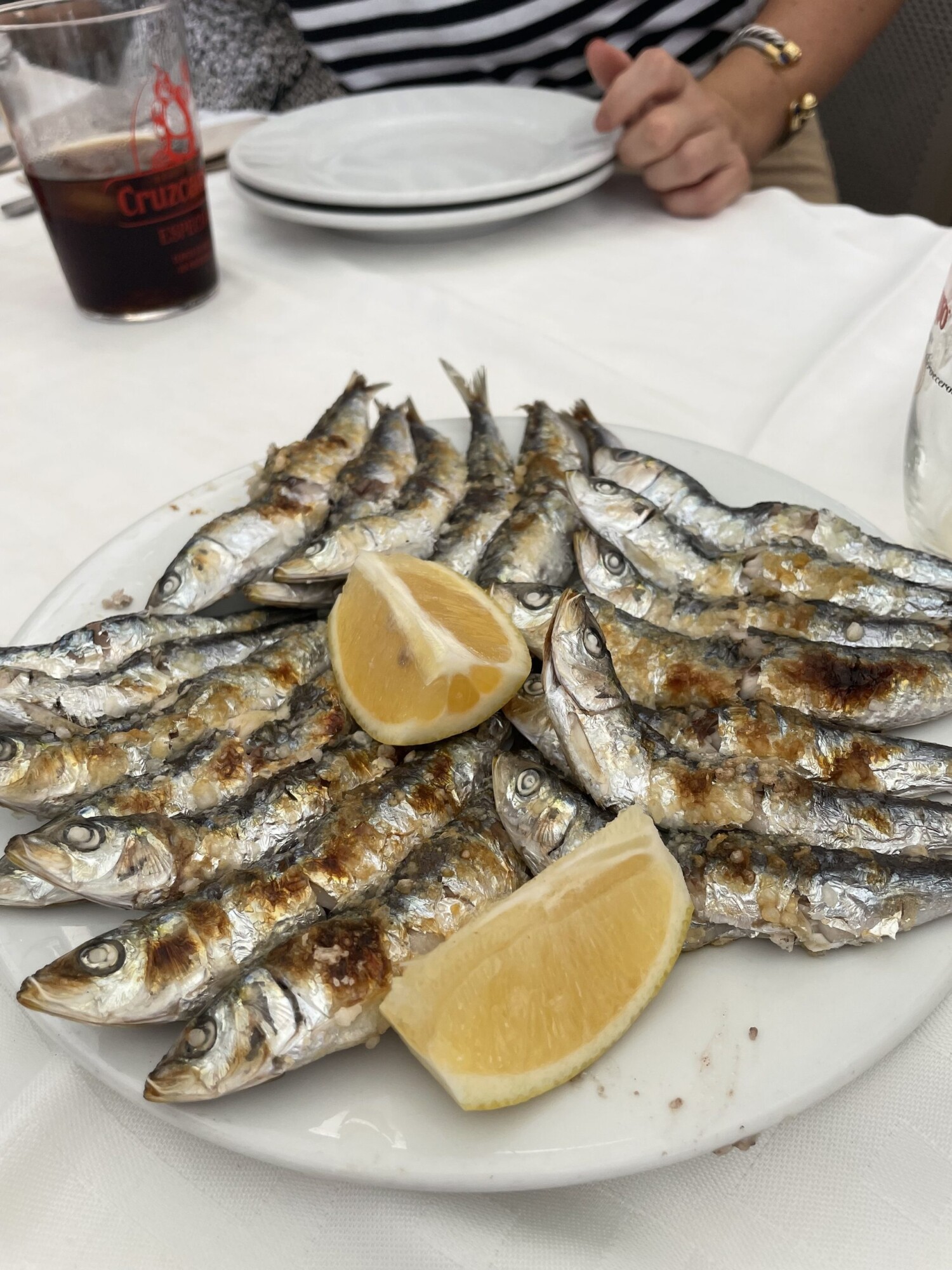
Personally, one of my favorite things about visiting Malaga during the warmer months is enjoying espeto de sardinas at a beachfront chiringuito. There’s something about eating freshly grilled sardines with a view of the Mediterranean that perfectly captures the laid-back atmosphere of southern Spain. Plus, I love how casual and simple the whole plan is. If you’re coming during the end of spring to the end of summer, you have to try espeto at least once on your trip.
Summer is also festival season.
The famous Feria de Málaga takes place in August, transforming the city into a huge celebration with music, dancing, food, and traditional Andalusian festivities. The 2026 fair is scheduled for August 15–22, although it’s worth confirming the official program before planning your trip.
The biggest downside to visiting in summer is the heat. Walking around Malaga’s old town or climbing to Gibralfaro Castle during the afternoon can be exhausting.
I’d recommend planning sightseeing for the morning and saving afternoons for the beach or a long lunch in the shade.
Visiting Malaga in Autumn (September to November)
If I had to choose just one season to visit Malaga, autumn would be a strong contender.
September still feels like summer, with temperatures around 28°C (82°F) and warm Mediterranean waters, making it a great time to enjoy the beaches without the peak summer crowds.
October is another favorite, especially for sightseeing. With temperatures averaging around 24°C (75°F), it’s ideal for exploring the historic center, enjoying outdoor tapas, or taking day trips to Ronda, Nerja, or Marbella.
By November, temperatures begin to cool, rainfall becomes more likely, and crowds thin out. You may also find better accommodation prices.
My recommendation: Visit in September for beach weather or October for a mix of sunshine, sightseeing, and fewer crowds.
Visiting Malaga in Winter (December to February)
If you’re looking to escape the cold weather in northern Europe, Malaga is a great destination for some winter sunshine.
With average daytime temperatures around 17–18°C (63–64°F), it’s not quite beach weather, but it’s comfortable enough to explore the historic center, visit the Picasso Museum, and enjoy tapas outdoors.
December is especially lovely, with festive Christmas lights along Calle Larios and holiday celebrations throughout the city. January and February tend to be quieter, making them great months for sightseeing without the crowds.
Winter is also a good time to explore more of Andalusia, including nearby Granada and the Sierra Nevada mountains.
My recommendation: Visit in December for the festive atmosphere or January and February for fewer tourists and potentially lower accommodation prices.
Festivals and Events Worth Planning Your Malaga Trip Around
One thing worth considering when deciding when to visit Malaga is the city’s annual festivals. Andalusia has some incredible traditions, and visiting during one of these celebrations can make your trip even more memorable.
Semana Santa (March 29–April 5, 2026) is one of the biggest celebrations of the year, with elaborate religious processions filling the streets throughout Holy Week. It’s an incredible opportunity to experience Andalusian culture, although you should expect large crowds.
Feria de Málaga (August) is another major celebration, bringing music, flamenco, dancing, and festivities throughout the city. While the Feria in Sevilla may be more famous, Malaga’s still might be nice to visit if you’re planning on traveling in the spring time. If you love a lively atmosphere, this is a fantastic time to visit, but be prepared for the summer heat!
Christmas in Malaga (December) is also worth experiencing, especially the famous Christmas lights along Calle Larios. While you won’t find the traditional Christmas markets of northern Europe, the festive atmosphere combined with Malaga’s mild winter weather makes December a lovely time to visit.
Keep in mind that accommodation prices can increase during major festivals, so I’d recommend booking well in advance if your trip falls around these dates.
FAQs About the Best Time to Visit Malaga, Spain
What Is the Best Month to Visit Malaga?
In my opinion, May and September are the best months to visit Malaga. May offers beautiful spring weather that’s perfect for sightseeing, while September is ideal if you want warm temperatures and beach time without the peak summer crowds.
What Is the Rainiest Month in Malaga?
November and December are typically among Malaga’s rainiest months, although rainfall varies from year to year. Most of Malaga’s rain falls between autumn and early spring, while summer is generally very dry.
Is Malaga Too Hot in August?
August is typically the hottest month in Malaga, with average daytime highs around 31°C (88°F). During heatwaves, temperatures can climb considerably higher, making sightseeing uncomfortable during the afternoon. I personally wouldn’t recommend visiting other Andalucian destinations in summer, however, Malaga is an exception since it’s on the water.
Is Malaga Worth Visiting in December?
Absolutely! Malaga is a great destination for a winter city break. Although it’s not beach weather, the mild temperatures make it enjoyable for sightseeing, exploring museums, and dining outdoors on sunny afternoons.
How Many Days Do You Need in Malaga?
I’d recommend spending two to three days in Malaga to explore the main attractions, enjoy the food scene, and spend some time by the beach. If you’re planning day trips to Ronda, Granada, or Caminito del Rey, consider staying four to five days.
Final Thoughts: When Is the Best Time to Visit Malaga?
If you’re wondering when the best time to visit Malaga is, my recommendation would be May, June, September, or October. These months offer that perfect balance of warm Mediterranean weather, plenty of sunshine, and comfortable temperatures for exploring the city.
Personally, I’d lean toward September or October. You can still enjoy beautiful weather, spend time at the beach, and take advantage of everything Malaga has to offer without quite as much of the summer heat.
That said, Malaga is one of those rare European destinations that’s enjoyable throughout the year. And from my experience, I’ve always had a great time in Malaga no matter the month I visited.
Whether you’re coming for a summer beach holiday, a spring city break, or a little winter sun, there’s always something to love about this charming corner of southern Spain.


No Comments